
The question “When was Wells Fargo founded?” might seem like a simple historical inquiry, a mere date in a corporate timeline. However, for a brand as venerable and influential as Wells Fargo, its founding date — March 18, 1852 — is far more than just a historical marker. It is the cornerstone of its brand identity, the genesis of its enduring narrative, and the origin point from which its corporate persona has evolved through over a century and a half of American history. Understanding this origin is crucial to dissecting the layers of legacy, resilience, and complex reputation that define one of the United States’ oldest and most recognizable financial institutions.
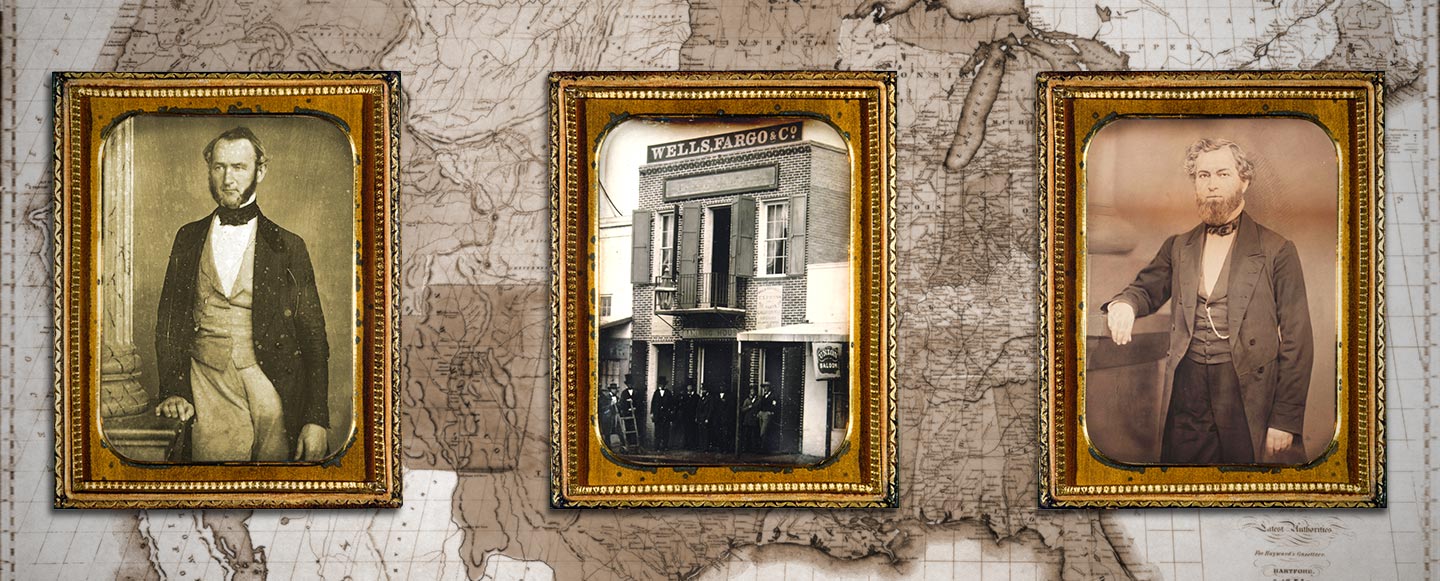
The story of Wells Fargo’s founding is intrinsically linked to the American Gold Rush, an era of unprecedented expansion and opportunity that demanded innovative solutions for commerce and communication. It was a time when trust, reliability, and reach were paramount, laying the groundwork for a brand that would become synonymous with the pioneering spirit of the West. This initial blueprint, crafted by its visionary founders, has profoundly shaped Wells Fargo’s corporate identity, marketing strategies, and its public perception, even through its most challenging modern eras.
The Dawn of an Icon: Wells Fargo’s 1852 Genesis
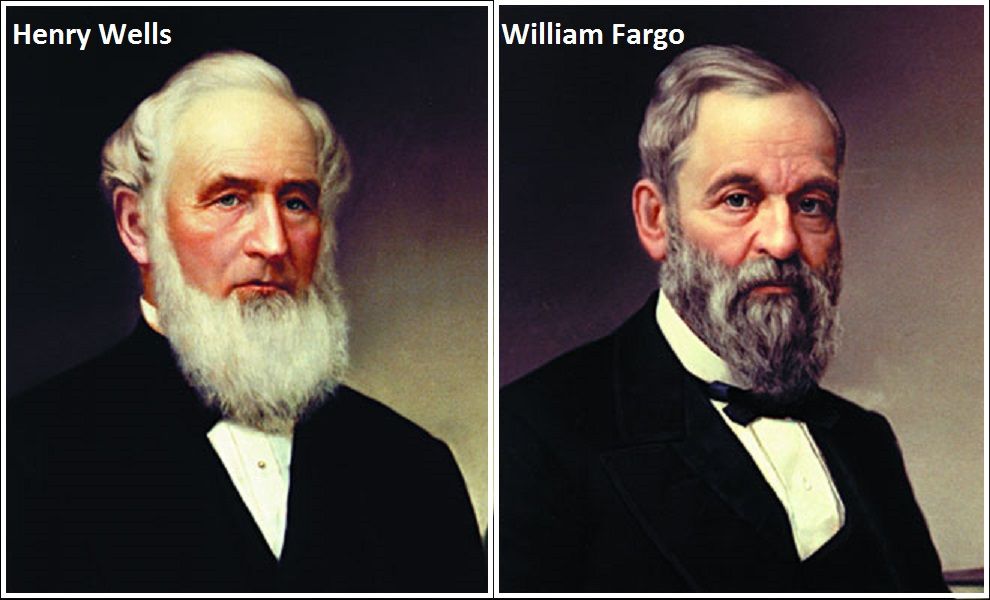
The establishment of Wells Fargo & Company on March 18, 1852, in New York City, was not merely the launch of another business; it was the birth of a brand designed to thrive in an environment defined by rapid change and vast distances. The founders, Henry Wells and William G. Fargo, were already seasoned entrepreneurs in the express and banking industries, having co-founded American Express. Their foresight recognized the burgeoning needs of the California Gold Rush, specifically the critical demand for secure, reliable services to transport money, gold, and goods, alongside the necessity for banking facilities in remote, rapidly growing settlements.
Gold Rush Roots and Founding Visionaries
The strategic decision to establish Wells Fargo stemmed directly from the economic boom spurred by the California Gold Rush. The influx of prospectors, settlers, and merchants created an urgent need for financial infrastructure that traditional East Coast banks couldn’t provide. Gold needed to be shipped, money needed to be transferred, and secure deposits were essential. Henry Wells and William G. Fargo, through their previous ventures, possessed a deep understanding of logistics and finance. They envisioned a company that could bridge the vast geographical and infrastructural gaps between the East and the burgeoning West, positioning Wells Fargo from its very inception as a brand of reliability and connectivity. Their combined expertise gave the new company an immediate advantage, lending it an air of trustworthiness and capability that was invaluable in a chaotic frontier.
Early Services: Beyond Banking
From its earliest days, Wells Fargo’s brand promise extended far beyond conventional banking. While it offered deposit accounts and loans, its most iconic services were express delivery and specie (coin/gold) transport. The company operated stagecoach lines, a network of express offices, and armed messengers who bravely traversed treacherous territories. This multifaceted approach was crucial in building the brand’s early reputation. The sight of a Wells Fargo stagecoach, carrying not just passengers but also gold, mail, and vital supplies, became a powerful symbol of progress, security, and the very lifeline connecting disparate communities. This image, deeply ingrained in American folklore, would become an indelible part of Wells Fargo’s corporate identity, enduring for generations. It wasn’t just a bank; it was an enabler of commerce and a symbol of progress for the frontier.
Forging a Legacy in the American West
Wells Fargo quickly became an indispensable part of the American West’s infrastructure. Its offices acted as crucial hubs for communication, finance, and logistics, often serving as the only link to the wider world for isolated communities. The brand was built on promises kept: secure transport, reliable money transfers, and trustworthy banking. This operational excellence in challenging conditions cultivated a deep sense of loyalty and dependence among its customers. The iconic stagecoach, in particular, transcended its functional role to become a powerful brand emblem, representing courage, reach, and the westward expansion itself. This early establishment of a robust, trustworthy presence in a challenging environment laid the foundation for a brand narrative that spoke of resilience, pioneering spirit, and an unwavering commitment to service.
Navigating Tumultuous Tides: Brand Evolution Through Eras
The brand identity forged in 1852 has been continually tested and reshaped by the currents of history. From its origins as a Western express company, Wells Fargo transformed into a national financial powerhouse, adapting its brand message and corporate identity through wars, economic depressions, and technological revolutions. Each era presented new challenges and opportunities for the brand to reaffirm, redefine, or recover its standing.
From Stagecoaches to National Presence: Expanding the Brand Footprint
As the American landscape evolved beyond the Wild West, so too did Wells Fargo. The advent of railroads diminished the primacy of stagecoaches, prompting the brand to pivot and consolidate its express and banking operations. Over the late 19th and 20th centuries, through a series of mergers and acquisitions, Wells Fargo gradually expanded its geographical footprint and its range of financial services. This expansion was carefully managed to integrate new entities while retaining core brand elements. The stagecoach motif, though no longer an operational reality, was strategically retained in marketing and corporate identity, serving as a powerful visual anchor to its rich history and trustworthy origins, even as it became a modern, diversified financial institution. This strategic leveraging of heritage helped maintain a coherent brand image amidst growth.
Adapting to Economic Shifts: Resilience and Rebranding Efforts
The 20th century brought unprecedented economic shifts, including two World Wars, the Great Depression, and numerous recessions. Wells Fargo’s brand had to demonstrate not just resilience but also adaptability. Its corporate identity evolved to reflect changing societal needs and regulatory landscapes. Rebranding efforts focused on communicating stability, security, and a comprehensive suite of modern financial services, moving beyond the frontier image while still subtly referencing its deep roots. During times of crisis, the brand emphasized its long history and financial prudence, using its longevity as a testament to its reliability. This strategic communication helped Wells Fargo navigate turbulent financial waters, maintaining consumer confidence through consistent messaging rooted in its heritage.
The Digital Age and Brand Modernization
The late 20th and early 21st centuries ushered in the digital age, demanding a significant brand modernization. Wells Fargo, like all legacy institutions, faced the challenge of translating its traditional values of trust and security into the digital realm. This involved investing heavily in online banking platforms, mobile apps, and digital security measures. The brand messaging shifted to highlight convenience, technological innovation, and personalized digital experiences, while still subtly weaving in elements of its historical reliability. The stagecoach icon found new life in digital formats, symbolizing speed and connectivity in a contemporary context. The challenge was to remain true to its founding brand promise while embracing a future driven by technology, ensuring its identity resonated with new generations of customers.
The Brand’s Enduring Symbolism and Legacy
Beyond its services and historical milestones, Wells Fargo’s brand has cultivated powerful symbolism, primarily through its iconic stagecoach. This enduring imagery, combined with its long operational history, has cemented its place in American corporate consciousness, serving as both a source of pride and, at times, a lightning rod for scrutiny regarding its corporate culture and ethics.

The Stagecoach: A Potent Brand Icon
Few corporate logos are as deeply intertwined with their company’s history and national mythology as Wells Fargo’s stagecoach. It is more than just a visual element; it is a narrative shortcut to an era of pioneering spirit, adventure, and the foundational role the company played in connecting a growing nation. This symbol evokes qualities of reliability, strength, and unwavering forward momentum. Its consistent use across marketing, branch signage, and corporate communications ensures that even as the bank evolves, its historical roots remain visible and potent. The stagecoach powerfully communicates heritage and trustworthiness, providing an emotional connection to a heroic past that distinguishes Wells Fargo from its more contemporary competitors.
Building Trust and Reputation (and Recovering It)
For over a century, Wells Fargo actively cultivated a brand reputation built on trust, integrity, and community involvement. Its long history of weathering economic storms and serving diverse communities contributed significantly to this perception. However, the early 21st century saw this hard-won reputation severely challenged by a series of scandals, particularly the “fake accounts” crisis. These events highlighted the critical importance of corporate culture and ethical conduct in maintaining brand integrity. The subsequent efforts to rebuild trust—through leadership changes, compensation restructuring, and extensive communication campaigns—became a public case study in brand reputation management. This period underscored that even the strongest historical foundations can be eroded without vigilant adherence to ethical brand practices.
Wells Fargo as a Case Study in Corporate Longevity and Identity
Wells Fargo’s journey from a Gold Rush startup to a multinational financial services provider offers an unparalleled case study in corporate longevity and the evolution of brand identity. Its ability to adapt through successive historical epochs, maintain a consistent visual identity (the stagecoach), and strategically manage its narrative underscores the power of a strong founding story. The brand’s journey exemplifies how heritage can be a formidable asset, providing a unique differentiator and a source of resilience. Yet, it also serves as a stark reminder that legacy alone is insufficient; a brand’s enduring strength is ultimately tied to its current actions, ethical framework, and the authentic delivery of its promises.
Identity in Flux: Modern Challenges and Brand Reinvention
The digital age and heightened public scrutiny have presented Wells Fargo with both existential challenges and opportunities for profound brand reinvention. Its identity is continually in flux, shaped by past missteps and future aspirations.
Crisis Management and Brand Reputation Repair
The scandals of the 2010s forced Wells Fargo into an intensive period of crisis management and brand reputation repair. This involved a multi-faceted approach: public apologies, significant financial penalties, leadership overhauls, and deep-seated cultural reforms aimed at eradicating the root causes of the misconduct. The brand narrative shifted to one of accountability, transparency, and a renewed commitment to ethical customer service. This public effort to rebuild trust involved direct communication with customers, extensive internal training, and a visible commitment to putting customers first. It was a dramatic attempt to mend a fractured brand image, illustrating how even a brand with a deep historical foundation must actively work to maintain contemporary relevance and trust.
Rebuilding Trust: A Contemporary Brand Imperative
For Wells Fargo, rebuilding trust remains a central, ongoing brand imperative. This is not merely about avoiding future scandals but about proactively demonstrating a customer-centric culture. Modern brand strategy for Wells Fargo emphasizes ethical conduct, transparent operations, and a genuine commitment to community welfare. Marketing campaigns focus on responsible banking, financial literacy, and social impact, aiming to reconnect with a customer base that demands more than just financial services—it demands integrity. The challenge is to prove that the “new” Wells Fargo is fundamentally different, allowing its historical brand equity to once again stand for unwavering reliability and ethical stewardship.
Shaping the Future: Innovation and Brand Promise
Looking ahead, Wells Fargo’s brand strategy is increasingly focused on innovation and reaffirming its promise to future generations. This involves continued investment in cutting-edge financial technology, personalized digital experiences, and sustainable business practices. The brand aims to balance its rich heritage with a forward-looking vision, positioning itself as a leader in responsible banking for the 21st century. The stagecoach, while remaining a symbol of its past, must now also represent momentum into a digital, interconnected future, embodying a brand promise of evolving alongside its customers while never losing sight of the core values established back in 1852.
The Enduring Power of a Founding Narrative
The simple question “When was Wells Fargo founded?” unlocks a complex and compelling brand narrative that spans American history. Its founding date is not just an arbitrary point in time; it is the origin story of an institution whose identity has been forged in the crucible of expansion, innovation, and challenge.
A Foundation for Corporate Identity
The circumstances of Wells Fargo’s 1852 founding — a response to the Gold Rush, a commitment to secure transport, and a vision for bridging distances — laid an unshakeable foundation for its corporate identity. These initial values of reliability, reach, and trust became the bedrock upon which subsequent brand layers were built. A strong founding narrative provides a brand with a unique origin myth, a sense of purpose, and a consistent historical anchor that can guide its evolution and differentiate it in a competitive market. It’s the initial blueprint from which all future brand extensions and transformations derive.
Inspiring Brand Loyalty and Heritage
For many customers, particularly those in the Western United States, Wells Fargo’s history inspires a degree of loyalty and identification that modern brands often struggle to achieve. Its brand heritage connects individuals to a shared historical past, evoking feelings of nostalgia, stability, and enduring presence. This deep-rooted connection, fostered by a consistent narrative and iconic symbolism, becomes a powerful asset in customer retention and brand advocacy. The ability to tell a compelling story, starting from its origins, is a fundamental component of fostering such long-term loyalty.
Lessons from a 170-Year Journey
Wells Fargo’s over 170-year journey offers profound lessons for any brand aspiring to longevity. It illustrates that a strong founding vision, coupled with adaptability and strategic communication, can build a brand that endures through centuries. However, it also painfully demonstrates that heritage alone is not enough. The integrity of a brand, no matter how storied, is continuously being rewritten by its contemporary actions, ethical commitments, and its ability to consistently deliver on its core promises. The founding of Wells Fargo in 1852 was merely the beginning of a continuous branding effort, a testament to the fact that a brand is a living entity, constantly shaped by its past, defined by its present, and aspiring to its future.
aViewFromTheCave is a participant in the Amazon Services LLC Associates Program, an affiliate advertising program designed to provide a means for sites to earn advertising fees by advertising and linking to Amazon.com. Amazon, the Amazon logo, AmazonSupply, and the AmazonSupply logo are trademarks of Amazon.com, Inc. or its affiliates. As an Amazon Associate we earn affiliate commissions from qualifying purchases.