
In the multi-billion dollar maritime leisure industry, the question of “which cruise line is the best” is rarely answered by a simple comparison of ship size or itinerary frequency. Instead, the answer lies within the sophisticated world of brand strategy. For a consumer, the “best” cruise line is the one whose brand promise aligns most closely with their personal values, lifestyle, and social aspirations. From a corporate perspective, the “best” line is the one that has most effectively carved out a distinct market niche, fostered unwavering loyalty, and maintained a consistent identity in a crowded sea of competitors.
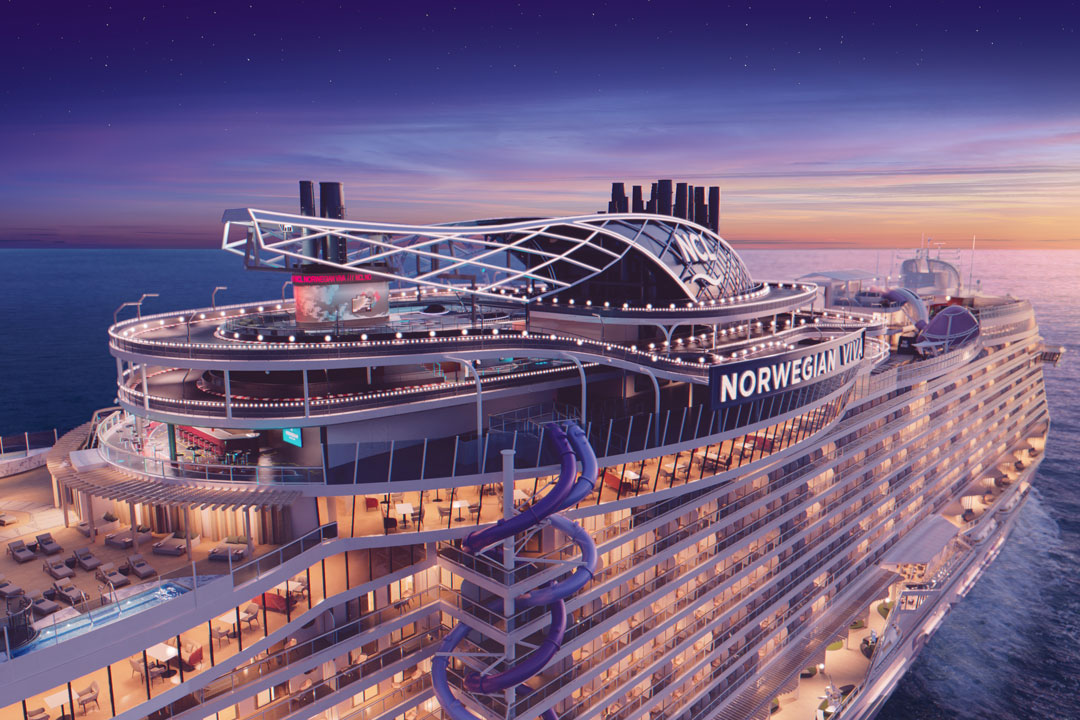
To understand which cruise line reigns supreme, we must move beyond the deck plans and buffet menus to analyze the brand architectures that define the modern cruising experience. This article examines how the leading players in the industry use brand positioning, emotional resonance, and strategic disruption to claim the title of “the best.”
The Architecture of Identity: Defining the ‘Best’ through Brand Positioning
Brand positioning is the process of setting a company apart from its competitors in the minds of the target audience. In the cruise industry, this is achieved by leaning into specific brand archetypes—ranging from the “Explorer” to the “Caregiver” or the “Jester.” The “best” cruise line is often the one that manages to occupy a “category of one” through precise positioning.
Luxury vs. Contemporary: The Spectrum of Brand Values
The industry is broadly bifurcated into “Contemporary” (mass-market) and “Luxury” segments, each with its own definition of excellence. For a brand like Carnival Cruise Line, “best” is defined by accessibility, high-energy entertainment, and the democratization of travel. Their brand identity is centered on the “Fun Ship” persona, targeting the “Everyman” archetype.
In contrast, ultra-luxury brands like Viking or Seabourn define “best” through exclusivity, intellectual enrichment, and a “Quiet Luxury” aesthetic. These brands avoid the flashy gimmicks of water slides and neon lights, instead focusing on “The Thinking Person’s Cruise.” By narrowing their focus, these brands ensure that for their specific high-net-worth demographic, they are the only logical choice.
The Role of Narrative in Cruise Marketing
Modern cruise branding relies heavily on storytelling. It is no longer enough to sell a cabin; a brand must sell a transformation. Whether it is the promise of reconnecting with family on a Royal Caribbean mega-ship or the promise of self-discovery on a Celebrity Cruises vessel, the narrative is what builds brand equity. The cruise lines that succeed are those that maintain a consistent narrative across every touchpoint, from the digital booking interface to the final disembarkation.
Case Studies in Brand Dominance: Royal Caribbean vs. Carnival
To see brand strategy in action, one must look at the two titans of the industry. While both operate in the mass-market space, their brand identities are worlds apart, catering to different psychological drivers.
Royal Caribbean: The Innovation and Adventure Brand
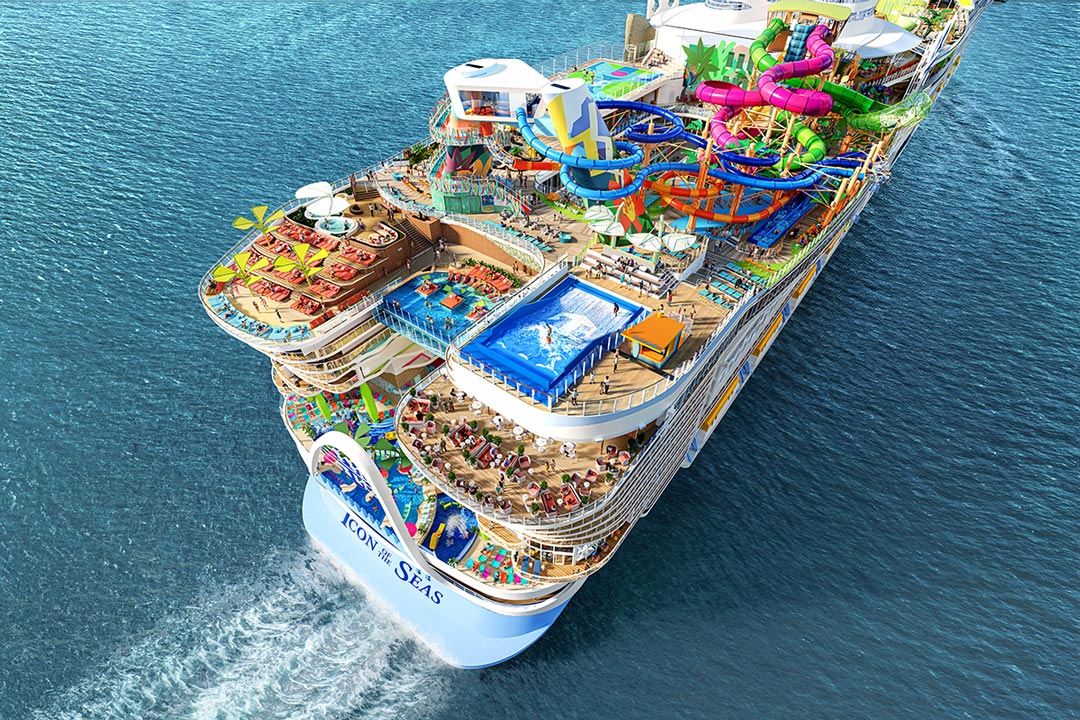
Royal Caribbean International has positioned itself as the “Innovator” of the seas. Their brand strategy is built on the “Wow” factor—engineering marvels that include robotic bartenders, skydiving simulators, and the world’s largest cruise ships. By consistently breaking Guinness World Records, Royal Caribbean has claimed the title of “best” for families and multi-generational travelers who prioritize variety and technological advancement.
Their branding communicates a message of boundless possibility. When a consumer asks which cruise line is the best for activities, the Royal Caribbean brand occupies that mental space because they have spent decades anchoring their identity to the concept of “The Biggest and The Boldest.” This is a masterclass in using product development to reinforce brand promise.
Carnival Cruise Line: The ‘Fun’ Brand and Community Engagement
While Royal Caribbean focuses on the “spectacle,” Carnival focuses on the “social.” Carnival’s brand strategy is remarkably consistent: they are the “Choose Fun” brand. Their marketing is vibrant, unpretentious, and focused on the community aspect of cruising.
Carnival has mastered the art of brand loyalty among the middle-class demographic by emphasizing value and a “come as you are” atmosphere. For their loyalists, Carnival is the “best” because it removes the intimidation factor often associated with high-end travel. Their brand strategy proves that you do not need to be the most expensive to be the “best” in the eyes of your target market; you simply need to be the most relatable.
Niche Mastery: How Virgin Voyages and Disney Redefined Targeted Branding
In a competitive market, sometimes the “best” strategy is to ignore the general population and focus on a highly specific segment. Disney Cruise Line and Virgin Voyages represent two polar opposites of this niche-dominance strategy.
Disney Cruise Line: Leveraging Intellectual Property and Trust
Disney Cruise Line is perhaps the most powerful example of brand extension in the world. They do not just compete with other cruise lines; they compete with the very concept of a family vacation. By leveraging their massive library of intellectual property (IP)—from Marvel to Star Wars—Disney creates an immersive brand environment that no other line can replicate.
For parents, Disney is the “best” because of the inherent “Brand Trust” associated with the name. The brand promise is a seamless, magical experience where the safety and entertainment of children are guaranteed. This allow Disney to command premium pricing—often double that of its competitors—proving that a strong brand identity can overcome price sensitivity.
Virgin Voyages: Disruption through Adult-Only Brand Identity
Virgin Voyages entered the market as a “disruptor,” a classic strategy of the Virgin Group. By identifying a gap in the market—adults who want to cruise but dislike the traditional “family-style” cruise tropes—they created an “Adult-by-Design” brand.
Their branding is edgy, sophisticated, and leans into the “Rebel” archetype. By removing buffets, kids, and formal nights, Virgin Voyages redefined what a “best” cruise looks like for the Millennial and Gen X demographic. Their strategy is a lesson in “Subtraction as Branding”: by taking away traditional elements, they added immense value to a specific niche that felt underserved by the status quo.
The Power of Loyalty: Brand Equity in the High Seas
Ultimately, the “best” cruise line is the one that successfully converts a first-time guest into a lifelong advocate. This is where brand equity and loyalty programs become the primary drivers of business sustainability.
Retention Strategies and Membership Tiers
The “best” cruise lines utilize tiered loyalty programs (such as Royal Caribbean’s Crown & Anchor Society or Norwegian’s Latitudes Rewards) to create a sense of belonging and “gamified” status. These programs are not just about perks; they are about psychological “sunk cost.” Once a traveler reaches a certain tier, the perceived cost of switching to a competitor—and losing those hard-earned benefits—becomes too high.
From a brand perspective, these programs turn customers into “Brand Ambassadors.” When people debate which cruise line is the best on social media or in person, it is these loyalists who defend their chosen brand, providing organic marketing that is far more effective than paid advertisements.
Sustaining Reputation in a Post-Pandemic World
In the wake of global health crises, the definition of “best” shifted momentarily from “most fun” to “most safe.” Brands that communicated transparency, rigorous health protocols, and corporate responsibility saw their brand equity rise.
The cruise lines that emerged strongest were those that treated their “Crisis Management” as a brand touchpoint. By being “The Trusted Brand” during uncertain times, lines like Viking and Princess Cruises reinforced their commitment to guest well-being, proving that brand integrity is tested most during times of friction.

Conclusion: Why ‘Best’ is a Matter of Brand Alignment
In conclusion, determining which cruise line is the best is not an objective exercise in comparing ship tonnages or the number of pools. It is a subjective analysis of brand alignment.
- Royal Caribbean is the best for those who seek the cutting edge of Innovation.
- Disney is the best for those who seek Magical Escapism and trust.
- Carnival is the best for those who value Community and Accessibility.
- Virgin Voyages is the best for the Modern Disruptor.
- Viking is the best for the Intellectual Explorer.
The success of these companies lies in their ability to stop trying to be everything to everyone. The “best” cruise line is the one that knows exactly who its customer is and delivers on its brand promise with surgical precision. In the world of high-seas branding, clarity of identity is the ultimate competitive advantage. For the consumer, the “best” cruise line is simply the one that makes them feel most like the person they want to be while they are on vacation.
aViewFromTheCave is a participant in the Amazon Services LLC Associates Program, an affiliate advertising program designed to provide a means for sites to earn advertising fees by advertising and linking to Amazon.com. Amazon, the Amazon logo, AmazonSupply, and the AmazonSupply logo are trademarks of Amazon.com, Inc. or its affiliates. As an Amazon Associate we earn affiliate commissions from qualifying purchases.