
The financial landscape is currently navigating one of the most complex periods in recent history. For investors asking, “What’s the stock market doing right now?” the answer is a nuanced tapestry of cooling inflation, shifting interest rate expectations, and a massive technological transformation driven by artificial intelligence. While major indices like the S&P 500 and the Nasdaq Composite have recently touched all-time highs, the underlying mechanics of the market reveal a tug-of-war between optimistic growth projections and the lingering effects of a restrictive monetary policy.
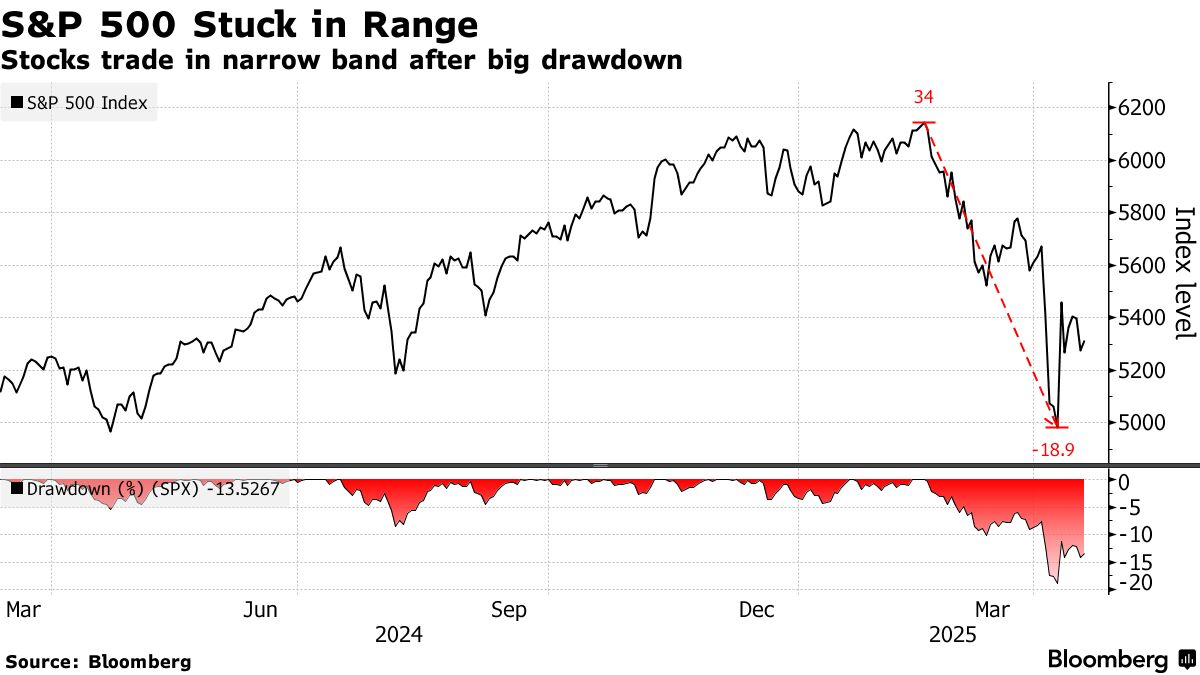
Understanding the current state of the market requires looking beyond the daily price fluctuations. It involves analyzing the macroeconomic forces at play, the sector-specific rotations occurring behind the scenes, and the psychological state of the global investor base.
The Macroeconomic Engine: Interest Rates and the “Soft Landing” Narrative
The primary driver of market sentiment right now is the Federal Reserve’s monetary policy. After a historic campaign of interest rate hikes designed to combat post-pandemic inflation, the market is now fixated on the “pivot”—the moment when the Fed begins to lower rates.
The Federal Reserve and the Quest for the Neutral Rate
For much of the past two years, the stock market has been hypersensitive to every word uttered by Federal Reserve officials. Currently, the narrative has shifted from “how high will rates go?” to “when will they finally come down?” The market is currently pricing in a transition toward a more accommodative stance as inflation data begins to align with the Fed’s 2% target.
When interest rates are high, borrowing costs for corporations rise, and the present value of future earnings—particularly for growth stocks—is discounted more heavily. As the prospect of rate cuts becomes more tangible, equity markets tend to react positively, anticipating lower capital costs and a boost in consumer spending.
Inflation Cooling and Consumer Resilience
Recent Consumer Price Index (CPI) and Producer Price Index (PPI) reports have shown a steady, albeit “sticky,” decline in inflationary pressures. The market is currently celebrating this cooling because it suggests that the Federal Reserve may have successfully navigated a “soft landing”—a scenario where inflation returns to target levels without triggering a major recession.
Despite high prices, consumer spending has remained remarkably resilient. However, analysts are watching for signs of “consumer fatigue,” as credit card delinquencies rise and savings cushions built up during the pandemic begin to erode. The stock market is currently balancing the joy of lower inflation against the risk of a slowing economy.
Sector Performance: The AI Revolution and Market Breadth
If you look at the performance of the stock market right now, you cannot ignore the massive influence of a few select companies. The “Magnificent Seven”—comprising tech giants like Nvidia, Microsoft, and Apple—have been the primary engines of growth, largely fueled by the explosion of generative Artificial Intelligence (AI).
The AI Capex Boom and Semiconductor Dominance
The stock market is currently witnessing a capital expenditure (Capex) boom unlike anything since the early days of the internet. Companies are pouring billions of dollars into AI infrastructure. Nvidia, as the primary provider of the chips that power these systems, has become a bellwether for the entire market.
Right now, the market is evaluating whether these massive investments in AI will translate into immediate productivity gains and bottom-line profits. While tech-heavy indices have soared, there is an ongoing debate about whether we are in a sustainable growth cycle or an AI-driven bubble. So far, corporate earnings for these tech leaders have largely supported their high valuations, keeping the market’s momentum skewed toward the upside.
The Great Rotation: Moving Beyond Big Tech
While tech has led the way, a crucial trend to watch right now is “market breadth.” For a healthy bull market to continue, participation needs to expand beyond just a handful of tech stocks. Recently, we have begun to see a rotation into other sectors such as Industrials, Financials, and even small-cap stocks (as tracked by the Russell 2000).
When the broader market begins to rise, it signals that investors are confident in the overall health of the economy, not just the growth of software and hardware. Financial stocks, in particular, are seeing renewed interest as the yield curve evolves, while industrial companies are benefiting from domestic manufacturing incentives and infrastructure spending.
Investor Psychology: Navigating Volatility and “FOMO”
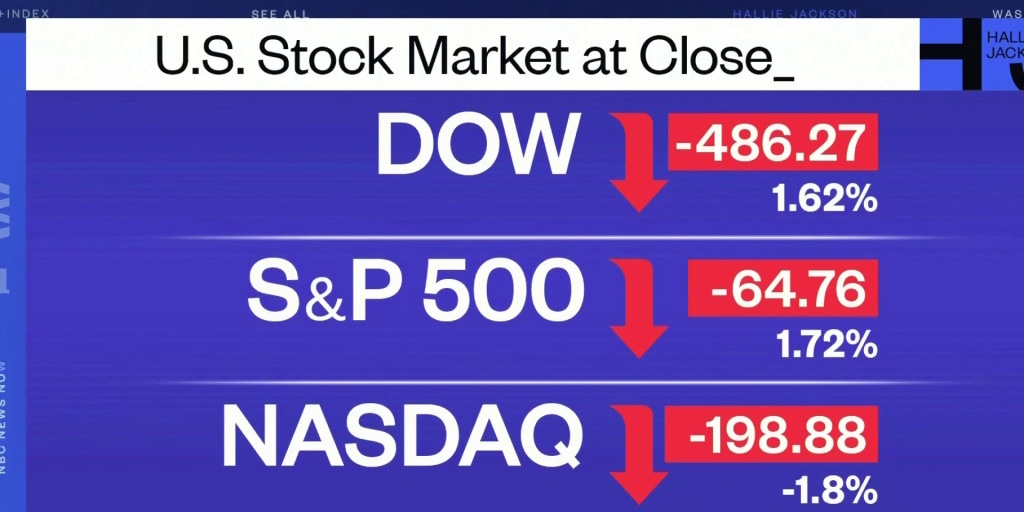
The stock market is as much a study of human psychology as it is a study of mathematics. Right now, the “Fear of Missing Out” (FOMO) is competing with “Fear of a Recession.” This creates a volatile environment where even minor news cycles can cause significant intraday swings.
The Volatility Index (VIX) and Risk Appetite
The VIX, often referred to as the “fear gauge,” has remained relatively low compared to historical averages, suggesting a level of complacency or quiet confidence among investors. However, this low volatility can be deceptive. It often masks the high-speed algorithmic trading and zero-days-to-expiration (0DTE) options activity that now dominates daily volume.
The market is currently characterized by “buying the dip.” Every time a correction begins, institutional and retail investors have stepped in, betting that the long-term trajectory remains upward. This appetite for risk is supported by the massive amount of “dry powder” (cash) still sitting in money market funds, waiting to be deployed into equities as interest rates on cash begin to fall.
Valuation Concerns and the Risk of Overextension
A key question for investors right now is whether stocks have become too expensive. The Price-to-Earnings (P/E) ratios for the S&P 500 are currently above their 10-year averages. Critics argue that the market has “priced in perfection,” meaning any negative surprise—whether it’s a geopolitical flare-up or a disappointing earnings report—could trigger a sharp pullback.
Insightful investors are currently focusing on “quality” stocks—companies with strong balance sheets, high margins, and the ability to pass on costs to consumers. In an era where “easy money” is no longer a guarantee, the market is increasingly rewarding fundamental strength over speculative growth.
Strategic Outlook: How to Position for the Remainder of the Year
Given what the stock market is doing right now, how should an individual investor approach their portfolio? The current environment favors a disciplined, diversified strategy rather than chasing the latest “hot” trend.
The Importance of Diversification in a Top-Heavy Market
Because a few tech stocks carry so much weight in the major indices, many investors are more concentrated than they realize. To mitigate this risk, right now is a prudent time to rebalance. This might include increasing exposure to international markets, value-oriented sectors, or fixed-income assets that offer attractive yields while they last.
Diversification isn’t just about owning different stocks; it’s about owning different types of assets. With the potential for interest rate cuts on the horizon, high-quality bonds are becoming an increasingly attractive way to lock in income and provide a buffer against equity market volatility.
Dollar-Cost Averaging Through Uncertainty
The stock market’s current “all-time high” status can be intimidating for those looking to put new money to work. However, trying to time the “top” is historically a losing game. The most effective strategy right now remains dollar-cost averaging (DCA). By investing a fixed amount at regular intervals, investors can take advantage of market dips without the emotional stress of trying to predict the exact moment of a reversal.
The current market environment is one of “cautious optimism.” There are clear catalysts for further growth, particularly in the tech and energy sectors, but these are balanced by the reality that the global economy is still adjusting to a post-zero-interest-rate world.
Conclusion: The Long-Term Perspective
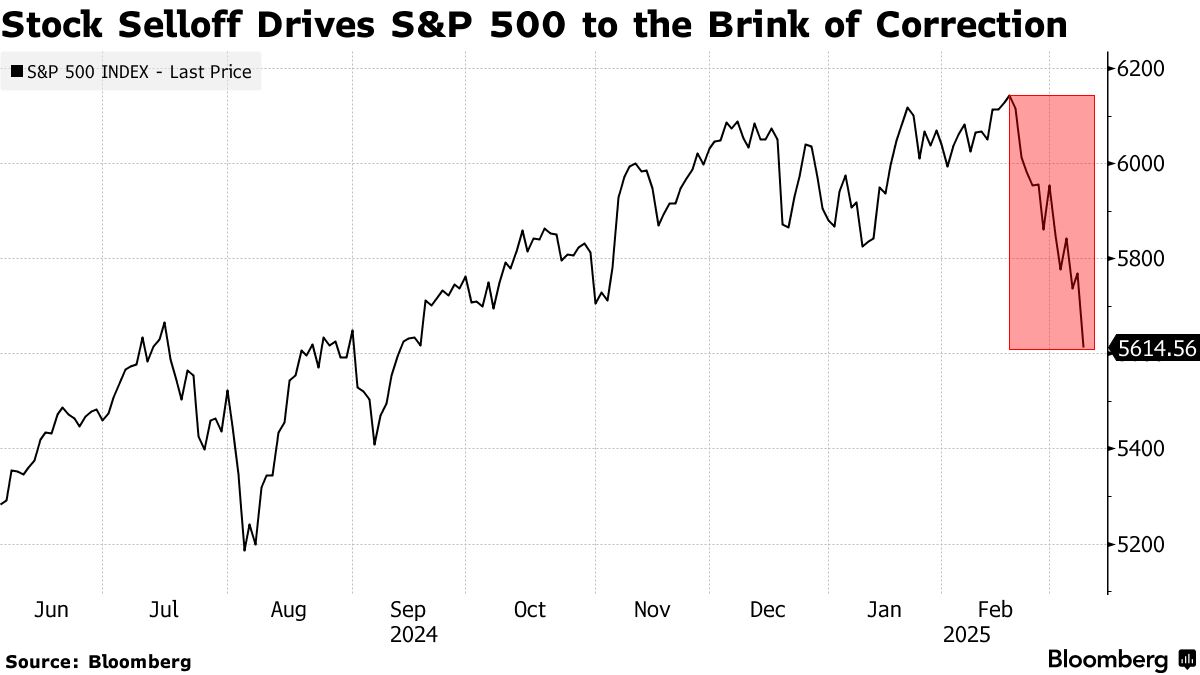
In summary, the stock market right now is in a state of transition. It is moving away from the “inflation crisis” of 2022 and 2023 and into a new era defined by AI productivity and normalized interest rates. While the headlines may focus on daily volatility or the meteoric rise of specific stocks, the broader picture is one of a resilient global economy finding its footing.
For the disciplined investor, the current market action serves as a reminder that volatility is the price of admission for long-term gains. By staying focused on fundamental quality, maintaining a diversified portfolio, and keeping a close eye on the Federal Reserve’s next moves, one can navigate this complex market with confidence. The stock market may be doing many things right now—fluctuating, rotating, and innovating—but for those with a long-term horizon, the primary objective remains the same: staying invested and staying informed.
aViewFromTheCave is a participant in the Amazon Services LLC Associates Program, an affiliate advertising program designed to provide a means for sites to earn advertising fees by advertising and linking to Amazon.com. Amazon, the Amazon logo, AmazonSupply, and the AmazonSupply logo are trademarks of Amazon.com, Inc. or its affiliates. As an Amazon Associate we earn affiliate commissions from qualifying purchases.