
In the complex and often daunting world of real estate, understanding the fundamental mechanisms that drive market efficiency and transparency is paramount for anyone involved – from first-time homebuyers to seasoned investors and industry professionals. At the very core of this intricate ecosystem lies a system that has profoundly shaped the way properties are bought, sold, and valued: the Multiple Listing Service, universally known as the MLS. Far more than just a simple database, the MLS is a cooperative, comprehensive, and technologically advanced platform that underpins billions of dollars in real estate transactions annually, serving as an indispensable financial tool and market intelligence hub.
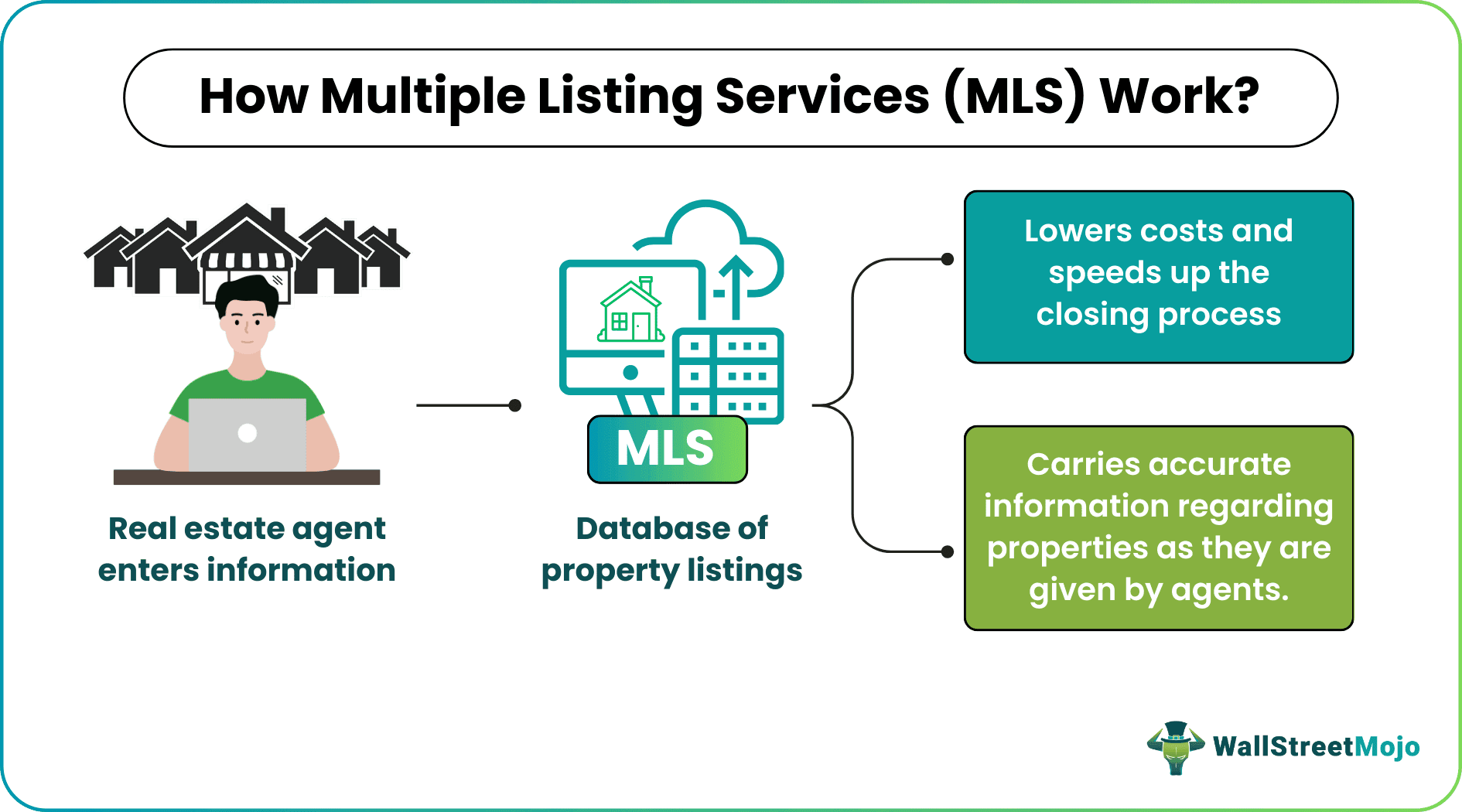
To truly grasp the significance of the MLS is to understand its financial implications. It’s not merely a list of homes; it’s a dynamic financial instrument that dictates market liquidity, influences property valuations, facilitates commission structures, and empowers strategic investment decisions. Without the MLS, the modern real estate market as we know it—with its speed, reach, and relative transparency—would be unrecognizable, leaving a fragmented landscape where information asymmetry would stifle commerce and complicate every financial facet of property ownership.
This article delves deep into the essence of the MLS, dissecting its origins, exploring its multifaceted financial impact on various stakeholders, and illuminating how it serves as a critical engine for business growth, personal wealth accumulation, and informed investment strategies within the real estate domain.
The MLS Defined: A Cornerstone of Real Estate Finance
At its heart, the MLS is a private offer of cooperation and compensation by listing brokers to other real estate brokers. It’s a localized, member-only database that allows real estate brokers to share information about properties they have for sale with other brokers, ensuring maximum exposure for sellers and comprehensive access to listings for buyers. This collaborative structure is specifically designed to facilitate transactions and, by extension, drive economic activity in the housing market.
Origins and Evolution: From Paper Listings to Digital Marketplaces
The concept of the MLS isn’t new; its roots stretch back to the late 19th century when real estate brokers in various localities formed associations to share information about their listings. Initially, these were simple ledger books or printed lists passed around at club meetings. Brokers realized that by pooling their listings, they could not only serve their clients better by offering a wider array of properties but also increase their chances of earning commissions through cooperative sales. This early recognition of collective financial benefit laid the groundwork for the modern MLS.
The true transformation, however, came with the advent of computer technology. What began as paper lists evolved into digitized databases in the 1970s and 80s, allowing for faster searches and broader data distribution. Today, the MLS is a sophisticated, internet-based platform, often managed by local real estate associations, featuring advanced search filters, mapping tools, integrated communication systems, and direct links to public records and valuation tools. This digital revolution fundamentally changed the speed and scale of real estate transactions, injecting unprecedented efficiency into a market once characterized by slow information flow. From a financial perspective, this evolution means quicker sales cycles, more accurate pricing, and a more liquid real estate market overall.
The Cooperative Principle: Sharing Information for Mutual Benefit
The operational backbone of the MLS is its cooperative principle. When a real estate broker takes on a listing, they agree to input that property into the local MLS system. Crucially, they also make a unilateral offer of compensation to any other broker who brings a ready, willing, and able buyer and successfully closes the transaction. This mandatory sharing of commissions incentivizes cooperation among competing brokers, fostering a network effect that benefits all parties.
This cooperative compensation model is a direct financial mechanism designed to ensure that properties receive the widest possible exposure, thereby increasing the likelihood of a sale and often at the best possible price. For the seller, it means virtually every agent in the market is motivated to sell their home. For the buyer, it means their agent can access almost every available property without having to contact dozens of individual listing agents. This systemic incentive structure is what makes the MLS a powerful financial engine, driving transactions and ensuring a fair distribution of value across the real estate professional community.
Key Components: A Centralized Database and Rules of Engagement
While often thought of as a single entity, the MLS is actually a collection of hundreds of regional systems across the United States and Canada, each with its own local rules and regulations but adhering to a broader set of standards established by organizations like the National Association of REALTORS® (NAR). Each system maintains a comprehensive database of active, pending, and sold properties within its jurisdiction.
Beyond the database, a crucial component of the MLS is its set of rules and regulations. These rules govern everything from listing accuracy and timely data entry to agent conduct and the aforementioned compensation offers. These regulations are vital for maintaining market integrity, preventing anti-competitive practices, and ensuring that the financial information shared within the system is reliable. Without these established rules, the financial trust and transparency that the MLS provides would quickly erode, leading to an inefficient and potentially fraudulent market.
Financial Leverage for Buyers and Sellers
For both those looking to buy property and those looking to sell, the MLS represents an unparalleled financial advantage. It levels the playing field, provides crucial data, and streamlines processes that would otherwise be cumbersome and costly.
For Buyers: Unparalleled Market Transparency and Choice
Before the MLS, buyers were largely at the mercy of individual agents and their specific inventory. Today, through an agent’s access to the MLS, buyers gain comprehensive visibility into virtually every property available for sale in a given area. This transparency is invaluable from a financial perspective. It allows buyers to compare properties, understand market trends, assess relative value, and make informed decisions about their investments.
Access to a vast array of listings means buyers can better identify properties that fit their budget, desired features, and long-term financial goals. It empowers them to negotiate from a position of knowledge, rather than speculation, potentially saving them thousands of dollars and securing a more suitable asset. Without the MLS, the time and effort required for a buyer to find a suitable property would skyrocket, making the transaction process far more expensive and inefficient.
For Sellers: Maximizing Exposure and Competitive Pricing
For sellers, the financial benefits of listing their property on the MLS are arguably even more profound. When a property is listed on the MLS, it instantly becomes visible to thousands of real estate agents, who in turn expose it to their pool of potential buyers. This broad exposure is critical for attracting multiple offers, driving competitive bidding, and ultimately achieving the highest possible sale price for a property.
Moreover, the MLS provides invaluable data for pricing strategies. By comparing their property to recently sold homes (comparables or “comps”) and current listings within the MLS, sellers and their agents can determine an optimal asking price that aligns with market realities. Overpricing can lead to a stagnant listing and eventual price reductions, while underpricing can result in lost equity. The MLS offers the critical financial intelligence needed to strike that perfect balance, maximizing the seller’s return on investment.
The Role of Agents: Navigating Complex Financial Data
While direct public access to raw MLS data is limited (typically through agent-syndicated websites like Zillow or Realtor.com, which don’t show all the detailed information available to agents), real estate agents act as the crucial intermediaries. They interpret the vast financial data within the MLS, helping clients understand market nuances, property histories, tax records, and detailed comparable sales. This expertise is vital for making sound financial decisions, whether it’s evaluating a home’s investment potential, understanding closing costs, or negotiating the best possible terms. Agents leverage the MLS not just as a search tool but as a sophisticated financial analysis platform.

The MLS as a Business Engine for Real Estate Professionals
For real estate brokers and agents, the MLS is not merely a utility; it is the central nervous system of their business operations, directly impacting their productivity, profitability, and professional standing. It is a fundamental financial tool that enables their livelihood and fosters a competitive yet collaborative industry.
Empowering Brokerages: Streamlining Operations and Sales Cycles
For real estate brokerages, the MLS is indispensable. It streamlines operations by providing a centralized system for managing listings, tracking transaction statuses, and coordinating with other agents. This efficiency reduces overhead costs, allows for quicker sales cycles, and improves overall productivity. Brokerages rely on the MLS to train new agents, monitor market activity, and ensure compliance with industry standards. The robust data within the MLS also helps brokerages strategize their marketing efforts, identify lucrative niches, and allocate resources effectively, all of which directly impact their financial bottom line.
Agent Productivity: Research, Marketing, and Client Matching
Individual agents use the MLS constantly, performing daily tasks essential to their business. It’s their primary tool for conducting property searches, setting up automated alerts for new listings that match client criteria, and performing detailed comparative market analyses (CMAs) to help sellers price their homes and buyers make informed offers. Agents also leverage MLS data for their marketing campaigns, identifying target demographics and crafting compelling property descriptions.
Furthermore, the MLS facilitates networking and cooperation, enabling agents to connect with one another, share insights, and collaborate on transactions. This interconnectedness allows agents to broaden their reach and enhance their service offerings, directly contributing to their ability to close deals and earn commissions. In essence, the MLS is the digital office that empowers agents to manage their client portfolios efficiently and maximize their earning potential.
Commission Structures and Industry Standards
The MLS is intrinsically linked to the financial model of real estate commissions. The offer of cooperative compensation, typically a percentage of the sale price, is published within the MLS listing. This transparency ensures that buyer’s agents know exactly what they will be compensated upon a successful sale, incentivizing them to show properties widely. This standardized commission structure, while occasionally debated, is a fundamental financial aspect of the real estate market that the MLS upholds and facilitates, ensuring agents are fairly remunerated for their efforts in bringing buyers and sellers together.
Data-Driven Decisions: Valuation, Investment, and Market Trends
Beyond individual transactions, the aggregated data within the MLS provides an invaluable resource for broader financial analysis, market valuation, and strategic investment planning. It’s a goldmine of information for understanding the health and direction of local real estate economies.
Comparative Market Analysis (CMA): Accurate Property Valuation
One of the most critical financial functions of the MLS is its role in property valuation through the Comparative Market Analysis (CMA). Real estate professionals use the comprehensive historical sales data, including sale prices, property characteristics, days on market, and price reductions, to estimate the current value of a specific property. This isn’t just for sellers; buyers use CMAs to ensure they aren’t overpaying, and appraisers often start their valuation process with MLS data. Accurate valuations are foundational to lending decisions, property tax assessments, and overall financial planning related to real estate assets. The depth and accuracy of MLS data make it the go-to source for this crucial financial exercise.
Identifying Investment Opportunities: Spotting Hot Markets and Undervalued Assets
For real estate investors, the MLS is an indispensable tool for identifying lucrative opportunities. By analyzing trends in specific neighborhoods—such as average days on market, price per square foot, inventory levels, and price appreciation—investors can spot emerging hot markets or areas ripe for growth. They can also use advanced search filters to find properties that align with their investment criteria, such as foreclosures, short sales, or properties requiring renovations. The ability to filter by property type, size, age, and even specific financial metrics (like estimated rental income in some systems) empowers investors to make data-driven decisions that maximize their potential returns and mitigate risks.
Tracking Economic Indicators: Interest Rates, Inventory, and Price Movement
The collective data within the MLS provides real-time insights into broader economic indicators within the housing sector. Trends in active listings versus pending sales can signal shifts in buyer demand. Changes in average listing prices and sale prices offer a direct gauge of market health and potential inflation or deflation in property values. The MLS also indirectly reflects the impact of interest rate fluctuations, as inventory and buyer activity often respond to changes in borrowing costs. Economists, market analysts, and financial institutions regularly consult MLS-derived reports to assess market stability, forecast future trends, and inform policy decisions that have wide-ranging financial implications.
Strategic Engagement with the MLS for Your Financial Goals
Understanding and strategically engaging with the MLS, even indirectly through a qualified agent, is a critical step in achieving your personal and business financial goals related to real estate.
Understanding MLS Data in Personal Finance Decisions
For individuals, whether buying a first home, upgrading, or downsizing, the MLS directly impacts personal finance. It dictates the range of options available, influences the price you pay or receive, and provides the data necessary to make the single largest financial decision most people will ever make. Understanding how your agent uses the MLS to find comparable properties, assess market value, and negotiate on your behalf can empower you to ask the right questions and ensure your financial interests are protected. It helps you grasp the true market value of your assets and liabilities within your personal financial statement.
Leveraging the MLS for Real Estate Investing
For seasoned investors or those looking to venture into real estate as a component of their investment portfolio, direct and sophisticated engagement with MLS data is crucial. Beyond simply searching for properties, investors leverage the MLS for granular market research, identifying distressed assets, evaluating rental yield potential, and tracking the performance of specific property types. It allows for a systematic approach to portfolio building and risk management, transforming speculative ventures into calculated financial plays. For instance, an investor might analyze MLS data to determine the optimal time to buy or sell rental properties based on vacancy rates and average rental prices, thereby optimizing their passive income streams.

The Future of MLS: Adapting to Evolving Financial Landscapes
The MLS continues to evolve, constantly adapting to new technologies, changing consumer behaviors, and evolving financial regulations. Future developments may include greater integration with AI for predictive analytics, enhanced data visualization tools, and more seamless connections with other financial platforms (e.g., mortgage lenders, title companies). These advancements will further solidify the MLS’s role as a core financial utility, offering even greater transparency, efficiency, and intelligence to all participants in the real estate market. As the financial landscape of property ownership becomes increasingly complex, the MLS will remain an indispensable compass, guiding decisions and fostering wealth creation.
In conclusion, the Multiple Listing Service is far more than a simple listing portal. It is the indispensable financial backbone of the real estate industry, facilitating billions in transactions, fostering market transparency, driving business for professionals, and empowering financial decisions for individuals and investors alike. Its cooperative structure and advanced data capabilities make it a critical tool for anyone looking to navigate the financial currents of the housing market with confidence and insight.
aViewFromTheCave is a participant in the Amazon Services LLC Associates Program, an affiliate advertising program designed to provide a means for sites to earn advertising fees by advertising and linking to Amazon.com. Amazon, the Amazon logo, AmazonSupply, and the AmazonSupply logo are trademarks of Amazon.com, Inc. or its affiliates. As an Amazon Associate we earn affiliate commissions from qualifying purchases.