
In the complex world of automotive purchases, the price tag often feels like a moving target. Savvy car buyers understand that the Manufacturer’s Suggested Retail Price (MSRP) is just that – a suggestion. The true foundation for smart negotiation lies in understanding the vehicle’s invoice price. This critical piece of financial information can empower you to secure a better deal, potentially saving you thousands of dollars. Far from being a secret guarded by dealerships, the invoice price is accessible to those who know where to look and how to interpret it. This comprehensive guide will demystify the invoice price, detail how to find it, and explain how to leverage it for your financial benefit when purchasing your next vehicle.
Understanding the Importance of Vehicle Invoice Price
Before embarking on your quest to uncover pricing details, it’s essential to grasp what the invoice price truly represents and why it holds such significance for your wallet.
What is the Invoice Price?
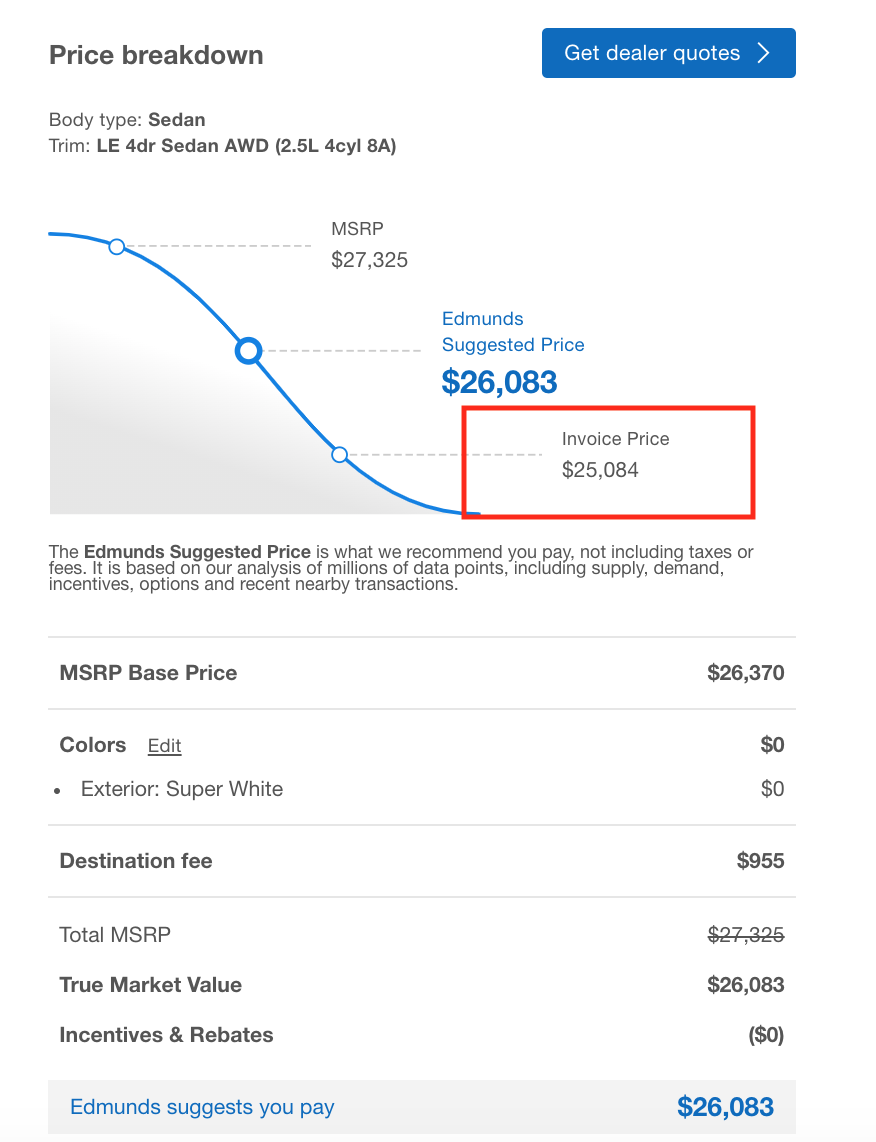
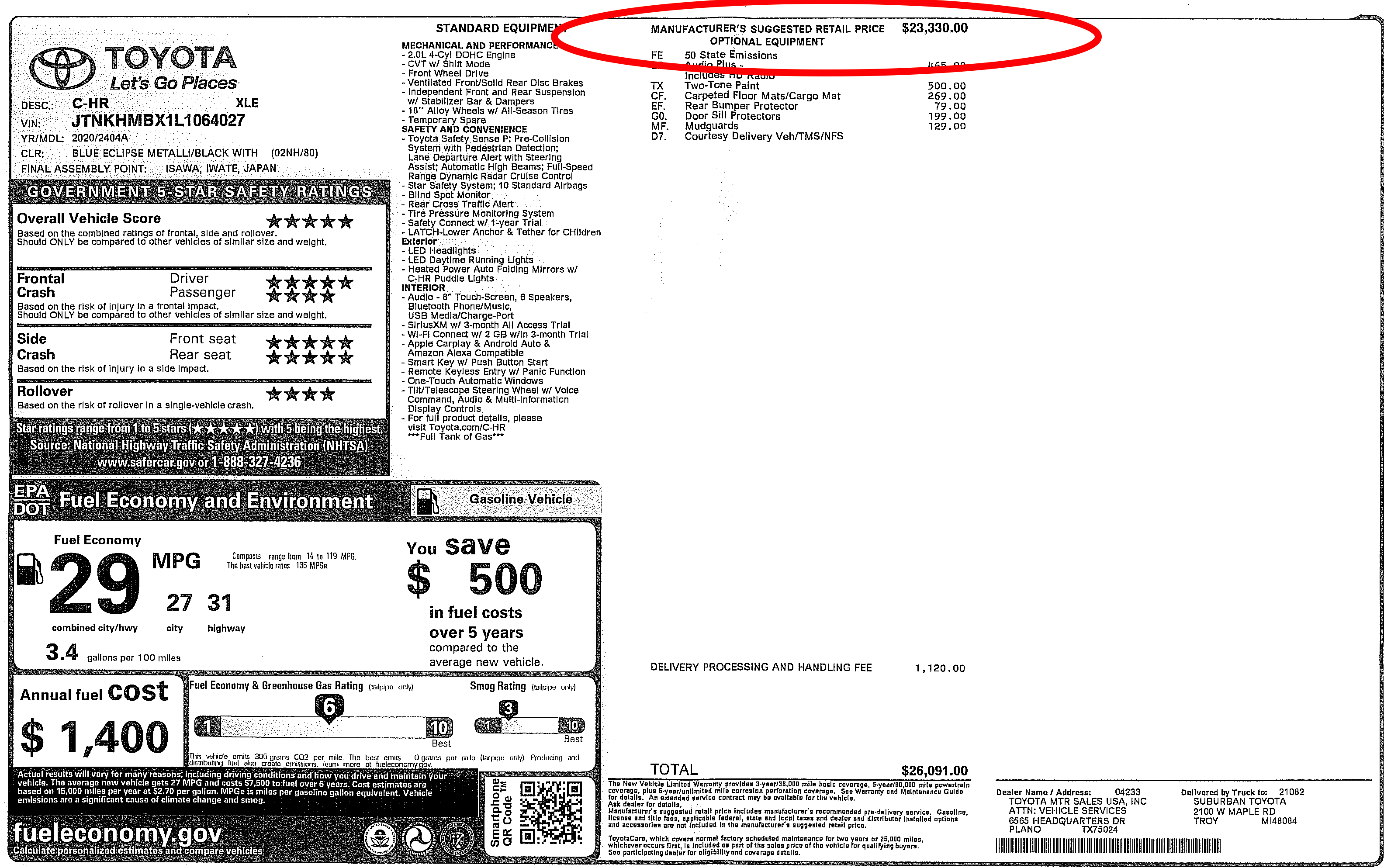
The invoice price, also sometimes referred to as the dealer cost, is essentially the price that the dealership pays the manufacturer for a particular vehicle. It’s crucial to understand that this is not the same as the MSRP (Manufacturer’s Suggested Retail Price), which is the price the manufacturer recommends the dealer sell the vehicle for to consumers. The MSRP typically includes a healthy markup for the dealer, allowing for negotiation and profit.
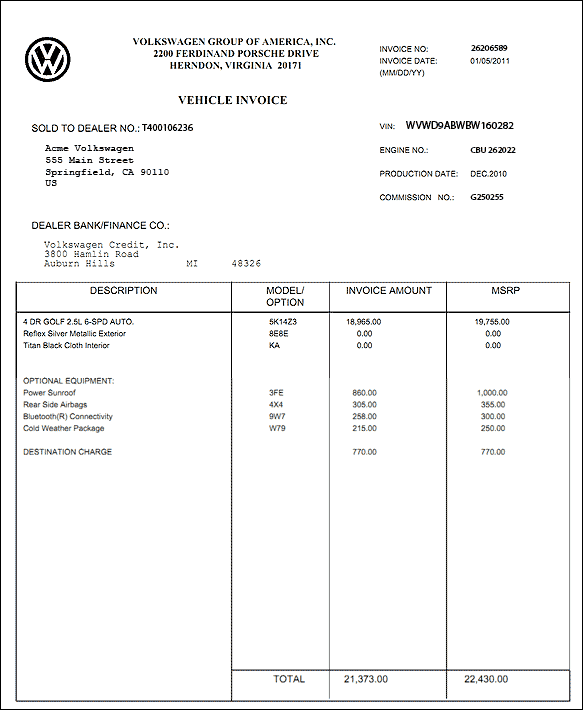
Think of the invoice price as the wholesale cost for the dealer. It will list the base price of the vehicle, the cost of any factory-installed options, and the destination charge (the cost of shipping the vehicle from the factory to the dealership). What it doesn’t usually account for are “holdbacks” and various manufacturer incentives, which can further reduce the dealer’s actual net cost.
Why Knowing the Invoice Price Matters for Buyers
Knowing the invoice price fundamentally shifts the power dynamic in your favor during negotiations. Without this information, you’re essentially negotiating blind, often relying solely on the dealer’s quoted price or the MSRP. Here’s why it’s a game-changer for your personal finance:
- Empowered Negotiation: With the invoice price in hand, you establish a realistic baseline. You know the minimum amount the dealer likely paid, allowing you to counter offers effectively and aim for a price that gives the dealer a reasonable profit while saving you money.
- Saving Money: The primary benefit is financial savings. By negotiating closer to the invoice price rather than the MSRP, you can cut hundreds or even thousands of dollars off the purchase price, directly impacting your overall vehicle budget.
- Informed Decision-Making: It provides transparency. You gain a clearer picture of the vehicle’s true value from the dealer’s perspective, enabling you to make a more informed and confident purchasing decision.
- Avoiding Overpaying: Many buyers, without this knowledge, might settle for a price that is still significantly above the invoice price, missing out on potential savings.
Dispelling Common Myths
It’s important to clarify a few misconceptions about the invoice price:
- It’s Not the Dealer’s Absolute Bottom Line: While it’s the price the dealer pays the manufacturer, various factors can further reduce the dealer’s actual cost. “Holdbacks” are a percentage of the MSRP or invoice price that the manufacturer refunds to the dealer quarterly or annually. Manufacturer-to-dealer incentives (e.g., volume bonuses, marketing support) also reduce the dealer’s net cost. This means dealers often make a profit even when selling a car at or slightly below invoice price.
- Not All Deals Are Equal: The sweet spot for negotiation often lies slightly above the invoice price, allowing the dealer a fair profit from the sale itself, plus any additional profit from holdbacks and incentives. In a highly competitive market or for less popular models, you might even negotiate below invoice.
Key Resources for Uncovering Invoice Price Information
The good news is that you don’t need a secret handshake or an insider contact to find the vehicle invoice price. Several reputable online platforms have made this information widely accessible to the public, transforming the car buying process.
Online Vehicle Pricing Guides
These websites are your primary tools for researching invoice prices. They aggregate vast amounts of data to provide estimated invoice prices, often breaking down the cost by base model and individual options.
- TrueCar: Known for showing what others in your area have paid for similar vehicles, TrueCar also provides excellent insights into invoice pricing.
- Edmunds: A long-standing authority in the automotive world, Edmunds offers detailed pricing guides that include MSRP, invoice price, and often estimates for “true market value” based on recent sales.
- Kelley Blue Book (KBB): While famous for trade-in and resale values, KBB also provides new car pricing, including breakdowns that can help you estimate the invoice price.
- Consumer Reports: For subscribers, Consumer Reports offers an in-depth car buying service that includes comprehensive pricing information, often considered highly reliable.
- NADA Guides (J.D. Power Valuation Services): While primarily known for used car values, NADA also offers new car pricing guides that provide detailed MSRP and invoice breakdowns.
When using these resources, be sure to input the exact make, model, trim level, and any specific options you’re considering. Minor variations can significantly affect the invoice price.
Manufacturer Websites
While less direct, some manufacturer websites can offer transparency. For instance, some allow you to “build and price” a vehicle, and while they won’t explicitly show the invoice price, the detailed breakdown of option costs can be a useful cross-reference against other sources. They are more useful for confirming MSRP and available options than for direct invoice data.
Dealership Websites and Local Advertising
These sources are generally less useful for finding the invoice price directly. Dealership websites prominently feature MSRP and often discounted “sale prices,” but rarely the invoice. Local advertising can give you a sense of market conditions and aggressive pricing on certain models, which might hint at how much wiggle room there is above invoice, but it won’t provide the invoice itself. Their primary value lies in identifying specific vehicles on lots and their advertised selling prices to compare against your research.
Automotive Forums and Communities
Online automotive forums dedicated to specific brands or models can be a goldmine of information. Enthusiasts and recent buyers often share their purchasing experiences, including the prices they negotiated and sometimes even the invoice prices they obtained. This peer-to-peer insight can offer real-world context and confirm the reliability of figures found on official pricing guides. However, always take forum information with a grain of salt and cross-reference it with official sources.
Step-by-Step Guide to Researching Invoice Price
With the resources identified, let’s outline a methodical approach to accurately determine the invoice price for your desired vehicle.
1. Identify Your Desired Vehicle and Configuration
Be specific. Don’t just pick a make and model. You need to know the exact year, model, trim level (e.g., “Honda CR-V EX-L”), and any specific factory-installed options or packages you want (e.g., navigation system, premium sound, specific wheel upgrades). Even paint color can sometimes have a different cost. The more precise you are, the more accurate your invoice price estimate will be.
2. Utilize Multiple Online Resources
Never rely on just one source. Visit at least two or three of the reputable pricing guides mentioned (Edmunds, TrueCar, KBB, Consumer Reports) and input your exact vehicle configuration into each. Compare the invoice prices they provide. Minor discrepancies are normal, as these are often estimates, but if you see a significant difference, investigate further. Cross-referencing helps confirm the accuracy of the data.
3. Account for Destination Charges and Regional Differences
The invoice price you find will typically include a “destination charge” or “freight charge,” which is the cost of shipping the car from the factory to the dealership. This charge is non-negotiable and is the same for every dealer selling that model. Ensure this is accounted for in your total invoice price calculation.
While the base invoice price is generally consistent nationwide, regional incentives or market demands might slightly influence what dealers are willing to accept. Be aware that some online tools might adjust for local market conditions.
4. Understand “Holdback” and Dealer Incentives
As mentioned, the invoice price isn’t the dealer’s true “floor.”
- Holdback: Typically 2-3% of the MSRP or invoice price, holdbacks are funds paid by the manufacturer to the dealer at specific intervals (e.g., quarterly). This money allows dealers to cover overheads and still profit even when selling at or near invoice.
- Dealer Incentives: Manufacturers often offer additional cash incentives directly to dealers to clear inventory, push specific models, or meet sales targets. These are distinct from consumer rebates and effectively reduce the dealer’s net cost.
While these figures are harder for consumers to pinpoint precisely, knowing they exist empowers you to negotiate more aggressively. A dealer selling below invoice might still be making a profit thanks to these hidden revenue streams.
5. Document Your Findings
Keep a clear record of the invoice prices you find from different sources. Print out screenshots or save PDFs of the pricing breakdowns. This documentation will serve as your evidence during negotiation and help you stay focused on your target price.
Leveraging Invoice Price in Your Vehicle Purchase Negotiation
Armed with your researched invoice price, you’re now in a powerful position to engage with dealerships. The goal is to secure a price that is fair for both you and the dealer, ensuring they make a reasonable profit while you maximize your savings.
Setting a Realistic Target Price
Your ideal target price should be slightly above the invoice price. A common strategy is to aim for 1-5% above invoice. This margin allows the dealer to make an immediate profit on the sale, incentivizing them to close the deal, while still providing significant savings compared to MSRP. For highly desirable models, you might target 3-5% above invoice. For less popular models or at the end of a model year, you could realistically aim for invoice price or even slightly below, especially if the dealer has substantial holdbacks or incentives.
Initiating Negotiations
When you contact a dealership (via email, phone, or in person), start by expressing interest in a specific vehicle and clearly state that you’ve done your research. You can mention that you’re aware of the invoice price and are looking for a competitive offer that reflects the market. Don’t be afraid to make an initial offer that is slightly above the invoice price you found. This sets the tone for a negotiation based on data, not emotion.
Focusing on the “Out-the-Door” Price
While the vehicle’s selling price is critical, always remember to negotiate the “out-the-door” price. This includes all costs: the negotiated vehicle price, sales tax, registration fees, documentation fees, and any other unavoidable charges. Dealers sometimes try to recoup a low selling price by inflating other fees. Insist on a comprehensive “out-the-door” quote to avoid surprises.
Separating Trade-in and Financing Discussions
For optimal financial benefit, keep the discussion about your new car’s price separate from your trade-in value and financing options. Negotiate the new car price first, agreeing on a final figure. Only then should you introduce your trade-in (if applicable) and discuss financing. This prevents the dealer from obscuring the true cost of each component. Secure independent financing pre-approval from your bank or credit union before visiting the dealership to have a strong alternative.
When to Walk Away
The ultimate leverage you have is your willingness to walk away. If a dealer is unwilling to meet your reasonable target price, or if you feel pressured or misled, be prepared to leave. There are numerous dealerships and often multiple vehicles that meet your criteria. Having alternatives empowers you and prevents you from making a rushed, financially detrimental decision.
Beyond the Invoice Price: Additional Financial Considerations
While knowing the invoice price is a powerful financial tool, it’s just one piece of the puzzle. A truly savvy car buyer considers the broader financial implications of vehicle ownership.
Understanding Dealer Markups and Add-ons
Dealerships often try to sell additional products and services. These can include extended warranties, paint protection, fabric protection, nitrogen-filled tires, anti-theft devices, and premium floor mats. Many of these are high-profit items for the dealer and can significantly inflate your total cost. Carefully evaluate each add-on’s value and necessity. Often, you can purchase equivalent or superior products aftermarket for less, or simply decline them.
The Role of Financing and Interest Rates
The interest rate on your car loan can add thousands of dollars to the total cost of your vehicle over its lifetime. Shop around for the best interest rates before you visit the dealership. Credit unions and banks often offer more competitive rates than dealership financing. A lower interest rate translates directly into lower monthly payments and less money spent overall, making it a crucial component of your personal finance strategy for a car purchase.
Sales Tax, Registration, and Other Fees
These government-mandated charges are generally non-negotiable but can vary by state and county. Factor them into your total budget.
- Sales Tax: A percentage of the vehicle’s purchase price.
- Registration Fees: Annual fees to register your vehicle with the state.
- License Plate Fees: Cost for your license plates.
- Documentation Fees (“Doc Fees”): Fees charged by the dealership for processing paperwork. These can vary wildly by state and dealership; some states cap them, others don’t. While technically negotiable in some cases, many dealers treat them as fixed.
Always ask for a detailed breakdown of all fees to avoid hidden costs.
Total Cost of Ownership
Finally, look beyond the purchase price to the total cost of ownership (TCO). This includes:
- Insurance: Premiums can vary significantly based on vehicle type, your driving record, and location.
- Fuel Costs: Consider the vehicle’s MPG and your typical driving habits.
- Maintenance and Repairs: Research reliability ratings and estimated annual maintenance costs for your chosen model.
- Depreciation: How much value the car will lose over time.
By considering all these financial factors alongside the invoice price, you ensure a holistic and responsible approach to your vehicle purchase, protecting your budget and making a truly informed decision. Finding the invoice price is the first, crucial step toward mastering the financial side of car buying, paving the way for significant savings and greater confidence in your investment.
aViewFromTheCave is a participant in the Amazon Services LLC Associates Program, an affiliate advertising program designed to provide a means for sites to earn advertising fees by advertising and linking to Amazon.com. Amazon, the Amazon logo, AmazonSupply, and the AmazonSupply logo are trademarks of Amazon.com, Inc. or its affiliates. As an Amazon Associate we earn affiliate commissions from qualifying purchases.