
The daily fluctuations of the stock market are more than just numbers on a screen; they are a real-time reflection of global events, corporate health, and the collective psychology of millions of investors. When we ask, “How did stocks do today?” we are looking for a narrative that explains why capital flowed into certain sectors and retreated from others. Understanding these movements requires a nuanced look at the macroeconomic environment, sector-specific performance, and the underlying technical indicators that drive price action.
Understanding the Primary Market Drivers
Every trading day is shaped by a unique combination of catalysts. While some days are driven by unexpected geopolitical news, most sessions are governed by a core set of economic pillars. To understand today’s market performance, one must look at the trio of inflation, central bank policy, and corporate profitability.
Macroeconomic Indicators and Inflation Data
The heartbeat of the current market is inflation. Investors closely monitor reports such as the Consumer Price Index (CPI) and the Producer Price Index (PPI). When these figures come in “hotter” than expected, it often triggers a sell-off in equities as investors anticipate higher costs for businesses and reduced purchasing power for consumers. Conversely, a cooling inflation trend can spark a massive rally, as it suggests the economy is stabilizing without the need for further restrictive measures. Today’s performance is often a direct reaction to whether data suggests a “soft landing” or a looming recession.
Federal Reserve Policy and Interest Rates
Perhaps no single entity influences the stock market more than the Federal Reserve. The “Fed” uses interest rates as a steering wheel for the economy. High interest rates make borrowing more expensive, which can stifle corporate growth and reduce the present value of future cash flows—particularly hitting the tech and growth sectors. In today’s market, every word from a Fed official is scrutinized for “hawkish” (favoring higher rates) or “dovish” (favoring lower rates) signals. A day characterized by sideways movement often indicates that investors are in a “wait and see” mode ahead of a Federal Open Market Committee (FOMC) meeting.
Corporate Earnings Reports
While macro data sets the stage, individual company earnings provide the script. During earnings season, the market’s direction is heavily dictated by the financial health of “Bellwether” companies. If a tech giant reports record-breaking revenue but issues “weak guidance” for the next quarter, its stock—and potentially the entire sector—may tumble. Today’s market results are often the cumulative result of whether corporate America is meeting, exceeding, or falling short of Wall Street’s high expectations.
Performance Across Key Sectors and Indices
The “market” is not a monolith. It is a collection of different indices and sectors that often move in diverging directions. A day where the Dow Jones Industrial Average is up while the Nasdaq is down tells a very specific story about investor preference.
The S&P 500 and the Broader Market
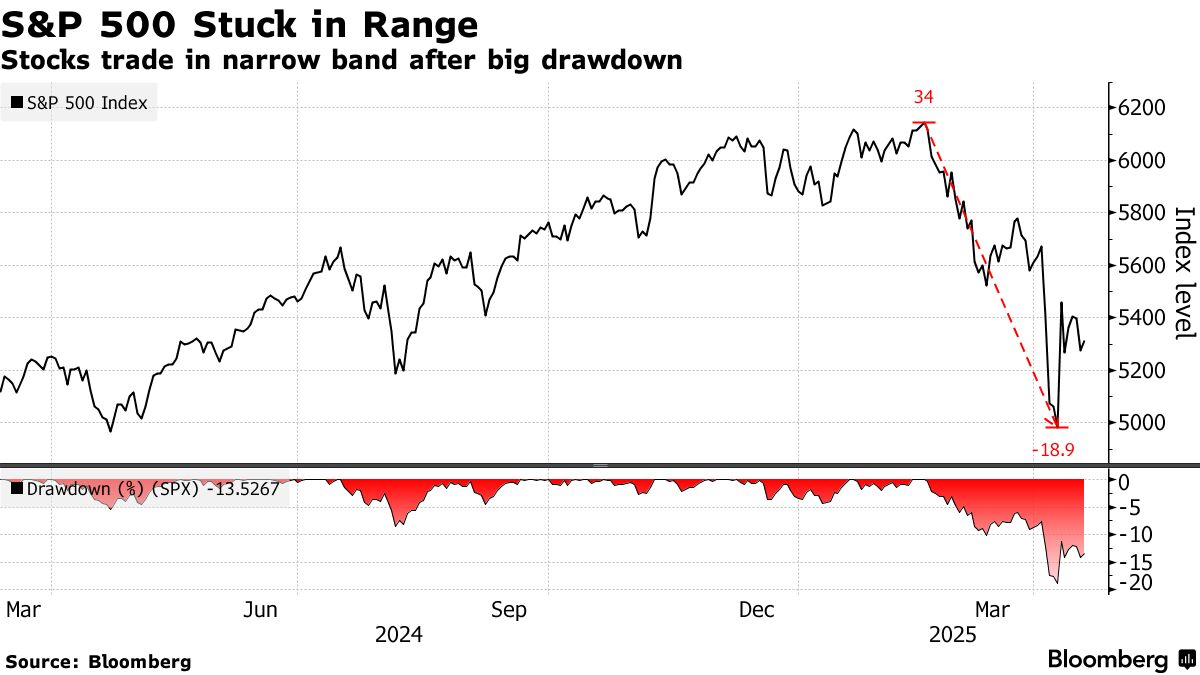
The S&P 500 is generally considered the best single gauge of large-cap U.S. equities. Because it is market-cap weighted, its performance today was likely dominated by the “Magnificent Seven” or other massive technology and healthcare firms. When the S&P 500 shows resilience, it indicates a broad confidence in the American corporate machine. However, analysts also look at the “equal-weighted” version of the index to see if the gains are widespread or merely propped up by a few tech titans.
Tech Heavyweights and the Nasdaq Composite
The Nasdaq is the home of innovation. On days characterized by “risk-on” sentiment, the Nasdaq typically outperforms. Investors flock to high-growth tech stocks when they believe interest rates will fall or when a new technological breakthrough—such as Generative AI—captures the public imagination. If the Nasdaq lagged today, it might suggest that investors are rotating out of expensive growth stocks and seeking safety in more traditional, dividend-paying companies.
Defensive vs. Cyclical Sectors
A fascinating aspect of today’s market action is the tug-of-war between defensive and cyclical sectors. Cyclical sectors, like Industrials, Financials, and Energy, thrive when the economy is expanding. Defensive sectors, such as Utilities, Consumer Staples, and Healthcare, tend to hold steady during downturns because people still need electricity and medicine regardless of the economy. Observing which of these sectors led the pack today provides a clear window into whether investors are feeling optimistic or fearful about the immediate future.
Interpreting Market Volatility and Sentiment
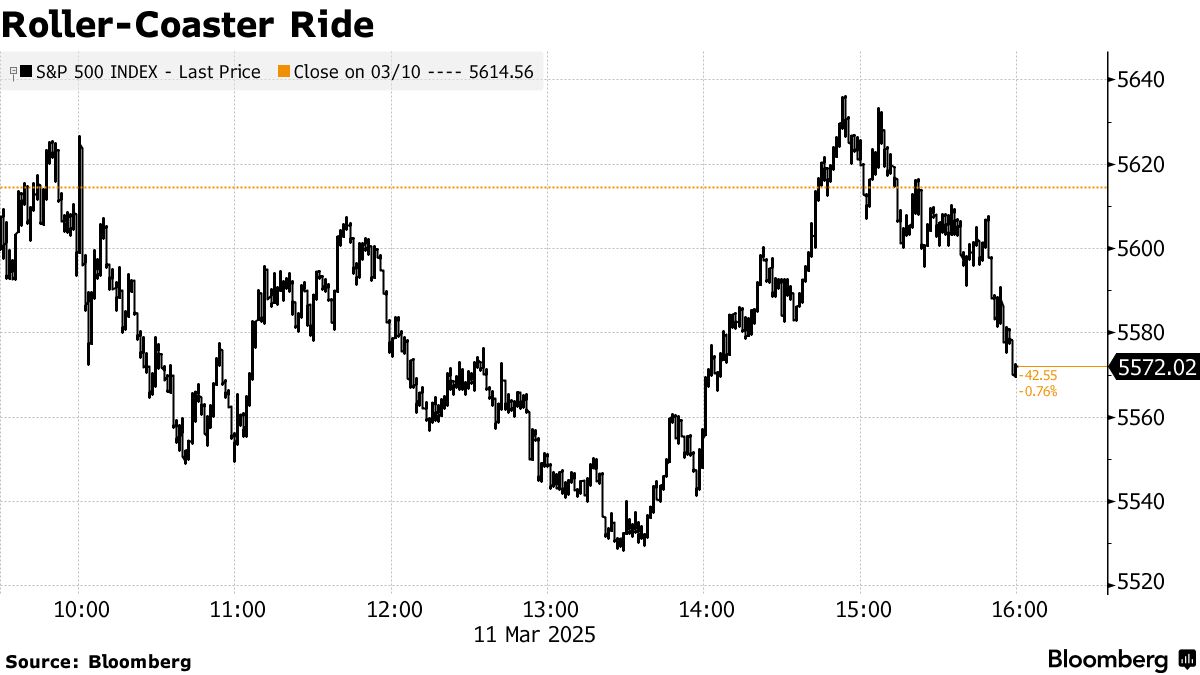
Stock prices are driven by fundamentals in the long run, but in the short term—specifically “today”—they are driven by emotion. Fear and greed are the twin engines of market volatility.
The Role of the VIX (The “Fear Gauge”)
The CBOE Volatility Index, or VIX, measures the market’s expectation of 30-day volatility. If you noticed a lot of “choppiness” in stock prices today, the VIX likely saw a spike. A rising VIX usually correlates with a falling market, as investors pay more for protective options to hedge their portfolios. When the VIX is low, it suggests a sense of complacency, which can sometimes be a contrarian indicator that the market is due for a pullback.
Retail Investor Behavior and Social Sentiment
In the modern era, the influence of the retail investor cannot be ignored. Platforms like Reddit, X (formerly Twitter), and various trading apps have democratized market access. This has led to “momentum” trades where stocks move not based on news, but based on social media trends. Today’s “most active” list often features companies that have captured the digital zeitgeist, showing that sentiment can occasionally override traditional valuation metrics for short periods.
Global Influences on Domestic Markets
We live in a hyper-connected global economy. A factory shutdown in Asia or a policy change in Europe can have an immediate impact on the New York Stock Exchange.
Geopolitical Events and Supply Chains
Geopolitical instability often leads to a “flight to quality.” If global tensions rose today, you likely saw investors pulling money out of stocks and moving it into “safe-haven” assets like Gold or U.S. Treasury bonds. Furthermore, any news affecting global supply chains—such as shipping disruptions—impacts the cost of goods, which is quickly priced into the stocks of retail and manufacturing companies.
International Exchange Rates and the Dollar
The strength of the U.S. Dollar (DXY) plays a massive role in how multinational corporations perform. A very strong dollar makes American goods more expensive abroad and reduces the value of international profits when converted back to USD. If stocks struggled today despite good domestic news, it could be due to a surging dollar putting pressure on the international giants that make up a large portion of the major indices.
Actionable Strategies for Navigating Daily Fluctuations
For the individual investor, “how stocks did today” should be viewed as a single data point in a much larger trend. Reacting impulsively to a single day’s gains or losses is often a recipe for financial underperformance.
Avoiding Emotional Trading
The greatest enemy of the investor is often the person in the mirror. Success in the market requires the discipline to look past the “noise” of a single trading session. Many investors fall into the trap of “panic selling” during a sharp daily drop or “FOMO buying” (Fear Of Missing Out) during a sudden rally. Professional wealth management emphasizes that the market “escalator” goes up over years, even if it hits “traps” over days.
The Importance of Diversification
If your portfolio felt particularly bruised today, it may be a sign of over-concentration. True diversification involves owning a mix of assets—stocks, bonds, real estate, and commodities—that do not all move in the same direction at the same time. By spreading risk across different sectors and geographies, you ensure that a bad day for “Tech” doesn’t necessarily mean a bad day for your entire financial future.
Long-Term Outlook vs. Short-Term Noise
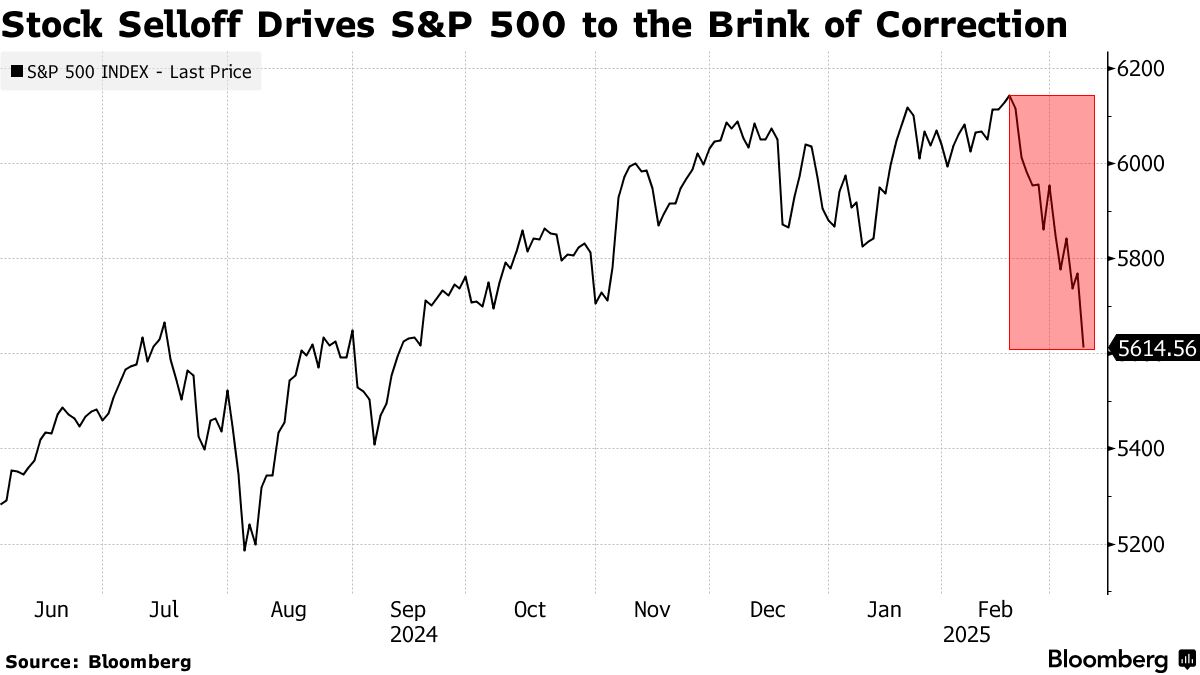
Ultimately, the answer to “how stocks did today” is usually less important than the answer to “how is my portfolio doing over the last five years?” The market has a historical upward bias, returning an average of 7-10% annually over long periods despite wars, recessions, and pandemics. While it is important to stay informed about daily market mechanics to understand the current economic climate, the most successful investors are those who use daily data to refine their knowledge, rather than to alter their long-term strategy. Today’s closing bell is merely the end of one chapter in a very long book.
aViewFromTheCave is a participant in the Amazon Services LLC Associates Program, an affiliate advertising program designed to provide a means for sites to earn advertising fees by advertising and linking to Amazon.com. Amazon, the Amazon logo, AmazonSupply, and the AmazonSupply logo are trademarks of Amazon.com, Inc. or its affiliates. As an Amazon Associate we earn affiliate commissions from qualifying purchases.