
Understanding the true market value of your vehicle is a critical skill for any financially savvy individual. Whether you’re planning to sell, trade-in, buy a used car, refinance an auto loan, or simply want to assess your personal net worth, having an accurate valuation can save you thousands of dollars and provide significant peace of mind. A car isn’t just a mode of transportation; for most, it represents a substantial financial asset, and like any investment, its value fluctuates. Ignoring these fluctuations or relying on gut feelings can lead to poor financial decisions. This comprehensive guide will delve into the intricacies of car valuation, arming you with the knowledge and tools to confidently determine your vehicle’s worth, ensuring you always make an informed financial move.
Why Understanding Your Car’s Value Matters Financially
In the realm of personal finance, assets are only as valuable as their current market worth. Your car is no exception. Its value impacts various financial touchpoints throughout its lifecycle, making accurate assessment indispensable.
For Selling or Trading In
When it’s time to part ways with your current vehicle, knowing its accurate value is paramount. If you’re selling privately, you want to set a competitive price that attracts buyers while maximizing your return. Overprice it, and it languishes on the market; underprice it, and you leave money on the table. For a trade-in, dealerships often try to offer the lowest possible amount. Armed with an independent valuation, you can confidently negotiate, understanding the difference between wholesale (dealer cost) and retail (what they’ll sell it for) values. This insight allows you to challenge lowball offers and secure a deal that reflects your car’s true worth, directly impacting the profitability of your next vehicle purchase.
For Buying a Used Car
The flip side of selling is buying. When you’re in the market for a used car, understanding how to value vehicles is equally crucial. It empowers you to discern a fair price from an inflated one, preventing you from overpaying. By comparing a prospective purchase against objective valuation standards, you can identify good deals, spot potential red flags indicating poor value, and negotiate effectively. This financial acumen ensures you’re making a smart investment rather than succumbing to aggressive sales tactics, ultimately safeguarding your personal budget.
For Insurance Purposes
Your car’s value directly influences your insurance policy and potential payouts. If your vehicle is stolen or declared a total loss after an accident, your insurance company will compensate you based on its actual cash value (ACV). If your policy’s declared value is too low, you risk being underinsured and receiving an insufficient payout to replace your vehicle. Conversely, if it’s too high, you might be paying excessive premiums. Regularly checking your car’s value allows you to adjust your coverage appropriately, ensuring you’re adequately protected without overspending, optimizing your long-term insurance costs.
For Loan Refinancing or Equity
For many, a car purchase involves financing, and its value plays a significant role in loan management. If interest rates have dropped, or your credit score has improved, you might consider refinancing your auto loan. Lenders assess your car’s current value to determine loan-to-value (LTV) ratios, which influence interest rates and eligibility. A strong car value can lead to better refinancing terms, saving you money over the life of the loan. Furthermore, if your car has significant equity (meaning its value exceeds what you owe), you might even be able to use that equity for other financial needs, although careful consideration of the long-term financial implications is always advised.
Key Factors Influencing Car Value
A car’s value is not static; it’s a dynamic figure influenced by a multitude of interconnected factors. Understanding these elements is essential for a comprehensive valuation.
Make, Model, and Year
These are the foundational elements of any valuation. Certain makes (e.g., Toyota, Honda) are renowned for their reliability and retain value better than others. Specific models within a brand also vary in popularity and depreciation rates. The vehicle’s year of manufacture is a direct indicator of its age and how far along it is on its depreciation curve, which typically sees the steepest drops in the first few years. Luxury brands or niche sports cars may have different depreciation patterns compared to mass-market sedans or SUVs.
Mileage
Mileage is perhaps the most significant indicator of wear and tear. A car with high mileage, even if relatively new, suggests more use and potential for future mechanical issues, thus reducing its value. Conversely, a low-mileage car, especially for its age, often commands a premium. While average annual mileage is around 12,000-15,000 miles, significant deviations from this average will impact valuation up or down.
Condition (Interior & Exterior)
The aesthetic and functional condition of a vehicle is a major determinant. This includes the exterior (paint, body panels, tires, rims) and the interior (upholstery, dashboard, electronics, smell). Dents, scratches, rust, torn seats, non-functional features, or a strong odor can significantly detract from value. Conversely, a meticulously maintained vehicle, both inside and out, that looks and feels newer than its age, will invariably fetch a higher price. Even minor cosmetic flaws can signal a lack of overall care to potential buyers or appraisers.
Vehicle History Report (VHR)
A clean vehicle history report, typically from services like CarFax or AutoCheck, is invaluable. It documents past accidents, reported damage, service records, title issues (salvage, flood, lemon), number of previous owners, and sometimes even recall information. A car with a history of major accidents, flood damage, or a salvage title will have a substantially lower value, regardless of its current appearance, due to perceived long-term reliability risks and difficulty in obtaining future insurance. Transparency here builds trust and affects financial outcomes.
Optional Features and Trim Level
Standard models generally have a base value, but additional features and higher trim levels can significantly boost a car’s worth. Premium audio systems, leather seats, sunroofs, navigation, advanced driver-assistance systems (ADAS), upgraded engines, or specialized wheel packages all contribute to a higher valuation. These features enhance desirability and perceived luxury or utility, allowing the vehicle to stand out in the market and command a higher price.
Location and Market Demand
Car values are not uniform across geographical regions. Factors like local climate (e.g., SUVs and AWD vehicles are more sought after in snowy regions), local economic conditions, fuel prices, and regional supply-and-demand dynamics can cause significant price variances. A specific model might be highly desirable in one state but less so in another. Monitoring local listings and understanding regional trends is crucial for accurate financial assessment.
Reliable Methods for Estimating Your Car’s Value
To accurately determine your car’s financial worth, you need to leverage a combination of established tools and real-world market research. Relying on just one source can provide an incomplete picture.

Online Valuation Tools (KBB, Edmunds, NADAguides)
These are the go-to resources for most consumers and industry professionals.
- Kelley Blue Book (KBB.com): Provides “Fair Market Range” values for private party, trade-in, and retail. It’s user-friendly, asking for details like mileage, condition, and optional features. KBB is widely recognized and often used as a starting point for negotiation.
- Edmunds (Edmunds.com): Offers “True Market Value” (TMV) prices, which are based on recent sales in your area. Edmunds provides detailed breakdowns and considers regional pricing variations more acutely. They also offer “Appraise Your Car” service, giving you an instant offer.
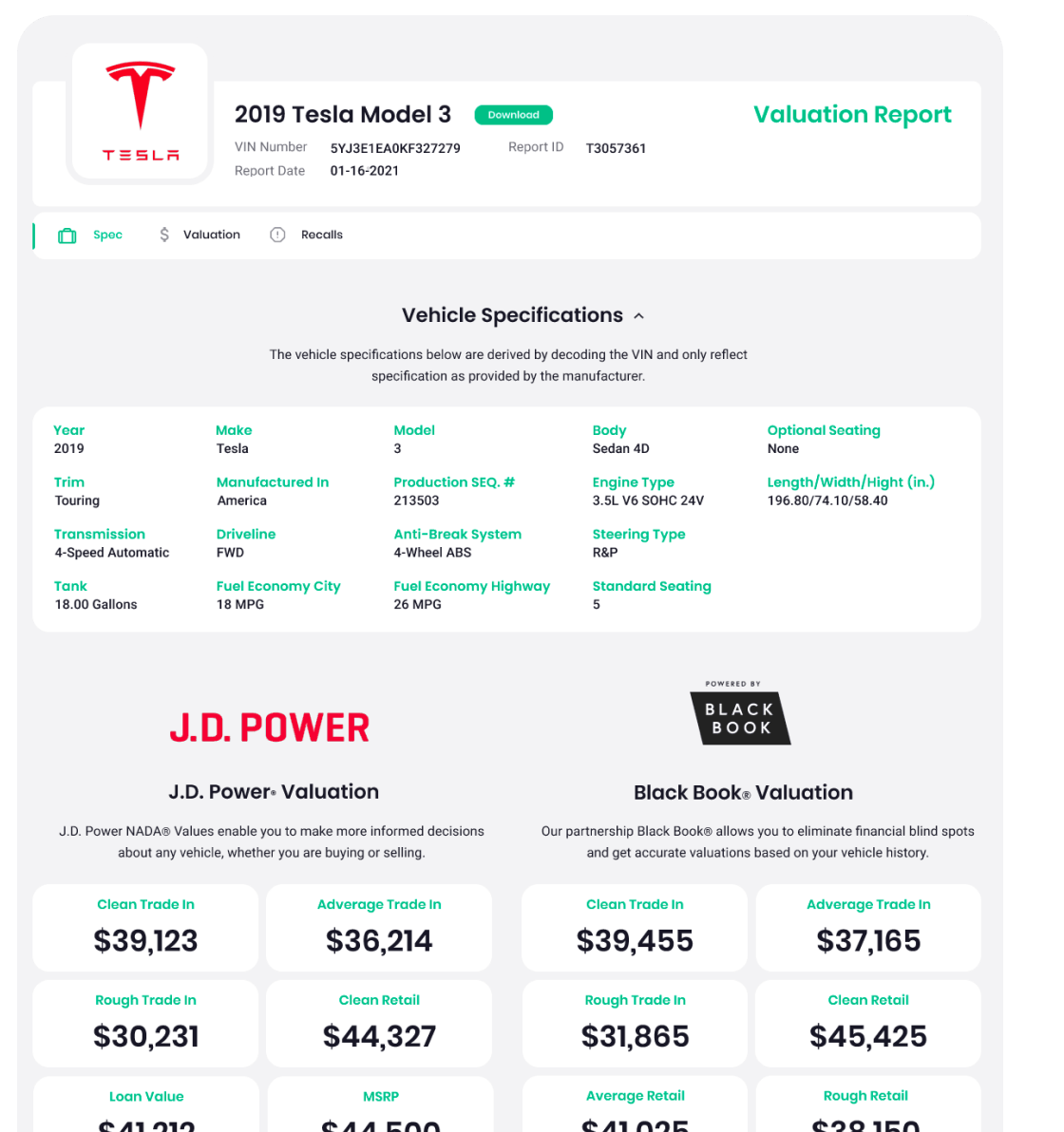
- NADAguides (NADA.com): Often used by financial institutions for lending and insurance purposes. NADA provides “Clean Trade-in,” “Average Trade-in,” and “Clean Retail” values. Their valuations can sometimes be slightly higher than KBB or Edmunds, making them useful for understanding a lender’s perspective.
When using these tools, be honest about your car’s condition. Inputs typically include make, model, year, trim, mileage, zip code, and detailed condition descriptions. Understand that these tools provide estimates; the final price will depend on specific circumstances.
Local Market Research (Dealerships & Private Listings)
While online tools offer excellent starting points, nothing beats real-time market data.
- Online Classifieds & Auction Sites: Websites like AutoTrader, CarGurus, Craigslist, and eBay Motors allow you to search for vehicles similar to yours currently for sale in your area. Pay close attention to cars with matching make, model, year, trim, and comparable mileage and condition. This gives you a realistic view of what buyers are willing to pay and what sellers are asking.
- Visiting Dealerships: Even if you’re not ready to sell, getting a few trade-in offers from different dealerships can provide valuable insight into the wholesale value of your vehicle. Be wary of offers that seem too good to be true, as they might be tied to an inflated price on a new vehicle.
Professional Appraisals
For unique, classic, modified, or high-value vehicles, or in situations like divorce settlements or estate planning, a professional appraisal might be necessary. Certified appraisers conduct a thorough inspection of your vehicle, considering its originality, rarity, restoration quality, and historical significance. While more expensive than online tools, these appraisals provide legally defensible documentation of value. They are particularly useful for vehicles whose value isn’t easily captured by standard algorithms.
Maximizing Your Car’s Value Before Valuation
Before you seek an appraisal or list your car for sale, a little strategic effort can significantly boost its perceived and actual financial value. Think of it as preparing an asset for optimal return.
Pre-Sale Preparations (Cleaning & Detailing)
First impressions are crucial. A clean car signals to a buyer or appraiser that it has been well-maintained. A professional detail, or a thorough DIY job, can include washing, waxing, vacuuming, shampooing carpets, cleaning upholstery, and dressing tires. Eliminating odors and ensuring a spotless interior can add hundreds, if not thousands, to your car’s value by enhancing its appeal and presenting it in the best possible light.
Addressing Minor Repairs and Maintenance
Fixing obvious, inexpensive issues can yield a high return on investment. This includes replacing worn wiper blades, fixing a cracked taillight cover, replacing burnt-out bulbs, topping off fluids, or repairing minor dents and scratches. While you shouldn’t invest in major engine overhauls just to sell, addressing small, visible flaws removes common negotiation points and demonstrates a commitment to maintenance. Ensure all dashboard warning lights are off, as these instantly deter buyers and signal underlying problems.
Gathering Service Records and Documentation
A comprehensive service history is concrete evidence of diligent maintenance. Compile all repair receipts, oil change records, tire rotations, and any other service documentation. This transparency builds trust with buyers and justifies a higher asking price. It shows that the vehicle has been cared for proactively, reducing buyer concerns about hidden mechanical issues and demonstrating the car’s reliability and longevity.
Understanding the “As-Is” vs. “Fixed Up” Trade-off
It’s important to perform a cost-benefit analysis. While minor repairs are often worthwhile, expensive repairs (e.g., transmission issues, major bodywork) might not generate an equivalent increase in sale price. In such cases, selling the car “as-is” for a lower price, or trading it in, might be the more financially prudent decision. Calculate the repair cost versus the potential increase in value and the effort involved to make an informed choice that optimizes your financial outcome.
Interpreting Valuation Reports and Making Informed Decisions
Receiving a car valuation isn’t the final step; it’s the beginning of a strategic financial process. Understanding the nuances of these reports and applying them to your specific situation is key to making truly informed decisions.
Understanding Different Price Points
Online valuation tools typically provide several price points:
- Trade-in Value: This is the lowest value, representing what a dealership would likely offer you for your car, which they will then recondition and resell at a higher retail price. This figure accounts for their overhead, profit margin, and reconditioning costs.
- Private Party Value: This is the estimated price you can expect to receive if you sell the car directly to an individual buyer. It’s generally higher than the trade-in value but lower than retail, as it eliminates the dealer’s markup.
- Dealer Retail Value: This is the highest value, representing what you would typically pay if you bought a similar car from a dealership. It includes the dealer’s profit, reconditioning costs, warranty, and sales overhead.
For your financial decision, understand which price point is most relevant. If you’re trading in, focus on the trade-in value. If selling privately, aim for the private party value. If buying, you’ll be looking at the dealer retail or private party values.
Adjusting for Specifics
Valuation tools provide averages. Your car might have unique features or conditions that deviate from these averages. Perhaps your car has extremely rare options, an aftermarket performance upgrade from a reputable brand, or an impeccable service history from a certified mechanic for every single service. Conversely, minor undisclosed damage, a unique color that’s hard to sell, or regional unpopularity could lower its effective value. Use the standard valuations as a baseline, then adjust your expectations based on these specific, tangible characteristics of your vehicle.
Negotiation Strategies
Armed with comprehensive valuation data, you gain significant leverage in negotiations.
- For Selling: Set your asking price slightly above the private party value, allowing room for negotiation. Be prepared to justify your price with documentation (service records, VHR) and highlight your car’s strengths. Know your absolute minimum acceptable price and be prepared to walk away if an offer is too low.
- For Buying: Use valuation data to challenge inflated asking prices. If a dealer or private seller is asking significantly above market value, politely present your research and negotiate down. Highlight any discrepancies between their asking price and the car’s condition or history.
- For Trade-in: Don’t discuss your trade-in until you’ve settled on the price of the new vehicle. Dealers often inflate the trade-in offer by simultaneously inflating the new car’s price. Get independent quotes for your trade-in beforehand and use them to ensure you’re getting a fair deal.
Long-Term Financial Planning
Understanding your car’s value isn’t just about the immediate transaction; it’s about strategic long-term financial planning. By regularly monitoring its value, you can better anticipate depreciation, plan for future replacement costs, and assess the overall health of your personal balance sheet. This proactive approach helps you make informed decisions about when to sell, when to buy, and how to manage your automotive assets most efficiently, integrating your car’s financial lifecycle into your broader wealth management strategy.
In conclusion, the ability to accurately check your car’s value is a fundamental skill in personal finance. It transforms a potentially confusing transaction into a strategic financial decision, ensuring you protect your assets and optimize your expenditures. By leveraging reliable tools, understanding key influencing factors, and preparing your vehicle effectively, you empower yourself to navigate the automotive market with confidence, always securing the best possible financial outcome.
aViewFromTheCave is a participant in the Amazon Services LLC Associates Program, an affiliate advertising program designed to provide a means for sites to earn advertising fees by advertising and linking to Amazon.com. Amazon, the Amazon logo, AmazonSupply, and the AmazonSupply logo are trademarks of Amazon.com, Inc. or its affiliates. As an Amazon Associate we earn affiliate commissions from qualifying purchases.