
Budgeting is more than just a financial chore; it’s the strategic cornerstone of personal financial well-being, a powerful tool that transforms vague aspirations into tangible realities. In an economic landscape often characterized by unpredictability, understanding and implementing an effective budgeting strategy isn’t merely advisable—it’s essential. It provides clarity, control, and confidence, allowing individuals to make informed decisions about their money rather than letting their money make decisions for them. Far from being a restrictive exercise, a well-crafted budget acts as a roadmap, guiding you towards your financial goals, whether they involve paying off debt, saving for a down payment, funding a comfortable retirement, or simply achieving peace of mind regarding your monthly expenses.
This comprehensive guide will demystify the budgeting process, breaking it down into actionable steps and explore various methodologies to help you find an approach that aligns with your lifestyle and financial objectives. We’ll delve into the foundational pillars, popular strategies, practical implementation tips, and offer insights on overcoming common hurdles, ensuring that you’re equipped not just to create a budget, but to master it and make it a sustainable part of your financial life. Embracing a budget is an investment in your future, providing the clarity and discipline needed to navigate your financial journey successfully.
The Foundational Pillars of Effective Budgeting
Before diving into specific budgeting methods, it’s crucial to establish a robust foundation. Just as a building requires strong groundwork, your budget needs clear objectives and a comprehensive understanding of your financial landscape to stand the test of time.
Defining Your Financial Goals
The first and most critical step in budgeting is to clearly articulate what you want your money to achieve. Without specific goals, a budget lacks direction and motivation. Financial goals typically fall into three categories:
- Short-term goals (0-1 year): These might include building an emergency fund, paying off a small credit card balance, saving for a vacation, or buying a new gadget.
- Medium-term goals (1-5 years): Examples include saving for a down payment on a car or house, funding a significant home renovation, paying off student loans, or starting an investment portfolio.
- Long-term goals (5+ years): Retirement planning, children’s education funds, significant investments, or establishing a legacy are common long-term objectives.
For each goal, make it SMART: Specific, Measurable, Achievable, Relevant, and Time-bound. For instance, instead of “save money,” aim for “save $10,000 for a down payment on a house within three years.” Your budget will then serve as the strategic plan to allocate funds towards these defined objectives.
Understanding Your Income and Expenses
Once your goals are set, the next pillar involves gaining a complete and honest picture of your current financial situation. This means meticulously tracking where your money comes from and, more importantly, where it goes.
- Income: Calculate your net income (take-home pay) from all sources after taxes and deductions. If you have multiple income streams (salary, freelancing, side hustles), ensure you account for all of them accurately.
- Expenses: This is often the more challenging part. Categorize your expenses into:
- Fixed Expenses: These are regular payments that typically don’t change much from month to month (e.g., rent/mortgage, loan payments, insurance premiums, subscriptions).
- Variable Expenses: These fluctuate based on your choices and usage (e.g., groceries, utilities, transportation, entertainment, dining out).
- Discretionary Expenses: These are “wants” rather than “needs” and offer the most flexibility for cuts (e.g., designer clothes, premium streaming services, frequent restaurant meals).
Tracking expenses for at least one to three months is crucial to get an accurate baseline. You can use budgeting apps, spreadsheets, or simply a pen and paper. The goal is to identify patterns, pinpoint areas of overspending, and differentiate between essential needs and discretionary wants. This awareness is the bedrock upon which any effective budget is built.
Choosing the Right Budgeting Method
There’s no one-size-fits-all budgeting solution. The “best” method is the one you’ll actually stick to. Your choice should align with your personality, financial complexity, and level of detail you’re comfortable with. Some people thrive on meticulous tracking, while others prefer a broader approach. Experimentation might be necessary to find your perfect fit. The important thing is to select a method and commit to giving it a fair trial.
Popular Budgeting Methodologies Explained
With your financial foundation in place, it’s time to explore some of the most widely adopted budgeting methods. Each offers a distinct approach to managing your money, catering to different preferences and financial situations.
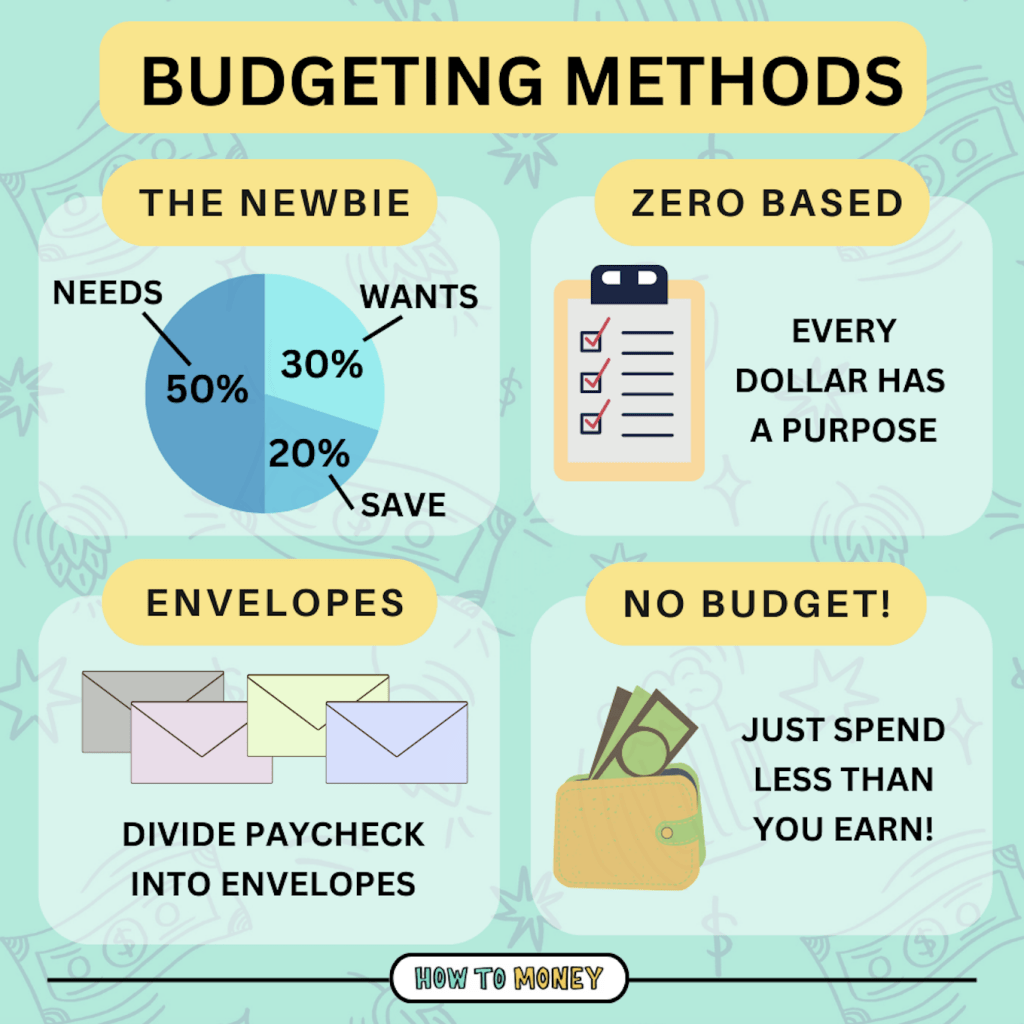
The 50/30/20 Rule: A Balanced Approach
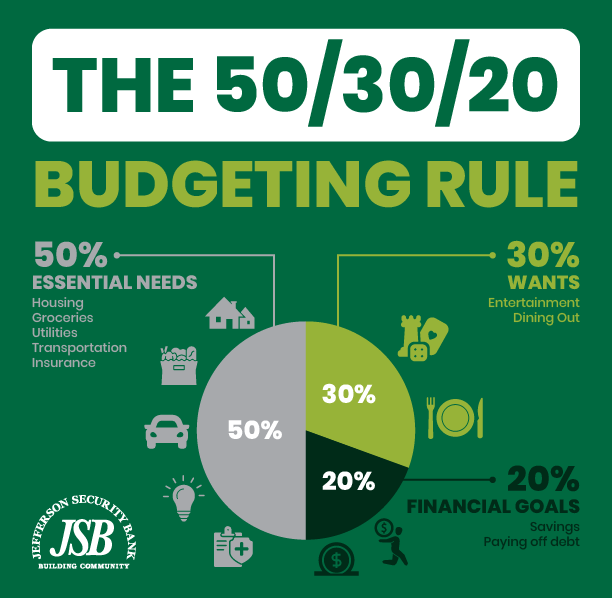
Developed by Senator Elizabeth Warren and her daughter Amelia Warren Tyagi, the 50/30/20 rule is a simple yet powerful framework. It suggests allocating your after-tax income as follows:
- 50% to Needs: This covers essential living expenses like housing, utilities, groceries, transportation, insurance, and minimum loan payments.
- 30% to Wants: This category includes discretionary spending that improves your quality of life but isn’t strictly necessary, such as dining out, entertainment, hobbies, vacations, and shopping for non-essentials.
- 20% to Savings & Debt Repayment: This portion is dedicated to building wealth and reducing debt, including contributions to an emergency fund, retirement accounts, investments, and any debt payments above the minimum.
Pros: Simplicity, flexibility, easy to understand and implement.
Cons: May not be suitable for those with high debt or low income, as 50% for needs might be insufficient or 20% for savings might be overly ambitious.
Zero-Based Budgeting: Giving Every Dollar a Job
Zero-based budgeting (ZBB) is an intense but highly effective method where you assign every single dollar of your income a specific “job” before the month begins. This means your income minus your expenses should equal zero. Every dollar is allocated to a bill, saving goal, or discretionary spending category.
Pros: Provides maximum control over your money, highlights overspending, highly effective for debt reduction and aggressive savings, minimizes financial waste.
Cons: Requires significant time and discipline, can feel restrictive, demands meticulous tracking.
Envelope System: A Tangible Cash Control
Popularized by financial guru Dave Ramsey, the envelope system is a cash-based budgeting method best suited for variable expenses. After allocating funds for fixed bills (which are usually paid electronically), you withdraw cash for your variable expense categories (e.g., groceries, entertainment, personal care) and place them into separate physical envelopes. When an envelope is empty, you stop spending in that category until the next budgeting period.
Pros: Excellent for visual learners and those prone to overspending with cards, eliminates debt, creates a tangible connection to money.
Cons: Not practical for all expenses (e.g., online shopping), requires frequent trips to the bank, carrying large amounts of cash can be risky.
Pay Yourself First: Prioritizing Savings and Investments
While not a complete budgeting system on its own, “Pay Yourself First” is a powerful principle that can be integrated into any budgeting method. The core idea is to prioritize saving and investing by automatically transferring a set amount from your paycheck directly into your savings or investment accounts before you pay any bills or spend on discretionary items.
Pros: Ensures consistent savings, builds wealth automatically, removes the temptation to spend savings, aligns with long-term financial goals.
Cons: Requires discipline to not touch the automated savings, may be challenging for those with very tight budgets.
Practical Steps to Implement and Maintain Your Budget
Creating a budget is the first step; consistently adhering to and maintaining it is where true financial transformation occurs. This requires practical application and a willingness to adapt.
Tracking Your Spending Diligently
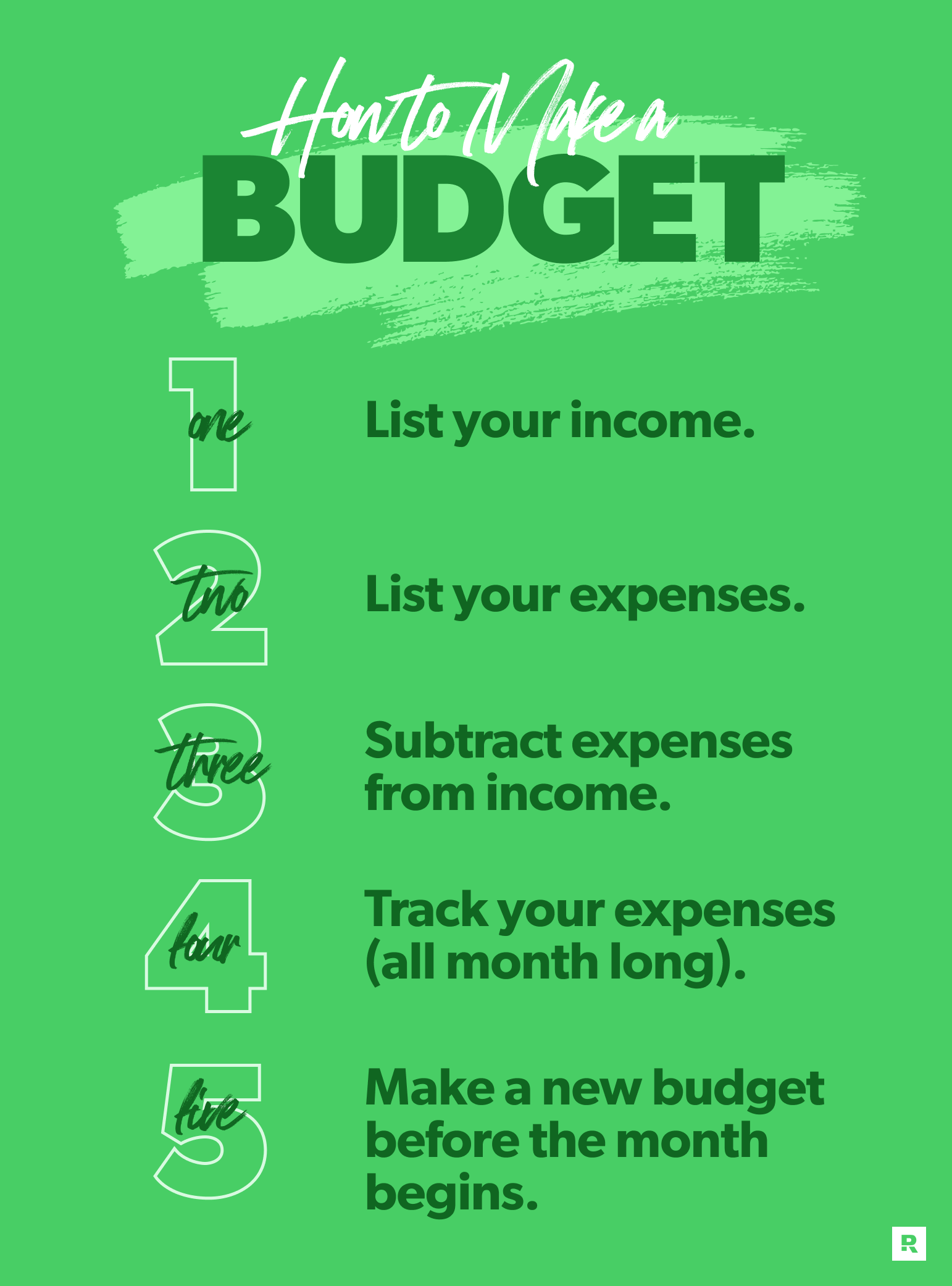
Regardless of the method you choose, consistent expense tracking is non-negotiable. This is how you measure your progress and identify areas for adjustment.
- Manual Tracking: A simple notebook and pen, or a spreadsheet, can work wonders for those who prefer a hands-on approach. Categorize each expense as it occurs.
- Budgeting Apps/Software: Tools like Mint, YNAB (You Need A Budget), Personal Capital, or Simplifi link to your bank accounts and credit cards, automatically categorizing transactions and providing real-time insights. They offer convenience and detailed reports.
- Bank/Credit Card Statements: Periodically reviewing your statements can help catch missed expenses or identify spending patterns.
The key is to find a system that is easy for you to use regularly, ensuring you capture all financial outflows accurately.
Regular Review and Adjustment
A budget is a living document, not a static one. Your life and financial situation will inevitably change, and your budget must evolve with it.
- Monthly Check-ins: At the end of each month, review your budget. Did you stick to your categories? Where did you overspend, and why? Where did you underspend?
- Quarterly/Annual Adjustments: Major life events (new job, promotion, marriage, birth of a child, unexpected expenses) necessitate a more significant budget overhaul. Even without major changes, inflation or shifting priorities might require adjustments to your allocations.
- Be Flexible, Not Rigid: If you consistently overspend in one category and underspend in another, consider reallocating funds. The goal is progress, not perfection.
Automating Savings and Bill Payments
Automation is your best friend in budgeting. It reduces the mental effort required, minimizes human error, and ensures consistency.
- Automated Savings Transfers: Set up recurring transfers from your checking account to your savings, investment, and emergency fund accounts immediately after your paycheck hits. This embodies the “Pay Yourself First” principle.
- Automatic Bill Pay: Schedule automatic payments for all your fixed expenses (rent, utilities, loans, subscriptions). This ensures you never miss a due date, avoiding late fees and protecting your credit score.
Automation creates a robust financial system that works for you, even when you’re busy or simply forget.
Building an Emergency Fund
One of the most critical components of financial stability is an adequately funded emergency fund. This is a separate savings account specifically for unexpected expenses like job loss, medical emergencies, or major home/car repairs.
- Target Amount: Aim for at least 3-6 months’ worth of essential living expenses. Some financial experts recommend up to 12 months, especially for those with unstable incomes.
- Dedicated Account: Keep your emergency fund in a separate, easily accessible, high-yield savings account, distinct from your everyday checking or other savings. This prevents accidental spending and allows your money to earn a bit more.
An emergency fund provides a crucial safety net, preventing you from going into debt when life throws you a curveball, thereby protecting your budget from derailment.
Overcoming Budgeting Challenges and Staying Motivated
The path to financial mastery through budgeting is rarely a straight line. You’ll encounter obstacles, experience setbacks, and may even feel discouraged. Learning to navigate these challenges is key to long-term success.
Dealing with Unexpected Expenses
Even with a meticulous budget and an emergency fund, unexpected expenses can arise. A car repair that exceeds your emergency buffer, or a sudden, non-insurable event, can feel devastating.
- Budget for “Miscellaneous”: Create a small buffer category in your monthly budget for minor unexpected costs.
- Prioritize and Adjust: If a major unexpected expense hits, assess your budget. Can you temporarily cut discretionary spending? Pause savings contributions for a month or two?
- Avoid Panic Borrowing: Resist the urge to immediately turn to high-interest credit cards or personal loans. Exhaust other options first, including negotiating payment plans or seeking temporary assistance.
The flexibility you build into your budget and the cushion of your emergency fund are your primary defenses against financial shocks.
Avoiding Budget Burnout
Budgeting can sometimes feel restrictive and tedious, leading to “budget burnout.” This often happens when a budget is too tight, unrealistic, or overly complicated.
- Start Simple: Don’t try to perfect your budget on day one. Begin with broad categories and refine them over time.
- Allow for Fun Money: Depriving yourself entirely can lead to resentment and eventual abandonment of your budget. Incorporate a reasonable amount of discretionary “fun money” into your plan.
- Focus on Progress, Not Perfection: There will be months where you don’t stick perfectly to the plan. Learn from it, adjust, and move forward without guilt.
- Automate Where Possible: The less mental effort required, the less likely you are to burn out.
Remember, a sustainable budget is one that you can live with comfortably, not one that makes you miserable.
Celebrating Small Wins and Milestones
Motivation is a powerful driver. Acknowledge and celebrate your achievements along your budgeting journey.
- Reached your first emergency fund goal? Treat yourself to a small, pre-budgeted reward.
- Paid off a credit card? Use the freed-up payment money to accelerate another goal or celebrate modestly.
- Stuck to your budget for three consecutive months? Pat yourself on the back!
These small celebrations reinforce positive habits and keep you engaged and motivated to continue your financial discipline.
Seeking Professional Guidance When Needed
While this guide provides a solid framework, some financial situations are more complex and can benefit from expert advice.
- Financial Advisors: If you’re dealing with significant debt, complex investments, retirement planning, estate planning, or simply feel overwhelmed, a certified financial planner can offer personalized strategies and objective guidance.
- Credit Counselors: For severe debt issues, non-profit credit counseling agencies can help you create debt management plans and negotiate with creditors.
Don’t hesitate to seek professional help. It can provide clarity, specialized knowledge, and a tailored approach to your unique financial challenges.
Budgeting is a journey, not a destination. It’s an ongoing process of learning, adjusting, and adapting to life’s changes. By embracing its foundational principles, exploring suitable methodologies, implementing practical steps, and wisely navigating challenges, you empower yourself to take full control of your financial destiny. The question “How do you budget?” is less about finding a single, immutable answer, and more about discovering a dynamic, personalized system that supports your aspirations and brings you lasting financial freedom and peace of mind. Start today, stay consistent, and watch your financial future transform.
aViewFromTheCave is a participant in the Amazon Services LLC Associates Program, an affiliate advertising program designed to provide a means for sites to earn advertising fees by advertising and linking to Amazon.com. Amazon, the Amazon logo, AmazonSupply, and the AmazonSupply logo are trademarks of Amazon.com, Inc. or its affiliates. As an Amazon Associate we earn affiliate commissions from qualifying purchases.