
In an increasingly complex financial world, the ability to effectively manage one’s money stands as a cornerstone of personal well-being and future prosperity. For many, the concept of a budget plan might conjure images of restrictive limitations or tedious spreadsheets. However, a well-crafted budget is, in reality, a powerful tool for financial empowerment—a roadmap that guides your spending, saving, and investing decisions towards your most cherished goals. It’s not about denying yourself, but about making conscious choices that align with your values and aspirations, allowing you to live within your means while actively building wealth.
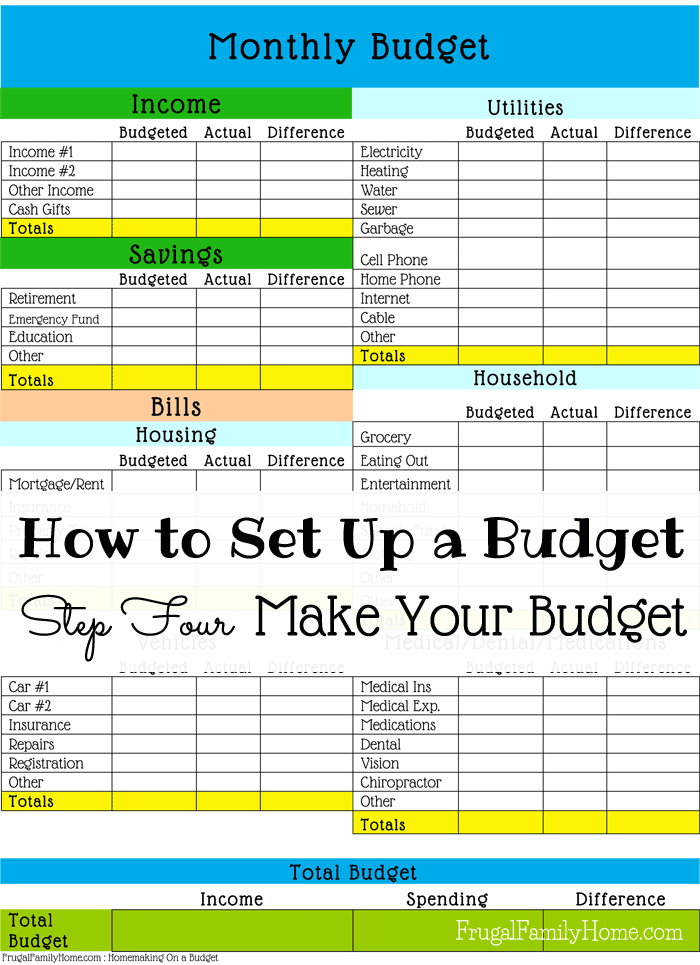
Without a clear budget, individuals often find themselves adrift, making impulsive financial decisions, accumulating debt, and perpetually wondering where their money goes. The absence of a plan can lead to significant stress, missed opportunities, and a constant feeling of being financially behind. Conversely, implementing a thoughtful budget plan provides clarity, reduces anxiety, and cultivates a sense of control over one’s financial destiny. It enables you to identify spending leaks, allocate resources strategically, and accelerate progress towards objectives ranging from building an emergency fund to saving for a down payment, funding a child’s education, or securing a comfortable retirement. This article will demystify the budgeting process, providing a comprehensive, step-by-step guide to creating a budget plan that is not only effective but also sustainable and tailored to your unique financial situation.
Understanding Your Current Financial Landscape
Before you can chart a course for your financial future, you must first accurately assess your starting point. This foundational step involves gaining a crystal-clear picture of your current income and expenditure. It’s akin to taking inventory before stocking a store—you need to know what’s coming in, what’s going out, and where it’s all flowing. This phase requires honesty and a meticulous approach, as any inaccuracies here will compromise the entire budget plan.
Tracking Income Sources
Begin by listing all sources of income that you regularly receive. This includes your primary salary or wages, but also extends to any secondary income streams such as freelance work, rental income, alimony, child support, social security benefits, or passive income from investments. For salaried individuals, it’s often easiest to use your net income—the amount that actually hits your bank account after taxes, health insurance premiums, and retirement contributions are deducted. If your income varies significantly from month to month due to commissions, bonuses, or erratic freelance work, it’s prudent to calculate an average monthly income over the past 3-6 months, or to budget based on your lowest expected income to ensure a conservative and resilient plan. Transparency regarding your total monthly income is the first pillar of a robust budget.
Identifying Fixed vs. Variable Expenses
Next, categorize your expenditures into two main types: fixed and variable. Fixed expenses are those that generally remain the same each month and are typically non-negotiable. Examples include rent or mortgage payments, car loan payments, insurance premiums, loan repayments, and subscription services. These are the predictable costs that form the bedrock of your monthly outgoings.
Variable expenses, on the other hand, fluctuate month-to-month and offer more flexibility for adjustment. This category includes groceries, utilities (which can vary seasonally), transportation costs (gas, public transport fares), dining out, entertainment, clothing, and personal care. Understanding the distinction between these two types of expenses is crucial because it highlights where you have the most leverage to make cuts or adjustments when necessary. Fixed expenses are harder to change in the short term, while variable expenses are often the primary target for savings initiatives.
Analyzing Spending Habits
This is perhaps the most revealing and often surprising part of the initial assessment. To truly understand where your money is going, you need to track every dollar spent for at least one to two months. This can be done manually using a notebook, via a spreadsheet, or by utilizing digital budgeting apps that link to your bank accounts and credit cards. The goal is to capture a detailed snapshot of your actual spending, not just what you think you spend.
Many people are astonished to discover how much they spend on seemingly small, everyday purchases like daily coffees, impulse buys, or frequent takeout meals. This “death by a thousand cuts” phenomenon can significantly impact your financial health. By meticulously tracking your spending, you can identify patterns, pinpoint areas of overspending, and gain insights into your financial behavior. This data will form the empirical basis for making informed decisions about where to allocate your financial resources more effectively and where potential savings opportunities lie.
Setting Realistic Financial Goals
With a clear picture of your income and expenses, the next critical step is to define what you want your money to achieve. A budget without goals is like a ship without a destination—it simply drifts. Financial goals provide the motivation and direction necessary to stick to your plan, transforming a mundane task into a purposeful journey. These goals should be SMART: Specific, Measurable, Achievable, Relevant, and Time-bound.
Short-Term Objectives
Short-term goals typically have a time horizon of less than one year. These are often the first targets for anyone building a budget. A paramount short-term objective for most individuals should be establishing an emergency fund. This fund, ideally covering 3-6 months of essential living expenses, acts as a financial safety net, protecting you from unexpected life events such as job loss, medical emergencies, or car repairs without having to resort to high-interest debt. Other common short-term goals include paying off high-interest credit card debt, saving for a vacation, purchasing a new gadget, or making a significant down payment on a car. Breaking down larger goals into smaller, manageable short-term objectives makes them feel less daunting and provides regular victories that fuel motivation.
Long-Term Aspirations
Long-term goals typically extend beyond five years, often encompassing major life milestones that require substantial financial planning and consistent saving. These might include saving for a down payment on a home, funding a child’s college education, planning for a comfortable retirement, or starting a business. These aspirations often require years, if not decades, of dedicated financial discipline. While they may seem distant, starting early and contributing consistently, even small amounts, can leverage the power of compound interest, making these goals far more achievable than they initially appear. A well-structured budget will allocate a portion of your income specifically towards these long-term visions, ensuring they don’t remain mere dreams.
Prioritizing Your Goals
It’s common to have multiple financial goals simultaneously, from the immediate need for an emergency fund to the distant dream of retirement. Prioritizing these goals is essential, especially when your financial resources are limited. A common approach is to rank them based on urgency, impact, and personal importance. For instance, paying off high-interest debt often takes precedence due to the costly interest accrual, followed closely by establishing an emergency fund to create financial stability. Once these foundational elements are in place, you can then focus more heavily on wealth-building goals like retirement and investment. Regularly reviewing and adjusting your goal priorities as your life circumstances change is also a crucial aspect of dynamic financial planning.
Choosing the Right Budgeting Method
There isn’t a one-size-fits-all approach to budgeting. What works for one person might not resonate with another’s financial habits or lifestyle. The key is to find a method that you understand, find easy to maintain, and that genuinely helps you manage your money effectively. Experimentation might be necessary to discover the best fit for you.
The 50/30/20 Rule
One of the most popular and straightforward budgeting methods is the 50/30/20 rule. This approach suggests allocating your after-tax income as follows:
- 50% for Needs: This category covers essential expenses such as housing (rent/mortgage), utilities, groceries, transportation, insurance, and minimum loan payments. These are the non-negotiable costs required for living.
- 30% for Wants: This portion is dedicated to discretionary spending—things that improve your quality of life but aren’t strictly necessary. This includes dining out, entertainment, hobbies, vacations, shopping, and subscription services beyond basic needs.
- 20% for Savings & Debt Repayment: This crucial segment is for financial growth and security. It includes contributions to an emergency fund, retirement accounts (401k, IRA), investment accounts, and any extra payments towards debt beyond the minimums (e.g., credit card debt, student loans).
The 50/30/20 rule offers a balanced and flexible framework that is easy to implement and monitor, making it an excellent starting point for many budgeters.
Zero-Based Budgeting
Zero-based budgeting is a more detailed and rigorous method that requires you to assign every dollar of your income a specific job. The goal is that your income minus your expenses should equal zero at the end of the month. This doesn’t mean you spend all your money; rather, every dollar is accounted for, whether it’s allocated to bills, savings, investments, or discretionary spending.
For example, if your monthly net income is $4,000, you would allocate exactly $4,000 to various categories until nothing is left unassigned. This method demands a high level of planning and tracking, making you incredibly conscious of where every dollar goes. It’s particularly effective for those who want maximum control over their money and tend to overspend if they don’t have a strict plan. While it requires more upfront effort, it can be incredibly powerful in eliminating wasteful spending.
Envelope System
The envelope system is a classic, tangible budgeting method that’s particularly effective for managing variable expenses. It involves allocating a specific amount of cash for certain spending categories each month and placing that cash into separate physical envelopes labeled for categories like “Groceries,” “Dining Out,” “Entertainment,” and “Personal Care.” Once the cash in an envelope is gone, you cannot spend any more in that category until the next budgeting period.
This system provides an immediate visual and tactile representation of your remaining funds, making overspending much more difficult. It’s especially useful for individuals who struggle with impulse purchases or managing credit card debt, as it enforces a strict limit on discretionary spending. While less practical for fixed bills paid digitally, it’s highly effective for cash-based variable expenses and can be adapted using digital envelope apps for those who prefer cashless transactions.
Digital Tools and Apps
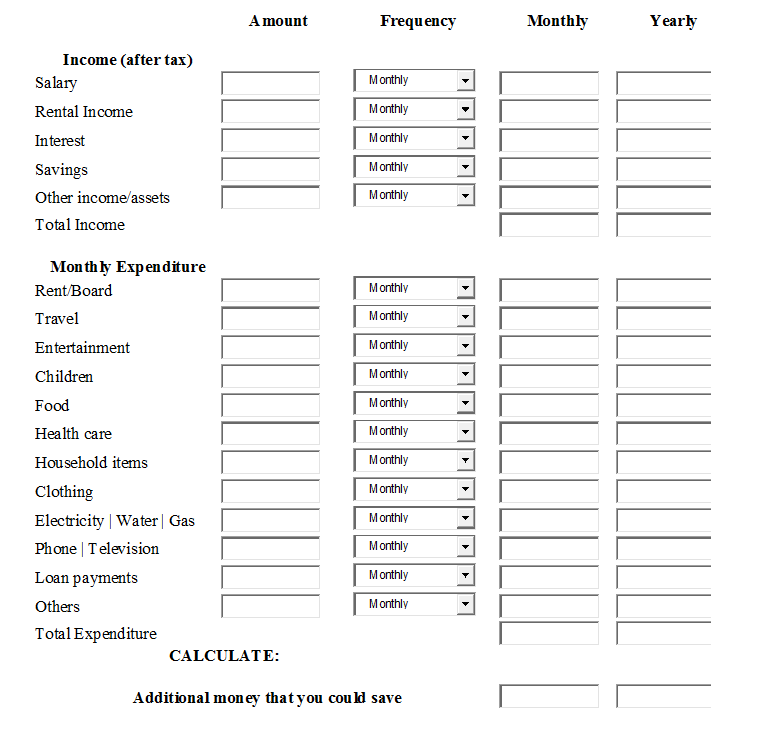
In the digital age, numerous apps and online platforms have emerged to simplify the budgeting process. Tools like Mint, YNAB (You Need A Budget), Personal Capital, and PocketGuard can link to your bank accounts and credit cards, automatically categorize transactions, track spending, set financial goals, and provide visual reports on your financial health. Many offer features like bill reminders, net worth tracking, and investment monitoring.
While the fundamental principles of budgeting remain the same, these digital tools can significantly streamline the tracking and analysis phases, reducing the manual effort required. They offer convenience, real-time insights, and often gamified elements that can make budgeting more engaging. When choosing a digital tool, consider its ease of use, security features, cost, and how well it aligns with your chosen budgeting method. Regardless of the tool, remember that it’s merely an aid; your consistent engagement and discipline remain the most critical components of successful budgeting.
Implementing and Maintaining Your Budget
Creating the budget plan is only half the battle; the real work lies in its consistent implementation and ongoing maintenance. A budget is a living document, not a static decree. It needs to be regularly reviewed, adjusted, and integrated into your daily financial habits to be truly effective.
Creating Your Budget Blueprint
Once you’ve chosen a method, it’s time to put pen to paper (or fingers to keyboard) and create your actual budget blueprint. Start by listing your total net income at the top. Then, systematically allocate funds to each expense category and savings goal according to your chosen method (e.g., 50/30/20 rule, zero-based, or a custom breakdown).
Be as detailed as possible, drawing on the spending analysis you conducted earlier. For fixed expenses, use exact amounts. For variable expenses, use your tracking data to set realistic initial limits, acknowledging that these might need tweaking. Ensure that your total allocated expenses and savings do not exceed your total income. If they do, you’ll need to go back and identify areas where you can reduce spending or increase income until your budget balances. This blueprint serves as your initial financial guide for the upcoming month.
Regular Review and Adjustment
A budget is not a set-it-and-forget-it tool. Life is dynamic, and your financial situation will inevitably change. Therefore, it’s essential to review your budget regularly—ideally weekly or bi-weekly for the first few months, and then at least once a month. During these reviews, compare your actual spending against your budgeted amounts for each category.
- Are you consistently overspending in certain areas? If so, consider if your allocation was unrealistic or if you need to adjust your spending habits.
- Are you underspending in other areas? You might reallocate those extra funds towards savings, debt repayment, or other goals.
- Has your income changed?
- Are there new expenses or financial goals?
Making these adjustments ensures that your budget remains relevant, effective, and supportive of your current financial reality. This iterative process of review and adjustment is key to long-term budgeting success.
Dealing with Unexpected Expenses
Even the most meticulously planned budget can be thrown off by unexpected expenses. Car repairs, medical bills, appliance breakdowns, or sudden travel needs are inevitable parts of life. This is precisely why an emergency fund is so critical. When these events occur, resist the urge to abandon your budget entirely.
Instead, draw from your emergency fund if the expense qualifies. If you don’t have an emergency fund yet, or if the expense exceeds it, adjust your budget temporarily. Look for areas in your variable spending categories where you can cut back for the current month or the next to absorb the unexpected cost without going into debt. This might mean fewer dinners out, postponing non-essential purchases, or finding cheaper alternatives for certain items. The goal is to weather the storm without derailing your entire financial plan.
Celebrating Milestones and Staying Motivated
Budgeting can sometimes feel like a grind, especially in the initial stages. To combat budget fatigue and maintain long-term commitment, it’s crucial to acknowledge and celebrate your progress. Did you stick to your grocery budget for the month? Did you reach a new savings milestone? Did you pay off a debt? These are all reasons to celebrate!
Your celebrations don’t have to be extravagant; they should align with your budget. It could be a small treat within your “wants” category, a low-cost outing, or simply acknowledging your achievement. Seeing the tangible results of your efforts—whether it’s a growing savings account balance or a shrinking debt—is also a powerful motivator. Regularly reminding yourself of your financial goals and the progress you’re making will help keep you engaged and committed to your budget plan.
Common Budgeting Pitfalls and How to Avoid Them
Even with the best intentions, individuals often encounter obstacles that can derail their budgeting efforts. Recognizing these common pitfalls beforehand can help you navigate them more effectively and maintain momentum towards your financial goals.
Unrealistic Expectations
One of the most frequent reasons budgets fail is setting unrealistic expectations. This often manifests as drastic cuts to discretionary spending overnight, attempting to save an unachievable percentage of income, or ignoring past spending habits. When a budget is too restrictive, it’s hard to stick to, leading to feelings of deprivation, frustration, and eventual abandonment.
How to Avoid: Start small and be realistic. Instead of cutting all your “wants” immediately, aim for gradual reductions. If you typically spend $500 on dining out, try reducing it to $350 for the first month, rather than $50. Build some “fun money” into your budget to avoid feeling deprived. Your initial budget should be a baseline that you can comfortably adhere to, with room for tightening as you become more disciplined and accustomed to the process. Flexibility is key to sustainability.
Forgetting Irregular Expenses
Many people budget meticulously for monthly expenses but neglect to account for irregular, but predictable, annual or semi-annual costs. These can include car registration, annual insurance premiums, holiday gifts, tax payments, or periodic maintenance. When these large, infrequent expenses arrive, they can blow a hole in a monthly budget if not planned for.
How to Avoid: Create a separate list of all irregular annual or semi-annual expenses. Divide the total cost of each by 12 (for annual) or 6 (for semi-annual) to determine a monthly savings target. Then, incorporate this amount into your monthly budget, setting aside money into a dedicated savings account each month. This way, when the expense arises, the funds are already there, preventing financial surprises and avoiding the need to dip into emergency funds or go into debt.
Lack of Discipline
Budgeting requires consistent effort and discipline. It’s easy to start strong but then fall off track due to complacency, forgetfulness, or a sudden urge for an impulse purchase. A lack of commitment to tracking and sticking to limits is a major impediment to success.
How to Avoid: Integrate budgeting into your routine. Schedule dedicated time each week or bi-weekly to review your spending and adjust your budget. Use reminders on your phone or calendar. Find an accountability partner or join a supportive online community. Automate as much as possible, such as setting up automatic transfers to savings accounts or bill payments. Most importantly, understand why you are budgeting—your financial goals—and let that vision fuel your discipline. Small, consistent actions build powerful habits over time.
Over-Complication
While detail is important, making a budget excessively complicated can lead to overwhelm and give up. Too many categories, overly precise allocations for minuscule expenses, or using an overly complex system can make the budgeting process feel like a burden rather than a helpful tool.
How to Avoid: Keep it simple, especially when starting out. Begin with broader categories and only break them down further if you identify specific areas that need more granular tracking. Use a budgeting method that aligns with your comfort level and financial literacy. If a spreadsheet feels too intimidating, start with a simple app or the envelope system. The best budget is one you will actually use and stick with, not the most intricate one. You can always add more detail as you become more comfortable and experienced.

Conclusion
Creating a budget plan is a fundamental step towards achieving financial freedom and peace of mind. It’s not about restriction, but rather about intentionality—making conscious decisions about how you earn, save, and spend your money to align with your personal values and long-term aspirations. By meticulously understanding your current financial landscape, setting clear and realistic goals, choosing a budgeting method that suits your lifestyle, and committing to regular review and adjustment, you transform abstract financial concepts into actionable steps.
The journey of budgeting is an ongoing process of learning, adapting, and growing. There will be months when you hit your targets perfectly, and others when unexpected challenges arise. The key is not to strive for perfection, but for consistency and resilience. By avoiding common pitfalls and cultivating financial discipline, you empower yourself to take control of your financial narrative. Embrace the process, celebrate your progress, and watch as your budget plan transforms from a mere document into a powerful catalyst for a secure and prosperous future. Begin today; your financial self will thank you.
aViewFromTheCave is a participant in the Amazon Services LLC Associates Program, an affiliate advertising program designed to provide a means for sites to earn advertising fees by advertising and linking to Amazon.com. Amazon, the Amazon logo, AmazonSupply, and the AmazonSupply logo are trademarks of Amazon.com, Inc. or its affiliates. As an Amazon Associate we earn affiliate commissions from qualifying purchases.