
In an increasingly interconnected world, the ability to know precisely where a flight is at any given moment has moved from the realm of science fiction to everyday convenience. Whether you’re an anxious family member awaiting a loved one’s arrival, a business traveler planning your airport pickup, an aviation enthusiast, or simply curious about the contrail streaking across the sky, technology has democratized access to real-time flight data. What was once the exclusive domain of air traffic controllers and airline operations centers is now available at your fingertips, offering unprecedented transparency and peace of mind. This comprehensive guide delves into the technological marvels that make flight tracking possible, explores the leading tools at your disposal, and outlines practical steps to monitor any aircraft currently in the air.
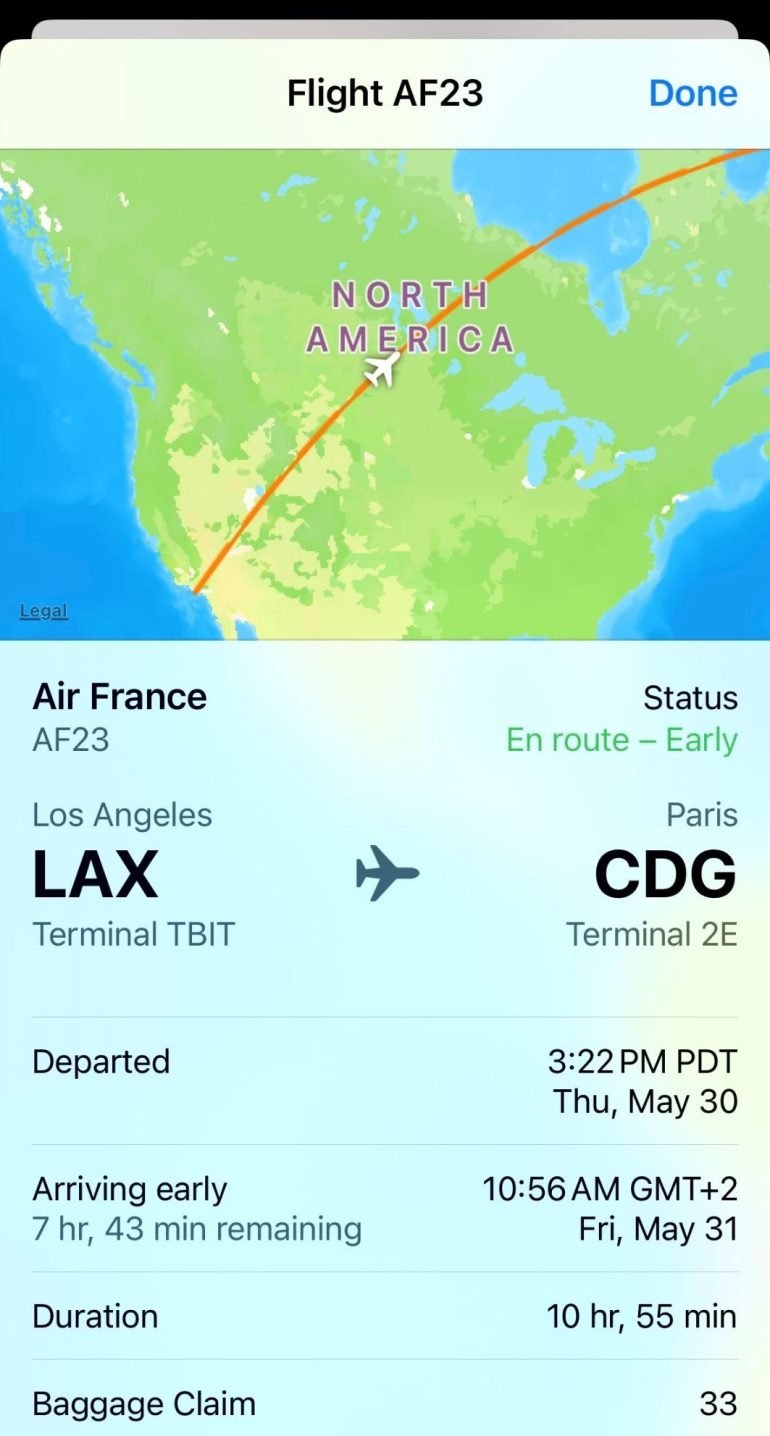
The Technological Backbone of Flight Tracking
The seamless, real-time tracking of thousands of aircraft worldwide relies on a sophisticated interplay of cutting-edge technologies. These systems collect, transmit, and process vast amounts of data, painting a dynamic picture of global air traffic.
Understanding ADS-B and MLAT
At the heart of modern flight tracking is the Automatic Dependent Surveillance-Broadcast (ADS-B) system. This revolutionary technology mandates that aircraft continuously broadcast their position, altitude, speed, heading, and other vital data using a dedicated radio frequency. Unlike traditional radar, which “pings” an aircraft and measures the reflected signal, ADS-B is a “push” technology, with aircraft actively transmitting their information. This data is picked up by a global network of ground-based receivers, many of which are operated by private enthusiasts and organizations like FlightAware and FlightRadar24. ADS-B offers superior accuracy and refresh rates compared to older methods, significantly enhancing air traffic control (ATC) capabilities and public tracking. Its widespread adoption has transformed aviation safety and efficiency, moving towards a more collaborative surveillance environment.
Complementing ADS-B, especially in regions with limited ground-receiver coverage or where older aircraft are still in operation, is Multilateration (MLAT). MLAT works by measuring the time difference of arrival (TDOA) of an aircraft’s transponder signals at multiple geographically dispersed ground stations. By precisely calculating these time differences, the system can triangulate the aircraft’s exact position. While slightly less precise than ADS-B, MLAT fills crucial gaps, particularly at lower altitudes or in remote areas, ensuring that a more comprehensive picture of air traffic is maintained even where ADS-B data might be sparse. Together, ADS-B and MLAT form a robust foundation for identifying and tracking aircraft across vast areas.
Radar and Satellite Integration
While ADS-B and MLAT provide detailed aircraft-generated data, traditional radar still plays a vital role. Primary radar detects aircraft by sending out radio waves and listening for reflections, while secondary radar interrogates an aircraft’s transponder for identification and altitude information. These systems provide a fallback and a complementary layer of surveillance, particularly for aircraft not equipped with ADS-B Out or in military operations.
Perhaps the most significant advancement in recent years is the integration of satellite-based tracking. Covering the vast oceanic and polar regions where ground-based ADS-B or radar coverage is impractical, satellite constellations equipped with ADS-B receivers (such as those operated by Aireon) now collect aircraft transmissions from space. This innovative approach provides true global flight tracking capabilities, eliminating the “dark spots” that previously existed over oceans and remote landmasses. The data from these satellites is seamlessly integrated with ground-based ADS-B, MLAT, and radar information, creating an unparalleled, unified view of air traffic across the entire planet. This convergence of diverse data sources ensures comprehensive, accurate, and near real-time tracking for virtually every commercial and many private flights.
Data Aggregation and Processing
The sheer volume of data generated by thousands of aircraft, hundreds of thousands of ground receivers, and multiple satellite systems is immense. The final critical piece of the flight tracking puzzle is the sophisticated infrastructure for data aggregation and processing. Powerful servers, often distributed globally, collect these continuous streams of ADS-B, MLAT, radar, and satellite data. Advanced algorithms then filter, de-duplicate, validate, and fuse this information to create a single, coherent, and highly accurate representation of each flight.
This processing pipeline also handles potential data inconsistencies, corrects for errors, and predicts future positions based on current trajectory and flight plan information. The result is the smooth, animated aircraft icons you see on tracking maps, accompanied by detailed information like altitude, speed, origin, destination, and estimated arrival times. Without this robust back-end processing, the raw data would be overwhelming and unintelligible to the average user, highlighting the intricate technological sophistication behind every successful flight tracking query.
Top Apps and Websites for Real-Time Flight Tracking
For end-users, the complex underlying technology is abstracted away by user-friendly applications and websites. These platforms serve as gateways to the world’s air traffic, offering a variety of features and interfaces.
Leading Consumer Platforms
Several platforms have emerged as leaders in making flight tracking accessible to the general public, each with its unique strengths:
- FlightAware: One of the pioneers in the field, FlightAware provides comprehensive flight tracking data, including current position, historical data, flight status, and predictive delay analysis. Its robust website and mobile apps offer detailed maps, weather overlays, and even information about the aircraft’s specific registration number. FlightAware is highly regarded for its accuracy and wealth of data, offering both free access with ads and premium subscriptions for enhanced features like ad-free viewing, more alerts, and longer historical data retention.
- FlightRadar24: Famous for its visually appealing and intuitive map interface, FlightRadar24 allows users to watch flights move in real-time across the globe. It’s renowned for features like 3D views (simulating cockpit perspectives), augmented reality (AR) for identifying planes in the sky using your phone’s camera, and extensive aircraft details. It boasts one of the largest networks of ADS-B receivers and integrates satellite data to offer truly global coverage. Like FlightAware, it offers various subscription tiers for advanced users.
- Plane Finder: Another popular choice, Plane Finder provides similar functionalities to FlightRadar24, often praised for its sleek interface and detailed aircraft information. It allows users to filter flights by aircraft type, airline, and other parameters, making it a favorite among aviation enthusiasts. Its mobile apps are particularly well-designed, offering a smooth user experience for on-the-go tracking.
- Google Flights / Google Search: For quick, basic tracking, Google remains an incredibly convenient option. Simply typing the airline and flight number (e.g., “Southwest 1234”) or the route (e.g., “flights from London to New York”) into Google Search will often bring up an immediate flight status box, complete with a basic map, estimated arrival time, and any reported delays. Google Flights, a dedicated travel planning tool, also incorporates this real-time tracking functionality for flights you’ve searched or booked. While less feature-rich than dedicated tracking apps, it’s perfect for immediate answers.
Airline-Specific Tracking Tools
Beyond independent platforms, most major airlines offer their own flight tracking services directly through their official websites and mobile applications. These tools are particularly useful for passengers flying with that specific airline, as they often provide more granular information relevant to their journey. This can include precise gate assignments, baggage claim carousel numbers, and real-time updates directly from the airline’s operations center, sometimes even with rebooking options in case of significant disruptions. While these tools typically only track flights operated by that specific airline, they offer a highly integrated and convenient experience for passengers.
Leveraging Airport Websites and APIs
Major international airports also provide real-time arrival and departure boards on their official websites, often with direct links to the flight’s current status on external tracking platforms. These airport-specific tools are excellent for people picking up or dropping off passengers, as they centralize information relevant to that specific location. For developers and businesses, many flight tracking services and even some airlines and airports offer Application Programming Interfaces (APIs). These APIs allow third-party applications to access raw or processed flight data, enabling custom tracking solutions, integration into enterprise systems, or the development of niche aviation tools. This demonstrates the open nature of much of the flight tracking data ecosystem, fostering innovation and specialized applications.
Practical Steps to Track Any Flight
With the right tools and a little preparation, tracking a flight is a straightforward process. Here’s how to do it efficiently.
Before the Flight: Gathering Information
The most crucial piece of information for accurate tracking is the airline and flight number (e.g., American Airlines flight AA1234, Lufthansa flight LH456). This unique identifier allows tracking systems to pinpoint the exact flight. If you don’t have the flight number, knowing the origin and destination airports along with the scheduled departure or arrival time can often help narrow down the options on tracking platforms. The more specific information you have, the faster and more accurately you’ll find the flight. It’s always a good idea to confirm these details with the traveler or the airline’s itinerary before you begin tracking.

During the Flight: Monitoring in Real-Time
Once you have the necessary information, open your preferred flight tracking app or website (e.g., FlightAware, FlightRadar24). Enter the flight number into the search bar. The platform will then display the flight’s current status, often including a dynamic map showing the aircraft’s real-time position. You’ll see an aircraft icon moving along its flight path, accompanied by data like its current altitude, ground speed, and estimated time of arrival (ETA). Pay attention to any status updates provided by the platform, such as “On Time,” “Delayed,” “Departed,” “Arrived,” or “Diverted.” These updates are continuously refreshed, providing the most current information available as the flight progresses.
Post-Flight: Historical Data and Analysis
Even after a flight has landed, tracking platforms offer valuable historical data. You can often look up past flight paths, actual departure and arrival times, and even the specific aircraft used for a particular route on previous dates. This historical data is useful for various purposes: verifying a flight’s punctuality, understanding common patterns of delays on a specific route, or simply satisfying curiosity about a past journey. Many platforms allow you to search historical flights by date, route, or flight number, providing a rich archive of aviation activity.
Beyond Basic Tracking: Advanced Features and Use Cases
While real-time position tracking is the core functionality, modern platforms offer a wealth of advanced features that enhance the user experience and cater to diverse interests.
Setting Up Alerts and Notifications
Most leading flight tracking apps allow users to set up customizable alerts and notifications. You can receive push notifications or emails for various events related to a specific flight, such as:
- Departure and arrival (actual times)
- Estimated time of arrival (updated as it changes)
- Gate changes
- Delay notifications (with estimated new times)
- Cancellations
- Diversions
These alerts are invaluable for travelers who want to stay informed without constantly checking an app, or for those picking up passengers, ensuring they arrive at the airport at precisely the right time, even if the flight schedule changes.
Exploring Aircraft Details and History
For aviation enthusiasts, the detail available on these platforms is a treasure trove. Clicking on an aircraft icon often reveals a comprehensive profile, including:
- Aircraft Type: Boeing 747, Airbus A320, etc.
- Registration Number: A unique identifier (e.g., N123AB)
- Airline: Operating carrier
- Age of Aircraft: How long it’s been in service
- Photos: User-submitted images of the specific aircraft
- Previous Flights: A history of where that particular plane has flown recently
This granular data allows users to delve deep into the world of aviation, connecting specific flights to the individual machines that carry them.
Weather and Air Traffic Control Integration
Advanced tracking platforms often integrate weather overlays directly onto their maps. This can include radar imagery showing precipitation, wind patterns, and even areas of turbulence. Observing these overlays alongside flight paths provides insight into why flights might be routed a certain way, delayed, or forced into holding patterns. This offers a glimpse into the complex decision-making processes of Air Traffic Control (ATC), helping users understand how ATC manages the flow of aircraft around adverse weather, congested airspace, or other operational constraints. It demystifies the dynamic environment in which flights operate.
Educational and Hobbyist Applications
Beyond practical utility, flight tracking tools serve significant educational and hobbyist applications. For aspiring pilots, aviation students, or air traffic controllers, observing real-world flight paths, speeds, and altitudes can provide invaluable context to theoretical learning. Plane spotters use these apps to identify specific aircraft overhead or to locate interesting planes at nearby airports. Educators might use these tools to demonstrate geography, physics principles, or the logistics of global travel. The accessibility of this data fosters a deeper understanding and appreciation for the intricacies of modern aviation.
The Future of Flight Tracking: Innovations on the Horizon
The evolution of flight tracking is far from over. Continuous advancements in technology promise even more precise, predictive, and integrated experiences in the years to come.
Enhanced AI and Predictive Analytics
Artificial intelligence (AI) and machine learning are increasingly being employed to move beyond simple real-time tracking towards predictive analytics. AI algorithms can analyze vast historical and current data—including weather forecasts, air traffic patterns, airline operational data, and even social media sentiment—to more accurately forecast delays, predict gate availability, and optimize flight paths for efficiency and fuel savings. This proactive approach aims to mitigate disruptions before they occur, improving punctuality and reducing the environmental impact of air travel. Expect more intelligent alerts that not only tell you about a delay but also why it’s happening and how long it’s expected to last with greater confidence.
Seamless Integration with Smart Devices
The future of flight tracking will likely see even deeper integration with smart devices. Imagine receiving flight updates directly on your smartwatch, asking your smart home assistant (like Alexa or Google Assistant) for a flight’s status, or having your in-car navigation system automatically update your ETA to the airport based on real-time flight changes. Augmented Reality (AR) features, already present in some apps, will become more sophisticated, allowing users to point their phone at the sky and instantly identify specific planes with rich contextual information overlaid in real-time. This ubiquitous access will make flight information more immediate and less intrusive.
Global Coverage and Reliability
While current systems offer extensive coverage, the drive for absolute global coverage and enhanced reliability continues. Further deployment of satellite-based ADS-B receivers will eliminate remaining “dark spots” over the remotest parts of the world, ensuring that no commercial flight ever truly disappears from surveillance. Advances in data transmission technologies and network resilience will also reduce latency and increase the robustness of tracking systems, making them less susceptible to outages or temporary data loss. This relentless pursuit of comprehensive and unwavering surveillance will bolster both safety and the public’s confidence in air travel.

Conclusion
The ability to track a flight in air has undergone a profound transformation, evolving from a niche capability to a universally accessible feature thanks to rapid technological advancements. From the fundamental broadcasts of ADS-B to the global reach of satellite integration, and the sophisticated algorithms that process this data, an intricate digital ecosystem works tirelessly to provide us with real-time insights into the skies above. Whether you’re using a feature-rich app like FlightAware or FlightRadar24, or simply leveraging Google for a quick check, these tools offer unparalleled transparency into the complex world of aviation. As AI, smart devices, and satellite networks continue to evolve, the future promises even more intelligent, seamless, and globally comprehensive flight tracking, further empowering us with unprecedented connectivity and peace of mind in our increasingly aerial world.
aViewFromTheCave is a participant in the Amazon Services LLC Associates Program, an affiliate advertising program designed to provide a means for sites to earn advertising fees by advertising and linking to Amazon.com. Amazon, the Amazon logo, AmazonSupply, and the AmazonSupply logo are trademarks of Amazon.com, Inc. or its affiliates. As an Amazon Associate we earn affiliate commissions from qualifying purchases.