
When travelers and industry analysts ask, “What does MSC Cruises stand for?” the answer operates on two distinct levels. On a literal level, the acronym stands for Mediterranean Shipping Company. However, from a brand strategy and corporate identity perspective, the name represents one of the most remarkable success stories in the history of global travel marketing. MSC Cruises is not merely a subsidiary of a shipping giant; it is a meticulously crafted brand that balances heritage, luxury, and rapid global expansion.
To understand the brand’s current position, one must look at how a family-owned cargo business transformed its identity into the world’s largest privately-held cruise line. This evolution provides a masterclass in brand scaling, market positioning, and the art of maintaining a consistent corporate identity across diverse international markets.
The Foundation of a Global Identity: From Cargo to Culture
The identity of MSC Cruises is inseparable from its parent company, the Mediterranean Shipping Company (MSC), founded by Gianluigi Aponte in 1970. This foundational link is the core of the brand’s “Stand For” narrative. While most cruise lines were born out of the hospitality sector, MSC was born from the world of logistics and maritime excellence.
Mediterranean Roots and Italian Heritage
The brand “stands for” its Mediterranean soul. In an industry dominated by American-centric corporate cultures (such as Carnival or Royal Caribbean), MSC has leveraged its European heritage as a primary brand differentiator. The brand identity is built on “The Mediterranean Way of Life,” which emphasizes elegance, gastronomy, and a slower, more intentional pace of discovery. This is reflected in everything from the ship designs to the onboard dining experiences.
The Power of Family Ownership
In the world of corporate branding, being “privately held” and “family-owned” is a powerful psychological tool. MSC Cruises uses this narrative to project stability, long-term vision, and personal commitment. Unlike publicly traded competitors that must answer to quarterly shareholder demands, the MSC brand stands for a multi-generational legacy. This allows the company to take bold risks—such as multi-billion dollar ship orders—that reinforce a brand image of unshakeable confidence and growth.
Evolution of the Visual Identity
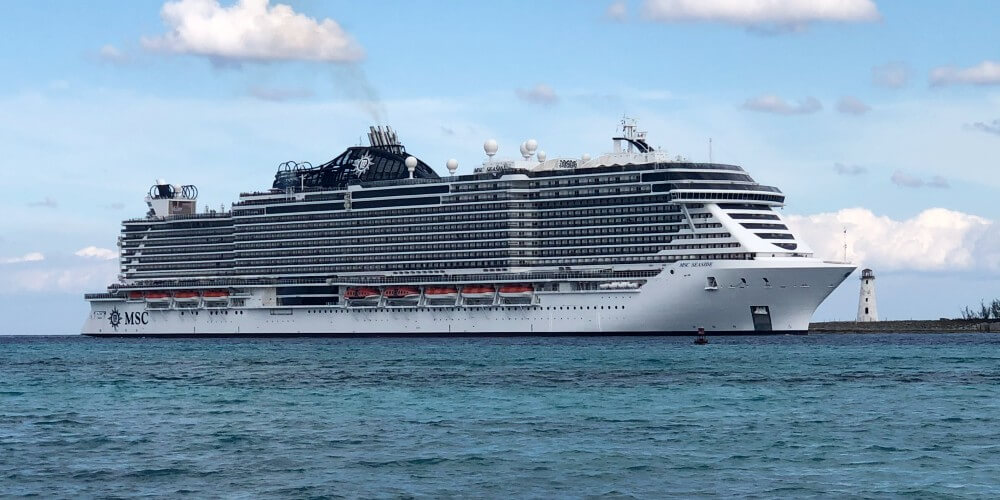
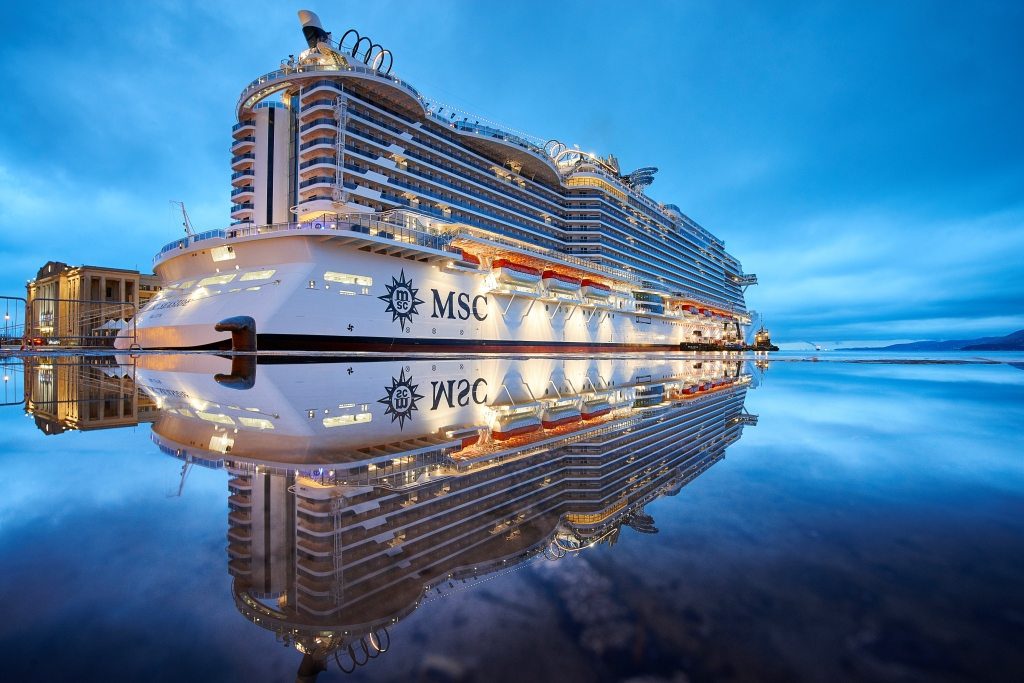
The MSC logo—the iconic “m” inside a circle—is a symbol of maritime tradition. However, over the decades, the brand has modernized this visual identity. The sleek, white hulls of their ships, often adorned with the distinctive blue logo, have become synonymous with modern European luxury. The visual branding communicates a “clean” and “sophisticated” aesthetic that appeals to both traditionalists and a new generation of cruisers.
Strategic Market Positioning: Crafting a “Luxury for All” Brand
A critical component of what MSC Cruises stands for is its unique positioning in the global market. The brand has successfully navigated the “mass-market” space while simultaneously carving out a niche for “aspirational luxury.”
The “Ship Within a Ship” Concept: MSC Yacht Club
Perhaps the most brilliant branding move in MSC’s history was the creation of the MSC Yacht Club. This sub-brand allows MSC to stand for exclusivity and high-end service without alienating its core demographic of budget-conscious families. By branding this “all-inclusive” luxury enclave, MSC successfully targets high-net-worth individuals who might otherwise avoid large-scale cruise ships. This dual-branding strategy allows the company to capture a wider market share while maintaining a premium aura.
Global Expansion and Localization
While “Mediterranean” is in the name, the brand stands for global reach. MSC has executed a masterclass in “Glocal” branding—keeping the global core identity while localizing the product for different regions. In North America, the brand has adapted its marketing to emphasize “Ocean Cay MSC Marine Reserve,” their private island, positioning themselves as a tropical, eco-conscious alternative to domestic lines. In the Asian market, they emphasize luxury and shopping. This adaptability is a testament to the brand’s fluid yet firm identity.
Diversifying the Product Portfolio
Beyond the standard fleet, the introduction of the Explora Journeys brand represents a new chapter for MSC. This move signifies that the MSC name now stands for a broader “luxury lifestyle” ecosystem. It moves the brand away from just being a cruise provider and toward being a high-end hospitality conglomerate, competing with the likes of Ritz-Carlton and Four Seasons at sea.

Brand Values: Sustainability and Social Responsibility
In the 21st century, a brand is defined as much by its ethics as by its products. MSC Cruises has recognized that to “stand for” something in the eyes of the modern consumer, they must address environmental impact and corporate social responsibility (CSR).
The “Blue World” and Environmental Stewardship
MSC Cruises has positioned itself as a leader in maritime sustainability. The brand stands for the preservation of the oceans—the very environment upon which its business depends. By investing heavily in Liquefied Natural Gas (LNG) powered ships and advanced wastewater treatment systems, the brand communicates a message of “Responsible Luxury.” This is not just a PR move; it is a brand survival strategy as travelers increasingly prefer companies with a lower carbon footprint.
The MSC Foundation
The MSC Foundation is a pillar of the brand’s corporate identity. By focusing on environmental conservation and humanitarian aid, the foundation gives the brand a “human” face. Whether it is coral reef restoration in the Bahamas or providing aid during global crises, these actions reinforce the brand’s standing as a global citizen. In marketing terms, this builds “brand equity” and “consumer trust,” which are essential for long-term loyalty.
Innovation as a Core Brand Pillar
Innovation is at the heart of what MSC Cruises stands for. From being among the first to introduce Swarovski crystal staircases to the integration of “Zoe,” the world’s first virtual personal cruise assistant, the brand is synonymous with technological advancement. This focus on innovation signals to the market that MSC is a forward-thinking, future-proof brand that isn’t afraid to disrupt the status quo.
The Digital Brand Experience: Engagement and Loyalty
In the digital age, a brand is a multi-channel experience. MSC Cruises has transitioned from a traditional travel provider to a tech-integrated service brand, ensuring that their identity is felt at every touchpoint of the customer journey.
The “MSC for Me” Ecosystem
The brand stands for a frictionless, high-tech guest experience through the “MSC for Me” digital platform. By integrating wearable technology and mobile apps, MSC has branded itself as a “smart” cruise line. This digital transformation is vital for attracting the tech-savvy Millennial and Gen Z demographics, ensuring the brand remains relevant as the traveler profile evolves.
Building Global Loyalty Programs
The MSC Voyagers Club is designed to foster a sense of belonging. Brand loyalty in the cruise industry is notoriously competitive, and MSC “stands for” rewarding its community. By offering status matching—where they honor the loyalty tier a customer has earned with a competitor—MSC has used a clever branding tactic to poach customers and rapidly build their own community. It communicates a message of “We value your experience, regardless of where you earned it.”
Multi-Generational Appeal in Marketing
The marketing campaigns for MSC Cruises often feature multi-generational families. This reinforces the brand identity as inclusive and versatile. Whether through partnerships with brands like LEGO or Chicco, MSC stands for family-centricity, making it clear that their brand is a home for everyone from toddlers to retirees. This broad appeal is a cornerstone of their high-volume business model.
Conclusion: The Future of the MSC Brand
When we analyze what MSC Cruises stands for today, we see a brand that is far more than an acronym. It is a symbol of ambition, European elegance, and maritime excellence. It stands for the belief that a family-owned business can compete with, and often outperform, global conglomerates by staying true to its roots while embracing the future.
As the company continues to launch new “World Class” ships and expands its footprint into the ultra-luxury market with Explora Journeys, the brand identity will likely continue to evolve. However, its core will remain the same: a commitment to the sea, a passion for discovery, and a strategic focus on providing a premium experience at a global scale. For the traveler, MSC stands for a window to the world; for the business world, it stands as a testament to the power of a clear, consistent, and courageous brand strategy.
aViewFromTheCave is a participant in the Amazon Services LLC Associates Program, an affiliate advertising program designed to provide a means for sites to earn advertising fees by advertising and linking to Amazon.com. Amazon, the Amazon logo, AmazonSupply, and the AmazonSupply logo are trademarks of Amazon.com, Inc. or its affiliates. As an Amazon Associate we earn affiliate commissions from qualifying purchases.