
In the high-stakes world of global maritime commerce, few names command as much respect and intrigue as MSC Cruises. Unlike its primary competitors—Carnival Corporation, Royal Caribbean Group, and Norwegian Cruise Line Holdings—MSC Cruises does not answer to a board of public shareholders or the volatility of the New York Stock Exchange. Instead, it remains the crown jewel of a sprawling, privately held empire. To understand who owns MSC Cruises is to understand the Mediterranean Shipping Company (MSC) Group and the strategic financial brilliance of the Aponte family.
The Mediterranean Shipping Company (MSC) Group: A Private Powerhouse
MSC Cruises is a subsidiary of the Mediterranean Shipping Company (MSC) Group, a global conglomerate that has quietly become the largest container shipping line in the world. While the cruise division is the most visible arm of the company to the general public, it is backed by the immense financial engine of a cargo shipping titan.
From One Ship to a Global Conglomerate
The story of MSC’s ownership begins in 1970 with a single second-hand vessel, the Patricia. Gianluigi Aponte, a former ferry captain, founded the company with a small loan and a vision to connect Europe and Africa through cargo shipping. Over the following decades, through aggressive reinvestment of profits and a lean corporate structure, the company expanded into every corner of the globe. Today, the MSC Group operates over 700 container ships, employs more than 150,000 people, and controls a significant portion of global trade. This massive liquidity provided by the cargo side of the business has allowed MSC Cruises to grow at a pace that would be fiscally impossible for a standalone cruise line.
The Benefits of Private Ownership in a Public Market
The ownership structure of MSC Cruises is its greatest competitive advantage. Because the Aponte family owns 100% of the company, they are not beholden to quarterly earnings reports or the short-term demands of Wall Street analysts. This private status allows for a “long-view” investment strategy. While public companies often pull back on capital expenditures during economic downturns to protect share prices, MSC has a history of doubling down. Their ability to self-finance or secure favorable debt terms based on the massive collateral of their cargo fleet has made them the fastest-growing cruise brand in history.
Gianluigi Aponte and the Architecture of Wealth
At the heart of MSC Cruises is the Aponte family, specifically the founder, Gianluigi Aponte, and his wife, Rafaela Aponte-Diamant. Their partnership is not just a marriage but a formidable financial alliance. While Gianluigi provided the maritime expertise, Rafaela, who comes from a Swiss banking background, provided the financial acumen necessary to navigate the complex world of international ship financing.
The Visionary Behind the Empire
Gianluigi Aponte remains the patriarchal figurehead of the organization. His approach to business is famously discreet; he rarely grants interviews and avoids the limelight typical of billionaire CEOs. This “silent” ownership style has allowed the brand to focus entirely on operational excellence rather than public relations management. Forbes consistently ranks Gianluigi and Rafaela among the wealthiest individuals globally, with a net worth that fluctuates in the tens of billions of dollars, largely tied to the valuation of the MSC Group.
Succession and Family Stewardship
A key component of the “Money” story behind MSC Cruises is the transition to the next generation. Unlike many corporate dynasties that struggle with succession, the Aponte family has integrated the second generation into core leadership roles. Diego Aponte serves as the Group President and CEO of MSC Group, while Alexa Aponte Vago serves as the Group Chief Financial Officer. Pierfrancesco Vago, Alexa’s husband, is the Executive Chairman of MSC Cruises. This internal alignment ensures that the family’s wealth and the company’s strategic direction remain tightly coupled, preventing the “dilution” of vision that often occurs when professional managers take over family-founded enterprises.
Comparing MSC Cruises to Publicly Traded Competitors

To truly grasp the financial scale of MSC Cruises, one must compare it to its “Big Three” rivals: Carnival, Royal Caribbean, and Norwegian. This comparison reveals a stark difference in how capital is allocated and how debt is managed within the industry.
Financial Agility vs. Shareholder Demands
During the global pandemic of 2020-2022, the cruise industry faced an existential crisis. Publicly traded cruise lines were forced to issue massive amounts of new equity, diluting existing shareholders, and take on high-interest debt to maintain liquidity. MSC Cruises, supported by the booming profits of its cargo division during the same period (as global shipping rates skyrocketed), occupied a much more stable position. They were able to continue their ship-building program almost unabated, whereas competitors had to delay deliveries or sell off older vessels for scrap to raise cash.
Reinvestment Strategies and Fleet Expansion
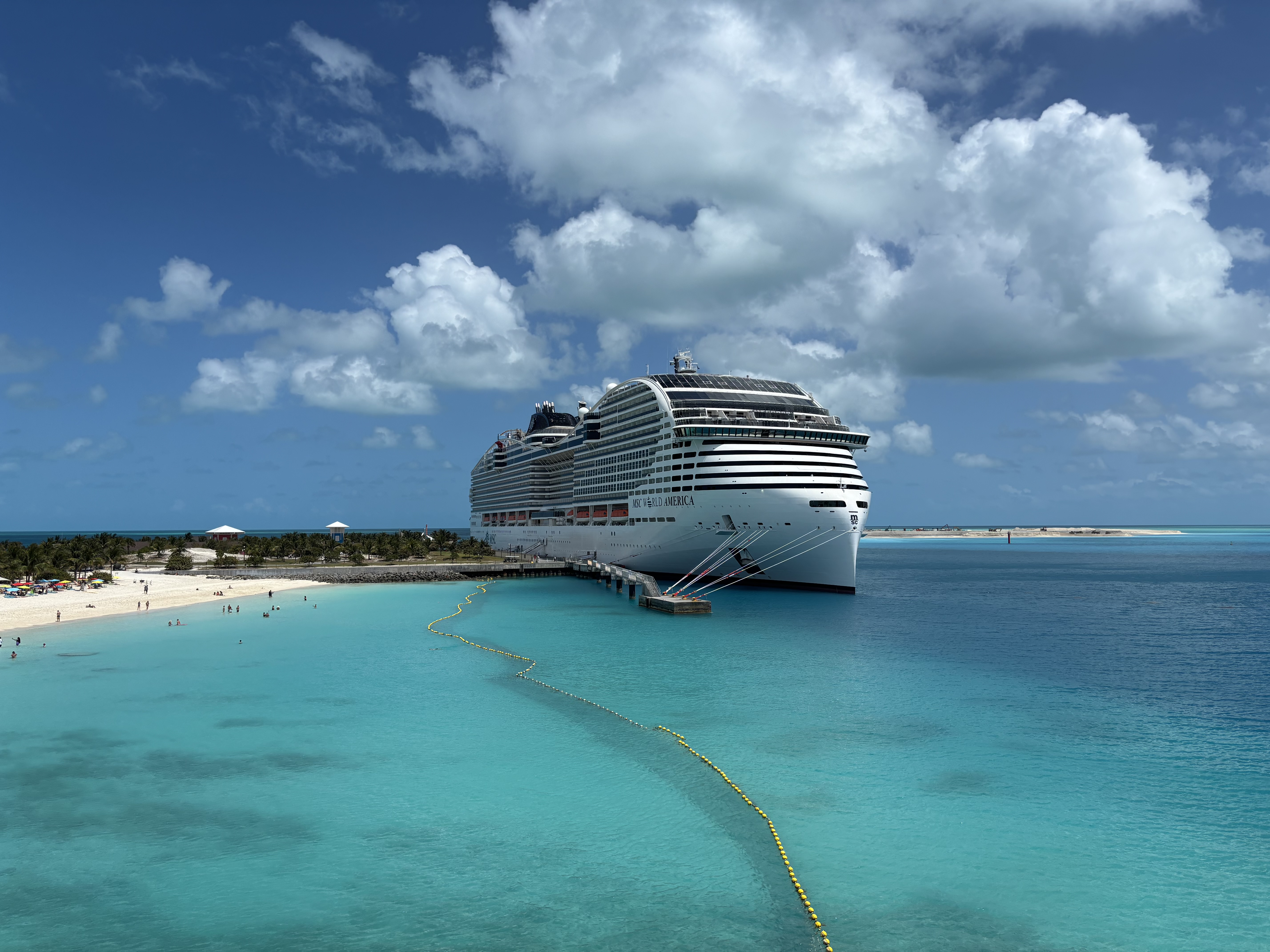
MSC Cruises’ financial model focuses heavily on vertical integration. The family doesn’t just own the ships; they have invested heavily in terminal infrastructure and even private islands, such as Ocean Cay MSC Marine Reserve in the Bahamas. By owning the destination and the port facility, the company captures a higher percentage of the “guest wallet” compared to lines that must pay significant fees to third-party port operators. This strategy of keeping money “in-house” is a hallmark of the Aponte family’s financial philosophy.
The Economic Engine: Revenue Streams and Market Valuation
While the MSC Group does not disclose its full financial statements to the public, industry analysts estimate its annual revenue in the tens of billions of dollars. MSC Cruises specifically has moved from being a regional Mediterranean player to a global powerhouse with a significant footprint in North America, South America, and the Middle East.
Diversification Across Cargo and Hospitality
The dual-revenue stream of cargo and cruises provides a unique hedge against market volatility. When the consumer travel market is soft, the industrial shipping market often compensates, and vice-versa. This diversification makes the MSC Group one of the most creditworthy entities in the maritime sector. It allows MSC Cruises to enter the luxury market—recently launched via the “Explora Journeys” brand—with a capital-intensive strategy that targets high-net-worth individuals, further diversifying their income away from the mass-market cruise segment.
Sustainability as a Financial Metric
In modern finance, Environmental, Social, and Governance (ESG) scores are becoming critical for securing low-interest “green loans.” MSC Cruises has positioned itself at the forefront of this trend. By investing billions into Liquefied Natural Gas (LNG) powered ships and advanced wastewater treatment systems, they are not just being “eco-friendly”—they are future-proofing the company against carbon taxes and ensuring continued access to favorable financing from European banks that are increasingly prioritizing sustainable investments.
The Future of the MSC Investment Portfolio
The ownership of MSC Cruises is not a static reality; it is an evolving portfolio. The Aponte family continues to use their private wealth to expand their influence across the entire logistics and travel supply chain.
Strategic Acquisitions and Infrastructure
Recent years have seen the MSC Group expand beyond the sea. The family has made moves into rail logistics and aviation, further integrating their transport empire. For the cruise division, this means better control over the “fly-cruise” model, where the company could potentially control the aircraft, the transfer bus, the cruise ship, and the destination port. From a business finance perspective, this reduces “leakage” to third-party vendors and maximizes the profit margin per passenger.

Navigating Global Economic Volatility
As the world faces fluctuating fuel prices and shifting geopolitical alliances, MSC Cruises’ private ownership remains its “moat.” Without the pressure to hit quarterly targets, the Aponte family can afford to be patient, entering new markets like Saudi Arabia or China with a ten-year horizon rather than a two-year one. Their ownership structure allows them to absorb short-term losses in exchange for long-term market dominance.
In conclusion, MSC Cruises is owned by the Aponte family through their massive Mediterranean Shipping Company Group. This private ownership model has created a financial juggernaut that combines the grit of industrial shipping with the glamour of luxury travel. By maintaining total control over their capital and reinvestment strategies, the Apontes have built a multi-generational legacy that stands as a masterclass in corporate finance and strategic growth. While the ships are the face of the brand, it is the private, family-led financial engine beneath the surface that truly powers MSC Cruises.
aViewFromTheCave is a participant in the Amazon Services LLC Associates Program, an affiliate advertising program designed to provide a means for sites to earn advertising fees by advertising and linking to Amazon.com. Amazon, the Amazon logo, AmazonSupply, and the AmazonSupply logo are trademarks of Amazon.com, Inc. or its affiliates. As an Amazon Associate we earn affiliate commissions from qualifying purchases.