
In the intricate world of personal finance, certain seemingly small pieces of information hold immense power. Among these, the routing number stands as a cornerstone, an indispensable identifier that facilitates a vast array of financial transactions within the United States. For anyone managing their money, from receiving a paycheck via direct deposit to paying bills online or even initiating a wire transfer, knowing where to quickly and accurately locate your bank’s routing number is not just convenient—it’s critical. This nine-digit code acts like a postal zip code for your financial institution, directing funds to the correct bank and ensuring your money lands exactly where it’s supposed to.

Yet, despite its ubiquitous presence in our financial lives, many individuals find themselves pausing, scrambling to recall or locate this crucial number precisely when they need it most. This guide aims to demystify the routing number, explain its profound importance, and provide a clear, step-by-step roadmap to finding it, no matter your banking setup or immediate circumstances. We’ll delve into various methods, from traditional paper checks to the digital convenience of online banking and mobile apps, ensuring you’re equipped with the knowledge to manage your financial dealings confidently and efficiently. Understanding your routing number and its proper use is a fundamental aspect of sound personal finance, empowering you to navigate the modern banking landscape with ease and security.
Understanding the Importance of Your Routing Number
Before we dive into where to find your routing number, it’s essential to grasp what it is and why it holds such significance in your financial life. This foundational knowledge will not only help you appreciate its utility but also encourage you to handle it with the care it deserves.
What is a Routing Number?
A routing number, also known as an ABA (American Bankers Association) routing transit number (RTN), is a nine-digit code that identifies your specific financial institution in the United States. It was established in 1910 by the ABA to facilitate the processing of paper checks. While checks might be less prevalent today, the routing number has evolved to become the primary identifier for electronic funds transfers. Each bank, and often different branches or types of accounts within a larger bank, will have its own unique routing number or set of numbers. This ensures that money transferred between banks finds its correct destination. It’s like a unique address for your bank, differentiating it from thousands of other financial institutions across the country.
Why Do You Need Your Routing Number?
The routing number is not merely a relic of a bygone era; it’s a vital component for numerous essential financial activities in today’s digital economy. Its primary function is to enable secure and accurate transfers of funds between different banks. You’ll typically need your routing number for:
- Direct Deposit: To receive your salary, government benefits (like Social Security), or tax refunds directly into your bank account.
- Automated Clearing House (ACH) Transfers: This includes setting up automatic bill payments (e.g., utilities, mortgage, rent), recurring payments to subscriptions, or initiating electronic transfers to pay a friend or family member.
- Wire Transfers: For sending or receiving larger sums of money, often internationally, though domestic wire transfers also heavily rely on routing numbers.
- Online Bill Pay: While some systems only require your debit card, many online bill payment services from third parties will ask for your bank’s routing number and your account number.
- Tax Payments: When paying federal or state taxes directly from your bank account.
- Setting Up Investment Accounts: Often, linking your bank account to a brokerage or investment platform requires your routing number for seamless fund transfers.
Without the correct routing number, these critical transactions simply cannot be completed, leading to delays, rejected payments, and potential financial inconvenience.
Differentiating Routing Numbers from Account Numbers
A common point of confusion for many is distinguishing between a routing number and an account number. While both are crucial for financial transactions, they serve distinct purposes:
- Routing Number: Identifies the bank itself. It tells the financial system which institution the funds should go to or come from. This number is generally standard for all customers within a specific bank or a particular type of account at that bank.
- Account Number: Identifies your specific account within that bank. It ensures that once the funds arrive at the correct bank (identified by the routing number), they are deposited into or withdrawn from the right individual or business account. This number is unique to you and your particular checking, savings, or loan account.
Think of it this way: the routing number is the street address of a large apartment complex (your bank), while your account number is the specific apartment unit number (your individual account) within that complex. Both are absolutely necessary to ensure mail (money) reaches you correctly.
Primary Methods to Locate Your Routing Number
Fortunately, finding your routing number is usually straightforward, as banks make this information readily accessible through various channels. Here are the most common and reliable methods:
On Your Checkbook or Deposit Slips
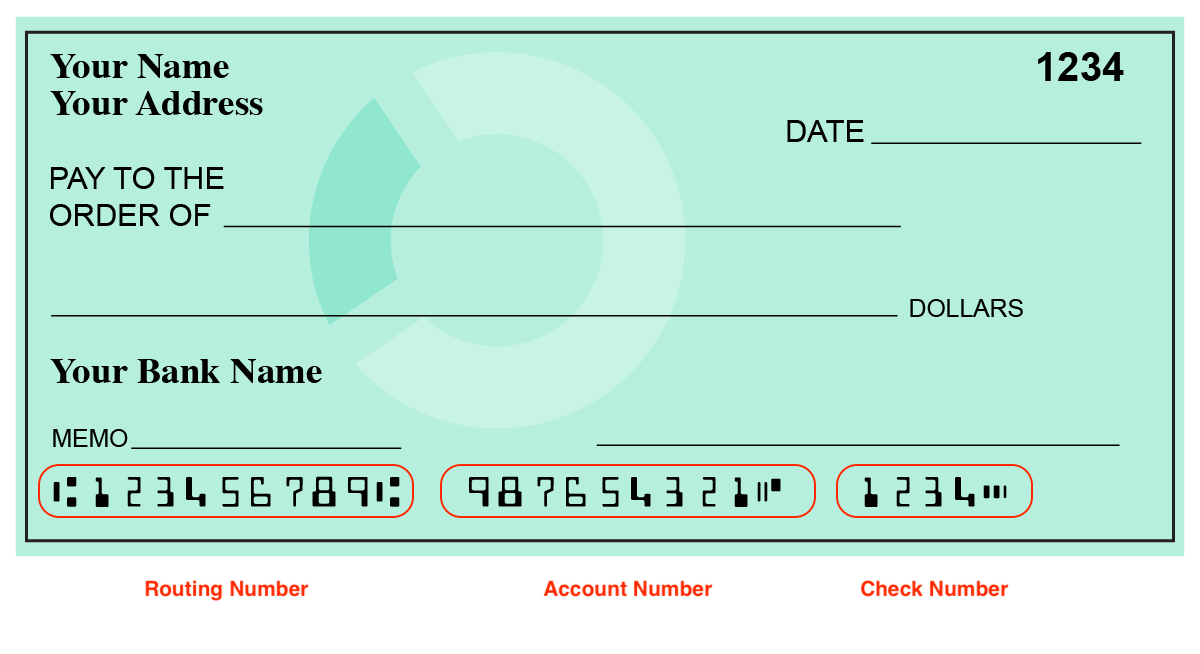
For many, the most traditional and perhaps quickest way to find a routing number is right on their paper checks or deposit slips. This information is typically printed along the bottom edge of the check or slip.
- Checking Account: Look at the bottom left-hand corner of your check. You’ll usually see three sets of numbers separated by unique symbols. The first set of nine digits on the left is almost always your routing number. The middle set is your account number, and the last set is the check number.
- Deposit Slips: Similarly, deposit slips associated with your checking account will also display your routing number, typically in the same position as on a check.
Important Note: If you have checks for a line of credit or a special type of account, verify with your bank, as the routing number might differ from your primary checking account. Always double-check, especially if you have multiple accounts with the same institution.
Through Your Online Banking Portal
In the digital age, online banking has become the primary interface for managing finances. Most banks offer a robust online portal where you can easily find your routing number.
- Log In: Access your bank’s official website and log in to your online banking account using your username and password.
- Navigate to Account Details: Once logged in, look for your checking or savings account details. This is often labeled as “Account Summary,” “Account Information,” “My Accounts,” or similar.
- Find Routing Number: Within the account details, there should be a clearly marked section displaying your routing number. Sometimes it’s directly visible, other times you might need to click on “Show details,” “Routing & Account Numbers,” or a similar link. Some banks also have a dedicated “Direct Deposit Information” page which will provide both your routing and account numbers.
This method is generally very reliable and secure, as you are accessing information directly from your bank’s trusted platform.
Using Your Bank’s Mobile App
For those who prefer banking on the go, most financial institutions offer sophisticated mobile apps that mirror the functionality of their online banking portals. Finding your routing number through the app is usually just as easy:
- Open and Log In: Launch your bank’s mobile app on your smartphone or tablet and log in using your credentials (which might include biometric authentication like fingerprint or face ID).
- Select Account: Tap on the specific checking or savings account for which you need the routing number.
- View Account Information: Look for an option like “Account Details,” “Show Routing Number,” or “Direct Deposit Info.” The routing number will typically be displayed prominently, often alongside your account number.
Mobile apps offer immense convenience, making this a popular method for quick lookups.
Contacting Your Bank Directly
If you’re unable to find your routing number using the methods above, or if you prefer direct communication, contacting your bank is always an option.
- Customer Service Phone Number: Call your bank’s customer service line. This number can usually be found on the back of your debit card, on your bank statements, or on the “Contact Us” section of their official website. Be prepared to verify your identity through security questions, your account number, or other personal information.
- Visit a Local Branch: If there’s a physical branch nearby, you can visit in person. A teller or customer service representative will be able to provide you with the correct routing number after verifying your identity. This is particularly useful if you have complex account structures or need clarification on specific routing numbers for different transaction types.
While these methods might take slightly longer, they guarantee accuracy and provide an opportunity to clarify any questions you might have about your accounts.

Specific Scenarios and Considerations
While the general methods cover most situations, specific circumstances or account types might require a slightly different approach or a greater understanding of how routing numbers function.
Finding Routing Numbers for Savings Accounts
For most major banks, your checking account and savings account will share the same routing number for standard ACH transfers and direct deposits. However, it’s always prudent to confirm.
- Online Banking/Mobile App: The easiest way to verify is by logging into your online banking portal or mobile app and specifically navigating to the details of your savings account. The routing number should be displayed there if it’s different or for confirmation.
- Bank Statement: Your monthly or quarterly bank statement for your savings account will also typically list the relevant routing number.
Routing Numbers for Wire Transfers vs. ACH Transfers
This is a critical distinction that can cause significant delays or even loss of funds if confused. While most personal financial transactions use the standard ACH routing number, wire transfers—especially international ones—often require a different identifier.
- ACH Routing Number: This is the standard nine-digit number discussed throughout this article, used for direct deposits, bill pay, and most electronic transfers within the U.S.
- Wire Transfer Routing Number: Some banks use a different routing number specifically for incoming domestic wire transfers. Furthermore, international wire transfers rarely use the standard U.S. routing number. Instead, they require a SWIFT code (Society for Worldwide Interbank Financial Telecommunication) or BIC code (Bank Identifier Code), which is an international identifier for your bank.
- Always Confirm: If you are sending or receiving a wire transfer, always contact your bank directly or check their dedicated wire transfer instructions page on their website. Do not rely on the routing number found on your checks for wire transfers without explicit confirmation.
What if You Don’t Have Checks?
With the rise of online-only banking and the general decline in check usage, many people no longer have a physical checkbook. This is perfectly fine, as the digital methods are equally, if not more, reliable:
- Online Banking/Mobile App: As detailed above, these are your primary and most convenient resources.
- Bank Statements: Electronic or paper statements usually list both your routing and account numbers.
- Direct Deposit Form: Many employers or benefits providers offer a pre-filled direct deposit form that you can print from your online banking portal. This form will clearly display your routing and account numbers.
When to Be Cautious About Sharing Your Routing Number
While your routing number is essential for legitimate transactions, it’s not as sensitive as your account number or debit card details. Unlike a debit card, a routing number alone cannot be used to directly access your funds for unauthorized purchases. However, combined with your account number, it can facilitate withdrawals or transfers from your account.
- Legitimate Uses: It’s safe to provide your routing number and account number to trusted entities for direct deposit, bill payments, or setting up authorized transfers.
- Beware of Scams: Be extremely wary of unsolicited requests for your routing and account numbers from unknown individuals or suspicious websites. Phishing scams often try to trick you into revealing this information. Always verify the legitimacy of the requestor.
- Public Display: Never publicly display your routing or account numbers (e.g., on social media) or email them in unencrypted messages to untrusted parties.
Common Pitfalls and How to Avoid Them
Even with all the tools at your disposal, missteps can occur. Being aware of common pitfalls can save you from financial headaches.
Using the Wrong Routing Number (Impact on Transactions)
One of the most significant errors is using an incorrect routing number. The consequences can range from minor inconvenience to serious financial disruption:
- Rejected Transactions: Most commonly, if the routing number doesn’t match the bank or account type, the transaction will simply be rejected. This means your direct deposit won’t go through, your bill won’t be paid, or your transfer will fail.
- Delayed Funds: Even if rejected, it might take several business days for the funds to return to the sender, causing delays in payments or receipt of income.
- Misdirected Funds (Rare but Possible): In very rare cases, if the incorrect routing number belongs to another legitimate bank and the account number happens to match (highly unlikely), funds could theoretically be misdirected. This is why banks have sophisticated fraud detection systems, but it underscores the importance of accuracy.
Always double-check the routing number before submitting it for any transaction. A quick verification can save a lot of trouble.
Verifying Your Bank’s Routing Number
To avoid errors, it’s a good practice to verify the routing number, especially if you’re using it for the first time or if you have multiple accounts.
- Official Bank Website: Most banks have a dedicated page (often in their FAQ or help section) that lists their routing numbers, sometimes organized by state or transaction type.
- ABA Website: The American Bankers Association (ABA) website (or services that use the ABA database) can also be used to look up routing numbers by bank name.
- Multiple Sources: If possible, cross-reference the number you find on your check with your online banking portal or a bank statement to ensure consistency.
Security Best Practices When Handling Financial Information
Protecting your routing number and other financial details is paramount.
- Secure Platforms: Always use secure, encrypted platforms (like your bank’s official website or app) when looking up or transmitting financial information.
- Strong Passwords: Use strong, unique passwords for your online banking and change them regularly. Consider two-factor authentication.
- Monitor Accounts: Regularly review your bank statements and transaction history for any unauthorized activity.
- Shred Documents: When disposing of old checks, deposit slips, or bank statements, always shred them to prevent identity theft.
- Public Wi-Fi Caution: Avoid accessing your banking information over unsecured public Wi-Fi networks, as these can be vulnerable to eavesdropping.
Beyond Your Primary Bank: Other Situations
The financial landscape is evolving, with new banking models emerging. Understanding how routing numbers apply to these can be helpful.
Finding Routing Numbers for Online-Only Banks or Neobanks
Online-only banks (e.g., Ally Bank, Discover Bank) and neobanks (e.g., Chime, Varo) operate without physical branches but still require routing numbers for electronic transactions.
- Online Portal/App is Key: For these institutions, the online banking portal or mobile app is almost exclusively where you will find your routing number. They typically do not issue physical checks initially, making digital access crucial.
- Direct Deposit Info: Look for a “Direct Deposit” section within their digital platforms; this is often where both the routing and account numbers are prominently displayed.
Understanding International Bank Identifier Codes (SWIFT/BIC)
As briefly mentioned earlier, U.S. routing numbers are for domestic transactions. For international transfers, a different system is used:
- SWIFT/BIC Codes: The Society for Worldwide Interbank Financial Telecommunication (SWIFT) assigns Bank Identifier Codes (BICs) to financial institutions worldwide. These codes are typically 8 or 11 characters long and identify a specific bank and often a specific branch.
- When to Use: If you are sending money to or receiving money from an international account, you will almost certainly need a SWIFT/BIC code, not a U.S. routing number.
- How to Find: Your bank’s website will have instructions for international transfers, including their SWIFT/BIC code. It’s crucial to get this directly from your bank or the recipient’s bank to ensure accuracy.
In conclusion, your routing number is a powerful financial tool that underpins a vast array of transactions in your daily life. Knowing where and how to find it, understanding its purpose, and exercising due diligence in its use are fundamental components of effective personal finance management. By utilizing the methods outlined in this comprehensive guide, you can navigate your financial world with greater confidence, accuracy, and peace of mind.
aViewFromTheCave is a participant in the Amazon Services LLC Associates Program, an affiliate advertising program designed to provide a means for sites to earn advertising fees by advertising and linking to Amazon.com. Amazon, the Amazon logo, AmazonSupply, and the AmazonSupply logo are trademarks of Amazon.com, Inc. or its affiliates. As an Amazon Associate we earn affiliate commissions from qualifying purchases.