
For the past two years, the global financial landscape has been dominated by a singular force: the aggressive upward trajectory of interest rates. From the boardroom of the Federal Reserve to the kitchen tables of prospective homebuyers, the question “when will interest rates drop?” has become the most critical inquiry in modern finance. The transition from a decade of “cheap money” to the current restrictive environment has reshaped investment strategies, dampened the housing market, and altered the calculus of corporate expansion.
Understanding the timing of a potential rate cut requires more than just looking at a calendar; it requires a deep dive into the mechanics of central banking, the persistence of inflationary pressures, and the broader health of the global economy. As we stand at an economic crossroads, this article explores the indicators that will signal a pivot and what it means for your financial future.
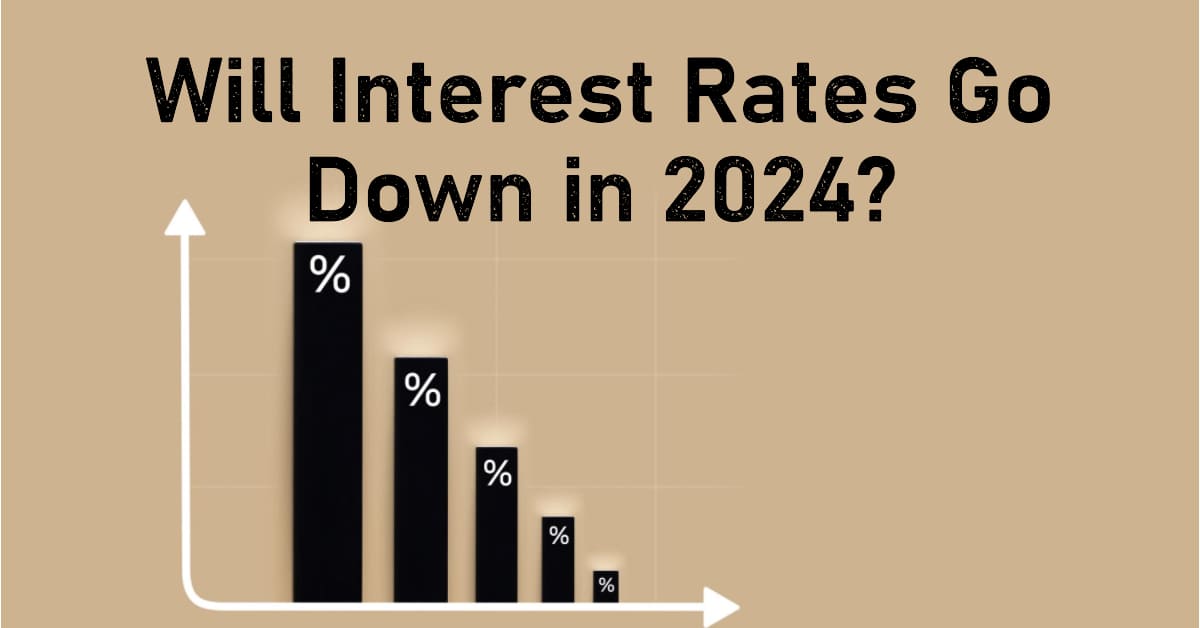
The Architecture of Central Bank Policy: Why Rates Stay High
The primary driver behind high interest rates is the battle against inflation. To understand when rates will fall, one must first understand why they rose so rapidly. Central banks, most notably the U.S. Federal Reserve, utilize the federal funds rate as a lever to control economic temperature.
The Mandate of the Federal Reserve
The Federal Reserve operates under a dual mandate: to promote maximum employment and maintain stable prices. Following the pandemic-era stimulus and subsequent supply chain disruptions, inflation surged to levels not seen in forty years. To combat this, the Fed raised rates to “restrictive” levels, intentionally slowing down borrowing and spending to bring inflation back toward its 2% target.
Measuring Inflation: CPI vs. PCE
Economists and policymakers keep a close eye on two primary metrics: the Consumer Price Index (CPI) and the Personal Consumption Expenditures (PCE) price index. The Fed prefers the Core PCE, which strips out volatile food and energy prices, as it provides a clearer picture of long-term inflation trends. Rates are unlikely to drop significantly until these metrics show a consistent, sustainable “glide path” toward the 2% mark.
The “Higher for Longer” Narrative
Throughout 2023 and into 2024, the prevailing sentiment among policymakers has been “higher for longer.” This strategy aims to ensure that inflation does not rebound—a mistake made in the 1970s when the Fed cut rates too early, leading to a second wave of hyperinflation. Therefore, the threshold for a rate cut is not just a dip in inflation, but a confirmed victory over price instability.
Decoding the Timeline: Expert Forecasts and Economic Indicators
Predicting the exact moment of a rate cut is a favorite pastime of Wall Street analysts, yet the timeline remains data-dependent. Current consensus suggests that the “pivot” is a matter of when, not if, but the window for that change is constantly shifting based on monthly economic reports.
Analyzing the “Dot Plot”
Every few months, the Federal Open Market Committee (FOMC) releases a Summary of Economic Projections, which includes the famous “dot plot.” This chart represents the individual projections of Fed officials regarding where interest rates should be in the coming years. By studying the movement of these dots, investors can gauge whether the committee is leaning toward a hawkish (maintaining or raising rates) or dovish (lowering rates) stance.
The Labor Market Factor
While inflation is the primary focus, the labor market plays a secondary but vital role. If the economy shows signs of a severe downturn—marked by a significant spike in unemployment—the Fed may be forced to cut rates to prevent a deep recession, even if inflation hasn’t quite hit the 2% target. Conversely, a “hot” labor market with high wage growth can be inflationary, prompting the Fed to keep rates elevated for a more extended period.
Global Interdependence: ECB and the Bank of England
The U.S. does not operate in a vacuum. The European Central Bank (ECB) and the Bank of England are facing similar struggles with inflation and growth. If major global economies begin cutting rates due to stagnation, it puts pressure on the Federal Reserve to follow suit to prevent the U.S. Dollar from becoming overly strong, which can hurt American exports and global trade balance.
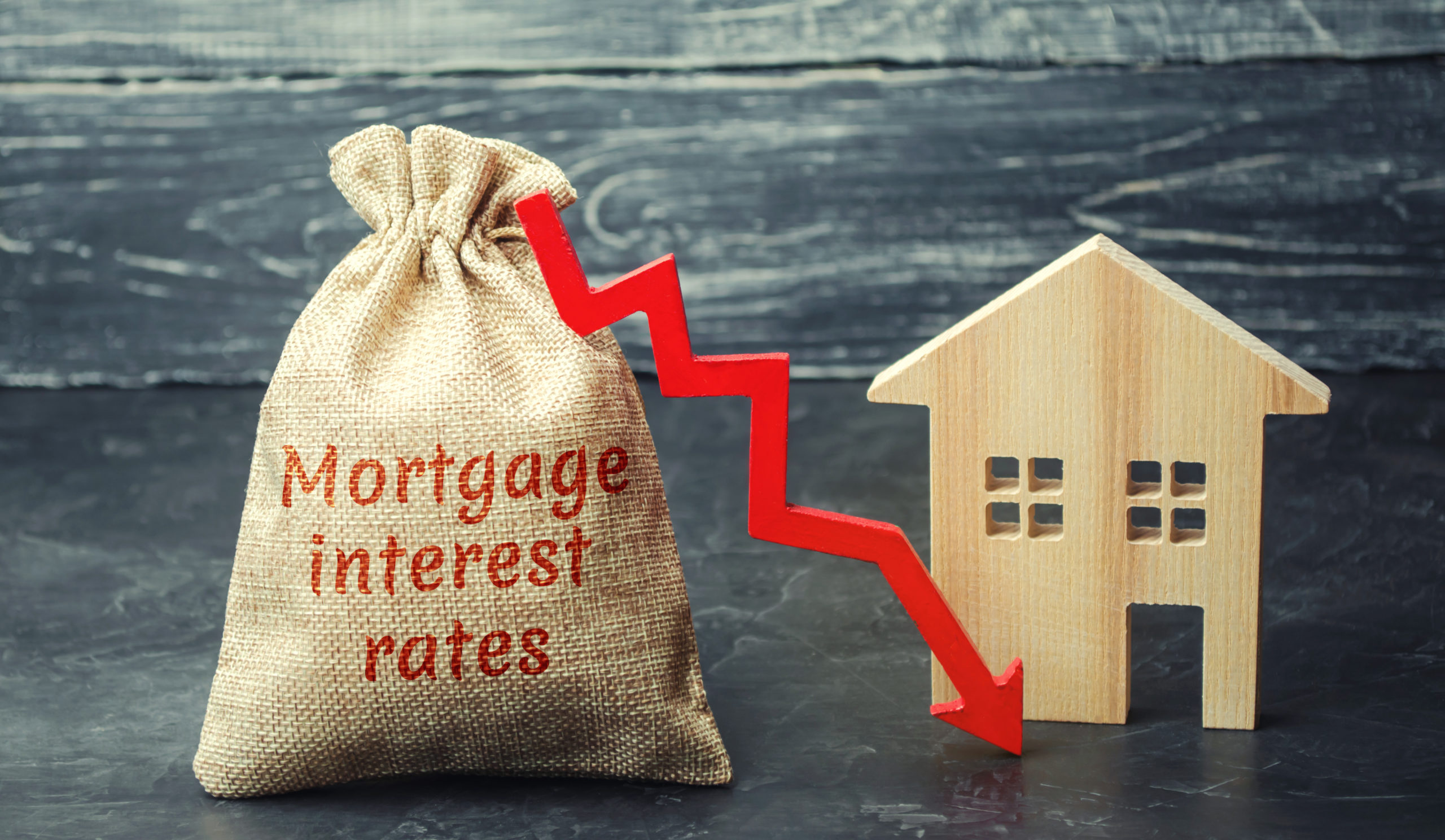
The Impact on Personal Finance: Mortgages, Savings, and Debt
For the average individual, interest rates are not just an abstract economic concept; they are a direct influence on monthly cash flow. The eventual drop in rates will provide relief to many, but it will also signal the end of certain lucrative opportunities.
The Housing Market and Mortgage Rates
The real estate sector has been the most visible victim of high rates. As mortgage rates climbed toward 7% and 8%, many potential buyers were priced out, and sellers with low-rate “golden handcuffs” refused to move. When interest rates eventually drop, we can expect a surge in housing market activity. However, a drop in rates often leads to increased competition, which can drive home prices higher, potentially offsetting the savings from lower monthly interest payments.
The Window of Opportunity for Savers
One of the few silver linings of high interest rates has been the return of meaningful yields on savings accounts, Certificates of Deposit (CDs), and Money Market Accounts. For over a decade, savers earned nearly zero interest. Today, 5% yields are common. When the Fed begins to cut rates, these yields will be the first to vanish. Smart investors are currently “locking in” high rates by purchasing long-term CDs or Treasury bonds before the pivot occurs.
Managing Variable-Interest Debt
Credit card rates and Home Equity Lines of Credit (HELOCs) are typically tied directly to the prime rate, which moves in lockstep with the Fed. For those carrying significant high-interest debt, a rate drop provides a vital opportunity to refinance or consolidate debt at a lower cost. Until then, the focus remains on aggressive repayment to avoid the compounding effect of high APRs.
Investment Strategies in a Declining Rate Environment
The transition from a high-rate environment to a declining one requires a tactical shift in investment portfolios. Different asset classes react differently to the easing of monetary policy.
The Resurgence of Bonds
The relationship between interest rates and bond prices is inverse: when rates go down, bond prices go up. Investors who move into fixed-income assets before the rate cut stand to benefit from both the current high yields and the capital appreciation of the bonds once rates decline. Long-duration Treasury bonds are particularly sensitive to rate changes and are often used by institutional investors to hedge against economic cooling.
Equity Markets: Growth vs. Value
Low interest rates are generally a “tail wind” for the stock market, particularly for growth and technology stocks. These companies often rely on future earnings, which are valued more highly when the “discount rate” (influenced by interest rates) is lower. Additionally, lower borrowing costs improve corporate profit margins. Conversely, “value” stocks in sectors like utilities or consumer staples may become less attractive as their steady dividends compete with the potentially higher returns found in a rebounding growth sector.
Diversification and Hedging
While a rate cut is generally viewed as positive for markets, it often comes as a response to slowing economic growth. Therefore, investors should remain diversified. Gold and other precious metals often perform well during the initial stages of a rate-cutting cycle, especially if the cuts are perceived as a reaction to a looming recession or if they lead to a weakening of the currency.
Conclusion: Preparing for the Pivot
The question of “when will interest rates drop” is a moving target, dictated by the delicate balance of inflation data and labor market stability. While current indicators suggest that we are nearing the peak of the rate cycle, the descent is likely to be more gradual than the ascent.
For the savvy financial planner, the current environment is a time for preparation rather than panic. It is a period to shore up balance sheets, lock in high yields on savings where possible, and prepare for a more active real estate and equity market in the coming years. By understanding the “why” behind central bank movements, you can position your personal and professional finances to thrive regardless of whether the Fed moves this quarter or the next. The era of cheap money may not return to the levels seen in the 2010s, but a more moderate, stable rate environment is on the horizon, promising a new chapter for the global economy.
aViewFromTheCave is a participant in the Amazon Services LLC Associates Program, an affiliate advertising program designed to provide a means for sites to earn advertising fees by advertising and linking to Amazon.com. Amazon, the Amazon logo, AmazonSupply, and the AmazonSupply logo are trademarks of Amazon.com, Inc. or its affiliates. As an Amazon Associate we earn affiliate commissions from qualifying purchases.