
In the intricate world of personal finance, certain pieces of information are foundational to almost every transaction you make. Among these, your bank routing number stands out as a critical identifier, acting as the digital address for your financial institution. Whether you’re setting up direct deposit for your paycheck, paying bills online, or transferring funds, knowing how to quickly and accurately locate this nine-digit code is indispensable. This guide will demystify the bank routing number, explain its profound importance, and provide clear, practical methods for finding it, ensuring your financial operations run smoothly and securely.

Understanding the Routing Number: The Backbone of US Banking
Before diving into how to find it, let’s establish a firm understanding of what a routing number is and why it holds such significance in the American financial system.
What Exactly is a Routing Number?
At its core, a routing number is a nine-digit code that identifies your specific financial institution in the United States. Also known as an ABA (American Bankers Association) routing transit number, it was originally developed in 1910 to facilitate the sorting and processing of paper checks. Today, its role has expanded exponentially to cover virtually all electronic funds transfers. When you send or receive money, this number acts like a postal code for your bank, directing the funds to the correct institution before your individual account number then directs it to your specific account.
Each of the nine digits carries specific information. The first four digits identify the Federal Reserve routing symbol, the next four identify the ABA institution, and the final digit is a check digit used to validate the entire number, preventing errors in processing. While a bank might have multiple routing numbers, these are usually specific to geographic regions, types of transactions (e.g., ACH vs. wire transfers), or even particular branches, especially for larger national banks.
Why Your Routing Number Matters for Personal Finance
The routing number is not merely a technical detail; it’s a vital component for numerous everyday financial activities that directly impact your personal finance management:
- Direct Deposit: This is perhaps the most common use. To receive your salary, tax refunds, social security benefits, or other regular payments directly into your bank account, your employer or payer will require both your routing number and your account number. It ensures your funds arrive swiftly and without hassle.
- Bill Payments: Setting up automatic bill payments for mortgages, utilities, car loans, credit cards, or insurance often involves providing your bank’s routing number alongside your account details. This automates your payments, helping you avoid late fees and manage your budget more effectively.
- Wire Transfers: For sending or receiving large sums of money, particularly for real estate transactions, international transfers (often requiring a SWIFT/BIC code in addition), or business-to-business payments, the routing number is crucial for directing the funds correctly.
- Electronic Fund Transfers (EFTs) and ACH Transactions: This broad category includes online payments, peer-to-peer transfers (though often masked by apps like Zelle or Venmo, the underlying system still relies on it), and various government payments. The Automated Clearing House (ACH) network, which processes most electronic transactions in the US, is heavily dependent on routing numbers.
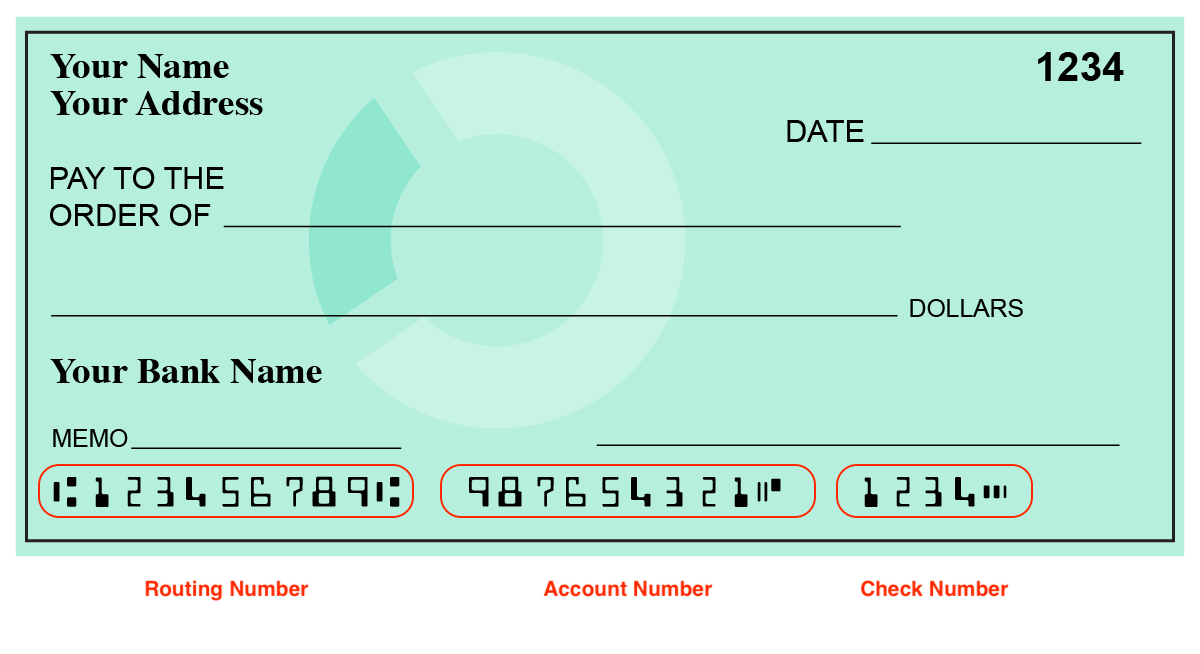
- Checks: On paper checks, the routing number is prominently displayed, often as the first set of numbers at the bottom left, signifying its fundamental role in check processing.
Without the correct routing number, financial transactions can be delayed, rejected, or, in worst-case scenarios, misdirected, leading to significant inconvenience and potential financial headaches.
Practical Methods to Locate Your Routing Number
Finding your bank routing number is typically straightforward, with several reliable methods at your disposal.
The Easiest Way: On Your Checks
For many, the quickest way to find their routing number is to look at a physical check from their checking account. At the bottom of most US checks, you’ll see three sets of numbers, printed in a magnetic ink character recognition (MICR) font. From left to right, they usually appear in this order:
- Routing Number: This is typically the first nine-digit number on the far left.
- Account Number: Your personal account number, unique to your specific bank account.
- Check Number: The number of the individual check.
Always ensure you are looking at a check that belongs to your bank and your specific account to avoid using an incorrect routing number.
Digital Banking: Online & Mobile Apps
In today’s digital age, your bank’s online platform and mobile app are invaluable resources for accessing your financial information.
- Online Banking Portal: Once you log into your bank’s official website, navigate to your account details. The routing number is often listed prominently on the main account summary page, within the “Account Information” section, or on your electronic statements. Some banks also include it in their “Contact Us,” “Help,” or “About Us” pages.
- Mobile Banking App: Similar to online banking, most mobile banking apps provide easy access to your routing number. Look for options like “Account Info,” “Details,” or by simply tapping on your checking account. Often, the information is displayed clearly alongside your account number.
Always ensure you are using the official bank website or app and are on a secure connection to protect your financial data.
Official Bank Documents and Websites
Beyond checks and digital banking portals, several other official sources can provide your routing number.
- Bank Statements: Whether you receive paper statements in the mail or access them digitally, your bank statements typically list the routing number for your account. It’s often found near your account number or in a general information section.
- Bank’s Official Website: If you can’t find it within your logged-in section, many banks provide their routing numbers for public access on their main website. Look for sections like “FAQs,” “Help,” “Contact Us,” or “About Us.” Some banks even have a dedicated “Find Your Routing Number” tool.
- Deposit Slips: Like checks, pre-printed deposit slips from your bank will also prominently display the routing number.
Contacting Your Bank Directly
If all else fails or if you prefer direct assistance, reaching out to your bank’s customer service is always an option.
- Customer Service Phone Line: Call your bank’s official customer service number. Be prepared to verify your identity (e.g., account number, date of birth, mother’s maiden name, security questions) before they can provide your routing number.
- Visiting a Branch: For in-person assistance, a bank teller at your local branch can easily provide your routing number and answer any related questions. Remember to bring a form of identification.
Important Considerations and Common Pitfalls
While finding your routing number is generally straightforward, there are crucial nuances and potential pitfalls to be aware of.
Bank-Specific Routing Numbers: It’s Not Always Just One!
A common misconception is that each bank has only one routing number. This is often not the case, particularly for larger national or regional banks. Many financial institutions utilize different routing numbers for:
- Geographic Regions: A bank might have distinct routing numbers for different states or regions to streamline processing.
- Transaction Types: There can be separate routing numbers for ACH transactions (like direct deposits and online bill pay) versus wire transfers (which are often more time-sensitive and involve higher security protocols).
- Specific Branch Locations: Though less common now, some older or smaller banks might have routing numbers tied to particular branches.
Always verify the correct routing number for the specific transaction you intend to make. When in doubt, especially for critical or high-value transfers, double-checking with your bank directly is the safest course of action. Using the wrong routing number can lead to delays or even misdirected funds.
Differentiating Routing Number from Account Number
This is perhaps the most critical distinction to grasp. While they are both nine-digit numbers (routing numbers are always nine digits, account numbers vary in length), they serve entirely different purposes:
- Routing Number: Identifies your bank (the financial institution).
- Account Number: Identifies your specific account within that bank.
Misidentifying these numbers is a common error that can result in failed transactions, funds being sent to the wrong account within the correct bank, or even irreversible financial losses. Always confirm which number is being requested and double-check your input.
Security and Safeguarding Your Financial Information
Your routing number, combined with your account number, provides access to your funds. Therefore, protecting this information is paramount.
- Phishing Scams: Be vigilant against unsolicited emails, texts, or phone calls requesting your routing number or other banking details. Legitimate financial institutions will never ask for this information in an insecure manner.
- Secure Channels: Only access your banking information through your bank’s official website (ensure the URL is correct and shows “https://”), their official mobile app, or by calling their verified customer service number. Avoid using links from suspicious emails.
- Public Wi-Fi: Exercise extreme caution when accessing sensitive financial information over unsecured public Wi-Fi networks, as they can be vulnerable to eavesdropping.
- Shred Old Documents: Properly shred old checks, bank statements, or deposit slips before discarding them to prevent identity theft.
Beyond Finding It: When and Why You’ll Need Your Routing Number
Knowing where to find your routing number is just the first step. Understanding the various scenarios where it’s required further solidifies its importance in your financial life.
Streamlining Your Financial Life
The routing number is an enabler for many convenient and efficient financial management practices:
- Setting up Direct Deposit: Essential for receiving your paycheck, government benefits (like Social Security or VA benefits), or tax refunds directly and quickly. It eliminates the need for paper checks and trips to the bank.
- Automating Bill Payments: Providing your routing and account numbers allows utility companies, loan servicers, and other creditors to automatically debit payments on due dates, preventing late fees and improving your credit score by ensuring timely payments.
- Linking External Accounts: Many budgeting apps, investment platforms, or peer-to-peer payment services require your routing and account numbers to link your external bank accounts. This facilitates seamless transfers between your different financial services.
International and Specialized Transactions
While the routing number is primarily for US domestic transactions, it plays a foundational role in others:
- Wire Transfers: For both domestic and international wire transfers, your bank’s routing number is essential. For international transfers, you’ll also typically need a SWIFT/BIC (Society for Worldwide Interbank Financial Telecommunication / Bank Identifier Code) code, which identifies your bank globally. These codes work in conjunction to ensure funds reach the correct international destination.
- Setting Up Payroll Services for a Small Business: If you’re an entrepreneur, understanding your bank’s routing number is crucial when setting up payroll for your employees or configuring business banking services with third-party providers.
Financial Tools and Integrations
Modern financial management heavily relies on integrated tools. Your routing number facilitates these connections:
- Budgeting Software: Platforms like Mint, YNAB, or Personal Capital often connect directly to your bank accounts to track spending and manage budgets, requiring your routing and account numbers for initial setup.
- Investment Platforms: Funding your brokerage accounts, retirement accounts (IRAs, 401ks), or withdrawing profits usually involves linking your bank account using these key identifiers.
The Future of Routing Numbers in a Digital Financial Landscape
Even as financial technology evolves at a rapid pace, the routing number continues to hold its ground as a fundamental component of the US banking system.
Continued Relevance in an Evolving System
Despite the rise of digital payment solutions like Zelle, Venmo, Cash App, and PayPal, the underlying infrastructure for most bank-to-bank transfers, especially larger ones, still relies on the Automated Clearing House (ACH) network, which in turn relies on routing numbers. Initiatives aimed at faster payments, such as the Federal Reserve’s FedNow Service, are designed to integrate with and enhance the existing banking architecture, not replace it entirely, meaning routing numbers will remain relevant.

Emerging Trends and Digital Wallet Integration
While digital wallets and payment apps often abstract away the need for users to manually enter routing numbers, these identifiers are still working behind the scenes. When you link your traditional bank account to a digital wallet, the routing and account numbers are used to establish that connection. As financial services become more interconnected, understanding these basic identifiers becomes even more important for troubleshooting and ensuring smooth operation across various platforms.
In conclusion, the bank routing number is far more than just a random sequence of digits; it’s a critical identifier that underpins the vast majority of financial transactions in the United States. Knowing how to find it reliably, understanding its purpose, and recognizing its importance for security and efficiency are essential skills for navigating your personal finance journey with confidence and control. By utilizing the methods outlined in this guide and remaining vigilant about your financial information, you can ensure your money moves exactly where it needs to go, every time.
aViewFromTheCave is a participant in the Amazon Services LLC Associates Program, an affiliate advertising program designed to provide a means for sites to earn advertising fees by advertising and linking to Amazon.com. Amazon, the Amazon logo, AmazonSupply, and the AmazonSupply logo are trademarks of Amazon.com, Inc. or its affiliates. As an Amazon Associate we earn affiliate commissions from qualifying purchases.