
Managing your personal finances effectively often involves making strategic decisions about your banking relationships. Whether you’re consolidating accounts, switching to a bank with better features, or simply no longer need a particular account, knowing how to properly close a checking account is a fundamental aspect of financial literacy. For many, the convenience of managing finances online is paramount, leading to the natural question: “How can I cancel my Chase checking account online?”
While the digital age has revolutionized much of banking, the process of account closure often retains certain security protocols that may require more than just a single click. This comprehensive guide will navigate you through the considerations, preparations, and steps involved in closing your Chase checking account, focusing on how you can leverage online tools and information to streamline the process, even if the final step requires direct interaction.

The Decision to Close Your Chase Checking Account
Deciding to close a checking account isn’t a trivial matter; it impacts your financial ecosystem and requires careful planning. Understanding the common motivations behind this decision and undertaking a thorough pre-closure checklist will ensure a smooth transition.
Common Reasons for Account Closure
People opt to close their checking accounts for a variety of valid financial and personal reasons. Recognizing these can help you confirm if closing your account is indeed the right move for your current situation.
One primary reason is switching banks for better offers or features. Competitors often entice new customers with sign-up bonuses, higher interest rates on checking or savings, lower fees, or superior digital banking tools. If your current Chase account isn’t meeting your evolving needs, exploring other options can be financially beneficial. Another common factor is relocation. Moving to a new city or state might mean your current bank no longer has convenient branch access, making a local bank a more practical choice for cash deposits or in-person services.
Dissatisfaction with service or fees can also be a significant driver. If you’ve experienced persistent issues with customer service, or if your account is regularly incurring fees you believe are unfair or avoidable elsewhere, it’s a clear signal to consider other options. Furthermore, consolidating accounts for simplicity is a common strategy. Managing multiple checking accounts can be cumbersome, and streamlining your finances into one or two primary accounts can simplify budgeting and tracking. Finally, you might simply no longer need the account, perhaps it was opened for a specific purpose that has since concluded, or you’ve shifted your primary banking to another institution. Whatever your reason, making an informed decision is the first step.
Pre-Closure Checklist: What to Consider First
Before you even think about initiating the closure process, a thorough review of your account and related financial arrangements is critical. This checklist will help you avoid potential headaches and ensure a seamless transition.
First, review your account balance and pending transactions. Ensure there are no outstanding checks or debit card transactions that could overdraw your account or be declined after closure. It’s best to let all pending items clear. Next, you must update all direct deposits and automatic payments. This is perhaps the most crucial step. All incoming funds, such as your salary, government benefits, or tax refunds, need to be redirected to your new primary account. Similarly, all outgoing automatic payments – including utility bills, loan payments, subscriptions, and insurance premiums – must be updated with your new bank account information. Failing to do so can lead to missed payments, late fees, and potential damage to your credit score.
Also, transfer any remaining funds out of your Chase account. You can do this via an ACH transfer to another bank, a wire transfer (though typically with a fee), or by withdrawing cash. It’s advisable to leave a small buffer, perhaps $10-20, to cover any unforeseen fees or lingering transactions, which can then be easily retrieved or sent to you via check after closure. Lastly, check for any linked accounts or services. This could include Chase credit cards, investment accounts, loans, or payment apps like PayPal or Venmo that might be directly tied to your checking account. Ensure these links are updated or severed as appropriate. Finally, understand any potential fees associated with closing your account, especially if it’s a relatively new account (some banks have early closure fees) or if you’re closing with a negative balance. Reviewing your account history can provide clarity on typical activity and ensure no surprises.
Preparing for Online Account Closure: Essential Steps
While the ultimate act of closing a bank account might not always be a fully online, one-click process, the preparatory steps can almost entirely be managed through digital channels. Leveraging Chase’s online banking features for these preparations is key to a smooth closure.
Draining Your Account Balance
The first practical step in preparing for closure is to reduce your account balance to zero, or as close to zero as possible, without overdrawing. This needs to be done carefully to prevent any issues.
One of the most common and convenient ways to drain your account is by transferring funds to another bank account via an Automated Clearing House (ACH) transfer. Most online banking platforms, including Chase’s, allow you to link external accounts and initiate transfers. This is typically free but can take 1-3 business days to complete. For larger sums, a wire transfer is an option, offering same-day delivery, but it usually comes with a fee. Alternatively, you can withdraw cash from an ATM or a Chase branch if you prefer a physical transfer of funds. For smaller remaining balances, you might consider using Chase’s bill pay service to make a final payment to a creditor or use your debit card for final purchases until the balance is depleted. Remember to monitor your account carefully during this process to ensure all transactions clear and the balance reaches your desired level.
Updating Recurring Transactions
This is arguably the most critical and often overlooked part of preparing for account closure. Failing to update recurring transactions can lead to significant financial inconvenience.
You’ll need to meticulously go through your records to identify all direct deposits and automatic bill payments. For direct deposits, this includes your payroll from your employer, social security benefits, pension payments, or any other regular income. You’ll need to contact each source and provide them with the routing and account number of your new primary bank account. Similarly, every automatic bill payment, ranging from utility bills (electricity, water, internet) and loan payments (mortgage, car, student) to subscriptions (streaming services, gym memberships) and insurance premiums, must be updated. Log into each service’s portal and change your payment method. Additionally, don’t forget linking to payment apps like PayPal, Venmo, or Zelle. Ensure these are either delinked from your Chase account or re-linked to your new primary account to avoid payment disruptions. This step requires patience and thoroughness, as missing even one recurring transaction can cause problems after your Chase account is closed.
Gathering Necessary Information
Even if you’re closing the account with online assistance, having all your details readily available will expedite the process.
Before you contact Chase, ensure you have easy access to your account number and routing number. These can be found on your checks, bank statements (which you can download from online banking), or within the Chase online banking portal itself. You will also need personal identification, such as your Social Security Number (SSN), driver’s license number, or other government-issued ID details, as this information is crucial for identity verification. Lastly, ensure you have your online banking login credentials handy. Being able to quickly log in, access statements, or use secure messaging will be vital during any online-assisted closure process. Gathering these details beforehand minimizes delays and ensures you can efficiently communicate with Chase representatives.
Navigating the Online Closure Process (If Available)
While the convenience of online banking extends to many aspects of financial management, a full “one-click” online account closure is rare for major financial institutions like Chase. This is primarily due to security measures and the need for direct customer interaction to confirm the decision and address any lingering issues. However, online tools can significantly aid in initiating the process and gathering necessary information.
Does Chase Allow Online Closure? Understanding Bank Policies
Most major banks, including Chase, prioritize security and verification when it comes to closing accounts. Unlike transferring funds or paying bills, closing an account severs a primary financial relationship, which necessitates careful handling. Therefore, it’s generally not possible to simply log into your Chase online account and find a “close account” button to finalize the process independently.
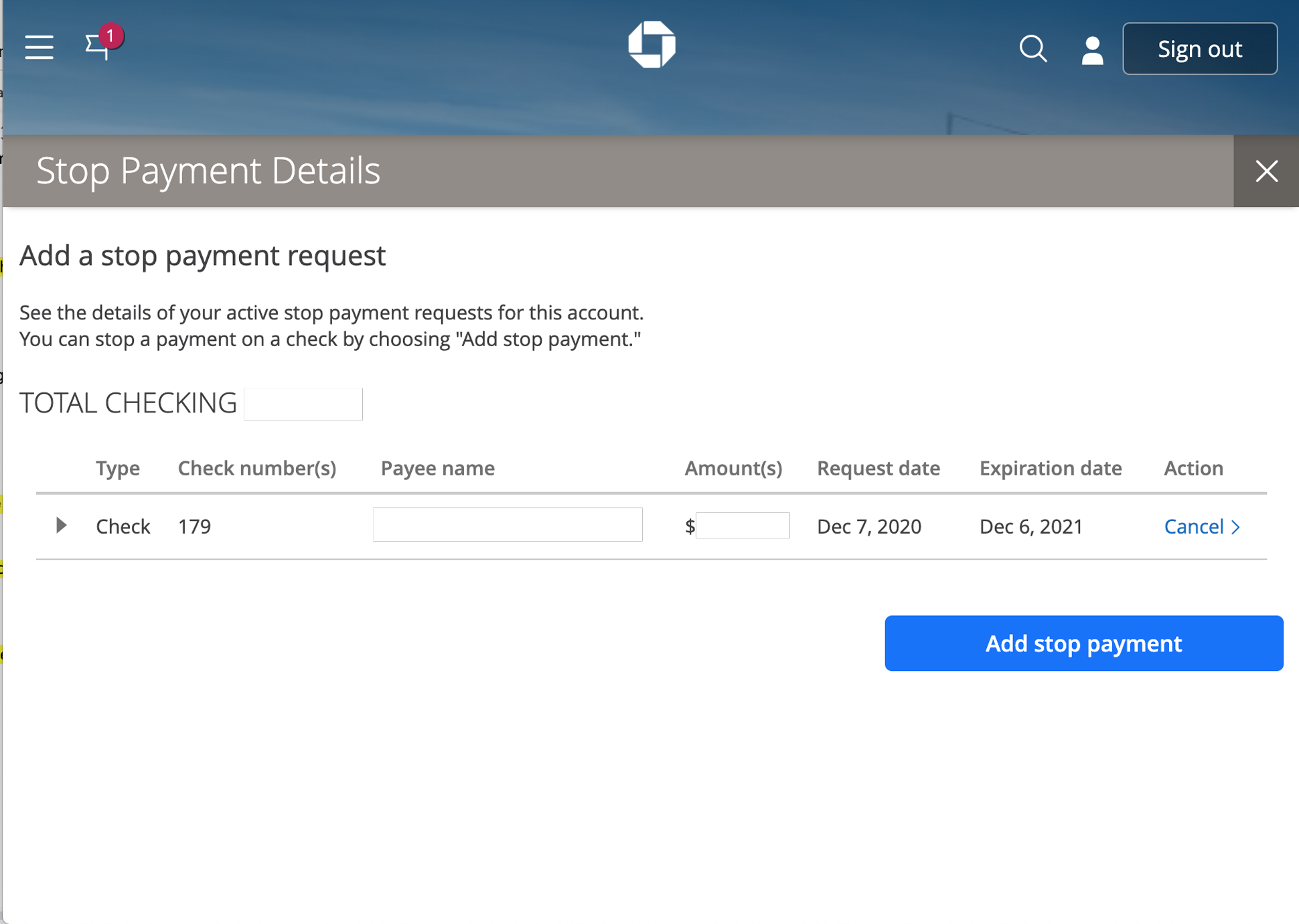
Banks typically require a more direct form of communication—either in person at a branch, over the phone, or via secure written communication (like a secure message within online banking, or a mailed letter). This ensures that the account holder’s identity is fully verified, that they understand the implications of closure, and that any remaining issues (like pending transactions, small balances, or linked accounts) are properly addressed. This direct interaction helps prevent fraudulent closures and ensures all parties are clear on the account status. While Chase’s online platform is robust for managing your account, it primarily serves as a tool for preparation and initiation rather than a final closure mechanism.
Steps to Initiate Closure via Chase Online Banking (or discover limitations)
Even without a direct closure button, Chase’s online banking portal is an invaluable resource for starting the process or finding the necessary support.
Begin by logging into your Chase Online Account. Once logged in, you’ll want to look for options related to account management or customer service. These are often found under sections labeled “Customer Service,” “Account Services,” “Help & Support,” or sometimes within the details of the specific checking account you wish to close. While you might not find an explicit “Close Account” link, you should look for options to “Contact Us” or send a “Secure Message.”
Using the secure message system within your Chase online banking is often the most direct online method to initiate the closure request. You can send a message explaining your desire to close the account, specifying the account number, and asking for the specific steps required. This creates a documented record of your request. Chase customer service representatives can then reply with instructions, potentially including a request for you to call a specific number or visit a branch, or even guide you through an online-assisted closure if feasible for your specific account type and circumstances. Additionally, ensure you download all your statements and transaction history for your records before initiating the formal closure process, as you might lose online access once the account is closed.
Alternative Online-Assisted Closure Methods
Beyond secure messaging, Chase offers other digital avenues that can assist you in the closure process, even if they don’t fully automate it.
Chase’s website might feature a Customer Service Chatbot or Live Chat functionality. While chatbots can often answer frequently asked questions, a live chat agent can provide more specific guidance on account closure procedures. They can confirm what information you need to provide and often give you the correct phone number or direct you to the nearest branch. Furthermore, the Chase website allows you to schedule an appointment online to visit a branch. If an in-person visit is ultimately required, pre-scheduling can save you time and ensure you meet with a representative who is prepared to assist with account closure. Finally, the website is the primary place to find contact information for phone support. You can locate the specific customer service number for checking accounts, which is often the most efficient way to finalize an account closure after all your online preparations are complete. Have your account details ready when you call to expedite the verification process.
Post-Closure Best Practices and Considerations
Once you’ve navigated the closure process, your responsibilities aren’t entirely over. Several post-closure best practices will help you confirm everything is in order and safeguard your financial records.
Confirming Account Closure
It’s crucial to verify that your Chase checking account has been officially closed to avoid any surprises.
Firstly, wait for written confirmation from Chase. Most banks will send an official letter or email confirming the account’s closure and a zero balance. Keep this document for your records. Secondly, you might want to monitor your old account for a brief period to ensure no unexpected activity occurs. While you shouldn’t attempt to log in if the account is officially closed, you can ensure no new direct deposits or automatic withdrawals inadvertently try to post. If any issues arise, contact Chase immediately. Lastly, it’s a good practice to check your credit report a month or two after closure. While checking accounts don’t directly impact credit scores, ensuring no unexpected issues related to bank overdrafts or collection efforts appear is prudent. You can obtain a free credit report annually from each of the three major credit bureaus.
Handling Final Statements and Tax Documents
Proper record-keeping is a cornerstone of good personal finance. Ensure you secure all necessary documents related to your closed account.
Before or immediately after closure, download and save all digital statements. You should have access to at least 7 years of statements through Chase’s online banking, but it’s best to download the last year’s worth or more, just in case. These statements contain vital information for tax purposes, budgeting, and proof of transactions. Store them securely on your computer or a cloud service. Additionally, if your account earned interest (even a minimal amount), Chase is legally obligated to send you a Year-End Tax Form (e.g., 1099-INT) if the interest earned was over a certain threshold ($10). Make sure Chase has your correct mailing address on file, even after closure, to ensure you receive these important documents for tax filing season.
What to Do If You Encounter Issues
Despite careful planning, issues can sometimes arise during or after the account closure process. Knowing how to address them is essential.
If you experience any discrepancies, unexpected fees, or difficulties in confirming closure, your first step should be contacting Chase Customer Service. For complex issues, a phone call is often more effective than secure messaging, as you can have a real-time conversation and explain the problem in detail. Be prepared with all your account information and records of your interactions. If you’ve exhausted Chase’s internal resolution channels and still believe an issue is unresolved or unfair, you can file a complaint with regulatory bodies. In the United States, the Consumer Financial Protection Bureau (CFPB) is the primary federal agency responsible for protecting consumers in the financial marketplace. They handle complaints about banks and other financial institutions and can help mediate disputes.
Exploring Alternatives to Full Closure
Closing a checking account isn’t always the only or best option. Sometimes, alternative strategies can better serve your financial needs without severing your relationship with a bank entirely.
Downgrading Your Account
If your primary concern is high fees or a lack of specific features, consider if switching to a no-fee or lower-fee checking account within Chase might be a viable alternative. Chase offers various checking account tiers, and you might qualify for a basic checking account with fewer requirements or no monthly service fee if you maintain a certain balance or have qualifying direct deposits. The benefits of maintaining a relationship with the bank can be significant. It can simplify applications for other Chase products like credit cards or loans in the future, and you retain access to their extensive ATM network and online banking tools. It’s worth discussing these options with a Chase representative before making a final decision to close.
Maintaining a Minimum Balance
For accounts that incur monthly service fees, simply maintaining a minimum balance can often waive these charges. Chase typically has specific minimum daily balance requirements or direct deposit thresholds to avoid fees on certain accounts. If you can meet these criteria, keeping the account open might be cost-effective and provide you with a backup banking option. This is less about actively using the account and more about strategic maintenance.
The Strategic Value of Keeping a Secondary Account
Having a secondary checking account, even if it’s not your primary one, can offer significant strategic advantages. It can serve as an excellent place for emergency funds, separate from your daily spending account, making it less likely you’ll dip into those savings for non-emergencies. It’s also useful for budgeting purposes, allowing you to allocate funds for specific categories like “rent,” “utilities,” or “entertainment” into separate accounts. Moreover, a secondary account provides a crucial backup in case of issues with your primary bank. If your main bank’s systems go down, your debit card is compromised, or you experience fraud, having an alternate account ensures you still have access to funds for essential expenses. Before closing your Chase account, evaluate if it could fulfill one of these valuable secondary roles for your financial strategy.
Closing a checking account, even partially “online,” is a multi-step process that requires careful attention to detail. By understanding your reasons, preparing meticulously, leveraging Chase’s online tools for initiation and information, and following through with post-closure best practices, you can ensure a smooth and financially sound transition.
aViewFromTheCave is a participant in the Amazon Services LLC Associates Program, an affiliate advertising program designed to provide a means for sites to earn advertising fees by advertising and linking to Amazon.com. Amazon, the Amazon logo, AmazonSupply, and the AmazonSupply logo are trademarks of Amazon.com, Inc. or its affiliates. As an Amazon Associate we earn affiliate commissions from qualifying purchases.