
In an era where every penny counts and optimizing personal finances is paramount, discerning consumers are constantly seeking avenues to maximize their purchasing power. One such avenue that frequently emerges in discussions about smart spending is a membership to Costco Wholesale. More than just a retail store, Costco operates as a members-only warehouse club, promising significant savings on a vast array of products and services. For many households, a Costco membership isn’t merely a convenience; it’s a calculated financial investment designed to stretch budgets further, reduce expenditure on everyday essentials, and unlock exclusive benefits that contribute to overall financial well-being.
This article delves into the financial underpinnings of a Costco membership, guiding prospective members through the decision-making process, highlighting the monetary advantages, and outlining how to navigate the enrollment to ensure it aligns with their personal finance goals. Becoming a Costco member is less about simply joining a club and more about adopting a strategic approach to household budgeting and expense management.
Understanding the Costco Membership Model: An Investment in Savings
At its core, the Costco membership model is designed around the principle of buying in bulk to pass significant savings on to members. This isn’t a philanthropic endeavor; it’s a sophisticated business strategy that benefits both the corporation and the consumer. For the financially astute shopper, understanding this model is the first step toward evaluating its potential as a savings tool.
The Core Value Proposition: Bulk Savings and Exclusive Deals
The most immediate financial benefit of a Costco membership comes from its bulk purchasing options. By buying larger quantities of goods—from groceries and household supplies to electronics and apparel—members typically achieve a lower unit price compared to traditional retail outlets. For families or individuals with ample storage space and a predictable consumption rate, this translates directly into tangible savings over time. Consider a household’s monthly spend on staples like toilet paper, paper towels, non-perishable food items, or even fresh produce; purchasing these in bulk at Costco can significantly reduce the cumulative cost, freeing up funds for other financial priorities or savings goals.
Beyond everyday bulk pricing, Costco consistently offers exclusive member-only deals and coupons that further enhance the financial attractiveness of membership. These limited-time offers, often communicated through their coupon books or online, can provide deep discounts on specific items, making strategic shopping an even more rewarding financial exercise. For individuals committed to budgeting, these targeted savings opportunities become powerful tools for reducing expenditure on planned purchases.
Membership Tiers: Executive vs. Gold Star and Their Financial Implications
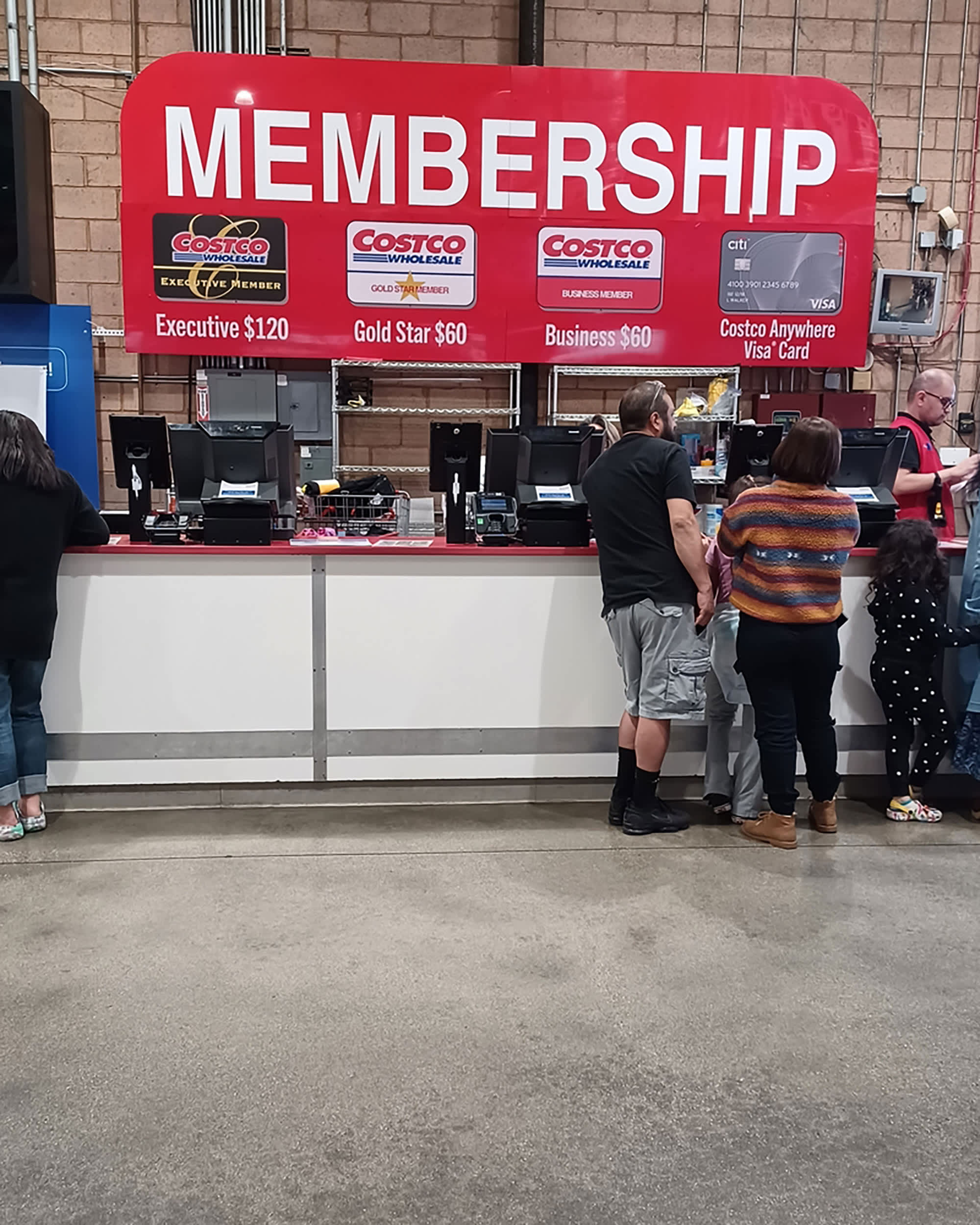
Costco offers different membership tiers, each with distinct financial implications that warrant careful consideration. The two primary personal memberships are Gold Star and Executive.
- Gold Star Membership: This is the standard entry-level membership, providing access to all Costco warehouses worldwide and online at Costco.com. The annual fee is straightforward, and members gain immediate access to bulk pricing and member-exclusive services.
- Executive Membership: Carrying a higher annual fee, the Executive membership offers all the benefits of Gold Star, plus an additional 2% annual reward on most eligible Costco purchases. This reward is issued as a certificate redeemable at Costco for merchandise or cash.
The choice between Gold Star and Executive is fundamentally a financial one. To determine which is more beneficial, prospective members must estimate their likely annual spending at Costco. The 2% reward from the Executive membership can quickly offset its higher annual fee. For example, if the Executive membership costs an additional $60 per year compared to Gold Star, a member would need to spend $3,000 annually at Costco ($60 / 0.02) to break even on the additional fee. Any spending beyond that amount results in net savings. This calculation encourages a proactive financial assessment, ensuring members select the tier that maximizes their return on investment from the membership fee.
The True Cost of Membership: Beyond the Annual Fee
While the annual fee is the most apparent cost, the true financial value of a Costco membership extends far beyond the price of admission. Many members find that the savings accumulated from ancillary services effectively negate or significantly reduce the “net cost” of their membership.
- Fuel Savings: Costco often offers some of the most competitive gasoline prices in a given area. For regular drivers, these savings can amount to hundreds of dollars annually, especially with fluctuating fuel costs.
- Prescription and Optical Savings: Costco’s pharmacies and optical centers often provide medications and eyewear at prices significantly lower than non-member alternatives, offering substantial financial relief for those with ongoing health needs.
- Travel and Car Rental Discounts: Members gain access to exclusive travel packages and car rental rates, which can yield significant savings on vacations or business trips.
- Other Services: From tire centers to business services, the breadth of Costco’s offerings provides avenues for members to save money across various aspects of their financial lives, demonstrating the multi-faceted return on the membership investment.
The Financial Rationale for Joining Costco: Maximizing Your Household Budget
For budget-conscious individuals and families, joining Costco is often seen as a strategic move to optimize household finances. It’s not just about spending less; it’s about smarter spending that enhances financial stability.
Identifying Potential Savings: Groceries, Household Goods, and Beyond
The most common areas for significant savings at Costco are groceries and household staples. Buying items like paper goods, cleaning supplies, pantry items, and even fresh produce in bulk can dramatically reduce the per-unit cost. However, the savings extend far beyond the pantry. Costco offers competitive pricing on electronics, small appliances, apparel, and even big-ticket items like furniture and outdoor equipment. A savvy shopper will analyze their regular expenditures across various categories and identify where bulk purchasing at Costco can yield the greatest financial dividends. This requires a level of financial foresight—planning purchases to align with Costco’s offerings rather than reactive shopping at higher-priced alternatives.
Calculating Your Break-Even Point: Is Costco Membership Right for You?
Before committing to a membership, it’s crucial to perform a personal financial assessment to determine if the investment is worthwhile. This involves calculating your break-even point.
- Estimate Annual Spending: Project your potential annual spending at Costco based on your current household budget for items you could purchase there.
- Factor in Savings: Assume an average saving percentage (e.g., 10-20% on certain items compared to your current retailers).
- Compare to Fee: Subtract your estimated savings from the membership fee.
- Consider Other Benefits: Don’t forget to quantify the potential savings from gas, prescriptions, travel, and other services.
If your projected annual savings (including all benefits) comfortably exceed the membership fee, then joining Costco is likely a financially sound decision. If your spending habits are minimal, or you lack storage space, the financial benefits might not outweigh the cost, making a direct membership less appealing. It’s also important to consider the risk of impulse purchases; the allure of large quantities and appealing displays can lead to overspending if not managed with strict budgetary discipline.
Leveraging Costco’s Financial Services and Member Benefits
Beyond tangible products, Costco provides an array of financial and value-added services that can contribute significantly to a member’s financial health. These include:
- Costco Anywhere Visa® Card by Citi: This co-branded credit card offers enhanced cash back rewards on purchases, including 4% on eligible gas and EV charging purchases (including Costco gas), 3% on restaurants and eligible travel, 2% on all other purchases from Costco and Costco.com, and 1% on all other purchases. For regular Costco shoppers, integrating this card into their spending strategy can significantly amplify their overall financial returns from membership.
- Auto Program: Exclusive pricing on new and used vehicles, potentially saving members thousands of dollars on a major purchase.
- Home and Auto Insurance: Competitive rates on insurance policies, offering another avenue for cost reduction on essential services.
- Business Services: For small business owners, Costco offers a range of services from payment processing to health insurance plans, providing cost-effective solutions for business operations.
These services transform the Costco membership from a simple shopping pass into a comprehensive financial toolkit, offering multiple pathways to savings and enhanced financial management.
The Step-by-Step Financial Journey to Becoming a Member
The actual process of becoming a Costco member is straightforward, but it’s crucial to approach it with a clear financial mindset, ensuring that each step aligns with your overarching financial goals.
Pre-Membership Assessment: Budgeting for the Fee and Potential Spending
Before signing up, allocate a line item in your personal budget for the annual membership fee. This seemingly small upfront cost is an investment, and like any investment, it should be planned for. Moreover, realistically assess how your spending habits might change. While the goal is to save money, the temptation of bulk purchases can lead to overspending if a clear budget isn’t in place for your Costco runs. Consider how often you’ll visit, what items you’ll primarily buy, and how much you’re willing to spend per trip to prevent budget blowouts.
Choosing Your Membership Type: A Financial Choice
Revisit the Gold Star vs. Executive membership decision based on your pre-assessment. If your estimated annual spending at Costco (excluding gas and other services where the 2% doesn’t apply directly but still contributes to overall savings) is likely to exceed the break-even point for the Executive membership, then the higher tier is a wise financial choice. Otherwise, start with Gold Star and upgrade later if your shopping patterns change. It’s about optimizing your financial outlay for the best return.
The Enrollment Process: In-Store vs. Online Payment Options
You can enroll in person at any Costco warehouse or online through Costco.com.
- In-Store: Visit the membership counter with a valid government-issued photo ID. You’ll fill out an application, pay the membership fee, and receive your photo membership card on the spot. This allows immediate access to the warehouse.
- Online: Navigate to Costco.com, select “Sign Up,” and follow the prompts. You’ll provide your details and pay the fee online. A temporary membership number will be provided, allowing online shopping immediately. You’ll then need to visit a warehouse membership counter to pick up your physical card with your photo.
Regardless of the method, the financial commitment is made upfront. Ensure you are using a payment method that aligns with your budgeting practices and financial security preferences.
Understanding the Renewal and Refund Policy: Managing Your Investment
Costco’s membership renewal is typically automatic unless you opt out. This is a point to note in your financial calendar to avoid unexpected charges. More importantly, Costco stands by its “satisfaction guarantee.” If you are dissatisfied with your membership at any time, Costco will refund your membership fee in full. This policy effectively mitigates the financial risk of joining, offering a safety net if the membership doesn’t yield the anticipated savings or meet your financial expectations. It provides assurance that your investment is protected.
Sustaining Financial Value: Smart Shopping Strategies for Costco Members
Simply having a Costco membership isn’t enough to guarantee financial savings. Savvy members employ specific strategies to ensure they continually maximize the value of their investment and avoid common pitfalls.
Strategic Shopping Lists and Unit Price Analysis
The vastness of Costco’s warehouses and the appeal of bulk items can lead to impulse purchases and overspending. A critical financial strategy is to always shop with a detailed list, focusing only on items you truly need and have budgeted for. Furthermore, always conduct unit price analysis. While an item may seem cheaper in bulk, comparing the “per ounce,” “per count,” or “per serving” price with smaller packages at other stores will reveal the true cost-effectiveness. This prevents the illusion of savings from overshadowing actual financial benefits. Be mindful of expiration dates for perishable goods; buying too much that goes to waste is a financial loss, not a gain.
Utilizing Executive Rewards and Credit Card Benefits
For Executive members, actively tracking and redeeming the 2% annual reward certificate is paramount. This reward represents a direct return on your spending and can be applied to future purchases or cashed out. Similarly, if you utilize the Costco Anywhere Visa Card by Citi, ensure you understand its cash-back categories and strategically use it for purchases that yield the highest rewards (e.g., gas, travel, dining, and, of course, Costco purchases). Integrating these reward mechanisms into your broader personal finance strategy can significantly boost your overall savings.
Avoiding the “Costco Trap”: Mindful Spending and Budget Adherence
The “Costco Trap” refers to the phenomenon where members, enticed by perceived savings and large quantities, end up spending more than they intended or needed. To avoid this financial pitfall:
- Stick to Your Budget: Treat your Costco trips like any other shopping excursion with a pre-determined budget.
- Don’t Be Swayed by Bulk Alone: Only buy items in bulk if you genuinely need and will consume the entire quantity before it spoils or becomes obsolete.
- Resist Impulse Buys: The center aisles of Costco are famously designed to encourage impulse purchases. If an item isn’t on your list and doesn’t align with a pre-planned financial need, resist the urge.
- Shop Less Frequently: Fewer trips can often mean less opportunity for unplanned spending.
A disciplined approach to shopping at Costco is essential for ensuring that the membership serves its intended purpose as a tool for financial optimization, rather than becoming an avenue for increased expenditure.

Conclusion
Becoming a Costco member is far more than simply acquiring a card; it’s a deliberate financial decision with the potential to yield significant savings and enhance a household’s overall financial health. By understanding the membership model, carefully evaluating the financial rationale, selecting the appropriate tier, and employing smart shopping strategies, members can transform their annual fee into a powerful investment. For the savvy shopper committed to budgeting, maximizing value, and making informed financial choices, a Costco membership represents a strategic pathway to smarter spending and greater financial well-being. It is, ultimately, a tool for empowering consumers to take greater control over their personal finances in a cost-conscious world.
aViewFromTheCave is a participant in the Amazon Services LLC Associates Program, an affiliate advertising program designed to provide a means for sites to earn advertising fees by advertising and linking to Amazon.com. Amazon, the Amazon logo, AmazonSupply, and the AmazonSupply logo are trademarks of Amazon.com, Inc. or its affiliates. As an Amazon Associate we earn affiliate commissions from qualifying purchases.