
In the rapidly evolving landscape of digital finance, peer-to-peer (P2P) payment platforms like Venmo have become indispensable tools for millions. From splitting dinner bills to sending rent money, Venmo offers a seamless way to transfer funds. Its widespread adoption often comes with the perception that it’s an entirely free service. While Venmo indeed offers many free functionalities, a deeper dive reveals a nuanced fee structure that savvy users and small businesses must understand to avoid unexpected charges and optimize their personal finance strategies. This guide will meticulously break down Venmo’s costs, empower you with knowledge, and help you leverage the platform effectively without financial surprises.
The Foundations of Free: Where Venmo Excels Without Charging
For the vast majority of users and typical P2P transactions, Venmo remains a cost-free solution, aligning perfectly with its promise of simplified money transfers. Understanding these free services is the first step in maximizing the app’s utility as a personal financial tool.
Standard Peer-to-Peer Transfers: The Core Free Service
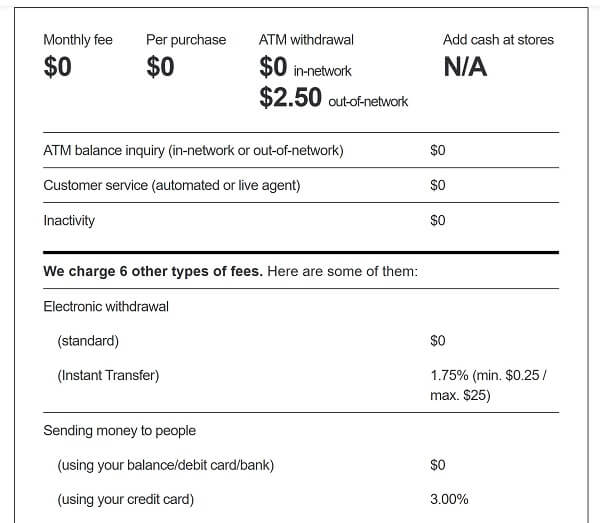
At its heart, Venmo facilitates free money transfers between users. When you send money to friends, family, or other individuals using funds from your linked bank account, debit card, or existing Venmo balance, there is no charge. This foundational service is what drives Venmo’s popularity, making it an ideal choice for everyday financial interactions like splitting shared expenses, paying back small loans, or sending gifts. The recipient also receives these funds free of charge when they remain in their Venmo balance or are transferred to a linked bank account via standard transfer.
Direct Deposit and Standard Withdrawals
Venmo has expanded its utility beyond simple P2P transfers to integrate more deeply into users’ financial lives. One such advancement is the ability to receive direct deposits, often for paychecks, government benefits, or tax refunds, directly into a Venmo account. Crucially, receiving direct deposits is entirely free. This feature can be particularly appealing for those who prefer to manage their funds within the Venmo ecosystem or lack traditional bank accounts.
Furthermore, once funds are in your Venmo balance, transferring them to a linked bank account via a standard transfer typically takes 1-3 business days and incurs no fees. This allows users to move money freely between their Venmo balance and their primary financial institutions without extra cost, provided they can wait for the standard processing time.
Basic Account Setup and Maintenance
Unlike some traditional banking services or certain financial apps, Venmo imposes no monthly maintenance fees, annual account fees, or charges for the initial setup of an account. Creating a profile, linking bank accounts and cards, and maintaining your Venmo presence is free. This accessibility makes Venmo an attractive option for a broad spectrum of users, from students to freelancers, who seek a low-cost, convenient way to manage informal financial transactions.
Navigating Transaction Fees: When Convenience Comes at a Cost
While many core services are free, Venmo, like most financial platforms, implements fees for certain types of transactions or services that offer enhanced convenience or involve third-party processing. Being aware of these specific charges is paramount for responsible financial management.
Credit Card Transactions: The 3% Standard
One of the most common fees users encounter is the 3% charge when sending money to another person using a linked credit card. This fee is not arbitrary; it covers the processing costs charged by credit card networks and issuing banks. When you use a credit card, Venmo effectively acts as a merchant, incurring these processing fees, which it then passes on to the sender.
For instance, if you send $100 using a credit card, you will be charged an additional $3, totaling $103. This fee serves as a crucial reminder to prioritize linked bank accounts or debit cards for personal payments to avoid unnecessary expenses. While paying with a credit card might offer rewards points, the 3% fee typically outweighs any potential gains, making it a financially imprudent choice for routine P2P transfers.
Instant Transfers: The Convenience Premium
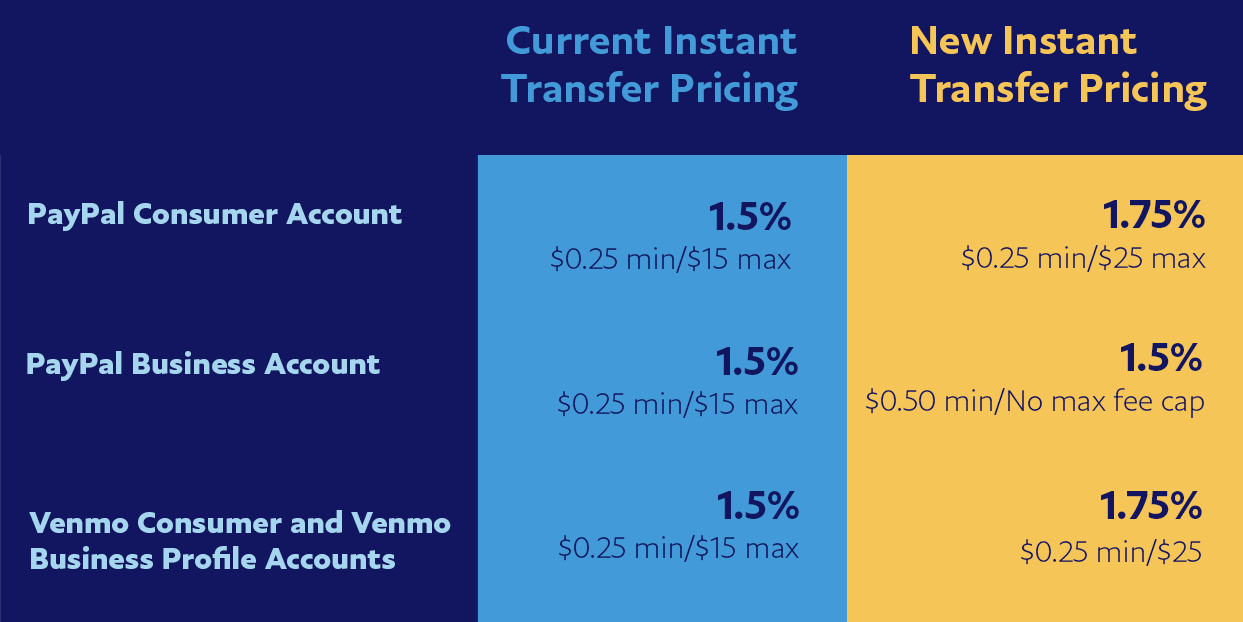
For users who need immediate access to their Venmo balance in their bank account or debit card, Venmo offers an instant transfer option. While standard transfers are free and take 1-3 business days, instant transfers typically deliver funds within minutes. This speed comes at a cost: a fee of 1.75% of the transferred amount, with a minimum charge of $0.25 and a maximum cap of $25.
This fee is essentially a premium for expedited service. For example, transferring $100 instantly would incur a $1.75 fee, while a $1,000 transfer would cost $17.50. Users must weigh the urgency of their financial needs against this convenience fee. For planned expenses or non-urgent fund movements, waiting for the free standard transfer is the more financially sound decision. However, in emergency situations or when timing is critical, the instant transfer fee can be a justifiable expense.
Cryptocurrency Purchases and Sales
Venmo has broadened its offerings to include cryptocurrency trading, allowing users to buy and sell popular digital assets like Bitcoin, Ethereum, Litecoin, and Bitcoin Cash directly within the app. While this offers an accessible entry point into the crypto market, it’s not a free service. Venmo applies a tiered fee structure for cryptocurrency transactions, which typically varies based on the transaction amount.
For purchases and sales, Venmo charges a service fee for each transaction. For amounts between $1 and $24.99, the fee is $0.50. For larger amounts, it can range from 1.50% to 2.3% of the transaction value. These fees are transparently displayed before you confirm any crypto trade. It’s crucial for users engaging in crypto activities on Venmo to understand these fees, as they can impact potential gains or losses, and to compare them with dedicated crypto exchanges which might offer different fee structures. This feature positions Venmo not just as a P2P app, but also as a financial platform with diverse investment options, each with its own cost implications.
Using the Venmo Debit Card and Credit Card
Venmo offers both a debit card and a credit card, extending its utility into everyday spending. Each has its own fee considerations:
- Venmo Debit Card: This card allows users to spend their Venmo balance anywhere Mastercard is accepted. Generally, there are no fees for making purchases with the Venmo Debit Card. However, ATM withdrawals can incur fees. Venmo charges a $2.50 fee for out-of-network ATM withdrawals (i.e., not within the MoneyPass network), plus any fees charged by the ATM operator. Over-the-counter cash withdrawals may also incur a $3.00 fee.
- Venmo Credit Card: This is a traditional credit card issued by Synchrony Bank, but managed through the Venmo app. Like any credit card, it comes with a range of potential fees, including annual percentage rates (APRs) for purchases, cash advance fees (typically 3% or $10, whichever is greater), late payment fees, and potentially foreign transaction fees if used internationally. While the card offers cashback rewards on eligible purchases, understanding its full fee schedule and interest rates is vital to avoid accumulating debt and managing personal credit effectively.
Business Transactions and Seller Fees: Beyond Casual Transfers
Venmo’s utility extends beyond informal peer-to-peer exchanges. It also serves as a payment solution for small businesses, freelancers, and individuals selling goods and services. However, these commercial transactions operate under a different fee structure designed for business use.
Business Profiles and Goods & Services Payments
For individuals or small businesses receiving payments for goods and services, Venmo offers business profiles. Payments made to a business profile are subject to a seller transaction fee. This fee is typically 1.9% + $0.10 for each qualified payment received. This fee is analogous to merchant processing fees charged by other payment processors like PayPal or traditional point-of-sale systems.
For example, if a client pays a freelancer $100 for services via Venmo’s business profile feature, the freelancer would receive $98.00 ($100 – (1.9% of $100 + $0.10)). It’s crucial for sellers to account for this fee in their pricing strategies to maintain profitability. Venmo specifically encourages users receiving payments for goods or services to utilize business profiles to ensure proper transaction classification, buyer and seller protection eligibility, and tax reporting compliance. Attempting to receive payments for goods/services via a personal profile to bypass fees can lead to account flags or limitations.
Authorized Merchants and In-App Purchases
Venmo can also be used to pay at a growing number of authorized merchants, both online and in-app. When you use Venmo to complete a purchase from an approved merchant, the buyer typically does not incur any transaction fees. The merchant, like with any payment processor, is responsible for paying the processing fees to Venmo. This makes using Venmo for purchases from participating retailers a convenient and free option for the consumer, allowing them to leverage their Venmo balance or linked funding sources.
Hidden Costs and Financial Prudence: Maximizing Your Venmo Experience
Beyond the explicit transaction fees, there are several indirect or less obvious costs associated with using Venmo that financially savvy individuals should consider to maintain optimal personal finance habits.
ATM Fees with the Venmo Debit Card
As mentioned, while the Venmo Debit Card is free for purchases, using it at out-of-network ATMs can lead to a combination of Venmo’s own $2.50 fee and potential surcharges from the ATM operator. These fees can quickly accumulate, turning what seems like a simple cash withdrawal into an expensive transaction. Conscious users should identify MoneyPass ATMs or plan withdrawals in advance to avoid these charges.
Foreign Transaction Fees (Indirect)
While Venmo’s P2P service is primarily confined to the U.S. and does not support international transfers, using a linked credit card that charges foreign transaction fees for your Venmo payment could indirectly lead to extra costs if you are using Venmo in specific scenarios where such fees might apply (e.g., if you were to use a U.S.-issued credit card tied to your Venmo account while traveling abroad, though this is less common for typical Venmo use). More directly, the Venmo Credit Card, like many other credit cards, may impose foreign transaction fees (often around 3%) when used for purchases outside the United States. This is a vital consideration for international travelers who use the Venmo Credit Card.
Overdrafts and Insufficient Funds
One critical indirect cost relates to insufficient funds. If you attempt to send money via Venmo using a linked bank account that does not have enough money, your bank might charge you an overdraft fee or a non-sufficient funds (NSF) fee. Venmo itself typically won’t charge a fee in this scenario, but your financial institution will. These bank fees can range from $25 to $35 per incident, making it imperative to always verify your bank balance before initiating transactions that draw directly from your checking account.
Opportunity Cost of Funds
While not a direct fee, a significant financial consideration for users who keep large balances in their Venmo account is the “opportunity cost.” Unlike traditional savings accounts or even some high-yield checking accounts, funds held in a Venmo balance do not typically earn interest. This means any money sitting idle in your Venmo account could be earning returns elsewhere. For substantial amounts, this opportunity cost can translate into missed potential earnings over time, urging users to regularly transfer excess funds to interest-bearing accounts.
Smart Strategies to Minimize Venmo Costs
Armed with a comprehensive understanding of Venmo’s fee structure, users can adopt smart strategies to minimize costs and maximize the platform’s financial benefits.
Prioritize Linked Bank Accounts or Debit Cards
This is the golden rule for cost-effective Venmo usage. Always default to using your linked bank account or debit card for peer-to-peer transfers to avoid the 3% credit card transaction fee. This simple habit can save you significant amounts over time.
Plan Ahead for Funds
To sidestep the 1.75% instant transfer fee, anticipate your need for funds. If you know you’ll need money from your Venmo balance in your bank account within a few days, initiate a standard (free) transfer well in advance. Reserve instant transfers only for genuine emergencies or time-sensitive situations where the fee is justified.
Understand Business vs. Personal Payments
If you are selling goods or services, always use a Venmo business profile to accept payments. This ensures proper categorization, provides potential buyer/seller protections, and aligns with Venmo’s terms of service. For buyers, if you’re purchasing from a business or a seller, make sure they are using a business profile. Attempting to disguise commercial transactions as personal payments to avoid fees can lead to account suspension or issues for both parties.
Monitor Your Statements Regularly
Make it a habit to review your Venmo transaction history and compare it with your linked bank and credit card statements. This practice allows you to catch any unexpected fees, unauthorized transactions, or discrepancies promptly, ensuring your financial records are accurate and secure.
Explore Alternatives (When Applicable)
While Venmo is excellent, it’s not the only P2P payment option. Other platforms like Zelle, for example, often facilitate completely free and instant bank-to-bank transfers directly through banking apps, without the instant transfer fees Venmo might charge. PayPal, Venmo’s parent company, offers similar services but with slightly different fee structures. For international transfers, specialized services like Wise (formerly TransferWise) or Remitly often offer more competitive exchange rates and lower fees. Understanding the landscape of payment apps allows you to choose the most cost-effective solution for each specific financial need.

Conclusion
Venmo stands as a powerful and convenient tool for digital money transfers, playing a significant role in modern personal finance. However, its “free” reputation is nuanced. While basic peer-to-peer transfers using bank accounts or Venmo balances are indeed free, a range of services—including credit card payments, instant transfers, cryptocurrency transactions, and business payments—come with explicit fees. Furthermore, indirect costs like ATM charges, potential bank overdrafts, and the opportunity cost of idle funds warrant careful consideration.
By understanding Venmo’s detailed fee structure, adopting smart financial habits, and utilizing its features judiciously, users can harness its benefits effectively while minimizing expenses. In the realm of personal finance, knowledge is power, and knowing “how much does Venmo cost” in various scenarios is essential for making informed decisions and ensuring your digital payment experiences are always cost-efficient and financially sound.
aViewFromTheCave is a participant in the Amazon Services LLC Associates Program, an affiliate advertising program designed to provide a means for sites to earn advertising fees by advertising and linking to Amazon.com. Amazon, the Amazon logo, AmazonSupply, and the AmazonSupply logo are trademarks of Amazon.com, Inc. or its affiliates. As an Amazon Associate we earn affiliate commissions from qualifying purchases.