
In an increasingly digital financial landscape, platforms like Cash App have revolutionized how individuals manage their money, from sending funds to friends and family to receiving payments and even dabbling in investments. While its peer-to-peer capabilities are widely recognized, the ability to seamlessly transfer funds from your Cash App balance directly to your traditional bank account is a critical feature for effective personal financial management. This process allows users to consolidate funds, pay bills, save for goals, or simply move money to where it’s most needed within their broader financial ecosystem.
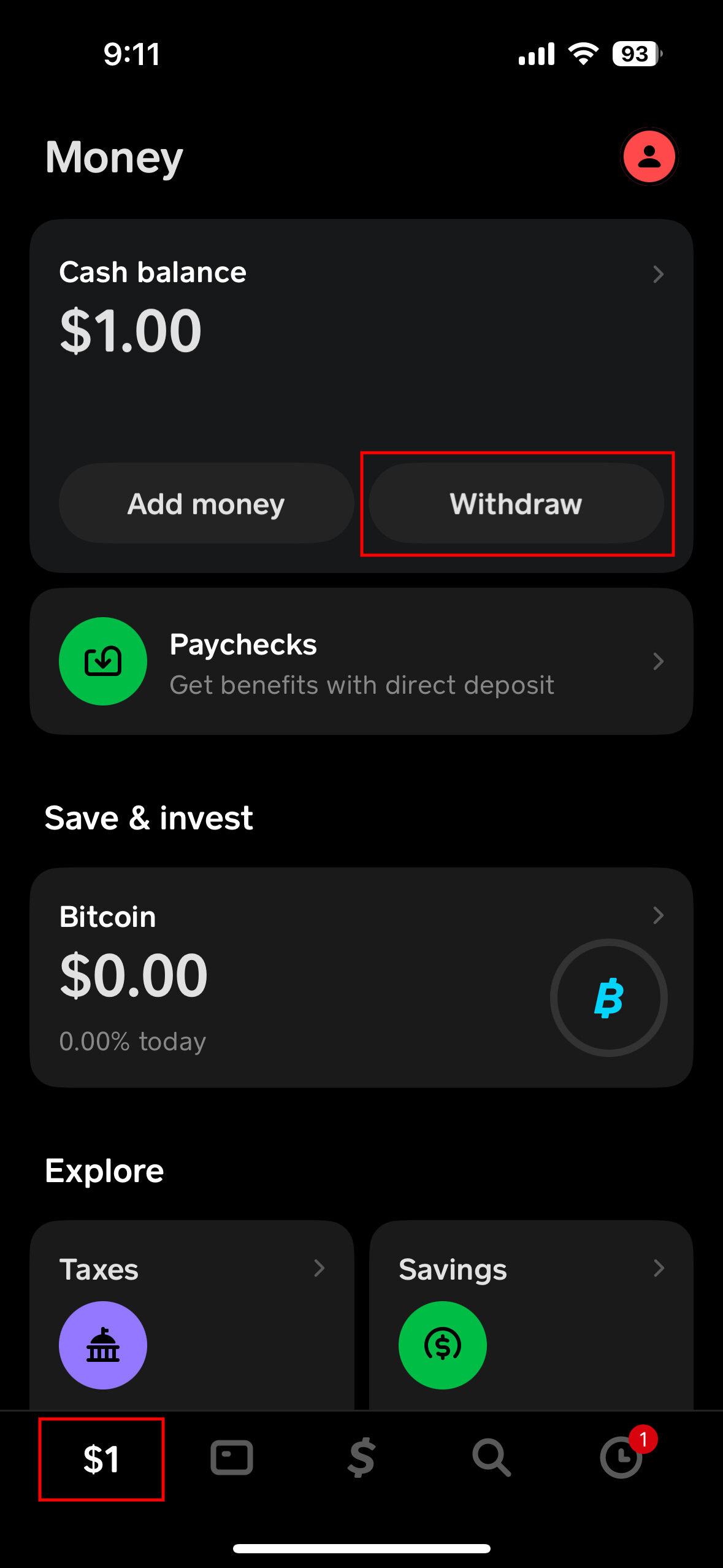
Understanding the mechanics, costs, and best practices of moving money from your digital wallet to your bank is essential for anyone leveraging Cash App as part of their financial toolkit. This comprehensive guide will walk you through every step, offering insights into optimizing your transfers and integrating Cash App into a sound financial strategy, ensuring your digital funds work efficiently for you.
Cash App’s Role in Modern Personal Finance: Convenience Meets Control
The proliferation of financial technology (fintech) has fundamentally reshaped personal finance, offering unprecedented levels of convenience and control over one’s money. Cash App, developed by Square (now Block, Inc.), stands out as a prominent player in this revolution, transitioning from a simple peer-to-peer payment service to a multifaceted financial tool. Its intuitive interface and broad range of functionalities have made it a staple for millions, democratizing access to financial services that were once solely the domain of traditional banks.
The Rise of Digital Payment Platforms and Cash App’s Position
The demand for instant, frictionless financial transactions has fueled the rapid growth of digital payment platforms. Cash App emerged as a frontrunner by simplifying money transfers, making it as easy as sending a text message. This accessibility has been particularly impactful for younger demographics and those seeking alternatives to conventional banking systems. Its integration with other financial activities, such as direct deposits and even stock and Bitcoin trading, positions it not just as a payment app, but as a robust digital financial hub. For many, Cash App serves as a primary conduit for managing everyday expenses, receiving income, and conducting quick, low-cost transfers, making the ability to move these funds to a traditional bank account a crucial link in their financial chain. This transfer capability ensures that funds held digitally are not isolated but can be readily accessed and integrated with broader financial planning, from bill payments to savings goals.
Core Financial Functions Beyond Peer-to-Peer
While sending and receiving money between individuals remains a core function, Cash App has significantly expanded its utility, transforming into a more comprehensive financial tool. Users can receive paychecks directly into their Cash App account using its routing and account numbers, effectively utilizing it as an alternative or supplementary bank account. The associated Cash Card, a customizable debit card, allows spending directly from the Cash App balance, linking digital funds to real-world transactions. Furthermore, the platform offers features for investing in stocks and Bitcoin, setting it apart from many competitors by providing avenues for wealth growth directly within the app. Each of these functions generates or holds funds within the Cash App ecosystem, underscoring the importance of understanding how to transfer these balances to a linked bank account for varied financial needs, such as paying mortgages, making large purchases, or moving funds to a high-yield savings account.
Security Measures for Your Financial Transactions
In any discussion of digital finance, security is paramount. Cash App employs a robust suite of security measures to protect user funds and personal information. This includes encryption technology for all data transmitted between your device and their servers, ensuring that your financial details are shielded from unauthorized access. Users are also encouraged to enable two-factor authentication (2FA) for an added layer of security, which requires a code sent to their phone or email in addition to their PIN or fingerprint. For suspicious activities, Cash App provides immediate notification and allows users to report unauthorized transactions. Furthermore, Cash App is PCI DSS Level 1 compliant, adhering to the highest standards for payment processing. While these measures significantly enhance safety, users also bear responsibility for maintaining strong, unique passwords and being vigilant against phishing scams. Understanding and utilizing these security features is crucial for confident and secure management of your funds, especially when transferring substantial amounts to your bank.
Preparing for Your Transfer: Linking Your Bank Account with Cash App
Before you can initiate any transfer from your Cash App balance to your bank, the fundamental prerequisite is to have a linked bank account. This crucial step establishes the bridge between your digital wallet and your traditional financial institution, enabling seamless fund movement. The process is designed to be straightforward, but understanding its importance and execution is key to a hassle-free experience.
Why Linking is Essential for Financial Fluidity
Linking your bank account to Cash App is more than just a setup requirement; it’s an essential component for achieving financial fluidity. Without a linked account, your funds would remain confined within the Cash App ecosystem, limiting their utility. While you could spend via the Cash Card, the ability to transfer funds to your bank unlocks a multitude of possibilities. It allows you to pay bills that aren’t supported by Cash App, move money into dedicated savings or investment accounts, or simply access cash at an ATM using your traditional bank’s debit card. For individuals managing multiple financial accounts or consolidating funds for specific goals (e.g., down payment, debt repayment), this linkage is indispensable. It transforms Cash App from an isolated digital wallet into an integrated part of your broader financial strategy, ensuring that your money is always accessible and actionable across various platforms.
Step-by-Step: Adding Your Bank Account to Cash App
Adding your bank account to Cash App is a simple, guided process within the app. Here’s how to do it:
- Open Cash App: Launch the Cash App on your mobile device.
- Navigate to the Banking Tab: Tap the banking icon (looks like a house or a bank building, typically in the bottom-left corner).
- Link Bank: Under the “Cash Out” or “Linked Accounts” section, you’ll see an option to “Link Bank.” Tap on it.
- Enter Your Bank Information: Cash App typically uses Plaid, a secure third-party service, to connect to your bank. You will be prompted to select your bank from a list and then securely log in using your online banking credentials. This method is highly secure and verifies your account instantly.
- Manual Linking (if necessary): If your bank isn’t listed or you prefer not to use Plaid, there’s usually an option for manual linking. This involves entering your bank’s routing number and your bank account number. Be extremely careful to enter these numbers accurately, as an error could lead to delays or misdirected funds.
- Confirmation: Once successfully linked, your bank account will appear under your “Linked Accounts” or “Cash Out” options, indicating it’s ready for transfers.
It’s crucial to ensure that the bank account you link is in your name to avoid any potential verification issues or transfer delays.
Verifying Your Bank Account for Secure Transfers
While linking your bank account via Plaid often provides instant verification, manual linking might require an additional step to confirm ownership and security. In such cases, Cash App may initiate small “micro-deposits” (usually a few cents) into your linked bank account. You will then be prompted to verify these amounts within the Cash App. This process, though slightly time-consuming, is a critical security measure to ensure that you are indeed the owner of the bank account being linked.
Verifying your bank account is not just about security; it also helps prevent fraud and ensures the smooth processing of future transactions. An unverified account may face limitations on transfer amounts or be subject to holds. By completing this step diligently, you establish a trusted connection between Cash App and your bank, paving the way for reliable and efficient fund transfers without unnecessary hurdles or delays, reinforcing your control over your personal finances.
Executing a Successful Transfer: Standard vs. Instant Deposits
Once your bank account is securely linked and verified, you are ready to transfer funds from your Cash App balance. Cash App offers two primary methods for this: the standard deposit and the instant deposit. Each comes with its own timeline, cost, and implications for your financial planning. Choosing the right method depends on the urgency of your need and your willingness to incur a small fee for speed.
The Standard Deposit: Patience Pays Off (1-3 Business Days)
The standard deposit is the default and free option for transferring money from your Cash App to your linked bank account. When you choose this method, your funds typically arrive within 1 to 3 business days. This timeframe excludes weekends and holidays, so if you initiate a transfer on a Friday, it might not appear in your bank account until the following Tuesday or Wednesday.
How to initiate a Standard Deposit:
- Open Cash App: Navigate to the main screen.
- Tap the Banking Tab: Select the banking icon (house/bank).
- Tap “Cash Out”: This option will be visible below your Cash App balance.
- Enter Amount: Input the amount you wish to transfer.
- Choose “Standard”: When prompted to select your deposit speed, ensure “Standard” is chosen.
- Confirm: Review the details and confirm the transfer.
This method is ideal for funds you don’t need immediately, such as moving savings, consolidating balances at the end of the month, or topping up an account for upcoming non-urgent payments. While it requires a bit more patience, the benefit of zero fees makes it an economically sound choice for routine financial management.
Instant Deposits: Speed at a Small Cost
For those times when you need immediate access to your funds, Cash App offers the instant deposit option. As the name suggests, funds transferred this way are typically available in your linked bank account within minutes, often almost instantaneously. The trade-off for this speed is a small fee, usually 0.5% to 1.75% of the transferred amount, with a minimum fee applied to very small transfers. The exact percentage can vary, so always check the fee displayed before confirming your transaction.
How to initiate an Instant Deposit:
- Follow steps 1-4 for Standard Deposit.
- Choose “Instant”: When prompted for deposit speed, select “Instant.”
- Review Fee: The app will clearly display the fee associated with the instant transfer.
- Confirm: Review the details, including the fee, and confirm the transfer.
Instant deposits are perfect for urgent situations, such as unexpected expenses, covering an overdraft, or making a time-sensitive payment. While the fee is a consideration, the convenience and immediate access to funds often justify the cost for critical financial needs. It’s important to weigh the urgency against the fee to make a fiscally responsible decision.
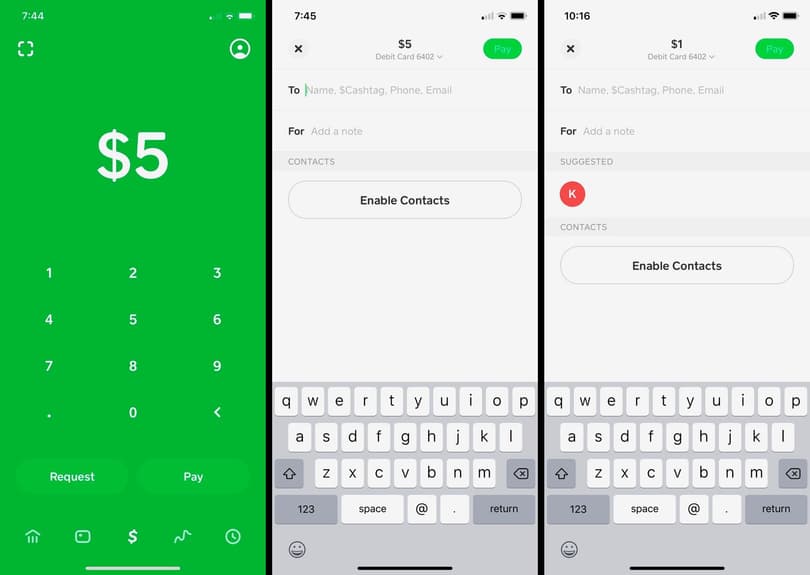
Navigating Transfer Limits and Potential Holds
Both standard and instant deposits are subject to daily and weekly transfer limits, which Cash App implements for security and regulatory compliance. These limits can vary based on your account verification status. Unverified accounts typically have lower limits compared to fully verified accounts. To increase your limits, Cash App will prompt you to verify your identity by providing your full name, date of birth, and the last four digits of your Social Security Number. Fully verifying your account not only expands your transfer capabilities but also enhances overall account security.
Additionally, while instant deposits are generally quick, transfers can occasionally be subject to holds or delays. This might occur due to:
- Bank Processing Times: Even “instant” transfers can sometimes be held up by the receiving bank’s internal processing systems, especially during off-hours or on weekends.
- Security Reviews: Large transfers or transactions flagged as unusual may undergo an automated security review, which can cause temporary delays.
- Incorrect Information: Though less common with linked accounts, any discrepancies in account information could lead to processing issues.
If you experience a significant delay, it’s advisable to check your Cash App activity feed for transaction status updates and then contact Cash App support or your bank if necessary. Understanding these limits and potential hiccups allows for better financial planning and helps mitigate stress when moving funds.
Optimizing Your Cash App Transfers: Fees, Frequency, and Best Practices
Effectively managing your Cash App transfers involves more than just knowing how to move money. It requires a strategic approach to minimize costs, maximize efficiency, and ensure the security of your funds. By understanding the nuances of fees, considering the frequency of your transfers, and adhering to best practices, you can optimize your use of Cash App within your broader financial strategy.
Understanding the Cost Structure: When to Pay for Speed
The primary cost associated with Cash App transfers is the fee for instant deposits. As noted, this typically ranges from 0.5% to 1.75% of the transaction amount. For small amounts, this might translate to a few cents, but for larger transfers, it can quickly add up. For example, a $1,000 instant transfer could incur a fee of $5 to $17.50. In contrast, standard deposits are always free.
When to pay for speed:
- Emergencies: If you urgently need funds to avoid an overdraft fee from your bank, pay a bill that’s due immediately, or cover an unexpected expense, the instant transfer fee is often a small price to pay for immediate access.
- Time-Sensitive Payments: If you’re making a deposit to another platform (e.g., an investment account that has a strict cutoff time) or need to meet a deadline, instant transfer might be necessary.
- Convenience for Small Amounts: For very small sums, where the fee is minimal (e.g., $0.25 on a $25 transfer), the convenience might outweigh the cost.
When to choose the free standard option:
- Non-Urgent Funds: For routine transfers, such as moving weekly allowances, consolidating funds at the end of the month, or transferring money for future savings goals, the standard deposit is the financially prudent choice.
- Large Transfers: The percentage-based fee for instant transfers can become substantial on larger sums. Opting for the free standard transfer on these amounts can save you a significant amount over time.
- Weekend/Holiday Transfers: Since banks don’t process transfers on weekends or holidays, an instant transfer might only become “instant” during the next business day anyway, negating the primary benefit while still incurring the fee.
A mindful approach to transfer costs involves evaluating the urgency against the potential savings. Habitually using instant transfers when not truly necessary can erode your funds over time.
Best Practices for Secure and Efficient Fund Movement
To ensure your Cash App transfers are always secure and efficient, consider the following best practices:
- Verify Account Details: Always double-check that you are sending money to the correct linked bank account. Mistakes can lead to significant delays and complications in retrieving funds.
- Enable Two-Factor Authentication (2FA): This adds an extra layer of security, requiring a code from your phone or email for certain actions, including transfers, protecting your account from unauthorized access.
- Monitor Activity: Regularly review your Cash App activity feed and bank statements to catch any unauthorized transactions promptly.
- Keep App Updated: Ensure your Cash App is always updated to the latest version to benefit from the newest security patches and features.
- Strong, Unique Password/PIN: Use a strong, unique PIN or password for your Cash App and avoid sharing it.
- Be Wary of Scams: Cash App is a target for scammers. Never share your login credentials, PIN, or Cash Card details with anyone, and be suspicious of unsolicited requests for money or personal information.
- Understand Limits: Be aware of your daily and weekly transfer limits to plan your financial movements accordingly and avoid hitting unexpected roadblocks.
- Maintain Sufficient Balance: Ensure you have enough funds in your Cash App balance to cover the transfer amount plus any applicable instant deposit fees.
By integrating these practices into your routine, you can significantly enhance the security and smoothness of your Cash App transfers, making it a reliable tool for your financial management.
Troubleshooting Common Transfer Issues
Despite careful planning, you might occasionally encounter issues with your Cash App transfers. Here are some common problems and how to troubleshoot them:
- Delayed Standard Deposit: If a standard deposit takes longer than 3 business days, first check your Cash App activity feed for status updates. Then, verify with your bank that they haven’t received it. Holidays or bank-specific processing times can extend delays.
- Instant Deposit Not Instant: If an instant deposit doesn’t appear within minutes, check your bank’s recent transaction history and Cash App’s status. Sometimes, a bank’s internal processing can cause a slight lag. If still missing after an hour, contact Cash App support.
- Transfer Failure: A transfer might fail due to insufficient funds, an unverified bank account, exceeding transfer limits, or a temporary issue with Cash App or your bank. Double-check all these factors. If the issue persists, try reducing the transfer amount or contact support.
- Incorrect Bank Account Linked: If funds were sent to the wrong account, immediately contact Cash App support. Recovery is not guaranteed, especially if the account belongs to someone else, but they can advise on possible steps.
- Account Locked/Restricted: If your account is locked, it’s usually for security reasons. You’ll need to follow Cash App’s instructions to verify your identity and unlock it.
For any persistent or complex issues, directly contacting Cash App support through the app is the most effective course of action. They have access to specific transaction details and can provide tailored assistance.
Integrating Cash App Transfers into Your Broader Financial Strategy
Beyond simply moving money, understanding how to effectively transfer funds from Cash App to your bank allows for its strategic integration into your overarching financial plan. This capability transforms Cash App from a mere transaction platform into a valuable component of budgeting, saving, and overall financial organization.
Cash App as a Tool for Budgeting and Expense Management
For many, Cash App acts as an auxiliary account where specific funds are held, received, or managed. By regularly transferring funds to your main bank account, you can use Cash App to enhance your budgeting and expense management.
- Dedicated Spending: You might keep “fun money” or specific expense categories in Cash App, spending directly from your Cash App balance via the Cash Card. When these funds are low, you can transfer money from your main bank to Cash App, effectively budgeting by allocation.
- Income Segregation: If you receive income (e.g., side hustle payments) directly into Cash App, transferring a portion to your bank allows you to segregate it for savings, investments, or recurring bills, preventing it from being casually spent.
- Expense Reimbursement: For shared expenses, receiving reimbursements via Cash App and then transferring them to your primary bank account helps consolidate your finances and track incoming funds more clearly against your overall budget.
This integration provides a flexible layer to your financial strategy, allowing you to control specific spending buckets while ensuring all funds are ultimately accessible through your primary banking relationship.
Leveraging Direct Deposit for Quicker Access to Funds
Cash App offers direct deposit capabilities, allowing users to receive paychecks, government benefits, or tax refunds directly into their Cash App account. This feature can often provide access to funds up to two days earlier than traditional banks. While this is a significant advantage, understanding how to transfer these newly received funds to your bank is crucial for comprehensive financial planning.
- Early Access for Bill Payments: By receiving your paycheck early in Cash App, you can then instantly transfer necessary funds to your linked bank account to cover bills that process through your traditional bank, effectively gaining a head start on your financial obligations.
- Consolidating Funds: If you prefer to manage most of your finances through a traditional bank, using Cash App for early direct deposit merely acts as a faster conduit. You can receive funds early and then immediately transfer them to your primary bank, rather than waiting for your bank’s processing.
- Emergency Fund Building: The speed of direct deposit into Cash App, followed by an instant transfer to a dedicated savings account at your bank, can expedite the process of allocating funds to emergency savings or other critical financial goals.
This strategic use of direct deposit combined with efficient transfers empowers you with greater agility in managing your income and ensures you can direct funds to where they will serve your financial goals best, without unnecessary delays.
The Future of Digital Financial Management and Cash App’s Evolution
The landscape of digital financial management is constantly evolving, with platforms like Cash App at the forefront. As technology advances and consumer needs shift, we can expect Cash App to continue innovating, potentially integrating more sophisticated budgeting tools, advanced investment options, or even tighter linkages with other financial institutions. The ability to seamlessly move money between these digital platforms and traditional banking infrastructure will remain a cornerstone of effective personal finance.
For users, mastering the current transfer mechanisms is not just about convenience; it’s about being an informed and empowered financial steward. By understanding how to efficiently transfer money from Cash App to your bank, you are better equipped to leverage digital tools to meet your financial goals, adapt to new financial technologies, and maintain robust control over your personal wealth in an increasingly digital world. The future of money is integrated, and your ability to navigate these integrations effectively will be key to financial success.
aViewFromTheCave is a participant in the Amazon Services LLC Associates Program, an affiliate advertising program designed to provide a means for sites to earn advertising fees by advertising and linking to Amazon.com. Amazon, the Amazon logo, AmazonSupply, and the AmazonSupply logo are trademarks of Amazon.com, Inc. or its affiliates. As an Amazon Associate we earn affiliate commissions from qualifying purchases.