
In an increasingly digital world, the way we manage, send, and receive money has undergone a profound transformation. At the forefront of this financial revolution are “cash apps” – a ubiquitous term that has entered our daily lexicon. Far more than just simple payment tools, cash apps represent a fundamental shift in personal finance, offering unprecedented convenience, speed, and accessibility. This article delves into the essence of what cash apps are, exploring their functionality, the financial benefits they offer, the inherent risks, and their pivotal role in shaping the future of money.
The Evolution of Digital Transactions: From Wallets to Apps
The concept of digital money isn’t new; electronic transfers and online banking have been staples for decades. However, cash apps have taken this a step further, democratizing and streamlining financial interactions in a way that traditional systems could not. They are a direct response to the demand for instant, mobile-first financial solutions that integrate seamlessly into our everyday lives.

Defining Cash Apps in the Modern Financial Landscape
At their core, cash apps are mobile applications or web-based platforms that facilitate peer-to-peer (P2P) money transfers and, increasingly, merchant payments. They serve as a digital bridge between individuals’ bank accounts, debit cards, or credit cards, enabling users to send and receive funds with just a few taps on their smartphone. Popular examples include Venmo, Cash App, Zelle, and PayPal, each with its unique features but sharing the common goal of simplifying financial transactions. They are, essentially, digital wallets that extend beyond storing payment information to actively moving funds.
The Shift from Traditional Banking to Instant Digital Payments
Historically, sending money to someone required a bank transfer, writing a check, or physically handing over cash. These methods often involved delays, fees, or physical proximity. The advent of cash apps disrupted this model by offering instant or near-instant transfers, often with minimal or no fees for standard transactions. This shift has not only enhanced convenience but also fundamentally altered expectations around transaction speed and accessibility in personal finance. For a generation accustomed to instant information, instant money transfers were the logical next step.
Key Characteristics of Modern Cash Apps
Modern cash apps are defined by several key financial characteristics. Firstly, ease of use is paramount, with intuitive interfaces designed for quick transactions. Secondly, interoperability with existing financial institutions (banks, credit unions) is crucial, allowing users to link their accounts effortlessly. Thirdly, transaction speed is a differentiating factor, with many offering immediate transfers, albeit sometimes for a small fee for expedited services. Finally, many cash apps are expanding their financial utility beyond simple transfers, incorporating features like budgeting tools, direct deposit capabilities, cryptocurrency trading, and even micro-investing, transforming them into comprehensive financial ecosystems.
How Cash Apps Function as Financial Tools
Understanding the mechanics of cash apps as financial tools is essential to harnessing their full potential. They are designed to simplify various financial interactions, making them more efficient and accessible for a broad user base.
Sending and Receiving Money: Peer-to-Peer (P2P) Transfers
The bedrock functionality of most cash apps is P2P money transfer. Users can send money to friends, family, or colleagues by simply knowing their username, phone number, or email address. This eliminates the need for bank account numbers and routing information, drastically simplifying the process of splitting bills, repaying small debts, or sending gifts. The funds are typically debited from a linked bank account, debit card, or the app’s internal balance and credited to the recipient’s chosen linked account or internal balance. This core feature has significantly streamlined personal financial interactions, making informal monetary exchanges seamless and trackable.
Merchant Payments and E-commerce Integration
Beyond P2P transfers, many cash apps have evolved to facilitate merchant payments. This allows users to pay for goods and services at physical stores, online retailers, or even for subscription services directly through the app. This integration is particularly beneficial for small businesses and freelancers, enabling them to accept digital payments without the complexities and costs associated with traditional point-of-sale (POS) systems or merchant accounts. For consumers, it offers an additional secure and convenient payment method, often with integrated loyalty programs or cashback rewards, further enhancing its financial appeal.
Linking Bank Accounts, Debit Cards, and Credit Cards
The operational backbone of cash apps relies on their ability to securely link to a user’s existing financial instruments. Users typically link their bank accounts for direct transfers in and out of the app. Debit cards are commonly used for free, instant transfers, while credit cards can also be linked, though these transactions often incur a small service fee due to the processing costs associated with credit card networks. This seamless integration ensures that users can manage their funds flexibly, either by drawing directly from their primary bank account or by maintaining a balance within the app itself. The choice impacts fees, speed, and overall financial management.
Additional Financial Services: Investing, Budgeting, and Loans
The competitive landscape of cash apps has led many to expand their offerings beyond basic transfers, transforming them into more comprehensive financial platforms. Some now offer micro-investing features, allowing users to buy fractions of stocks or cryptocurrencies directly within the app, democratizing access to financial markets. Others incorporate budgeting tools that categorize spending and track financial habits, helping users manage their personal finances more effectively. Certain apps even venture into small-dollar lending or offer access to earned wages before payday, providing quick liquidity but also introducing new financial considerations and potential risks for users. These expanded services position cash apps not just as payment tools, but as evolving facets of a user’s complete financial portfolio.
The Multifaceted Benefits of Integrating Cash Apps into Your Financial Life
The widespread adoption of cash apps is not merely a trend; it is driven by tangible financial benefits that address modern consumer needs and improve financial efficiency.
Enhancing Personal Finance Management and Convenience
For individuals, cash apps offer unparalleled convenience. The ability to send or receive money instantly eliminates delays, simplifies bill-splitting among friends, and makes casual financial transactions effortless. Furthermore, many apps provide a clear transaction history, offering a digital record of all incoming and outgoing funds. This transparency can be a powerful tool for personal financial management, allowing users to track their spending and adherence to budgets more effectively than traditional cash transactions. Some apps even integrate with budgeting software, providing a holistic view of one’s financial health.
Empowering Small Businesses and Freelancers

Cash apps have been a game-changer for small businesses, independent contractors, and freelancers. They provide an affordable and straightforward method to accept digital payments without the overhead of traditional merchant services. This accessibility broadens their customer base, allows for quicker payment processing, and improves cash flow. For a small business owner, the ability to accept payments via a simple app can mean the difference between making a sale and losing a customer who doesn’t carry cash. It also simplifies record-keeping for tax purposes, as digital transactions are inherently documented.
Accessibility and Financial Inclusion
One of the most profound benefits of cash apps is their role in promoting financial inclusion. For individuals who may be unbanked or underbanked, cash apps offer a pathway to participate in the digital economy. While many require a linked bank account or debit card for full functionality, some allow for cash deposits at partner locations, providing an entry point for those without traditional banking relationships. This access to digital payment systems can be life-changing, enabling participation in e-commerce, receipt of wages, and engagement in various financial activities previously out of reach.
Speed, Efficiency, and Reduced Transaction Costs
The speed and efficiency of cash apps are undeniable. Money can be transferred across geographical distances almost instantaneously, a stark contrast to traditional bank transfers that can take days. This immediacy is critical for urgent payments, supporting family members, or managing time-sensitive business transactions. Moreover, many standard P2P transactions are free, or come with significantly lower fees compared to wire transfers or international money orders. This reduction in transaction costs can lead to substantial savings over time, benefiting both individuals and businesses.
Navigating the Financial Risks and Safeguarding Your Money
While cash apps offer numerous advantages, it’s imperative for users to be aware of the inherent financial risks and adopt best practices to safeguard their money. The digital nature of these platforms makes them potential targets for various forms of fraud and financial exploitation.
Understanding Security Features and Potential Vulnerabilities
Cash apps employ various security measures, including data encryption, multi-factor authentication (MFA), and fraud monitoring algorithms, to protect user accounts and transactions. However, no system is entirely impervious. Users should understand that these apps are digital gateways to their financial assets, and vulnerabilities can arise from either technical flaws (though rare in major apps) or, more commonly, from user behavior. Phishing attempts, social engineering scams, and unauthorized access due to weak passwords or compromised devices represent significant risks.
Protecting Against Scams, Phishing, and Unauthorized Transactions
Vigilance is paramount. Users must be educated about common scams, such as requests for money from unknown sources, “lucky draw” or “giveaway” frauds, and fake customer support calls or emails. Phishing attempts, which try to trick users into revealing login credentials, are particularly prevalent. Always verify the identity of the recipient before sending money, especially for large amounts. Enable MFA, use strong, unique passwords, and avoid accessing cash apps on public Wi-Fi networks. Regularly review transaction history for any unauthorized activity and report suspicious incidents immediately to the app provider and your bank.
The Importance of Transaction Verification and Dispute Resolution
Unlike credit card transactions, which offer robust consumer protections and chargeback mechanisms, cash app transfers often resemble cash transactions in their finality. Once money is sent, it can be extremely difficult to recover, especially if sent to a scammer or an unintended recipient. Therefore, always double-check recipient details (username, phone number, email) before confirming a transfer. If a mistake occurs or fraud is suspected, contact the app’s customer support immediately. While some apps offer limited dispute resolution processes, especially for unauthorized transactions, success is not guaranteed, underscoring the importance of prevention.
Regulatory Compliance and Consumer Protection
The regulatory landscape for cash apps is still evolving, which can impact consumer protection. While larger apps like PayPal and Venmo are subject to various financial regulations, smaller or newer platforms might operate under different guidelines. It’s crucial to understand that funds held within an app’s balance may not always be FDIC-insured in the same way traditional bank deposits are, unless the app partners with an FDIC-insured bank. Users should research the specific terms and conditions, as well as the regulatory oversight, of any cash app they use to fully understand the protections available to their money. This due diligence ensures that financial decisions are made with a clear understanding of potential financial liabilities.
The Future of Cash Apps and the Digital Economy
Cash apps are not static; they are continually evolving, pushing the boundaries of what is possible in personal and business finance. Their future trajectory points towards deeper integration, broader functionality, and an even more central role in the global digital economy.
Expanding Beyond Simple Payments: Integrated Financial Ecosystems
The trend towards cash apps becoming integrated financial ecosystems is unmistakable. We are seeing a convergence of payment processing with other financial services such as banking, investing, and lending. Soon, it may be common for users to manage their entire financial lives—from paying bills and getting paid, to investing in stocks and managing budgets—all within a single app. This integration offers unparalleled convenience but also necessitates robust financial literacy and security practices from users. The “super app” concept, prevalent in Asia, where one app handles everything from messaging to financial transactions, is a model that Western cash apps are increasingly aspiring to.
The Convergence with Cryptocurrencies and Blockchain
The future of cash apps is also increasingly intertwined with the world of cryptocurrencies and blockchain technology. Some cash apps already allow users to buy, sell, and hold cryptocurrencies like Bitcoin and Ethereum. This integration brings new investment opportunities to a mainstream audience, but also introduces the volatility and unique security considerations of the crypto market. As blockchain technology matures, it could offer more secure, transparent, and efficient ways for cash apps to process transactions, particularly for cross-border payments, potentially bypassing traditional banking intermediaries entirely. This convergence signifies a significant evolution in how money is managed and transacted digitally.
Impact on Global Remittances and Cross-Border Transactions
Traditional international money transfers are often slow and expensive, laden with fees and unfavorable exchange rates. Cash apps, particularly those leveraging blockchain or forming partnerships with global payment networks, are poised to disrupt the global remittances market. By facilitating faster and cheaper cross-border transactions, they can provide a vital lifeline for individuals sending money to family in other countries, and for businesses operating internationally. This not only enhances financial inclusion on a global scale but also stimulates economic activity by reducing the friction of international money movement.
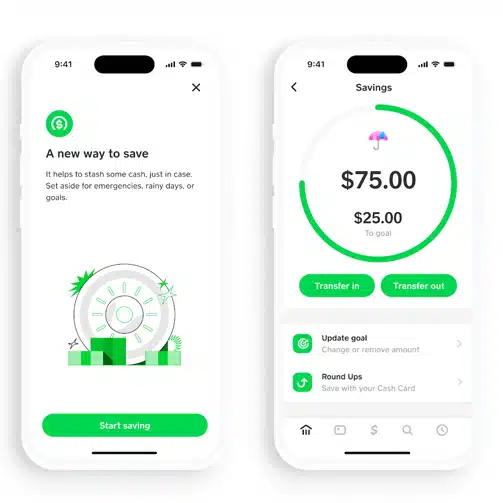
The Evolving Role in Personal and Business Financial Strategies
As cash apps mature, they will continue to play an increasingly sophisticated role in both personal and business financial strategies. For individuals, they will become more central to budgeting, saving, and even long-term wealth building, offering personalized financial insights and tools. For businesses, they will evolve beyond simple payment acceptance to offer integrated solutions for payroll, supply chain finance, and even micro-lending. The ability of cash apps to adapt to changing financial needs and technological advancements positions them as indispensable tools in the ongoing evolution of our digital economy, fundamentally reshaping how we interact with our money and manage our financial futures.
aViewFromTheCave is a participant in the Amazon Services LLC Associates Program, an affiliate advertising program designed to provide a means for sites to earn advertising fees by advertising and linking to Amazon.com. Amazon, the Amazon logo, AmazonSupply, and the AmazonSupply logo are trademarks of Amazon.com, Inc. or its affiliates. As an Amazon Associate we earn affiliate commissions from qualifying purchases.