
Selling a vehicle is more than just parting ways with an old set of wheels; it’s a significant financial transaction that requires careful planning, strategic execution, and a keen understanding of market dynamics. For many, a vehicle represents one of their most valuable depreciating assets, and successfully liquidating it can free up capital, contribute to a down payment on a new car, or simply bolster one’s personal savings. This article delves into the financial intricacies of selling your vehicle, offering a professional and insightful guide to help you maximize your return and navigate the process with confidence.

Understanding Your Vehicle’s Financial Value
Before you even consider where to list your vehicle, the paramount first step is to accurately assess its financial worth. This isn’t merely a speculative exercise but a critical foundation for setting a competitive price, negotiating effectively, and ultimately securing the best possible financial outcome.
Accurate Valuation: More Than Just a Number
Determining your vehicle’s value requires a blend of research and realistic assessment. Rely on reputable valuation resources, which provide data-driven estimates based on a vast array of sales figures and market trends. Key players in this space include:
- Kelley Blue Book (KBB): Offers multiple values – trade-in, private party, and retail – which helps you benchmark expectations depending on your chosen selling method. KBB factors in condition, mileage, options, and regional demand.
- Edmunds: Provides a comprehensive “True Market Value” (TMV) that aims to reflect real-world transaction prices in your specific area. Their valuation tools are excellent for understanding what buyers are actually paying.
- NADAguides (National Automobile Dealers Association): Often used by dealerships and financial institutions, NADAguides can offer a slightly higher estimate, particularly for well-maintained vehicles, and is a good reference point for understanding wholesale values.
When using these tools, be scrupulously honest about your vehicle’s condition, from minor dings to mechanical issues. Overestimating its condition will lead to an unrealistic valuation and potentially frustrate prospective buyers, extending your selling timeline and impacting your ultimate financial gain. Remember that these are estimates; the true value is what a buyer is willing to pay.
Factors Influencing Resale Value
Several critical factors contribute to or detract from your vehicle’s resale value, directly impacting the financial return you can expect. Understanding these allows you to strategically position your sale.
- Depreciation: This is the elephant in the room. Vehicles lose value the moment they’re driven off the lot, and this process continues over time. The steepest depreciation usually occurs in the first 1-3 years. Knowing your vehicle’s depreciation curve helps you understand realistic price expectations.
- Maintenance History: A well-documented history of regular maintenance is a powerful financial asset. It signals to buyers that the vehicle has been cared for, potentially reducing future repair costs for them. Keep all service records meticulously organized.
- Accident History: Platforms like CarFax and AutoCheck provide invaluable insights into a vehicle’s past. A clean history generally commands a higher price, while even minor accidents can significantly reduce value, sometimes by thousands of dollars, making transparent disclosure crucial.
- Mileage: Lower mileage for the vehicle’s age is almost always better, directly correlating with higher resale value.
- Condition (Interior & Exterior): Beyond structural damage, cosmetic flaws like scratches, dents, worn upholstery, or unpleasant odors can significantly deter buyers and lower their offers.
- Make, Model & Trim Level: Certain brands and models hold their value better than others due to reputation for reliability, fuel efficiency, or demand. Luxury trims with desirable features also tend to perform better in the secondary market.
Preparing for Sale: A Financial Investment
Viewing vehicle preparation as a strategic financial investment, rather than a mere chore, is key to maximizing your financial return. A relatively small outlay in time and money can lead to a significantly higher sale price.
- Minor Repairs: Address small, noticeable issues like a burnt-out headlight, a cracked taillight cover, or a non-functioning power window. These seem minor but can give buyers leverage to negotiate down your price. Calculate whether the cost of repair outweighs the potential increase in selling price or the prevention of a larger discount.
- Deep Cleaning and Detailing: A professional detail can cost a few hundred dollars but can add hundreds, if not thousands, to your asking price. A spotless interior and a gleaming exterior create a strong first impression and suggest a well-cared-for vehicle.
- Gathering Documentation: Organize all maintenance records, the vehicle title, original owner’s manual, and any spare keys. This professionalism builds trust and streamlines the transaction, making buyers more comfortable with a higher offer.
Exploring Your Selling Avenues: A Financial Breakdown
Once you have a firm grasp of your vehicle’s value, the next critical financial decision is choosing the right selling avenue. Each method presents a different trade-off between convenience, speed, effort, and, crucially, your ultimate financial gain.
Private Sale: The Path to Potentially Higher Profit
Selling your vehicle privately directly to another individual often yields the highest financial return. By cutting out the middleman (dealership), you retain the profit margin they would otherwise claim.
- Pros: Maximum profit potential, direct control over pricing and negotiation, personal interaction allows for transparent communication about the vehicle.
- Cons: Requires significant time and effort (creating listings, answering inquiries, scheduling test drives, handling paperwork), carries greater personal risk (scams, security concerns), and demands strong negotiation skills.
Strategy: Set a competitive price based on your research, leaving a small buffer for negotiation. Create a compelling listing with high-quality photos and an honest description. Be prepared to vet potential buyers and meet in safe, public locations. Secure payment is paramount – insist on a cashier’s check verified with the issuing bank or an electronic bank transfer.
Dealership Trade-In: The Convenience vs. Value Equation
Trading in your vehicle at a dealership is often the path of least resistance. It’s quick, simple, and you avoid the hassles of a private sale.
- Pros: Extreme convenience, immediate sale, no need to deal with individual buyers, potential sales tax savings in some states (where the trade-in value is deducted from the new vehicle’s price before sales tax is calculated).
- Cons: Significantly lower cash offer compared to a private sale. Dealerships need to recondition the vehicle, market it, and make a profit, all of which are factored into their offer.
Strategy: Always negotiate the price of your new vehicle separately from the trade-in value. Once you’ve agreed on the new car price, then discuss your trade. Get multiple trade-in offers from different dealerships and even consider getting a private offer from an online car buying service (like CarMax or Carvana) to use as leverage.
Online Marketplaces & Auction Sites: Reaching a Wider Audience
Leveraging digital platforms can broaden your reach significantly, connecting you with a vast pool of potential buyers.
- Pros: Wide audience exposure (national or local), often robust tools for listing and communication, competitive pricing due to market transparency. Examples include Autotrader, CarGurus, Facebook Marketplace, and eBay Motors.
- Cons: Listing fees can apply, still requires effort in responding to inquiries and scheduling viewings, potential for dealing with tire-kickers or scammers, managing online communication can be time-consuming.

Strategy: Invest time in creating a detailed, attractive listing with numerous high-resolution photos. Be responsive to messages and transparent about the vehicle’s condition. For higher-value vehicles, consider platforms that offer escrow services for secure transactions, even if they incur a fee – think of it as an insurance premium for your financial security.
Consignment & Cash-for-Car Services: Speed and Simplicity
Services like CarMax, Vroom, Carvana, or local consignment lots offer a rapid, no-hassle selling experience.
- Pros: Immediate cash offer (CarMax, Vroom, Carvana), no need for detailing or repairs, handles all paperwork, eliminates the need to deal with individual buyers. Consignment services allow someone else to sell the car for you.
- Cons: Typically the lowest financial return compared to private sales or even some trade-ins. The convenience comes at a significant cost to your potential profit. Consignment can take time, and you pay a percentage of the sale.
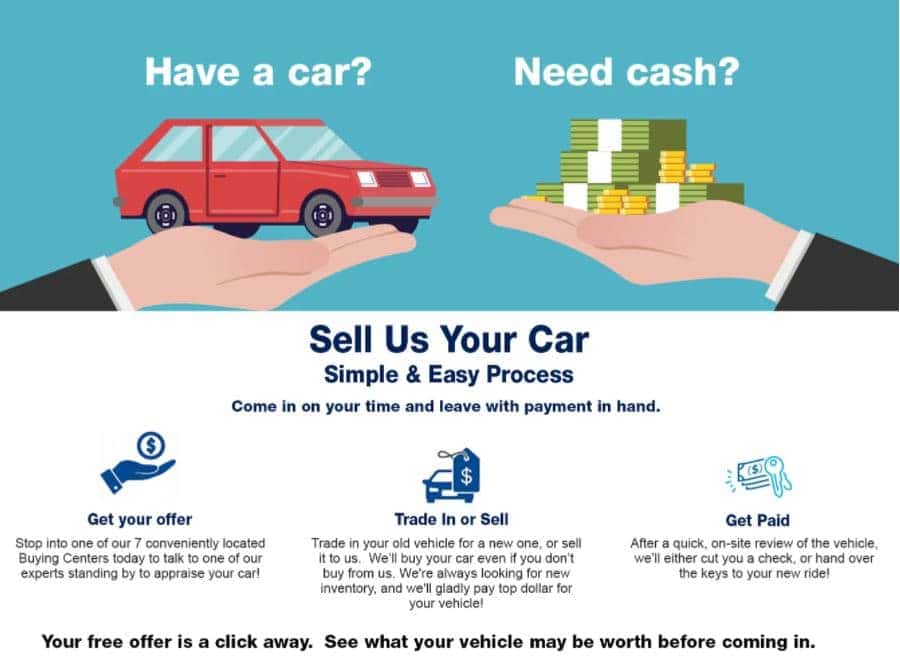
Strategy: Use these services to get a baseline offer for your vehicle. Even if you don’t sell to them, their offer can serve as a floor for your private sale negotiations or as a point of comparison for dealership trade-ins. If speed and simplicity are your absolute top priorities, and you’re willing to accept a lower financial outcome, these are viable options.
Financial Prudence During the Selling Process
Once you’ve chosen your selling avenue, navigating the actual transaction demands financial acumen and careful attention to detail to protect your interests and maximize your net gain.
Setting the Right Price: Strategy for Success
Your asking price is your most powerful financial tool. It needs to attract buyers while ensuring you achieve your desired financial return.
- Competitive Pricing: Your research from step one is crucial here. Price your vehicle competitively within your local market, aligning with its condition and features.
- Leaving Room for Negotiation: Unless your price is a firm “no negotiation” figure, factor in a small margin (typically 5-10%) for negotiation. This allows buyers to feel they’ve gotten a deal while still allowing you to meet your financial target.
- Psychological Pricing: Ending prices with ‘9’ or ‘5’ (e.g., $9,999 instead of $10,000) can subtly influence buyer perception.
Safeguarding Your Financial Information and Transaction
The financial security of the transaction is paramount. Scams are prevalent, and vigilance is essential.
- Secure Payment Methods: Always insist on secure payment. A cashier’s check from a reputable local bank, which you can verify with the issuing bank, is generally safe. An electronic bank transfer is also secure once funds have cleared. Avoid personal checks, money orders, or requests for wire transfers to third parties. Never release the vehicle or title until funds are verified and irrevocably in your account.
- Meet in Safe Locations: For test drives and final meetings, choose well-lit, public places during daylight hours, ideally with security cameras. Consider bringing a friend or family member.
- Red Flags: Be wary of buyers who offer more than your asking price, insist on unusual payment methods, or seem overly eager without asking basic questions about the vehicle.
Legal and Tax Implications
Understanding the legal and tax ramifications of selling your vehicle is crucial for a smooth and compliant financial outcome.
- Title Transfer: This is perhaps the most critical step. Ensure the vehicle title is properly signed over to the new owner according to your state’s Department of Motor Vehicles (DMV) requirements. In many states, you’ll need to report the sale to the DMV to absolve yourself of future liability (e.g., parking tickets, accidents).
- Bill of Sale: Always create and sign a Bill of Sale with the buyer. This document should include the vehicle’s VIN, make, model, year, sale price, date of sale, and the full names and addresses of both buyer and seller. It serves as legal proof of the transaction.
- Tax Implications: For most personal vehicle sales, there are no capital gains taxes to worry about, as personal vehicles are depreciating assets and you’re unlikely to sell one for more than you paid for it. However, always consult a tax professional for specific advice, especially if you’re selling a classic car or a vehicle that has appreciated significantly. Sales tax implications for trade-ins vary by state, so understand how this might affect your net financial benefit.
Negotiation Tactics: Maximizing Your Financial Outcome
Effective negotiation is where you turn market value into actual profit.
- Know Your Bottom Line: Before you even list the car, determine the absolute lowest price you are willing to accept. Stick to it.
- Highlight Value: During negotiations, reiterate the vehicle’s selling points – good maintenance history, recent repairs, desirable features, clean title.
- Be Prepared for Lowballers: Many buyers will start with a significantly lower offer. Politely decline and reiterate your asking price, or offer a modest counter-offer. Don’t be offended; it’s part of the process.
- Don’t Rush: Patience is a virtue in selling. Rushing the sale often leads to accepting a lower price than you deserve.
Post-Sale Financial Wrap-Up
The transaction isn’t truly complete until all administrative and financial loose ends are tied up.
Finalizing the Transaction Securely
- Accurate Paperwork: Double-check all signatures and dates on the title and bill of sale. Provide the buyer with all necessary documentation.
- Notify the DMV: In most jurisdictions, you must notify the DMV of the sale within a certain timeframe to remove your liability for the vehicle.
- Remove Personal Items: Do a final sweep of the vehicle for any forgotten personal belongings, and clear out any personal data from infotainment systems.
- Cancel Insurance: Once the vehicle is no longer yours, contact your insurance provider to cancel the policy and receive any pro-rated refund. This stops a recurring financial outflow.
Budgeting for Your Next Vehicle or Investment
With the sale complete and funds secured, consider your next financial move.
- New Vehicle: If you’re buying another car, apply the proceeds strategically towards a down payment to reduce your loan amount and interest expenses.
- Investment: If you don’t immediately need a new vehicle, consider investing the funds according to your financial plan. This could involve bolstering an emergency fund, contributing to a retirement account, or paying down high-interest debt, all of which represent financially sound decisions.
In conclusion, selling your vehicle is a multi-faceted financial undertaking that goes beyond simply posting an ad. By understanding your vehicle’s true financial value, strategically choosing the right selling avenue, practicing financial prudence throughout the transaction, and diligently handling the post-sale wrap-up, you can ensure a successful and profitable outcome. Approach the process with insight, professionalism, and a focus on maximizing your financial return, and you’ll navigate the vehicle market effectively.
aViewFromTheCave is a participant in the Amazon Services LLC Associates Program, an affiliate advertising program designed to provide a means for sites to earn advertising fees by advertising and linking to Amazon.com. Amazon, the Amazon logo, AmazonSupply, and the AmazonSupply logo are trademarks of Amazon.com, Inc. or its affiliates. As an Amazon Associate we earn affiliate commissions from qualifying purchases.