
Selling a vehicle is more than just a transaction; it’s a significant financial event. For many, a car, truck, or SUV represents one of their most valuable assets outside of real estate. The decision of where to sell directly impacts the amount of money you ultimately put in your pocket, influencing everything from the sale price to the speed of the transaction and the associated fees or efforts. Navigating the diverse landscape of selling options requires a clear understanding of the financial implications of each path. This article delves into the various avenues available for selling your vehicle, viewed through the lens of personal finance, investment return, and strategic wealth management, empowering you to make the most financially sound choice.

Traditional Avenues: Reliability and Direct Transactions
For decades, the options for selling a vehicle were largely confined to a few traditional channels. While digital platforms have revolutionized the market, these established methods still hold appeal for certain sellers due to their perceived reliability, directness, and distinct financial trade-offs. Understanding these core options is fundamental to making an informed economic decision.
Dealership Trade-Ins: Convenience vs. Value
The dealership trade-in remains one of the most common and convenient methods for offloading an old vehicle when purchasing a new one. From a financial perspective, its primary draw is the unparalleled ease of transaction. You drive in with your old car and drive out with a new one, often with the dealership handling all the paperwork, title transfers, and liability. This streamlined process eliminates the time-consuming tasks of advertising, screening buyers, negotiating prices, and dealing with potential payment issues.
However, this convenience comes at a predictable financial cost. Dealerships are businesses, and their objective is to acquire your vehicle at a wholesale price, allowing them sufficient margin for reconditioning, marketing, and profit when they resell it. Consequently, the trade-in value offered will almost invariably be lower than what you could achieve through a private sale. For sellers prioritizing time savings and minimizing hassle, this might be a financially acceptable trade-off. Furthermore, in some jurisdictions, trading in a vehicle can reduce the taxable amount of your new car purchase, offering a subtle but tangible financial benefit that can partially offset the lower trade-in value. Calculating this tax saving against the potential private sale premium is a crucial step in determining the true net financial impact of a trade-in.
Private Sales (Direct to Consumer): Unlocking Top Dollar
Selling your vehicle directly to another individual, often referred to as a private sale, is universally recognized as the path with the highest potential for maximizing your financial return. By cutting out the middleman (the dealership or a professional buyer), you retain the profit margin they would otherwise claim. This method allows you to set the price based on market value, condition, and desirability, directly negotiating with potential buyers to achieve the best possible deal.
The financial upside, however, requires a significant investment of your own time and effort. This includes preparing the vehicle, researching accurate market pricing, creating compelling advertisements (online listings, “for sale” signs), communicating with interested parties, scheduling test drives, and navigating the negotiation process. Moreover, you are responsible for handling all the necessary paperwork, including the bill of sale and title transfer, and ensuring secure payment. From a financial security standpoint, private sales carry a higher risk of encountering scams or payment fraud, necessitating careful due diligence. Despite these demands, for sellers willing to invest the requisite effort, the potential to secure several hundred to several thousand dollars more than a trade-in often makes the private sale the most economically advantageous option. It’s a direct correlation: your time and effort invested can yield a higher monetary payout.
Car Buying Services & Wholesalers: Quick Cash Solutions
In a growing segment of the market, dedicated car buying services (e.g., Carvana, Vroom, Webuyanycar.com) and local wholesalers offer another traditional-adjacent route. These entities specialize in purchasing vehicles quickly, often with immediate cash offers, directly from consumers. Their financial model is built on efficiency: providing a streamlined appraisal and purchase process in exchange for a price that is generally higher than a dealership trade-in but lower than a well-executed private sale.
For sellers facing specific financial circumstances, such as an urgent need for cash, a problematic vehicle that might struggle on the private market, or a simple desire to avoid any selling hassle whatsoever, these services present a viable solution. They remove the uncertainty and time commitment associated with private sales and often offer a more competitive cash value than a traditional trade-in. The financial convenience is paramount here – the ability to convert an asset into liquid funds with minimal delay and effort. While you might leave some money on the table compared to a top-tier private sale, the speed, guaranteed sale, and simplicity can be a significant financial advantage when time or peace of mind is a higher priority than extracting every last dollar. It’s a calculated financial decision based on an individual’s immediate needs and the value they place on convenience.
Digital Platforms: Expanding Your Market for Better Financial Outcomes
The internet has revolutionized the way vehicles are bought and sold, democratizing access to broader markets and offering sellers unprecedented control over their financial transactions. Digital platforms have emerged as powerful tools, enabling individuals to reach a vast audience, often leading to more competitive offers and a potentially higher financial return on their automotive assets.
Online Marketplaces (e.g., Craigslist, Facebook Marketplace): Free Listing, Broad Reach
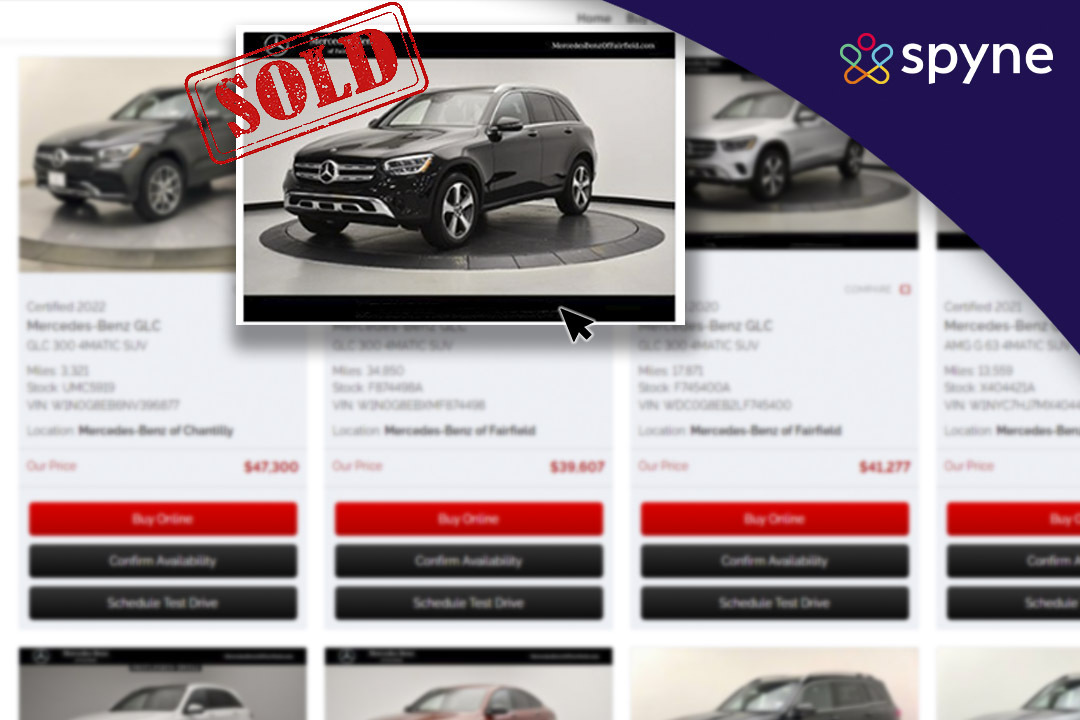
Online classifieds and social media marketplaces represent some of the most accessible and cost-effective digital avenues for selling a vehicle. Platforms like Craigslist and Facebook Marketplace allow individuals to list their vehicles for free, immediately tapping into a massive local audience. From a financial perspective, the zero-cost listing is a significant advantage, as it means every dollar from the sale goes directly into the seller’s pocket, without deductions for advertising fees.
The reach of these platforms is immense, potentially connecting sellers with thousands of interested buyers who might not otherwise encounter their listing. This broad exposure can drive competition and lead to better offers. However, the open nature of these platforms also necessitates financial caution. Sellers must be vigilant against scammers, lowball offers, and time-wasters. Effective use requires a strategic approach to crafting an appealing listing with clear photos and an honest description, followed by careful screening of inquiries. While the potential for a high financial yield is strong due to the absence of listing fees, sellers must invest their own time in managing the process and exercising due diligence to ensure a secure transaction and avoid financial pitfalls.
Dedicated Automotive Sales Platforms (e.g., Autotrader, CarGurus, eBay Motors): Targeted Audiences & Premium Features
For sellers serious about maximizing their financial return through digital channels, dedicated automotive sales platforms offer a more professional and targeted approach. Websites like Autotrader, CarGurus, and eBay Motors (for classified listings) specialize exclusively in vehicle sales, attracting a highly motivated and qualified buyer base. While these platforms often charge listing fees, these are generally a worthwhile financial investment. The fees typically come with premium features such as enhanced visibility, comprehensive listing templates, vehicle history reports (often provided by the platform), and integration with financial services that can assist buyers with loans.
The key financial benefit here lies in the quality of the audience. Buyers on these sites are typically further along in their purchase journey, actively seeking specific vehicles and often pre-qualified for financing. This can lead to quicker sales at closer to the asking price, reducing the time an asset sits unsold and depreciating. The investment in a paid listing can effectively translate into a higher net sale price by reaching buyers who are prepared to pay for quality and specificity. For sellers looking to optimize both their sale price and the efficiency of the transaction, these platforms offer a compelling financial proposition.
Online Auction Sites (e.g., eBay Motors): Dynamic Pricing Potential
Online auction sites, particularly eBay Motors, present a unique and dynamic avenue for selling vehicles, with a distinct financial advantage in certain scenarios. Unlike fixed-price listings, auctions allow the market to determine the final sale price through competitive bidding. For highly desirable, rare, or unique vehicles, this can lead to a bidding war that drives the price significantly above initial expectations, potentially maximizing the financial return beyond what a direct negotiation might achieve.
Sellers can choose to set a “reserve price,” a minimum amount they are willing to accept, safeguarding against selling for less than a financially acceptable value. While listing fees and final value fees apply, the potential for an elevated sale price can easily outweigh these costs. However, there’s also the risk that the auction might not reach the desired price or even the reserve, leading to an unsold vehicle. Success on auction sites financially hinges on meticulous listing presentation, high-quality photographs, a detailed and honest description, and proper categorization to attract the right bidders. For sellers confident in their vehicle’s appeal and willing to embrace the unpredictable nature of an auction, this method offers a thrilling opportunity to potentially capitalize on market demand and achieve an exceptional financial outcome.

Preparing Your Vehicle for Sale: A Strategic Investment
Regardless of the chosen selling avenue, the presentation of your vehicle plays a pivotal role in its perceived value and, consequently, its financial return. Viewing vehicle preparation as an upfront strategic investment, rather than an unnecessary expense, is crucial for maximizing your eventual sale price. A modest expenditure on improvements can often yield a significantly higher profit margin.
Detailing and Minor Repairs: Enhancing Perceived Value
The initial impression a buyer forms of your vehicle significantly influences their willingness to pay the asking price. Investing in professional detailing – or even a thorough DIY clean – is one of the highest-ROI expenditures a seller can make. A spotless interior, gleaming exterior, and clean engine bay signal to a buyer that the vehicle has been well-maintained and cared for, instantly increasing its perceived value. This isn’t just about aesthetics; it tells a financial story of responsible ownership.
Similarly, addressing minor repairs can dramatically improve a vehicle’s market appeal and justify a higher price. Fixing a cracked windshield, replacing worn wiper blades, mending a small tear in the upholstery, or rectifying minor mechanical issues (like a faulty light or a squeaky belt) removes easily identifiable flaws that buyers often use to negotiate down the price. A buyer will factor in the cost of these repairs when making an offer, and they typically overestimate the expense. By investing a small amount to fix these items yourself, you prevent larger deductions from your asking price, securing a better financial outcome. It’s about presenting a vehicle that requires minimal further investment from the buyer, making your offer more attractive.
Documentation and Service Records: Building Trust and Justifying Price
In the financial world, transparency and a clear audit trail are paramount. The same principle applies to selling a vehicle. Providing comprehensive documentation, including all service records, maintenance history, and original purchase paperwork, serves as invaluable financial proof of the vehicle’s health and the diligence of its owner. This documentation builds immense trust with potential buyers and directly supports your asking price.
When a buyer sees a meticulously kept file detailing every oil change, tire rotation, and significant repair, it reduces their perceived risk of unforeseen future expenses. This financial reassurance can be a powerful negotiating tool, helping to justify a premium price. Conversely, a lack of records can raise red flags, leading to skepticism and prompting buyers to offer less, anticipating potential hidden issues. Having a clear title, registration, and a legally sound bill of sale prepared in advance also streamlines the final transaction, demonstrating professionalism and reducing potential friction. This preparedness is not just about convenience; it protects your financial interests by ensuring a smooth, undisputed transfer of ownership and funds.
Professional Photography and Compelling Descriptions: Marketing for Profit
In the digital age, your vehicle’s online listing is its primary showroom. Investing time and effort into professional-quality photography and crafting a compelling, honest description is essential marketing for maximizing profit. High-resolution, well-lit photographs from various angles (interior, exterior, engine bay, odometer) allow buyers to thoroughly inspect the vehicle virtually, creating confidence and a stronger desire to view it in person. Poor lighting, blurry images, or a lack of detail can deter potential buyers and signal a lack of attention, ultimately impacting interest and offer values.
Equally important is a detailed and engaging description. Highlight key features, recent maintenance, any upgrades, and the overall condition. Be honest about any flaws, as transparency builds trust and manages expectations, preventing wasted time. Frame the vehicle’s attributes in terms of value to the buyer – for instance, excellent fuel economy, comfortable interior for long commutes, or reliable history. This strategic marketing presentation, whether done by yourself with a good camera and writing skills, or by a paid professional, directly influences the volume and quality of inquiries. More interested buyers lead to more competitive offers, ultimately helping you achieve the highest possible financial return on your sale. It’s a direct investment in the perceived value and marketability of your asset.
Financial Considerations & Best Practices for Selling
Navigating the sale of a vehicle successfully requires more than just choosing the right platform; it demands a keen understanding of financial best practices, from pricing strategies to securing payment. Every decision made during this process can impact the final profit margin and safeguard your financial security.
Pricing Strategy: Researching Market Value for Optimal Return
Setting the right price is perhaps the most critical financial decision in the vehicle selling process. Price too high, and you deter potential buyers, leading to prolonged depreciation and holding costs. Price too low, and you leave money on the table. The goal is to identify the sweet spot that attracts buyers while maximizing your financial return. This requires thorough market research using reliable valuation tools such as Kelley Blue Book (KBB), Edmunds, or NADA Guides. These resources provide estimated trade-in, private party, and retail values based on your vehicle’s make, model, year, mileage, condition, and optional features.
Beyond these guides, it’s financially astute to analyze current listings for similar vehicles in your local market on various platforms. Observe how long vehicles have been listed and if prices have been adjusted. Factor in your vehicle’s unique selling points and any recent maintenance that adds value. A strategic pricing approach might involve setting a slightly higher initial price to allow room for negotiation, or a very competitive price for a quick sale if liquidity is a priority. Understanding market demand for your specific vehicle is also key; some models hold their value better than others. This diligent pricing strategy ensures you are neither underselling your valuable asset nor overshooting the market, optimizing your financial gain.
Negotiation Tactics: Maximizing Your Profit Margin
Negotiation is an integral part of nearly every vehicle sale, especially in private party transactions. Approaching negotiations with a clear financial strategy can significantly impact your final profit margin. Before engaging with buyers, determine your absolute minimum acceptable price – the financial floor below which you will not go. This number should account for your financial needs, the vehicle’s value, and any associated selling costs.
During negotiations, be prepared to justify your asking price with evidence of the vehicle’s condition, maintenance records, and market research. Listen carefully to the buyer’s concerns, as these often reveal their motivation and budget. Avoid appearing desperate, which can encourage lowball offers. Instead, project confidence in your vehicle’s value. If a buyer points out flaws, acknowledge them gracefully but pivot back to the vehicle’s strengths and its overall value proposition. Be prepared to walk away from offers that are below your financial threshold. Sometimes, patience in negotiation can yield a better financial outcome. A skilled negotiator can often secure hundreds, if not thousands, of dollars more than someone who gives in at the first low offer, directly impacting your bottom line.
Safeguarding Your Transaction: Financial Security
The final and arguably most crucial financial consideration is safeguarding the transaction itself. Protecting your financial interests and personal security during the exchange of money and title is paramount. Always insist on secure payment methods. A cashier’s check (verified with the issuing bank), a wire transfer directly into your account, or cash (only for smaller amounts and always verified) are generally the safest options. Avoid personal checks, money orders, or any promises of future payment, as these are common tools for fraud.
Meet buyers in a safe, public place, ideally with another person present, for test drives and transactions. Never allow a potential buyer to take the vehicle without you or to hold your keys or title document. When the sale is finalized, ensure all legal paperwork is completed meticulously. This includes a clear bill of sale (detailing the vehicle, agreed-upon price, date, and signatures of both parties), proper odometer disclosure, and the correct transfer of the vehicle title. Understanding your local Department of Motor Vehicles (DMV) requirements for title transfer and reporting the sale is critical to avoid future financial liability for parking tickets, tolls, or accidents incurred by the new owner. This financial due diligence protects you from legal and monetary repercussions long after the vehicle has left your driveway.
Conclusion
Selling a vehicle is a multi-faceted endeavor that, when approached strategically through a financial lens, can be a highly rewarding process. From the initial decision of where to sell, encompassing traditional trade-ins, direct private sales, and modern digital platforms, to the meticulous preparation of the vehicle and the careful execution of the transaction, every step holds financial significance.
The ultimate goal is to maximize your financial return while minimizing risk and effort. Whether you prioritize convenience (trading in), seek the highest possible payout (private sale), or desire a quick transaction (car buying service), understanding the economic implications of each choice is paramount. By investing wisely in preparation, meticulously researching market values, engaging in strategic negotiation, and prioritizing financial security during the transaction, you transform a simple sale into a smart financial decision. Your vehicle is a valuable asset; treat its sale with the financial diligence it deserves to ensure the best possible outcome.
aViewFromTheCave is a participant in the Amazon Services LLC Associates Program, an affiliate advertising program designed to provide a means for sites to earn advertising fees by advertising and linking to Amazon.com. Amazon, the Amazon logo, AmazonSupply, and the AmazonSupply logo are trademarks of Amazon.com, Inc. or its affiliates. As an Amazon Associate we earn affiliate commissions from qualifying purchases.