
Selling a used car is more than just parting with an old vehicle; it’s a significant financial transaction that, when executed strategically, can put a substantial amount of money back into your pocket. Whether you’re upgrading, downsizing, or simply need to liquidate an asset, understanding the various sales channels, preparing your vehicle correctly, and mastering the art of pricing and negotiation are crucial steps to maximizing your financial return. This comprehensive guide delves into the most effective ways to sell your used car, helping you navigate the process with confidence, insight, and an unwavering focus on financial optimization.

Understanding Your Options: The Major Sales Channels
The first critical decision in selling your used car is choosing the right sales channel. Each option presents a unique balance of potential profit, convenience, and time investment. A thorough understanding of these avenues will empower you to select the path best aligned with your financial goals and personal circumstances.
Private Sale: The Direct Route to Higher Profits
Selling your car privately, directly to an individual buyer, is often lauded as the method offering the highest potential financial return. By cutting out intermediaries, you retain the full sale price, bypassing dealership markdowns or service fees. This approach provides you with complete control over the pricing, marketing, and negotiation process. However, it demands a significant investment of time and effort. You’ll be responsible for everything from preparing the car and creating compelling listings to fielding inquiries, arranging test drives, and handling all the necessary paperwork. This method is ideal for individuals willing to dedicate the time and energy required to secure the best possible price for their vehicle, prioritizing financial gain over immediate convenience. It also requires a robust understanding of market value and strong negotiation skills to truly capitalize on its potential.
Dealership Trade-In: Convenience at a Price
For many, the allure of a dealership trade-in is the sheer convenience it offers. When purchasing a new or different used car from a dealership, you can often sell your current vehicle simultaneously. This streamlines the process, eliminating the need to advertise, negotiate with multiple buyers, or deal with paperwork independently. The dealership handles everything, providing an immediate solution. Furthermore, in many states, trading in a vehicle can reduce the taxable amount of your new car purchase, offering a subtle but valuable financial benefit. The significant trade-off, however, is that dealerships typically offer a lower price for your car compared to what you might achieve through a private sale. Their offer factors in their need to recondition the vehicle and make a profit when they resell it. This option is best suited for those who prioritize a quick, hassle-free transaction and are comfortable sacrificing some potential profit for convenience and the added tax benefit.
Online Car Buying Services: Modern Solutions for a Quick Sale
The digital age has introduced a new breed of car selling platforms: online car buying services like Carvana, Vroom, and Webuyanycar. These platforms offer a unique blend of convenience and competitive pricing, often positioned between a private sale and a dealership trade-in. The process typically involves submitting your car’s details online, receiving an instant, no-obligation offer, and then arranging for a physical inspection and pickup. Many services offer transparent pricing, often eliminating the need for haggling. While the offers might not always match the absolute top dollar of a private sale, they are generally more generous than a dealership trade-in and come with unparalleled ease. This method appeals to those seeking a balance between a fair market price and a significantly reduced sales effort, making it an excellent financial tool for a swift and relatively stress-free transaction.
Consignment Sales: Professional Help for a Percentage
Consignment selling involves entrusting your vehicle to a dealership or a specialized consignment service that sells it on your behalf. They handle the marketing, display, negotiations, and paperwork, taking a pre-agreed percentage or flat fee of the final sale price. This option is particularly appealing for owners of classic, luxury, or specialty vehicles that require a specific marketing approach or for those who simply lack the time or expertise for a private sale but still aim for a higher return than a trade-in. While you won’t receive immediate payment, and you’ll incur a fee, the professional handling can often fetch a better price than you could on your own, especially for niche markets. The financial benefit here is leveraging professional sales expertise to achieve a premium price, even after commission.
Auctions (Online & Physical): Niche Markets
Car auctions, both physical and online, represent another avenue, though typically a more niche one. While they can provide a rapid sale, especially for certain types of vehicles, the pricing can be highly unpredictable. The final sale price is often dictated by the mood of the bidders on a given day. Auction houses also charge fees and commissions, further impacting your net return. This method is generally recommended for specialty vehicles that attract enthusiastic bidders or as a last resort when other sales channels have proven ineffective. From a financial perspective, it carries higher risk and less control over the final outcome, making it less ideal for maximizing returns on a typical used car.
Preparing Your Car for Sale: Investments That Pay Off
Regardless of the sales channel you choose, investing a modest amount of time and money in preparing your car can significantly impact its perceived value and, consequently, its selling price. These preparatory steps are not just about aesthetics; they are strategic financial moves that enhance buyer confidence and justify a higher asking price.
Mechanical Check-up and Minor Repairs
A pre-sale mechanical check-up by a trusted mechanic is a prudent financial decision. Addressing minor issues like worn brakes, a faulty sensor, or a leaky hose can prevent potential buyers from haggling over more significant price reductions. Importantly, having a clean bill of health or a transparent report of any existing issues builds buyer trust and reinforces the car’s value. While major repairs might not always yield a positive return on investment, fixing small, noticeable problems almost always pays off. A well-maintained vehicle commands a higher price and sells faster, directly impacting your financial outcome.
Detailing and Aesthetic Improvements
First impressions are paramount, and a clean, well-presented car speaks volumes about its owner’s care. A thorough detailing, whether professional or DIY, can dramatically improve your car’s appeal. This includes a deep interior clean, exterior wash and wax, tire shine, and cleaning the engine bay. Addressing minor cosmetic flaws like small scratches, dings, or dull headlights can also make a significant difference. Buyers are often willing to pay a premium for a car that looks well-cared for, signaling that it has likely been mechanically well-maintained too. This relatively small investment in aesthetics directly translates into a higher potential selling price and faster sale.
Gathering Essential Documentation
Organizing all relevant paperwork—the car’s title, service records, maintenance history, and original owner’s manual—is a non-negotiable step. A complete service history provides tangible proof of regular maintenance, reassuring buyers about the car’s reliability and justifying its asking price. This transparency builds immense trust and eliminates common buyer hesitations, which can otherwise lead to demands for price reductions. From a financial perspective, readily available documentation acts as a strong value-add, often preventing downward price negotiations.
Pricing Your Vehicle Strategically: The Financial Sweet Spot
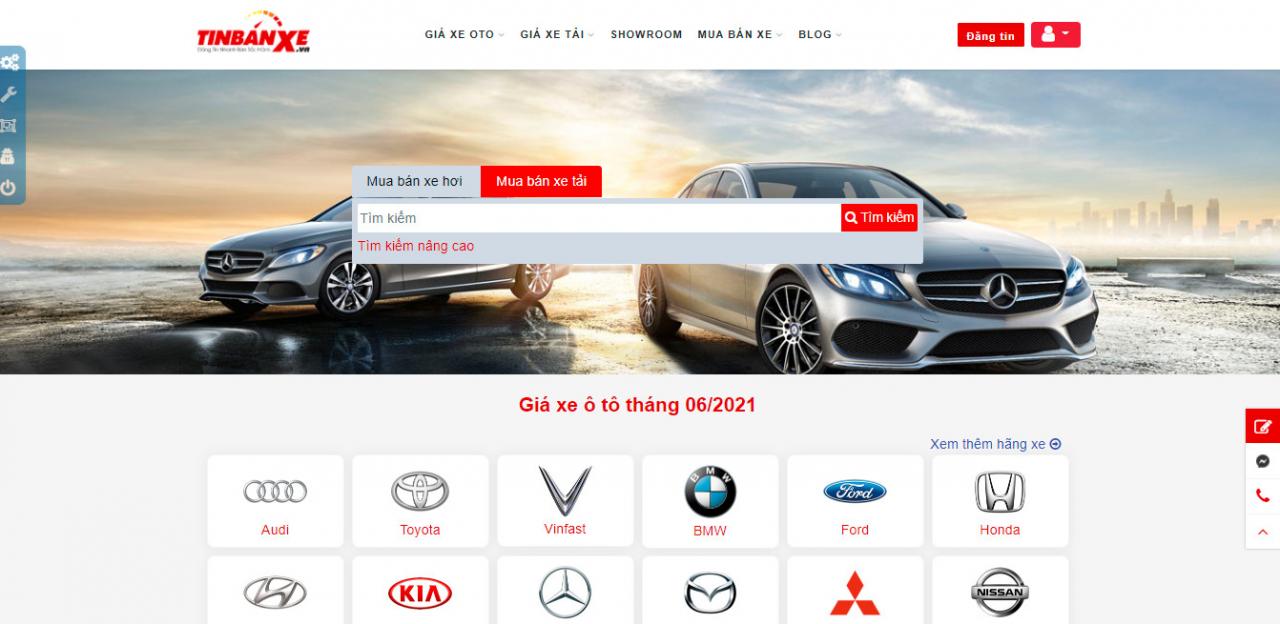
Setting the right price for your used car is perhaps the most critical financial decision you’ll make in the selling process. Price too high, and you’ll deter potential buyers; price too low, and you leave money on the table. The goal is to find that “financial sweet spot” that attracts buyers while maximizing your return.
Researching Market Value
Before setting an asking price, extensive market research is essential. Utilize reputable online valuation tools such as Kelley Blue Book (KBB), Edmunds, and NADAguides. These platforms provide estimated values based on your car’s make, model, year, trim, mileage, and condition. Supplement this by browsing listings for similar vehicles in your local area on platforms like AutoTrader, Craigslist, and Facebook Marketplace. Pay attention to how quickly cars at certain price points are selling. This comprehensive research ensures your asking price is competitive and reflective of the current market, preventing you from underpricing or overpricing your asset.
Factoring in Depreciation and Condition
Understand that your car’s value has depreciated since you purchased it, and its current condition significantly influences its market price. Be realistic about any wear and tear, dents, scratches, or mechanical issues. While you want to highlight positives, acknowledging flaws and factoring them into your pricing strategy is crucial for transparency and attracting serious buyers. An honest assessment, backed by market data, will help you establish a justifiable price that aligns with buyer expectations, leading to a smoother negotiation process and a more favorable financial outcome.
Setting a Competitive Price and Negotiation Tactics
Once you have a solid understanding of the market value and your car’s condition, set a competitive price. For private sales, it’s often advisable to set a price slightly above your minimum acceptable figure to leave room for negotiation. Be prepared to justify your asking price with the research you’ve done and the car’s positive attributes. Master basic negotiation tactics: listen actively, be firm but flexible, and be ready to walk away if an offer is too low. Remember, the goal is not just to sell the car, but to sell it for the best possible price, ensuring you maximize your financial return.
Marketing Your Car Effectively: Attracting the Right Buyers
Once your car is prepped and priced, effective marketing is key to reaching the right audience and securing a sale. Your listing is your primary sales tool, and presenting your car in the best possible light directly impacts buyer interest and willingness to pay your asking price.
Crafting Compelling Listings
A high-quality listing is paramount. This begins with excellent photographs – numerous, well-lit shots from various angles (interior, exterior, engine bay, trunk, odometer). Clear, crisp photos make your car stand out. Accompany these visuals with a detailed, honest description that highlights key features, maintenance history, recent repairs, and any upgrades. Be transparent about any imperfections; honesty builds trust and avoids wasted time with dissatisfied buyers. A compelling listing saves time, attracts serious buyers, and supports your asking price, leading to a more efficient and profitable sale.
Choosing the Right Platforms
Select your selling platforms strategically. For private sales, general classifieds like Craigslist and Facebook Marketplace offer broad reach. For more specific vehicles, consider niche online forums or dedicated enthusiast groups. Platforms like AutoTrader and CarGurus are excellent for reaching a wider audience of serious car buyers. Each platform has its own fee structure (or lack thereof), so consider the cost-benefit analysis of each when deciding where to allocate your marketing efforts to maximize financial efficiency.
Safety and Security in Transactions
Your personal and financial safety during the selling process cannot be overstated. When meeting potential buyers, always choose public, well-lit locations. For test drives, ensure the buyer has a valid driver’s license and proof of insurance, and consider accompanying them. Never let a buyer take the car alone. When discussing payment, prioritize secure methods like cashier’s checks (verified with the issuing bank), wire transfers, or escrow services for larger sums. Avoid personal checks or large amounts of cash, which can pose security risks. Being vigilant protects you from fraud and ensures a secure financial transaction.
Finalizing the Sale: Legal and Financial Considerations
The final stage of selling your car involves navigating the legal and financial paperwork. Meticulous attention to detail here ensures a smooth transfer of ownership and protects you from future liabilities.
Understanding State-Specific Paperwork
Familiarize yourself with your state’s requirements for selling a used car. This typically includes accurately completing and signing the vehicle title (transferring ownership), providing a bill of sale, and potentially a release of liability form. Incorrectly filling out paperwork can lead to legal complications down the line. A properly executed sale protects you legally and financially once the vehicle is no longer yours.
Handling Payment Securely
As reiterated earlier, secure payment is paramount. If accepting a cashier’s check, verify its authenticity with the issuing bank before releasing the car or title. For wire transfers, ensure funds are fully cleared in your account. For high-value transactions, consider using a third-party escrow service, which holds the funds until all conditions of the sale are met. This diligence protects your financial interests and ensures you receive full payment for your asset.

Post-Sale Responsibilities
After the sale is complete and payment is secured, you typically have a few final responsibilities. Notify your state’s Department of Motor Vehicles (DMV) that you have sold the vehicle to officially transfer liability. Remember to cancel your car insurance policy for that vehicle and remove your license plates if required by your state. Finally, double-check the car for any personal belongings you might have overlooked. These steps finalize your detachment from the vehicle, ensuring no residual financial or legal ties.
Selling a used car can be a rewarding financial endeavor if approached with a strategic mindset. By understanding your options, meticulously preparing your vehicle, setting a competitive price, effectively marketing your car, and navigating the final transaction securely, you can maximize your financial return and experience a hassle-free sale. Each step, from the initial cleaning to the final paperwork, contributes to securing the best possible outcome for your personal finances.
aViewFromTheCave is a participant in the Amazon Services LLC Associates Program, an affiliate advertising program designed to provide a means for sites to earn advertising fees by advertising and linking to Amazon.com. Amazon, the Amazon logo, AmazonSupply, and the AmazonSupply logo are trademarks of Amazon.com, Inc. or its affiliates. As an Amazon Associate we earn affiliate commissions from qualifying purchases.