
The automotive industry, traditionally rooted in physical showrooms and face-to-face negotiations, has undergone a significant digital transformation. In an era defined by convenience, efficiency, and instant access, buying a car online is no longer a niche alternative but a mainstream reality, powered by sophisticated technology. This guide delves into the tech ecosystem that facilitates online car purchases, from the platforms you’ll use to the digital safeguards ensuring a secure transaction. We’ll explore the tools, processes, and emerging technologies that make buying your next vehicle from the comfort of your home not just possible, but increasingly preferable.

Navigating the Digital Showroom: Platforms and Tools
The journey of buying a car online begins with the digital showroom—a vast landscape of websites, applications, and virtual experiences designed to replicate, and often enhance, the physical browsing experience. Understanding these platforms and the tools they offer is the first critical step.
Exploring Online Marketplaces and Manufacturer Portals
Modern car buying is largely facilitated by dedicated online marketplaces and revamped manufacturer websites. Platforms like Carvana, Vroom, and Shift have pioneered the direct-to-consumer online car sales model, offering curated inventories, fixed pricing, and seamless digital transactions. Traditional aggregators like Edmunds, TrueCar, and Autotrader act as powerful search engines, consolidating listings from thousands of dealerships, private sellers, and certified pre-owned programs.
These platforms leverage advanced search algorithms and intuitive user interfaces, allowing buyers to filter by an extensive range of criteria: make, model, year, mileage, price, features, fuel type, and even specific technologies like adaptive cruise control or panoramic sunroofs. High-resolution photos, 360-degree interior and exterior views, and detailed specifications are standard, often augmented by vehicle history reports provided digitally by services like CarFax or AutoCheck. Manufacturer websites, on the other hand, increasingly offer comprehensive online configurators that allow customers to build, price, and even order new vehicles directly, integrating financing and trade-in options within a single digital workflow.
Leveraging Comparison Tools and Data Analytics
Beyond simple search, the digital environment provides an unprecedented ability to compare vehicles and deals. Integrated comparison tools allow users to pit multiple cars side-by-side, analyzing differences in specifications, features, and pricing. This capability, powered by underlying data analytics engines, helps demystify complex choices and supports informed decision-making without the pressure of a salesperson.
Many platforms also incorporate predictive analytics to provide fair market value assessments, helping buyers identify whether a listed price is competitive based on similar sales in their region. These tools often analyze vast datasets of historical sales, market trends, and vehicle depreciation curves, offering insights that were once only available to industry professionals. The transparency afforded by these digital comparison and analytics tools empowers buyers to negotiate or select vehicles with confidence, armed with comprehensive, real-time data.
Virtual Test Drives and Augmented Reality Experiences
As technology advances, the online car buying experience is becoming increasingly immersive. Some innovative platforms and manufacturers are experimenting with virtual test drives, utilizing high-definition video and interactive 3D models to simulate the driving experience. Augmented Reality (AR) applications allow potential buyers to “place” a car in their driveway using a smartphone or tablet, visualize different color options, or explore interior features as if they were physically present. These technological advancements aim to bridge the sensory gap of online shopping, providing a richer, more engaging pre-purchase experience that builds confidence and connection with the vehicle before a physical delivery or test drive.
The Online Transaction: From Selection to Secure Purchase
Once you’ve found your ideal vehicle, the next phase involves the digital execution of the purchase itself. This process, increasingly streamlined by technology, covers everything from documentation to payment, all designed for efficiency and security.
Digital Documentation and E-Signatures
The era of endless paper forms is rapidly fading in online car buying. Digital platforms facilitate the entire documentation process electronically. Buyers can upload necessary identification, proof of income, and insurance details securely through encrypted portals. Crucially, contracts, agreements, and financing documents are often presented for review and signed using e-signature technology. Platforms like DocuSign or proprietary embedded e-signature tools ensure the legal validity and security of these digital signatures, streamlining what was once a time-consuming administrative hurdle into a few clicks. This digital workflow not only speeds up the process but also creates an easily accessible digital trail of all transactional documents.
Secure Online Payment Gateways
Making a large financial transaction online requires robust security. Reputable online car retailers and financial institutions utilize advanced encryption technologies and secure payment gateways to protect sensitive financial information during down payments, full purchases, or loan applications. These gateways comply with stringent industry standards, such as PCI DSS (Payment Card Industry Data Security Standard), employing multi-factor authentication, tokenization, and fraud detection algorithms to safeguard against cyber threats. Buyers can typically link bank accounts, use secure debit/credit card payments, or integrate third-party financing solutions directly through these protected channels, ensuring that funds are transferred safely and efficiently.
Understanding Digital Contracts and Terms
While the convenience of digital transactions is undeniable, it’s paramount to thoroughly review all digital contracts and terms of sale. Online platforms are legally obligated to present comprehensive disclosures regarding pricing, fees, warranties, return policies, and financing terms. Buyers should utilize the digital tools at hand, such as search functions within documents or annotation features, to meticulously read and understand every clause. It’s also wise to save digital copies of all signed documents for future reference. The digital format often allows for greater clarity and accessibility than dense paper documents, but the responsibility to understand the agreement remains with the buyer.
Digital Trust and Data Security: Safeguarding Your Online Investment
In the digital realm, trust is paramount. Online car buying involves sharing significant personal and financial data, making robust security measures and diligent verification practices essential for a safe transaction.
Verifying Seller Authenticity and Platform Reputation
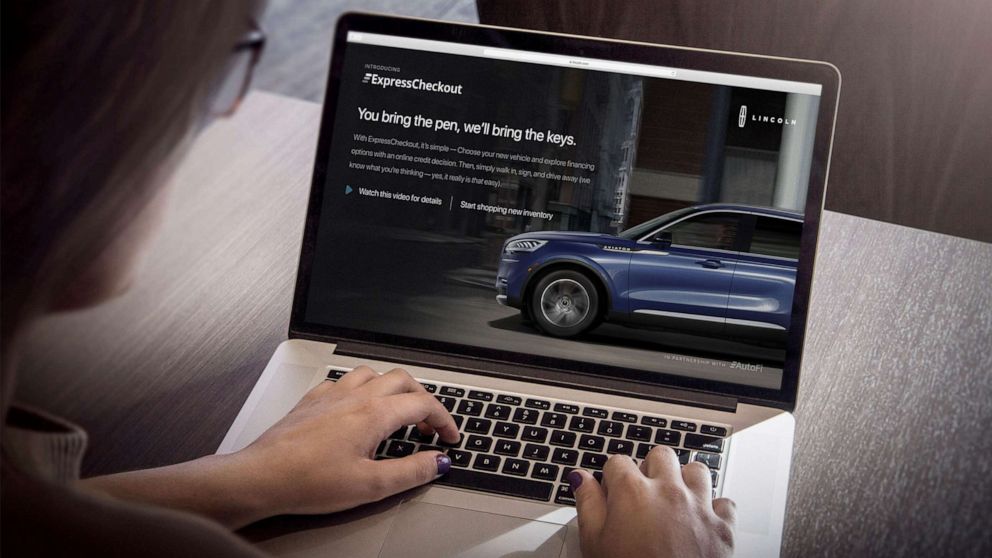
Before committing to an online purchase, verify the authenticity and reputation of the seller and platform. Technology provides numerous avenues for due diligence. Check for SSL certificates (indicated by “https://” in the URL and a padlock icon) to ensure secure browsing. Research online reviews and ratings from independent third-party sites like Google Reviews, Trustpilot, or the Better Business Bureau. Look for detailed customer testimonials, service track records, and responsiveness to complaints. Cross-referencing information about the company through public databases and news articles can further confirm its legitimacy. A reputable online car retailer will typically have transparent contact information, a professional website, and clear policies.
Protecting Personal and Financial Data
The bedrock of secure online transactions is data protection. When sharing sensitive information like your Social Security Number, bank details, or driver’s license, ensure the platform uses end-to-end encryption. Look for privacy policies that clearly state how your data will be collected, stored, and used. Utilize strong, unique passwords for your accounts on these platforms, and enable multi-factor authentication (MFA) whenever available. Be wary of phishing attempts—emails or messages purporting to be from the seller but asking for sensitive information outside of the secure platform. Always access transactional portals directly through their official website rather than clicking on links in unsolicited communications.
Understanding Digital Guarantees and Return Policies
A key advantage of many online car buying platforms is their tech-enabled guarantees and transparent return policies, which aim to instill confidence in a sight-unseen purchase. Most reputable platforms offer a trial period (e.g., 7 days or 250-500 miles) during which you can return the vehicle for any reason, often with a full refund. This digital guarantee effectively serves as your extended test drive. Understand the specific terms of these policies, including any restocking fees, mileage limits, or conditions for return. These consumer-friendly policies, explicitly detailed in digital contracts, are a technological solution to the inherent risk of buying a complex product like a car without physical inspection.
Post-Purchase Logistics & Integration: The Tech Behind Delivery and Beyond
The online car buying experience extends far beyond the point of purchase, leveraging technology to manage delivery, integrate vehicle features, and provide ongoing support.
Tracking Your Vehicle Delivery
Once the purchase is complete, technology plays a crucial role in the logistics of vehicle delivery. Many online retailers offer sophisticated tracking systems, allowing customers to monitor their car’s journey from the distribution center to their doorstep in real-time. These systems often utilize GPS tracking, estimated delivery windows, and push notifications to keep buyers informed. The convenience of knowing precisely when your new vehicle will arrive, managed through an app or web portal, is a significant technological advantage over traditional dealership pick-ups.
Digital Onboarding and Connected Car Features
Modern vehicles are increasingly sophisticated computers on wheels, and online car buying integrates seamlessly with their digital capabilities. Upon delivery, the onboarding process often includes setting up connected car features through companion apps. These apps, developed by manufacturers, allow owners to remotely start their car, lock/unlock doors, track its location, monitor diagnostics, and even schedule service appointments. The initial setup and personalization of infotainment systems, digital keys, and driver profiles are often guided by digital tutorials or remote support from the online retailer, ensuring a smooth transition into ownership.
Online Support and Troubleshooting
Should any questions or issues arise post-purchase, online retailers provide multiple tech-enabled support channels. This typically includes comprehensive FAQ sections, AI-powered chatbots for instant answers to common queries, live chat with customer service representatives, and dedicated online portals for submitting service requests or warranty claims. Video conferencing support is also becoming more common, allowing for virtual inspections or guided troubleshooting. This commitment to digital support ensures that assistance is always accessible, leveraging technology to maintain customer satisfaction long after the sale.
The Road Ahead: Future Technologies Shaping Online Car Buying
The evolution of online car buying is far from over. Emerging technologies promise to further revolutionize how we discover, purchase, and interact with vehicles.
AI-Powered Personalization and Recommendations
Artificial Intelligence (AI) is set to take personalization to new heights. Future online platforms will leverage AI to analyze vast amounts of user data, including browsing history, past purchases, lifestyle preferences, and even social media activity, to offer hyper-personalized vehicle recommendations. AI algorithms will anticipate needs, suggest optimal financing structures, and identify features that align perfectly with individual users, creating a truly bespoke buying experience that feels intuitive and effortless. This level of predictive insight will transform casual browsing into highly relevant product discovery.
Blockchain for Ownership and Maintenance Records
Blockchain technology holds immense potential for enhancing transparency and security in the automotive industry. Imagine a future where a car’s entire history—from manufacturing details, service records, ownership transfers, to accident reports—is immutably stored on a decentralized blockchain. This would eliminate fraud, simplify verification processes, and provide buyers with an unalterable, verifiable record of a vehicle’s life, fostering unparalleled trust in both new and used car markets. Smart contracts built on blockchain could also automate aspects of vehicle transfer and payment, further streamlining the buying process.
The Metaverse and Hyper-Realistic Virtual Showrooms
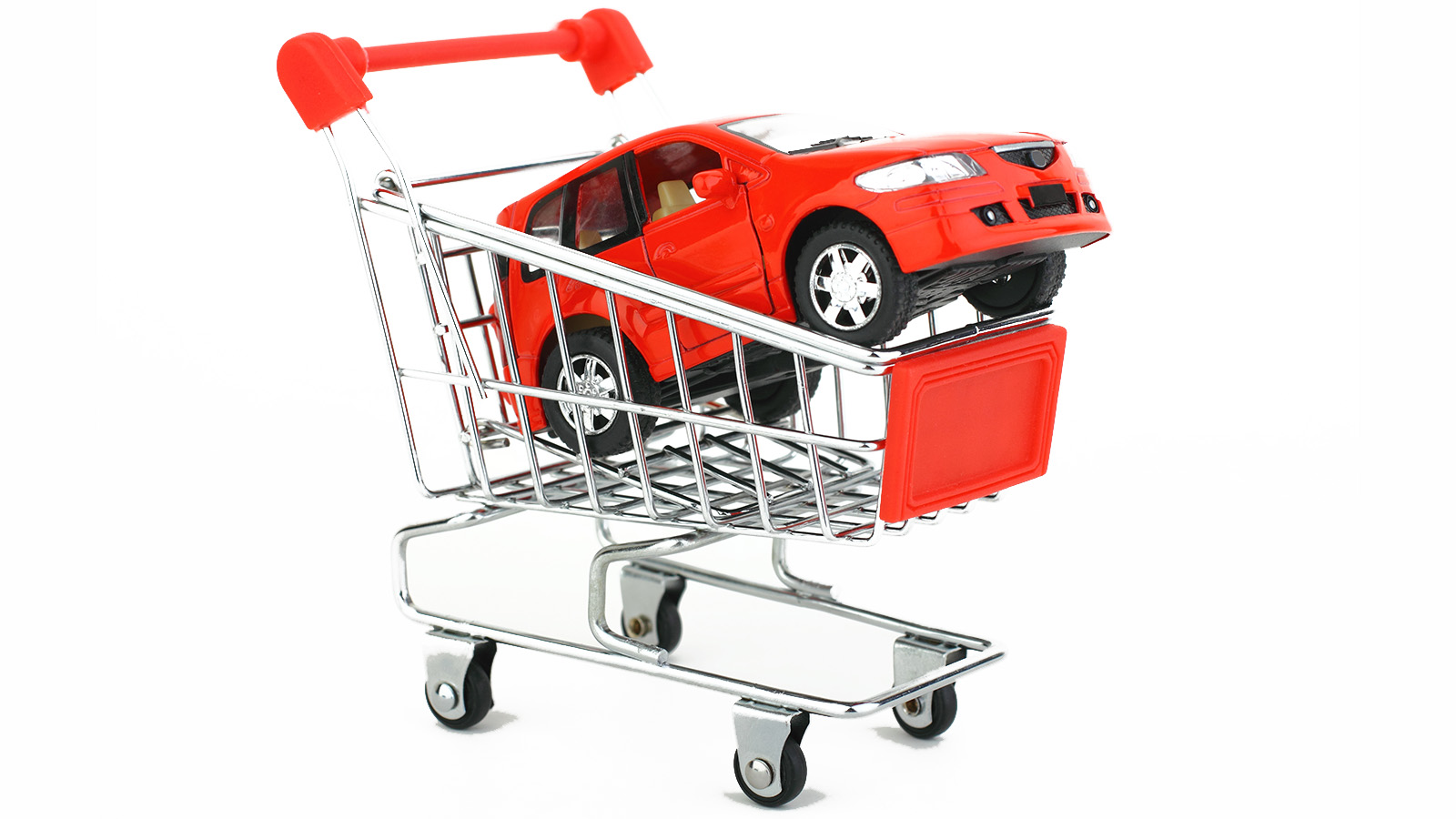
The nascent metaverse presents an exciting frontier for online car buying. Imagine donning a VR headset and stepping into a hyper-realistic virtual showroom, where you can walk around a car, open doors, sit inside, customize features in real-time, and even “drive” it in a simulated environment. This immersive experience, blending virtual reality (VR) and augmented reality (AR) with advanced graphics, could eliminate the need for physical showrooms altogether, offering a sensory-rich experience from anywhere in the world. Such advancements would truly blur the lines between physical and digital presence, making online car buying an even more engaging and accessible reality.
In conclusion, buying a car online is a testament to the power and convenience of modern technology. From intuitive digital showrooms and secure transaction portals to sophisticated logistics tracking and advanced virtual experiences, technology underpins every aspect of this evolving purchasing journey. As AI, blockchain, and the metaverse continue to mature, the online car buying experience will only become more seamless, personalized, and immersive, setting a new standard for how we acquire our vehicles in the digital age.
aViewFromTheCave is a participant in the Amazon Services LLC Associates Program, an affiliate advertising program designed to provide a means for sites to earn advertising fees by advertising and linking to Amazon.com. Amazon, the Amazon logo, AmazonSupply, and the AmazonSupply logo are trademarks of Amazon.com, Inc. or its affiliates. As an Amazon Associate we earn affiliate commissions from qualifying purchases.