
For most households, car insurance represents one of the largest recurring expenses outside of housing and food. In the pursuit of financial independence and better budgeting, finding the “cheapest” car insurance is a primary objective. However, in the world of personal finance, the term “cheapest” is often a misnomer. The goal should not merely be the lowest monthly premium, but the highest value—minimizing your out-of-pocket costs while ensuring your net worth is protected from catastrophic loss.
Navigating the insurance market requires an understanding of how premiums are calculated and how individual financial choices impact those rates. This guide explores the mechanisms of insurance pricing and provides actionable strategies to reduce your costs without compromising your financial security.
Decoding the Factors That Influence Your Premiums
To find the cheapest insurance, one must first understand the variables that insurance companies use to assess risk. In the “Money” niche, insurance is essentially a risk-management tool where you pay a premium to transfer the risk of a significant financial loss to a third party.
Personal Demographics and Financial Health
Insurance companies use actuarial data to determine the likelihood of a claim. While age and gender are traditional factors, one of the most significant—and often overlooked—factors is your credit-based insurance score. In many states, insurers use your credit history as a predictor of risk. Statistically, individuals with higher credit scores are less likely to file claims. From a financial management perspective, improving your credit score by 50 to 100 points can often lead to a more significant reduction in insurance premiums than switching providers altogether.
Vehicle Selection and Asset Value
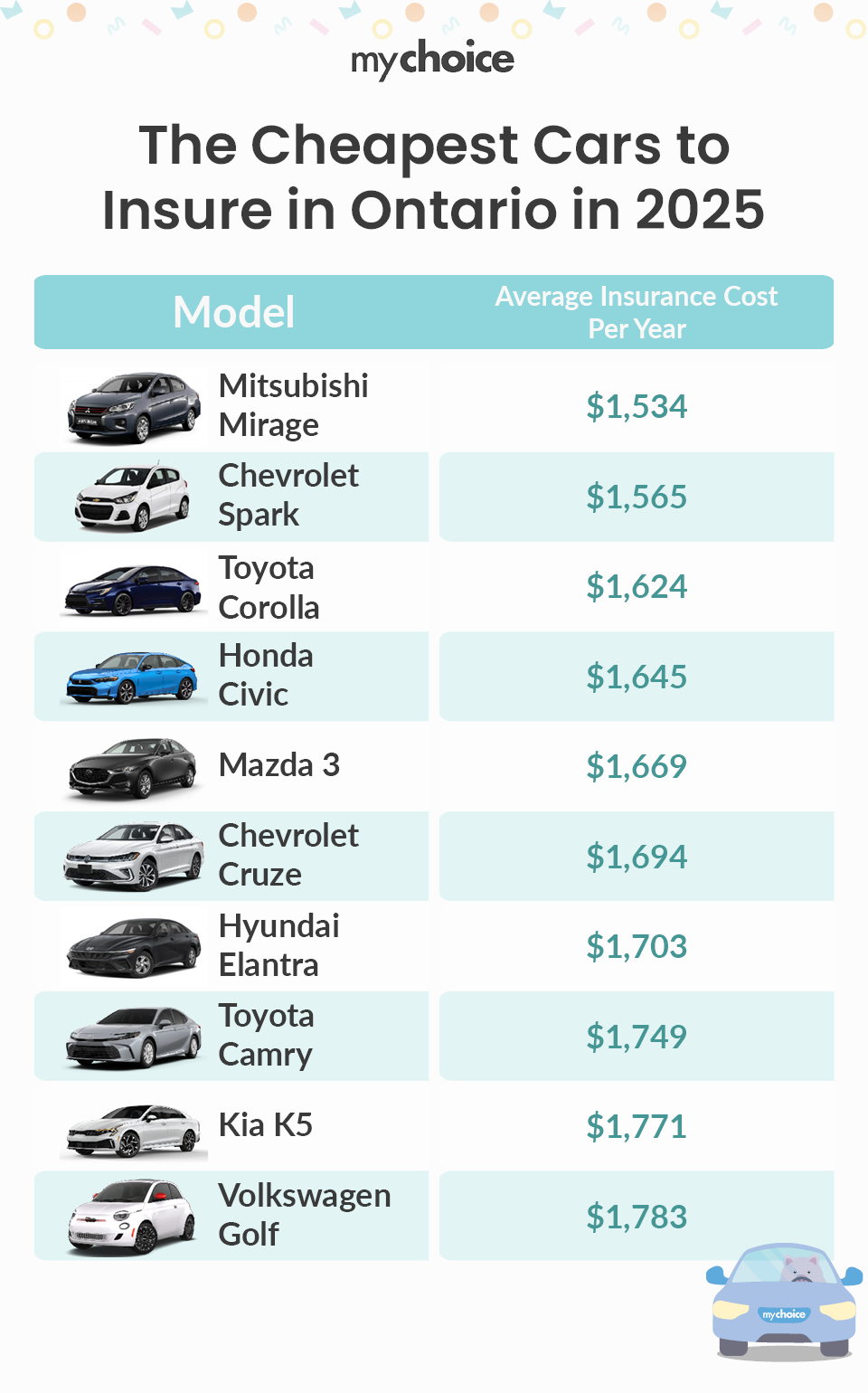
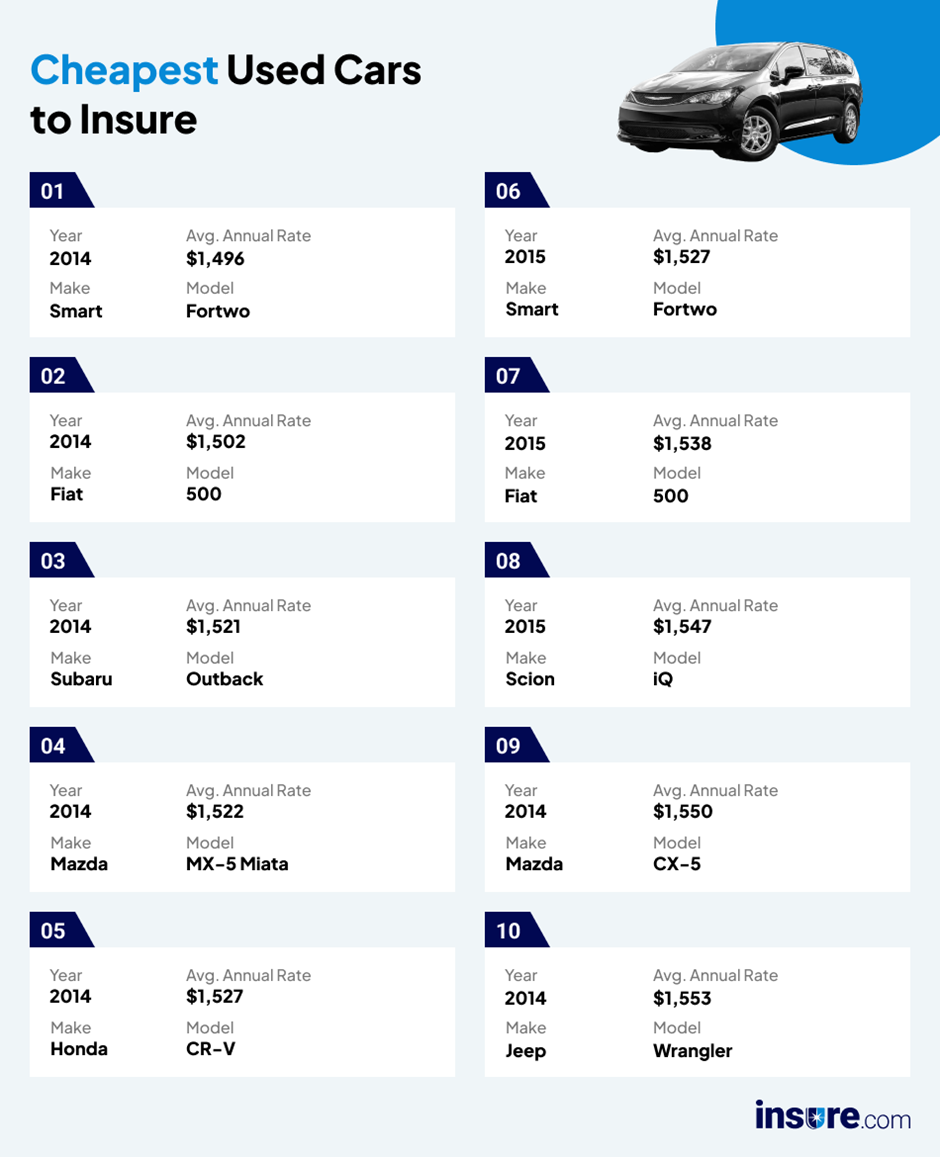
The type of car you drive is a direct variable in your insurance calculation. When looking for the cheapest insurance, the purchase price of the vehicle is only half the story. Insurers look at “loss history” for specific models—how often they are stolen, the cost of their parts, and their overall safety ratings. A high-performance sports car carries a higher premium not just because it is fast, but because it is statistically more expensive to repair and more likely to be involved in high-speed collisions. For those looking to optimize their personal finance, choosing a vehicle with high safety ratings and low repair costs is a foundational step.
Geographic Risk Assessment
Where you park your car matters as much as how you drive it. ZIP codes with high rates of accidents, theft, or vandalism naturally command higher premiums. Furthermore, urban areas with dense traffic patterns present a higher statistical probability of “fender benders.” While moving to a different ZIP code just for insurance savings is rarely practical, understanding that your location dictates your “base rate” allows you to focus on the variables you can control to bring that rate down.
Strategic Moves to Minimize Your Insurance Outlay
Once you understand how the base price is set, the next step in financial optimization is applying strategies to lower that number. Effective personal finance is about the aggressive pursuit of discounts and the recalibration of risk.
Optimizing Deductibles and Coverage Limits
The deductible is the amount you pay out-of-pocket before insurance kicks in. In the realm of business finance and personal budgeting, the deductible is your “self-insurance” limit. Increasing your deductible from $500 to $1,000 can reduce your comprehensive and collision premiums by 15% to 30%. However, this is only a wise financial move if you have an emergency fund capable of covering that $1,000 at a moment’s notice.
Similarly, you must evaluate your coverage limits. While state minimums are the “cheapest” option on paper, they often leave you underinsured. A single accident could result in a lawsuit that targets your savings and future earnings. The “cheapest” insurance in the long run is one that protects your assets from total depletion.
Leveraging Multi-Policy and Loyalty Discounts
Financial consolidation is a powerful tool for cost reduction. Most major insurers offer “bundling” discounts for customers who hold multiple policies, such as homeowners, renters, or life insurance, alongside their auto policy. This can result in a 5% to 25% discount across all policies. Additionally, many companies offer loyalty discounts for long-term policyholders or “good student” discounts for younger drivers with high GPAs. In the context of a holistic financial plan, consolidating your insurance needs under one reputable roof is often the most efficient way to lower the “per-policy” cost.
The Impact of Safe Driving and Defensive Training
Your driving record is the ultimate “risk profile.” A single speeding ticket or at-fault accident can cause premiums to spike for three to five years. Conversely, many insurers offer discounts to those who complete certified defensive driving courses. From an investment perspective, spending $50 on a weekend safety course to save 10% on your insurance for the next three years offers a phenomenal return on investment (ROI).
Comparing the Market: Where to Find the Lowest Rates
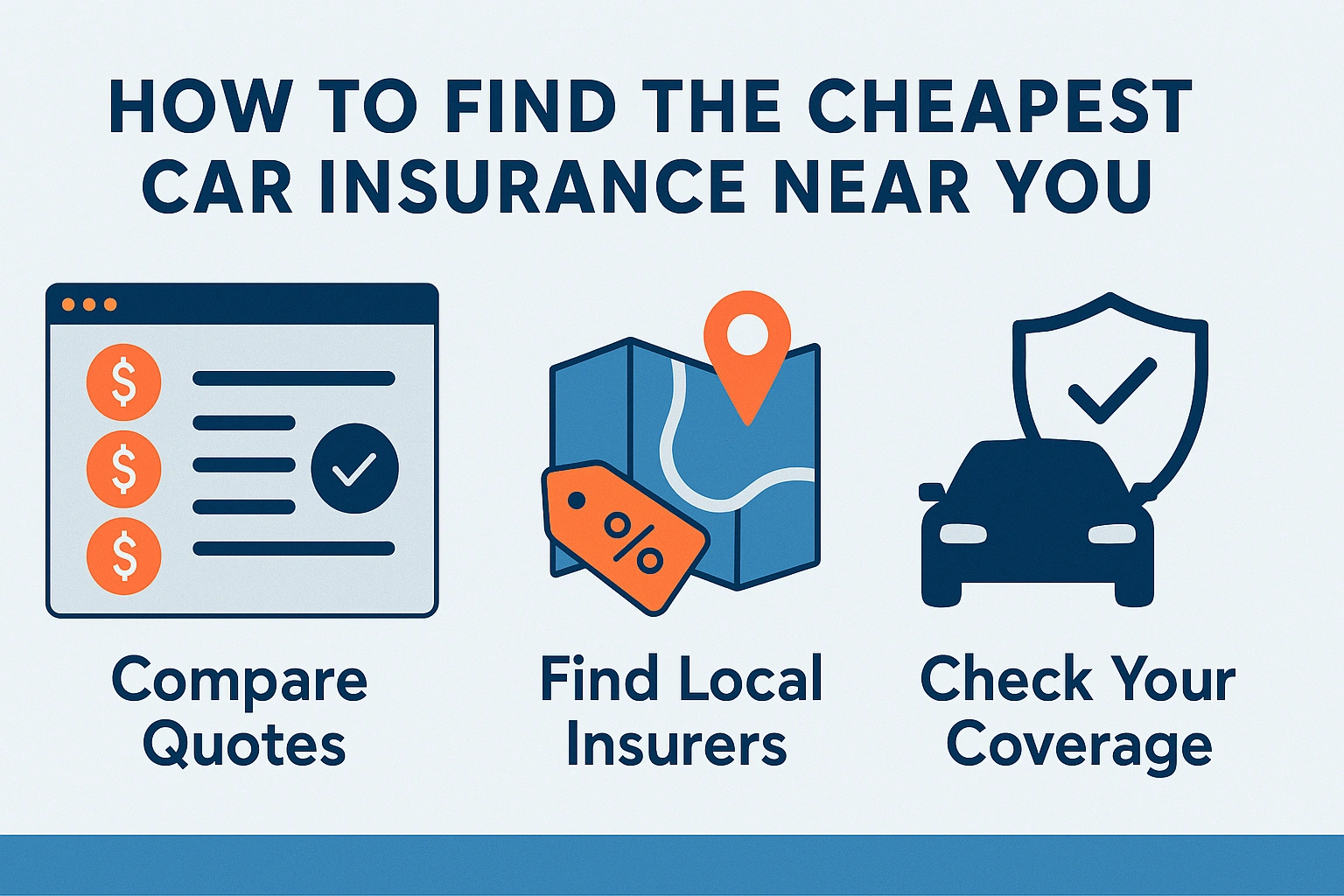
The insurance market is highly fragmented, with hundreds of providers ranging from national giants to small regional mutuals. To find the cheapest car insurance, you must perform a comparative analysis, much like you would compare investment portfolios or high-yield savings accounts.
National Carriers vs. Regional Mutual Insurers
Brand names like Geico, Progressive, and State Farm dominate the airwaves, but they are not always the cheapest for every demographic. Regional insurers or mutual companies (which are owned by policyholders rather than shareholders) often have lower overhead and can offer more competitive rates for specific local markets. When auditing your insurance costs, it is vital to get quotes from at least two national brands and one regional provider to ensure you are seeing the full spectrum of market pricing.
Telematics and Usage-Based Insurance (UBI)
For those who drive less than the national average or who are exceptionally safe drivers, telematics—often called usage-based insurance—is a game-changer. By using a plug-in device or a smartphone app, the insurer tracks your braking, acceleration, and mileage. If the data proves you are a low-risk driver, you can receive discounts of up to 40%. This is particularly beneficial for remote workers or city dwellers who rarely use their vehicles. It shifts the insurance model from a “pooled risk” to an “individual risk,” rewarding your specific financial and behavioral discipline.
The Importance of Annual Rate Audits
Insurance is not a “set it and forget it” expense. Rates fluctuate based on company losses, inflation, and changes in state law. A company that was the cheapest for you two years ago might now be the most expensive. A core principle of personal finance is the annual audit. Every 12 months, or after major life events (getting married, buying a home, or a child moving out), you should re-shop your policy. Staying with one company out of habit is often a “loyalty tax” that drains your monthly cash flow.
Navigating the Trade-off Between Price and Protection
The pursuit of the cheapest car insurance must be balanced with the reality of financial liability. In personal finance, the goal is to protect against the “unlikely but catastrophic.”
Why “Cheapest” Isn’t Always the Most Cost-Effective
If you opt for a “cut-rate” insurance company that has a poor claims-handling reputation, you may find yourself in a financial nightmare when you actually need to use the service. A company that fights every claim or takes months to reimburse you can cost you more in lost time, legal fees, and stress than the $200 a year you saved on premiums. Checking the financial strength ratings (via agencies like A.M. Best) and customer satisfaction scores of an insurer is an essential part of the due diligence process.
Understanding Gap Insurance and Comprehensive Needs
For those financing a vehicle, “cheap” insurance can be dangerous if it doesn’t include Gap coverage. Because vehicles depreciate rapidly, you might owe $20,000 on a car that is only worth $15,000. If the car is totaled, standard insurance only pays the market value, leaving you with a $5,000 debt for a car you can no longer drive. From a business finance perspective, Gap insurance is a necessary hedge against depreciation.
Furthermore, if you drive an older vehicle with a market value of less than $3,000, you might consider dropping collision and comprehensive coverage altogether. In this scenario, the premiums you pay over two years might exceed the actual value of the car. Redirecting those premium savings into a dedicated “car replacement” savings account is often a smarter financial move.
Conclusion: Insurance as a Pillar of Financial Stability
Finding the cheapest car insurance is an exercise in meticulous financial management. It requires looking beyond the sticker price and understanding the underlying factors of risk, credit, and coverage. By optimizing your deductible, leveraging every available discount, and utilizing modern tools like telematics, you can significantly reduce your fixed costs.
However, never lose sight of the primary objective: protecting your financial future. The cheapest insurance is the one that provides the exact amount of coverage you need to safeguard your assets, at the lowest possible price point. By treating your insurance policy as a dynamic part of your financial portfolio rather than a static bill, you ensure that your money is working as hard as possible for your long-term security.
aViewFromTheCave is a participant in the Amazon Services LLC Associates Program, an affiliate advertising program designed to provide a means for sites to earn advertising fees by advertising and linking to Amazon.com. Amazon, the Amazon logo, AmazonSupply, and the AmazonSupply logo are trademarks of Amazon.com, Inc. or its affiliates. As an Amazon Associate we earn affiliate commissions from qualifying purchases.