
Social Security stands as a cornerstone of financial security for millions of Americans, providing a vital safety net in retirement, disability, and for survivors. For many, understanding when and how they become eligible for these benefits is a critical component of their long-term financial planning. It’s not simply a matter of reaching a certain age; rather, eligibility is determined by a combination of work history, age, and in some cases, specific life circumstances. Navigating the intricacies of Social Security can seem daunting, but with a clear understanding of the rules and requirements, you can strategically plan your future and make informed decisions about when to claim your benefits. This comprehensive guide will demystify the process, detailing the key factors that govern your Social Security eligibility and offering insights to help you optimize your claiming strategy.
Understanding the Basics of Social Security Eligibility
At its core, Social Security operates on a credit system, where individuals earn credits through their work history. These credits are the fundamental building blocks of eligibility for nearly all types of Social Security benefits, including retirement, disability, and survivor benefits. Without sufficient credits, you generally cannot qualify for benefits, making the process of earning and tracking them paramount.
Earning Social Security Credits
Social Security credits are earned based on your annual earnings from work covered by Social Security. For every specific amount of earnings you have in a year, you receive one credit, up to a maximum of four credits per year. This earnings amount is adjusted annually to account for changes in the national average wage index. For example, in 2024, you earn one Social Security credit for every $1,730 in earnings, meaning if you earn $6,920 ($1,730 x 4) or more in 2024, you will receive the maximum four credits for that year. These credits are not tied to specific months of work but to your total earnings over the calendar year. It’s a relatively low threshold to meet, making it accessible for many full-time and even part-time workers to accrue credits over their working lives.
The “40 Credits” Rule
The most common requirement for retirement benefits is to accumulate 40 Social Security credits. Since you can earn a maximum of four credits per year, this generally translates to needing at least 10 years of work under Social Security. These 10 years do not have to be consecutive; they can be spread out over your entire working career. Once you have earned 40 credits, you are considered “fully insured” and eligible to receive retirement benefits when you reach the appropriate age. This “fully insured” status is a crucial milestone, as it unlocks access to a range of benefits for you and, potentially, your family. It’s important to note that while 40 credits is the standard for retirement, different rules may apply for disability benefits or for younger workers who become disabled or die, requiring fewer credits based on age.
Age Requirements for Different Benefit Types
Beyond earning the necessary credits, age plays a pivotal role in determining when you can start receiving Social Security benefits. For retirement benefits, there are three key age milestones:
- Earliest Eligibility Age (62): You can begin receiving retirement benefits as early as age 62. However, claiming benefits at this age will result in a permanent reduction in your monthly benefit amount compared to what you would receive at your Full Retirement Age.
- Full Retirement Age (FRA): This is the age at which you are entitled to receive 100% of your primary insurance amount (PIA). Your FRA depends on your birth year, ranging from 66 to 67. We will delve deeper into FRA in the next section.
- Latest Eligibility Age (70): While you can claim benefits at your FRA, you can also choose to delay claiming beyond your FRA, up to age 70. For each year you delay past your FRA, your monthly benefit amount increases, providing a significant incentive for those who can afford to wait.
These age thresholds, combined with your credit count, form the foundational framework for determining your Social Security eligibility.
Navigating Your Full Retirement Age (FRA)
Your Full Retirement Age (FRA) is arguably the most significant age-related milestone in Social Security planning. It represents the point at which the Social Security Administration (SSA) considers you eligible to receive 100% of the benefits you’ve earned based on your lifetime earnings. Understanding your specific FRA and the implications of claiming before or after it is crucial for maximizing your financial security in retirement.
What is Full Retirement Age?
Full Retirement Age, sometimes referred to as “normal retirement age,” is the age at which you qualify to receive your full, unreduced Social Security retirement benefit. This age is not universal for everyone; it was gradually increased for individuals born after 1937 to ensure the long-term solvency of the Social Security system. Prior to these changes, the FRA was 65 for everyone. However, legislative amendments have progressively pushed this age upward, reflecting demographic shifts and increased life expectancies. Reaching your FRA is a benchmark for claiming your full Primary Insurance Amount (PIA), which is the basic benefit you would receive at that age, before any adjustments for early or delayed claiming.
Calculating Your FRA
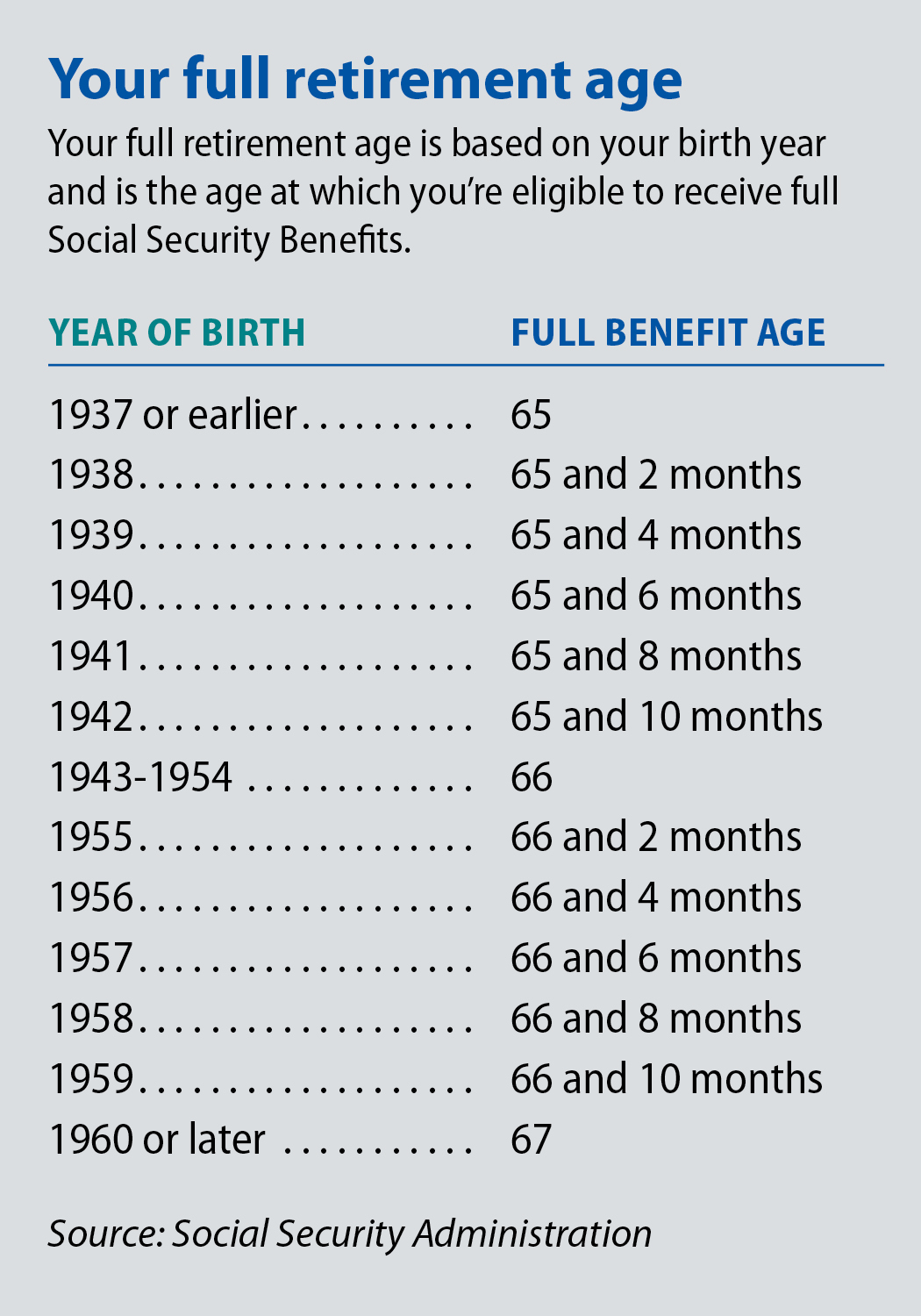
Your Full Retirement Age is determined by your birth year. The current schedule for FRA is as follows:
- Born 1943-1954: FRA is 66
- Born 1955: FRA is 66 and 2 months
- Born 1956: FRA is 66 and 4 months
- Born 1957: FRA is 66 and 6 months
- Born 1958: FRA is 66 and 8 months
- Born 1959: FRA is 66 and 10 months
- Born 1960 or later: FRA is 67
For example, if you were born in 1962, your Full Retirement Age is 67. If you were born in 1957, your FRA is 66 and 6 months. It’s important to pinpoint your exact FRA as it directly impacts the calculation of your monthly benefit amount. The SSA provides tools and resources, including your online “my Social Security” account, where you can easily find your precise FRA and estimated benefits.
Impact of Claiming Before or After FRA
The timing of your Social Security claim relative to your FRA has a profound and permanent impact on the monthly benefit you will receive.
- Claiming Before FRA (Early Retirement): You can start receiving benefits as early as age 62. However, for each month you claim before your FRA, your benefit will be permanently reduced. The reduction is typically 5/9 of 1% for each month up to 36 months early, and 5/12 of 1% for each additional month. For someone with an FRA of 67, claiming at 62 results in a reduction of approximately 30%. This means you’ll receive benefits for a longer period, but each payment will be substantially smaller.
- Claiming at FRA: If you wait until your Full Retirement Age to claim, you will receive 100% of your Primary Insurance Amount, without any reductions or increases from delayed credits. This is the baseline benefit for which you are eligible.
- Claiming After FRA (Delayed Retirement): You can delay claiming Social Security benefits beyond your FRA, up to age 70. For each month you delay past your FRA, your benefit will increase through Delayed Retirement Credits (DRCs). These credits typically add 2/3 of 1% to your monthly benefit for each year you delay, accumulating to an 8% annual increase up to age 70. For someone with an FRA of 67, delaying until age 70 could result in a 24% increase in their monthly benefit. This strategy can significantly boost your retirement income for the rest of your life.
Understanding these impacts is fundamental to making a strategic decision about when to start your benefits, weighing immediate needs against long-term financial growth.
Early vs. Delayed Claiming: A Strategic Decision
The choice of when to begin receiving your Social Security benefits is one of the most critical retirement decisions you’ll make. It involves a careful evaluation of personal circumstances, financial needs, health outlook, and other income sources. There is no one-size-fits-all answer, as the optimal strategy varies greatly from person to person.
Claiming Benefits as Early as Age 62
For many, the allure of receiving Social Security benefits as early as age 62 is strong. This option provides an immediate income stream, which can be particularly appealing if you:
- Need the income to cover living expenses: Perhaps you’ve been laid off, are facing unexpected health issues, or simply can no longer work.
- Have a shorter life expectancy: If you have health concerns that suggest you may not live much beyond your early 60s, claiming early might mean you collect benefits for a longer total period than if you waited.
- Wish to retire sooner: Claiming early can facilitate an earlier exit from the workforce, allowing you to pursue hobbies, travel, or simply enjoy more leisure time.
However, claiming at age 62 comes with a significant and permanent reduction in your monthly benefit amount. As discussed, this reduction can be as much as 30% for someone with an FRA of 67. This means you will receive a smaller check for the rest of your life, which can have a substantial cumulative impact on your total retirement income, especially if you live a long time. It’s a trade-off: more checks for a shorter period versus fewer, larger checks for a potentially longer period.
The Advantages of Delaying Social Security
Conversely, delaying Social Security benefits beyond your Full Retirement Age, up to age 70, can be a powerful strategy to maximize your monthly income. For each year you wait past your FRA, you accrue Delayed Retirement Credits (DRCs), which increase your benefit by 8% per year. This means someone with an FRA of 67 who waits until age 70 will receive a monthly benefit that is 24% higher than their FRA benefit. The advantages of this approach include:
- Higher monthly income for life: This increased benefit is permanent and is also subject to annual cost-of-living adjustments (COLAs), providing a significant hedge against inflation.
- Enhanced survivor benefits: If you’re married, your spouse’s survivor benefit will be based on your benefit amount, so a higher benefit for you translates to a higher potential benefit for them if you pass away first.
- Less reliance on other retirement savings: A larger Social Security check can reduce the pressure on your personal savings, potentially allowing them to grow for longer or providing more flexibility in withdrawal rates.

This strategy is often suitable for individuals who are in good health and expect to live a long life, have sufficient other income or savings to support themselves until age 70, or enjoy their work and wish to continue working.
Factors to Consider for Your Claiming Strategy
Making the decision about when to claim requires a holistic view of your financial and personal situation:
- Your Health and Life Expectancy: This is perhaps the most significant personal factor. If you anticipate a shorter lifespan, early claiming might be financially advantageous. If you expect to live a long life, delaying could yield significantly more total benefits.
- Other Income and Savings: Do you have sufficient retirement savings, pensions, or other income streams to support yourself comfortably if you delay Social Security? Or do you rely on Social Security for immediate financial stability?
- Marital Status and Spousal Benefits: If you are married, the claiming decision impacts not only you but also your spouse, particularly concerning survivor benefits. Coordinated claiming strategies can significantly boost total household benefits.
- Work Plans: Do you plan to continue working past your FRA? If so, the “earnings test” might reduce your benefits if you claim early, making delayed claiming more attractive.
- Inflation Concerns: Social Security benefits are inflation-adjusted, providing valuable purchasing power protection in retirement. A higher starting benefit due to delayed claiming will grow more significantly over time with COLAs.
By carefully weighing these factors, ideally with the help of a financial advisor, you can develop a Social Security claiming strategy that aligns with your individual circumstances and maximizes your financial well-being throughout retirement.
Beyond Retirement: Other Types of Social Security Benefits
While retirement benefits are what most people associate with Social Security, the system provides a crucial safety net that extends far beyond old age. It offers protection for individuals who become disabled, as well as for the family members of retired, disabled, or deceased workers. Understanding these additional benefit types is essential for appreciating the full scope of Social Security’s role in financial planning.
Spousal and Survivor Benefits
Social Security is designed not just for individual workers but also to support their families.
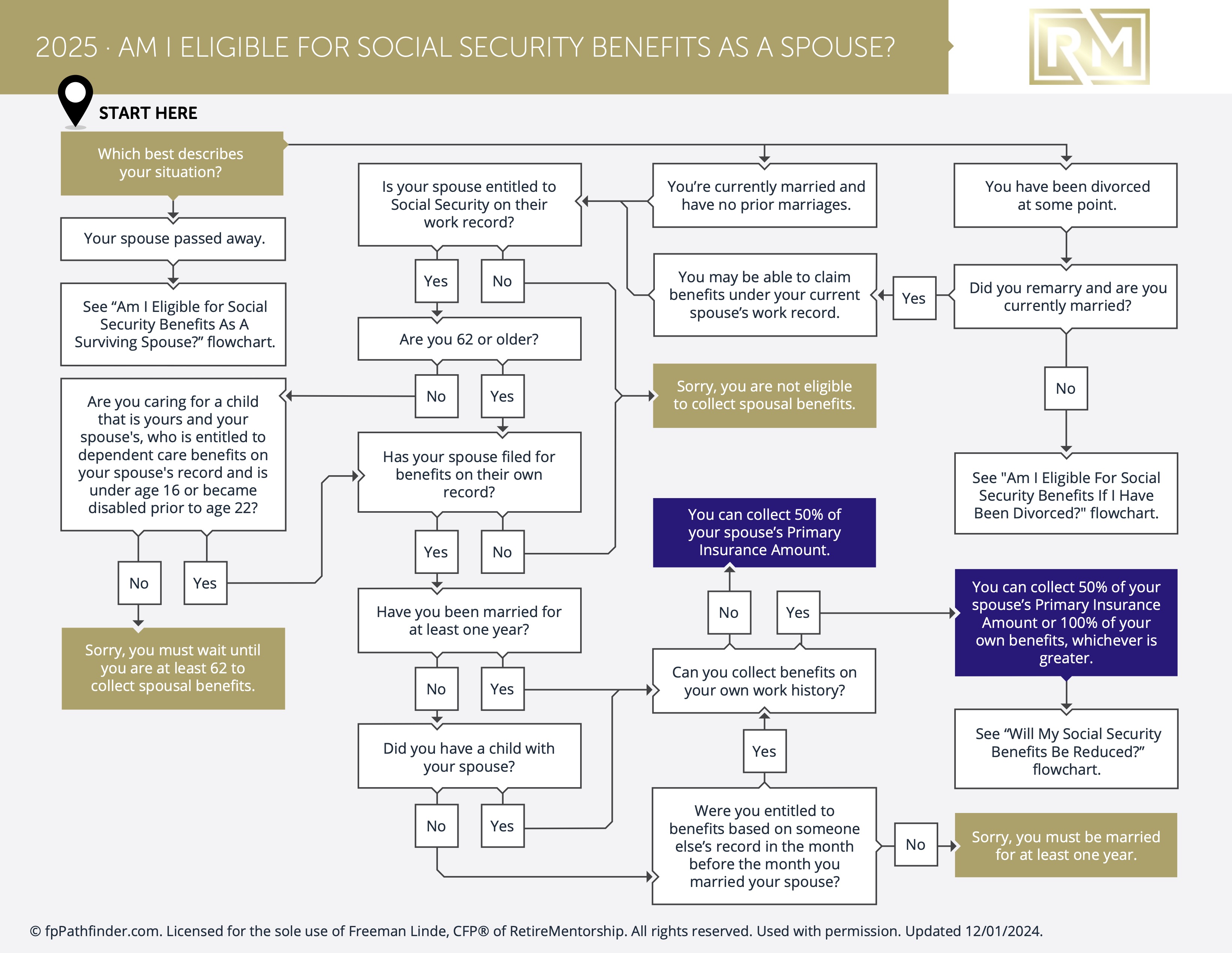
- Spousal Benefits: If you are married to someone receiving Social Security retirement or disability benefits, you may be eligible for benefits based on their work record. Generally, you can receive up to 50% of your spouse’s Full Retirement Age benefit amount. To be eligible, you must typically be at least 62 years old, or caring for your spouse’s child who is under age 16 or disabled. Spousal benefits can be particularly beneficial if one spouse has significantly lower lifetime earnings than the other, allowing the lower-earning spouse to receive a higher benefit than they would on their own work record.
- Survivor Benefits: When a worker dies, certain family members may be eligible for survivor benefits. These can include a widow or widower (including divorced spouses), minor children, and dependent parents. A surviving spouse can receive up to 100% of the deceased worker’s benefit if they claim at their own Full Retirement Age. Minor children (under 18, or 19 if still in high school) and disabled adult children may also receive benefits. These benefits are a vital financial lifeline during a difficult time, helping families cope with the loss of income.
The rules around spousal and survivor benefits can be complex, especially concerning claiming ages and how they interact with your own work record. It’s often possible to claim one benefit (e.g., spousal) while allowing your own benefit to grow, then switch to your own higher benefit later.
Disability Benefits
Social Security Disability Insurance (SSDI) provides benefits to workers who have become unable to engage in substantial gainful activity due due to a severe medical condition that is expected to last for at least one year or result in death. Unlike retirement benefits, which are purely age-based after meeting credit requirements, disability eligibility has strict medical criteria.
- Eligibility for SSDI: To qualify, you must have worked long enough and recently enough under Social Security to have accumulated the required work credits. The number of credits needed varies with your age when you become disabled. For example, if you become disabled at age 31 or older, you typically need 20 credits earned in the last 10 years ending with the year your disability began. Beyond the work credits, your medical condition must meet the SSA’s strict definition of disability. This typically means you cannot do the work you did before, the SSA determines you cannot adjust to other work due to your medical condition, and your disability has lasted or is expected to last for at least one year or result in death. The application process for disability benefits can be lengthy and requires extensive medical documentation.
Dependent Benefits
In addition to spousal and survivor benefits, Social Security also provides benefits to certain dependents of retired, disabled, or deceased workers.
- Children’s Benefits: Unmarried children of a worker who is retired, disabled, or deceased may be eligible for benefits. This includes biological children, adopted children, and in some cases, stepchildren or grandchildren. To qualify, the child must typically be under age 18 (or up to 19 if still a full-time student in elementary or secondary school) or be an adult who became disabled before age 22.
- Parents’ Benefits: In some rare cases, dependent parents of a deceased worker may be eligible for benefits if they were receiving at least half of their support from the worker.
These various benefit types underscore Social Security’s comprehensive approach to protecting American families from a range of life’s unforeseen challenges, not just old age. Each category has its own specific eligibility requirements, which are worth exploring if you or your family members might qualify.
Practical Steps to Determine and Maximize Your Benefits
Understanding the theoretical aspects of Social Security eligibility is a crucial first step, but putting that knowledge into action requires proactive engagement with the Social Security Administration and careful personal financial planning. Fortunately, the SSA provides several tools and resources to help you ascertain your eligibility and estimate your future benefits.
Creating a “my Social Security” Account
One of the most valuable resources available to you is the “my Social Security” online account. This secure, personalized portal allows you to access a wealth of information directly related to your Social Security record.
- Access Your Earnings Record: The account provides a detailed breakdown of your earnings history, year by year, as reported to the SSA. It’s critical to review this regularly to ensure accuracy, as any errors could impact your future benefit calculations.
- Get Estimated Benefits: Based on your actual earnings record, the “my Social Security” account generates personalized estimates of your future retirement benefits at different claiming ages (62, your Full Retirement Age, and 70). It also provides estimates for disability and survivor benefits. These estimates are invaluable for planning your retirement income.
- Review Your Social Security Statement: You can view and download your most recent Social Security Statement, which contains a summary of your estimated benefits and earnings record.
Creating an account is free and takes only a few minutes. It’s recommended to do this well before you plan to claim benefits to give yourself ample time for review and planning.
Reviewing Your Social Security Statement
The Social Security Statement, whether accessed online or received in the mail, is a powerful planning document. It’s more than just a piece of paper; it’s a snapshot of your potential financial future.
- Check for Accuracy: Your earnings history is the foundation of your benefit calculation. Mistakes can happen – a former employer might have reported earnings incorrectly, or there might be missing years. If you find any discrepancies, it’s crucial to contact the SSA immediately with proof of earnings (like W-2s or tax returns) to correct your record.
- Understand Your Estimated Benefits: The statement clearly lays out your estimated monthly benefit at various ages. Take the time to understand the differences between claiming early, at FRA, and delaying. This data will inform your claiming strategy.
- Evaluate Coverage for Family: The statement also includes information on potential disability and survivor benefits for you and your family members, offering a broader view of the safety net Social Security provides.
Regularly reviewing your statement, at least once a year, helps ensure your record is correct and keeps you informed about your potential benefits as your career progresses.
Consulting with a Financial Advisor
While the SSA provides general information and estimates, a qualified financial advisor can offer personalized guidance tailored to your unique financial situation and goals.
- Integrated Retirement Planning: A financial advisor can help integrate your Social Security claiming strategy into your broader retirement plan, considering your other savings (401(k), IRA), pensions, investments, and expenses.
- Optimized Claiming Strategies: Advisors can help you analyze the best claiming age, especially if you’re married and need to coordinate benefits with your spouse. They can run scenarios based on different life expectancies and financial needs.
- Understanding Complex Rules: The rules around spousal benefits, survivor benefits, and the earnings test can be complex. An advisor can clarify these intricacies and help you navigate them effectively.
- Tax Implications: Social Security benefits can be taxable depending on your “combined income.” An advisor can help you understand these tax implications and plan accordingly.
The modest cost of professional advice can be well worth the significant financial gains from an optimized Social Security strategy.
Staying Informed About Policy Changes
Social Security is a dynamic system, subject to ongoing legislative review and potential policy adjustments. While major overhauls are rare, minor changes in rules, cost-of-living adjustments (COLAs), and earnings thresholds are regular occurrences.
- Follow News and Updates: Stay informed about current discussions regarding Social Security’s long-term solvency and any proposed legislative changes that could affect future benefits.
- Utilize SSA Resources: The SSA website (SSA.gov) is the official and most reliable source for up-to-date information, program changes, and policy explanations.
By taking these practical steps, you empower yourself to make well-informed decisions about your Social Security benefits, ensuring you maximize this crucial component of your retirement income.
Understanding when you are eligible for Social Security is far more nuanced than simply waiting until retirement age. It involves a strategic understanding of work credits, your Full Retirement Age, and the various factors that influence your monthly benefit amount. Whether you choose to claim benefits early at age 62, wait until your Full Retirement Age, or strategically delay until age 70, your decision will have a profound and lasting impact on your financial well-being throughout retirement. Moreover, recognizing the broader scope of Social Security—encompassing disability, spousal, and survivor benefits—highlights its comprehensive role in providing a safety net for American families. By proactively engaging with your “my Social Security” account, reviewing your statements, and seeking professional financial advice, you can navigate these complexities with confidence, ensuring you harness the full potential of your earned benefits to secure a stable and fulfilling future. The journey to retirement is a marathon, and informed planning for Social Security is a critical step in reaching the finish line with financial peace of mind.
aViewFromTheCave is a participant in the Amazon Services LLC Associates Program, an affiliate advertising program designed to provide a means for sites to earn advertising fees by advertising and linking to Amazon.com. Amazon, the Amazon logo, AmazonSupply, and the AmazonSupply logo are trademarks of Amazon.com, Inc. or its affiliates. As an Amazon Associate we earn affiliate commissions from qualifying purchases.