
For millions of Americans, Social Security represents a cornerstone of financial security, providing a vital safety net that extends far beyond just retirement. Yet, despite its pervasive influence, many individuals remain unclear about the full scope of benefits it offers, how those benefits are calculated, and, crucially, how to maximize their entitlement. Understanding “what you will get” from Social Security is not merely about anticipating a monthly check; it’s about comprehending a complex system designed to provide protection across various life stages and circumstances. This article aims to demystify Social Security, offering an insightful and engaging exploration into its structure, benefits, and strategic considerations, all firmly within the realm of personal finance and financial planning.
Decoding the Core: What Social Security Truly Is
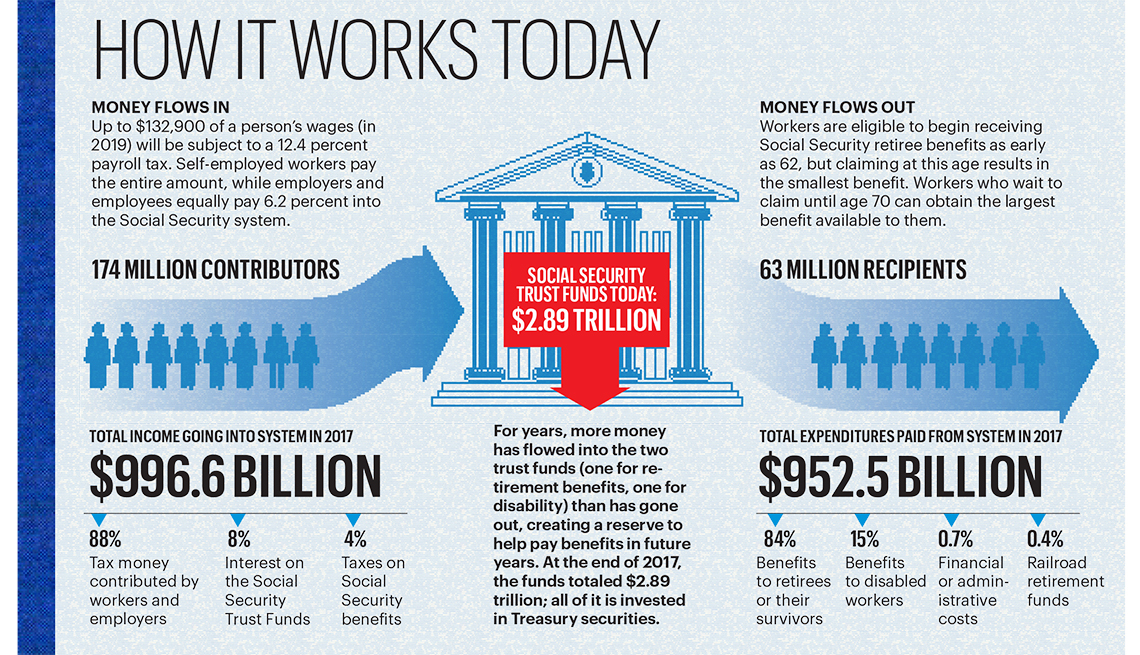
At its heart, Social Security is a social insurance program, not a savings account or a welfare program. It operates on a “pay-as-you-go” system, where current workers’ contributions fund the benefits of today’s retirees, survivors, and disabled individuals. Established in 1935, its primary goal was to provide a basic level of economic security to Americans, shielding them from the financial perils of old age, disability, and the death of a primary wage earner. It is an enduring legacy of the New Deal, evolving over decades to meet the changing needs of the population.
A Safety Net for All Stages of Life
Unlike a private pension, Social Security’s reach is broad and multifaceted. It’s designed to be a multi-generational program, offering protection at various critical junctures of life. For workers, it provides retirement income after a lifetime of contributions. For those who face unforeseen circumstances, it offers disability benefits. And for families grappling with the loss of a loved one, survivor benefits can provide crucial financial stability. This comprehensive approach means that even if you’re years away from retirement, your contributions today are building a foundation of protection for you and your dependents, should the unexpected occur. It’s an implicit promise of support, built into the fabric of the American economy.
The Funding Mechanism: How Your Contributions Work
Social Security is primarily funded through dedicated payroll taxes, known as Federal Insurance Contributions Act (FICA) taxes. As an employee, you contribute a portion of your earnings (currently 6.2% up to an annual earnings limit), and your employer matches that contribution. Self-employed individuals pay both the employee and employer portions (12.4%). These tax revenues are funneled into two trust funds: the Old-Age and Survivors Insurance (OASI) Trust Fund and the Disability Insurance (DI) Trust Fund. These funds are legally obligated to pay benefits, highlighting the program’s robust financial and legal backing. While concerns about the program’s long-term solvency occasionally surface, it’s important to remember that Social Security has never missed a payment and remains a fundamental pillar of national financial policy. Understanding this funding model helps underscore that your benefits are a direct result of a lifetime of work and contributions, making them an earned entitlement.
Unpacking Your Benefit Basket: More Than Just Retirement
While many people primarily associate Social Security with retirement, the program provides a much broader spectrum of benefits. Depending on your work history and specific life circumstances, you may be eligible for a range of different types of support. Recognizing these distinct categories is crucial for a complete understanding of your potential entitlements.
Retirement Benefits: Your Foundation for Later Years
This is arguably the most recognized form of Social Security benefit. Upon reaching retirement age and having accumulated sufficient work credits (typically 40 credits, equivalent to 10 years of work), you become eligible for monthly payments. The amount of your retirement benefit is primarily based on your average indexed monthly earnings (AIME) during your 35 highest-earning years. The earlier you claim your benefits, the lower your monthly payment will be, relative to your “Full Retirement Age” (FRA) benefit. Conversely, delaying your claim beyond your FRA can significantly increase your monthly payout. This flexibility provides a powerful lever for individuals to tailor their income streams to their specific retirement timelines and financial needs.
Disability Benefits: Protecting You When You Can’t Work
If you become severely disabled and are unable to perform substantial gainful activity, Social Security Disability Insurance (SSDI) can provide a vital income replacement. To qualify, you must have worked long enough and recently enough to have earned a certain number of work credits. The Social Security Administration (SSA) has a strict definition of disability, generally requiring that your condition is expected to last for at least one year or result in death. These benefits can be life-changing for individuals and families facing unforeseen health crises, offering a crucial financial lifeline when regular employment is no longer possible. The application process can be rigorous, often requiring extensive medical documentation, but the existence of this safety net provides immense peace of mind.
Survivor Benefits: Safeguarding Your Loved Ones
In the unfortunate event of your death, your surviving family members may be eligible for benefits based on your work record. This includes spouses, minor children, and dependent parents. For example, a surviving spouse caring for your child who is under age 16 or disabled may receive benefits. Unmarried children under 18 (or 19 if still in high school) can also qualify. Even a divorced spouse may be eligible for survivor benefits if certain criteria are met. These survivor benefits are a critical component of family financial planning, ensuring that your loved ones are not left in dire financial straits should you pass away unexpectedly. They reinforce the program’s role as a comprehensive family insurance policy, not just an individual retirement scheme.
Spousal and Dependent Benefits: Expanding the Safety Net
Social Security also extends benefits to certain family members based on your work record while you are alive. If you are receiving retirement or disability benefits, your spouse may be eligible for spousal benefits if they are at least age 62 (or caring for your qualifying child). The maximum spousal benefit is typically 50% of your full retirement age benefit. Similarly, your unmarried dependent children (under 18, or 19 if in high school, or disabled at any age if the disability began before age 22) may also qualify for dependent benefits. These provisions acknowledge the economic interconnectedness of families and ensure that an entire household can benefit from one individual’s contributions, making Social Security a truly collective endeavor.
Calculating Your Share: What Determines Your Payouts?
Understanding the different types of benefits is one thing, but knowing how your specific benefit amount is determined is equally critical. Social Security benefits are not arbitrary; they are calculated through a formula that takes into account various factors, primarily your earnings history and the age at which you claim.
The Role of Your Earnings Record

Your Social Security benefits are directly tied to your lifetime earnings. Specifically, the SSA calculates your Average Indexed Monthly Earnings (AIME) based on your 35 highest-earning years, adjusted for inflation to reflect current wage levels. This AIME is then used in a progressive formula to determine your Primary Insurance Amount (PIA), which is the monthly benefit you would receive if you claim at your Full Retirement Age (FRA). The more you earn over your working career (up to the annual Social Security maximum taxable earnings limit), the higher your potential benefits will be. This emphasizes the importance of consistent employment and earning a respectable income throughout your career to maximize your future Social Security entitlement.
Full Retirement Age (FRA): A Critical Benchmark
Your Full Retirement Age (FRA) is a pivotal factor in determining your Social Security benefit. This is the age at which you are entitled to 100% of your Primary Insurance Amount. For individuals born in 1943 or later, the FRA gradually increases from 66 to 67. If you claim benefits before your FRA, your monthly payment will be permanently reduced. For instance, claiming at age 62 (the earliest possible age) can result in a permanent reduction of up to 30% for those with an FRA of 67. Conversely, if you delay claiming benefits beyond your FRA, you can earn “delayed retirement credits,” which will increase your monthly payment by 8% for each year you delay, up to age 70.
Cost-of-Living Adjustments (COLAs): Keeping Pace with Inflation
To protect the purchasing power of benefits against inflation, Social Security benefits are subject to annual Cost-of-Living Adjustments (COLAs). These adjustments are based on the Consumer Price Index for Urban Wage Earners and Clerical Workers (CPI-W) and are typically announced in the fall of each year, taking effect in January. While not always perfectly matching individual inflation experiences, COLAs are a crucial feature that helps ensure your Social Security income maintains its value over time, providing an important hedge against the rising cost of living throughout your retirement years. This adjustment mechanism provides a layer of financial security that many private pensions lack.
Strategic Claiming: Maximizing Your Social Security Income
Deciding when to start receiving your Social Security benefits is one of the most critical financial decisions many individuals will make. The difference between an optimal claiming strategy and a suboptimal one can amount to tens or even hundreds of thousands of dollars over a lifetime. This decision requires careful consideration of personal circumstances, health, and financial goals.
Early Claiming: The Trade-offs of Starting Sooner
Claiming Social Security at the earliest possible age (62) can be tempting, especially if you’ve retired early, lost your job, or simply wish to enjoy your benefits sooner. However, it comes with a significant and permanent reduction in your monthly benefit amount. For someone with an FRA of 67, claiming at 62 means a 30% reduction. While you receive payments for a longer duration, the cumulative amount over your expected lifespan may be less than if you had waited. This strategy is often best suited for individuals with shorter life expectancies, those in immediate financial need, or those who have other robust retirement income streams that make the reduced payment less impactful. It’s a trade-off between receiving smaller payments for a longer time versus larger payments for a shorter time.
Delaying Benefits: The Power of Increased Payouts
Conversely, delaying your Social Security claim beyond your Full Retirement Age, up to age 70, can significantly boost your monthly benefit. For each year you delay past your FRA, your benefit amount increases by 8% (through delayed retirement credits). This means that by waiting from age 67 to 70, you could increase your monthly payment by 24% – a substantial return on waiting. This strategy is particularly appealing for individuals with good health and a longer life expectancy, as the increased monthly payments can compound over many years. It essentially acts as a highly effective, inflation-protected annuity. For those who can afford to defer, perhaps by drawing from other retirement savings, delaying can be a powerful wealth maximization strategy.
Coordinated Spousal Strategies: A Team Approach
For married couples, the claiming decision becomes even more nuanced and often involves a coordinated strategy to maximize combined lifetime benefits. Options like “file and suspend” (which allowed one spouse to file for benefits at FRA, suspend them to earn delayed retirement credits, and allow the other spouse to claim spousal benefits) have largely been phased out, but other strategies remain. For instance, the higher-earning spouse might delay claiming until age 70 to maximize their benefit, which will also result in a higher potential survivor benefit for the lower-earning spouse. The lower-earning spouse might claim their own benefits earlier, or claim spousal benefits when eligible. Navigating these options often requires careful planning and, ideally, consultation with a financial advisor specializing in Social Security to ensure the couple optimizes their collective financial well-being.
Social Security in Your Broader Financial Tapestry
While Social Security is an invaluable component of retirement and financial security, it’s crucial to view it within the context of your overall financial plan. It is a foundational element, but rarely a complete solution on its own.
Not Your Sole Retirement Solution: Diversification is Key
For most individuals, Social Security was never intended to be the sole source of retirement income. It typically replaces about 40% of an average worker’s pre-retirement earnings, a percentage that tends to be lower for high-income earners. This means that a comprehensive retirement strategy must include other income streams, such as personal savings, 401(k)s, IRAs, pensions, and other investments. Relying exclusively on Social Security for your post-work financial needs is often insufficient to maintain your desired lifestyle. Diversifying your retirement income sources is paramount to building a resilient and comfortable financial future.
Tax Implications of Social Security Benefits
It’s also important to understand that Social Security benefits can be subject to federal income tax. If your “provisional income” (which includes your adjusted gross income, tax-exempt interest, and half of your Social Security benefits) exceeds certain thresholds, a portion of your benefits may be taxable. Up to 50% of your benefits may be taxable if your provisional income is between $25,000 and $34,000 for individuals ($32,000 and $44,000 for married couples filing jointly). If your provisional income exceeds the higher threshold, up to 85% of your benefits may be taxable. Some states also tax Social Security benefits. Incorporating these potential tax liabilities into your retirement budgeting and tax planning is essential to avoid surprises.
Staying Informed: Monitoring Your Statements and Rules
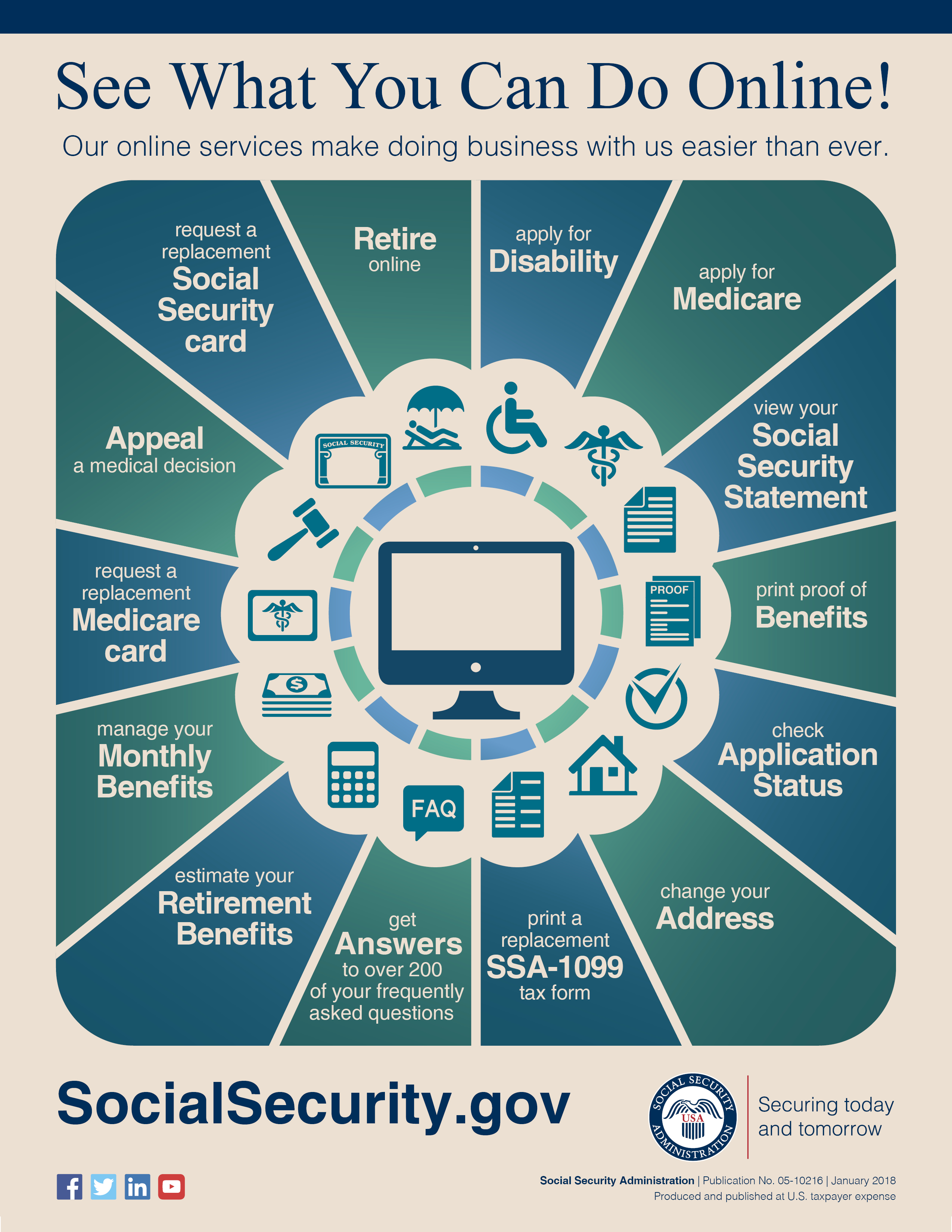
The Social Security system, while robust, is also dynamic. Rules can change, and your individual earnings record needs to be accurate. It is highly advisable to regularly check your Social Security statement (available online via mySocialSecurity account or by mail) to verify your reported earnings and get an estimate of your future benefits. This allows you to identify any discrepancies in your earnings history that could impact your future benefits and gives you valuable data for long-term financial planning. Staying informed about potential legislative changes and consulting reliable sources will empower you to make the most informed decisions regarding your Social Security benefits throughout your working life and into retirement.
In conclusion, understanding “what you will get from Social Security” goes beyond a simple number. It encompasses a rich tapestry of benefits—retirement, disability, survivor, spousal, and dependent—all funded by a lifetime of contributions. By grasping the intricacies of its calculation, strategically planning your claiming age, and integrating it wisely into your broader financial plan, you can effectively leverage Social Security as a cornerstone of your long-term financial security.
aViewFromTheCave is a participant in the Amazon Services LLC Associates Program, an affiliate advertising program designed to provide a means for sites to earn advertising fees by advertising and linking to Amazon.com. Amazon, the Amazon logo, AmazonSupply, and the AmazonSupply logo are trademarks of Amazon.com, Inc. or its affiliates. As an Amazon Associate we earn affiliate commissions from qualifying purchases.