
For many, a job at Whole Foods Market represents more than just employment; it’s an entry into a company known for its commitment to quality, sustainability, and a distinctive shopping experience. But beneath the veneer of organic produce and artisanal cheeses lies a practical question for prospective and current team members alike: “How much does Whole Foods pay?” Understanding compensation at Whole Foods goes beyond a single number; it involves a nuanced exploration of average wages, benefits, career progression, and the various factors that influence an individual’s earning potential within this Amazon-owned enterprise.

In an era where personal finance is paramount and every dollar counts, dissecting the salary structure of major employers like Whole Foods is crucial for financial planning, career decisions, and assessing overall job satisfaction. This article will delve into the intricacies of Whole Foods’ compensation framework, offering insights into what one can expect to earn, the non-monetary benefits that enhance the overall package, and how these figures stack up in the broader retail and grocery landscape. Our aim is to provide a professional, insightful, and engaging overview that empowers individuals with the knowledge to make informed decisions about their financial journey with Whole Foods Market.
Understanding the Whole Foods Compensation Landscape
The pay structure at Whole Foods Market is multifaceted, reflecting the diversity of roles, geographic locations, and the company’s strategic approach to attracting and retaining talent. It’s important to acknowledge that specific figures are dynamic, subject to change, and can vary significantly. However, by examining general trends and reported data, we can build a comprehensive picture.
Average Hourly Wages and Salaries
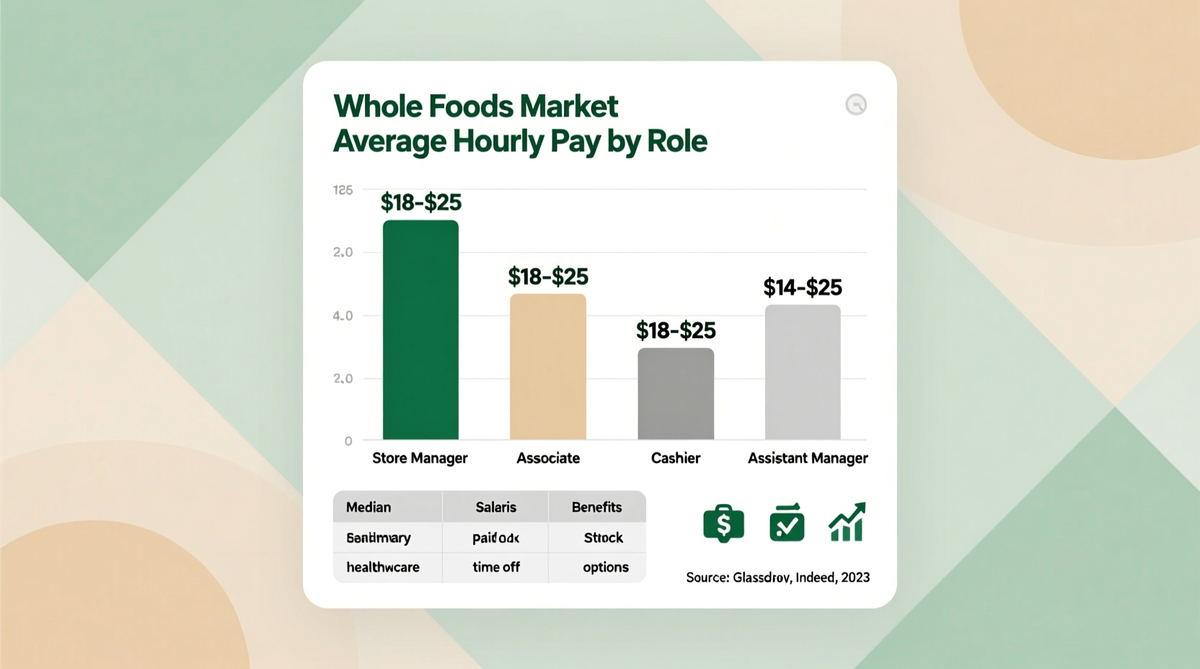
Generally, entry-level positions at Whole Foods, such as cashiers, stockers, and team members in various departments (e.g., produce, bakery, prepared foods), often start at an hourly rate that is competitive within the grocery industry, frequently above the federal minimum wage and often exceeding state minimums in many locations. While precise figures are proprietary and constantly updated, publicly available data and employee reports often suggest starting hourly wages can range from $15 to $20 or more, depending on the region and specific role. These figures tend to be slightly higher than those seen at conventional grocery chains, aligning with Whole Foods’ positioning as a premium retailer and Amazon’s commitment to a minimum wage.
Salaried positions, typically found in supervisory, department lead, and management roles, offer a different compensation structure. These roles come with a fixed annual salary, often accompanied by eligibility for bonuses and a more extensive benefits package. Annual salaries for department managers can range significantly, from the mid-$40,000s to well over $70,000 or even higher for more senior store-level and corporate positions, reflecting the increased responsibility and expertise required.
Regional and Role-Based Variations
One of the most significant determinants of pay at Whole Foods is geographic location. Wages in high cost-of-living areas, such as major metropolitan centers like New York City, San Francisco, or Seattle, will naturally be higher than those in more rural or less expensive regions. This adjustment is a common practice across industries to ensure employees can maintain a reasonable standard of living in their respective markets.
Furthermore, pay varies considerably by role. A team member in the prepared foods department might earn a different hourly rate than a butcher, a baker, or someone working in customer service, even within the same store. Specialized roles requiring particular skills, certifications, or extensive training (e.g., experienced butchers, cheesemongers, or culinary professionals) often command higher wages. Corporate roles, based at regional or national offices, also have a distinct salary structure reflecting their strategic, administrative, or specialized functions (e.g., marketing, finance, technology).
The Impact of Experience and Tenure
As with most companies, experience plays a crucial role in compensation at Whole Foods. Employees with a longer tenure and proven track record often receive incremental pay increases through annual reviews, performance-based raises, and cost-of-living adjustments. Beyond mere longevity, demonstrating enhanced skills, taking on additional responsibilities, and achieving consistent high performance can significantly boost an individual’s earning potential. Whole Foods generally has a structured system for performance evaluations, which links individual contributions to compensation adjustments and opportunities for advancement. This progression means that an initial starting wage is rarely the ceiling for a dedicated and growing team member.
Beyond the Paycheck: A Look at Benefits and Perks
While the hourly wage or annual salary forms the core of compensation, the total remuneration package at Whole Foods Market is significantly enhanced by its comprehensive array of benefits and perks. These non-monetary elements contribute substantially to an employee’s financial well-being and overall quality of life, making them a critical component for anyone evaluating a job offer.
Health, Dental, and Vision Insurance
Whole Foods offers robust health, dental, and vision insurance plans for eligible full-time and sometimes even part-time employees. These plans are designed to provide comprehensive coverage, helping team members manage medical expenses, maintain oral health, and ensure good vision, all of which are essential for personal finance and preventing unexpected costs. The quality and affordability of these plans are often cited as a key advantage of working for the company, contrasting with some retail sectors where such benefits might be less comprehensive or accessible.
Retirement Plans and Financial Wellness Programs
Understanding the importance of long-term financial security, Whole Foods provides retirement savings plans, typically a 401(k) with a company match. This employer contribution effectively acts as additional compensation, helping employees build a nest egg for their future. Beyond the 401(k), the company often provides access to financial wellness resources, which might include educational tools, counseling, or partnerships designed to help team members manage their finances, plan for major life events, and understand their benefits. These programs underscore a commitment to holistic employee well-being, acknowledging that financial health is a critical component of overall happiness and productivity.
Employee Discounts and Wellness Initiatives
A highly valued perk among Whole Foods team members is the substantial employee discount, often ranging from 20-30% on most in-store purchases. Given the premium pricing of many Whole Foods products, this discount can translate into significant savings on groceries, prepared foods, and other items, directly impacting an employee’s personal budget. In addition to discounts, Whole Foods promotes a culture of health and wellness, reflected in various initiatives. These might include wellness challenges, health incentive programs, and access to resources that support physical and mental well-being, aligning with the company’s brand identity.
Paid Time Off and Work-Life Balance
Whole Foods offers paid time off (PTO) to eligible employees, which typically includes vacation days, sick leave, and holidays. The amount of PTO usually accrues with tenure, allowing long-serving employees to enjoy more time away from work. This benefit is crucial for work-life balance, allowing individuals to rest, recover, attend to personal matters, and spend time with family without experiencing a loss of income. Policies regarding parental leave and other types of leave are also often in place, further supporting team members through various life stages and promoting a supportive work environment.
Factors Influencing Earning Potential at Whole Foods
Several dynamic factors beyond the general market rates directly influence an individual’s specific earning potential and compensation trajectory within Whole Foods Market. These elements are crucial for anyone looking to maximize their income or progress within the company.
Store-Level Positions: From Cashier to Department Lead
The most common entry point into Whole Foods is at the store level. Initial pay for roles like Cashier, Customer Service Team Member, or standard Department Team Member (e.g., produce, bakery, meat, seafood) typically starts at the competitive hourly base. However, as team members gain experience, demonstrate reliability, and take initiative, opportunities arise for promotion to more specialized roles or leadership positions within a department. For example, a Team Member might advance to a Specialist role, then to a Team Trainer, Assistant Team Leader, and eventually to a Department Team Leader. Each step up the ladder brings an increase in pay and responsibility, often moving from hourly wages to salaried positions for leadership roles.
Corporate Roles and Specialized Expertise
Beyond the retail floor, Whole Foods, as a large corporation and a subsidiary of Amazon, offers a wide array of corporate roles. These positions, spanning areas such as marketing, finance, human resources, supply chain management, technology, and culinary development, are generally salaried and often command significantly higher compensation than most store-level roles. Earning potential in these areas is heavily influenced by education, specialized skills, prior experience, and the strategic importance of the role to the company’s operations. For individuals with advanced degrees or highly specialized skill sets, these corporate avenues represent the highest earning potential within the Whole Foods ecosystem.
The Role of Performance Reviews and Promotions
Whole Foods, like many large organizations, utilizes performance review systems to assess employee contributions. These reviews are typically annual and are critical for determining eligibility for merit-based pay raises, bonuses, and promotions. Consistently strong performance, meeting or exceeding job expectations, and demonstrating leadership qualities can significantly accelerate one’s compensation growth. Promotions to higher-level roles, which come with increased responsibilities and often supervision of other team members, are the most direct path to substantial pay increases, reflecting the added value an employee brings to the company.
Geographic Location and Cost of Living Adjustments
As touched upon earlier, the geographical location of a Whole Foods store or corporate office is a paramount factor. Compensation structures are often localized to reflect the prevailing cost of labor and cost of living in a particular market. For instance, a Department Team Leader in a suburban store in a low cost-of-living state will likely earn less than a peer in a flagship store in a major metropolitan area, even with similar experience and responsibilities. These adjustments are designed to ensure that compensation remains competitive within local markets and allows employees to afford local living expenses.
Career Growth and Financial Advancement within Whole Foods
Whole Foods Market, especially under Amazon’s ownership, presents various pathways for career development and subsequent financial advancement. For ambitious and dedicated team members, the company often provides opportunities to grow beyond initial roles, translating into significant long-term financial benefits.
Internal Mobility and Skill Development Opportunities
Whole Foods prides itself on developing its talent from within. The company frequently posts internal job openings, encouraging team members to apply for positions across different departments, stores, or even corporate functions. This internal mobility allows employees to explore new areas of interest, acquire new skills, and expand their professional network. Whole Foods often invests in training programs, workshops, and educational resources to help team members enhance their capabilities, whether it’s learning new culinary techniques, mastering inventory management software, or developing leadership skills. Acquiring these new skills makes individuals more valuable to the company and directly impacts their eligibility for higher-paying roles.
Pathways to Leadership and Management Roles
For those with leadership aspirations, Whole Foods offers clear pathways to management. Starting as a Team Member, individuals can progress to Assistant Team Leader, Team Leader, Associate Store Team Leader, and ultimately Store Team Leader (Store Manager). Each step up entails greater responsibility, strategic oversight, and, critically, a significant increase in compensation, moving into a salaried executive bracket with potential bonuses tied to store performance. Beyond store leadership, there are also regional and corporate leadership roles that oversee multiple stores or specialized functions, offering even higher earning potential and broader impact.
The Long-Term Financial Outlook for Team Members
A long-term career at Whole Foods can provide a stable and progressively rewarding financial outlook. Starting with competitive hourly wages and a strong benefits package, dedicated team members have the potential to significantly increase their income through performance-based raises, promotions, and the accumulation of specialized skills. The company’s 401(k) match and employee discount further contribute to long-term financial health. For those who ascend into management or corporate roles, the salary can become quite substantial, offering financial security and opportunities for wealth building. The integration with Amazon also offers potential for broader career paths and exposure to a vast corporate ecosystem, adding another dimension to long-term financial and professional growth.
Whole Foods Compensation in the Broader Retail & Grocery Context
Understanding how Whole Foods’ compensation practices compare to the rest of the industry is crucial for assessing its overall attractiveness as an employer and its strategic position in the market.
Comparing Wages with Competitors
Historically, Whole Foods has often been positioned as an employer that offers slightly higher wages and better benefits than many conventional grocery chains. This strategy helps attract and retain a workforce that aligns with its premium brand image and high standards for customer service and product knowledge. While discount grocers might compete on price, Whole Foods aims to compete on quality of product and employee experience. However, the competitive landscape is constantly evolving, with other major retailers and grocery chains also increasing their starting wages and improving benefits to attract talent in a tight labor market. Therefore, while Whole Foods generally remains competitive, direct comparisons should always consider specific roles, locations, and the full range of benefits offered.
The Living Wage Debate and Industry Standards
The discussion around “living wage” is particularly relevant in the retail and grocery sectors, where many entry-level positions have traditionally paid lower wages. Whole Foods, particularly under Amazon’s influence, has often set its minimum hourly wage above the federal and many state minimums, striving towards a living wage in many markets. This commitment is not only a matter of corporate social responsibility but also a strategic decision to reduce turnover, enhance employee morale, and attract a more skilled and dedicated workforce. By aiming to meet or exceed industry standards, Whole Foods positions itself as a more desirable employer, which has positive implications for its brand and operational efficiency.

Strategic Compensation in a High-Retention Environment
For Whole Foods, competitive compensation is a strategic tool. High employee turnover is costly for businesses, impacting training expenses, productivity, and customer experience. By offering attractive wages, robust benefits, and clear career pathways, Whole Foods aims to create a high-retention environment. This approach fosters a more experienced and knowledgeable workforce, which in turn enhances the customer experience and contributes to the company’s profitability. Investing in employees through fair and competitive compensation is seen not just as an expense, but as an investment in the company’s long-term success and sustainability within the highly competitive retail and grocery market.
In conclusion, “how much does Whole Foods pay?” is a question with a complex answer. While specific figures fluctuate, the overall picture suggests a company that aims to offer competitive wages, comprehensive benefits, and ample opportunities for career growth. For individuals navigating their personal financial journeys and career aspirations, Whole Foods presents a compelling option, particularly for those who align with its values and are eager to grow within a dynamic and impactful organization.
aViewFromTheCave is a participant in the Amazon Services LLC Associates Program, an affiliate advertising program designed to provide a means for sites to earn advertising fees by advertising and linking to Amazon.com. Amazon, the Amazon logo, AmazonSupply, and the AmazonSupply logo are trademarks of Amazon.com, Inc. or its affiliates. As an Amazon Associate we earn affiliate commissions from qualifying purchases.