
In the modern era of digital entertainment, the question of “what to watch” has shifted from a matter of channel-surfing to a complex interaction with sophisticated algorithms and high-performance software. Amazon Prime Video has evolved from a secondary perk of a shipping subscription into a global leader in the streaming space, driven largely by its integration with Amazon Web Services (AWS) and a suite of proprietary technologies. Navigating the vast library of Amazon Prime is no longer just a manual search; it is a tech-driven experience designed to minimize “decision fatigue” through predictive analytics, seamless cross-platform synchronization, and industry-leading metadata integration.
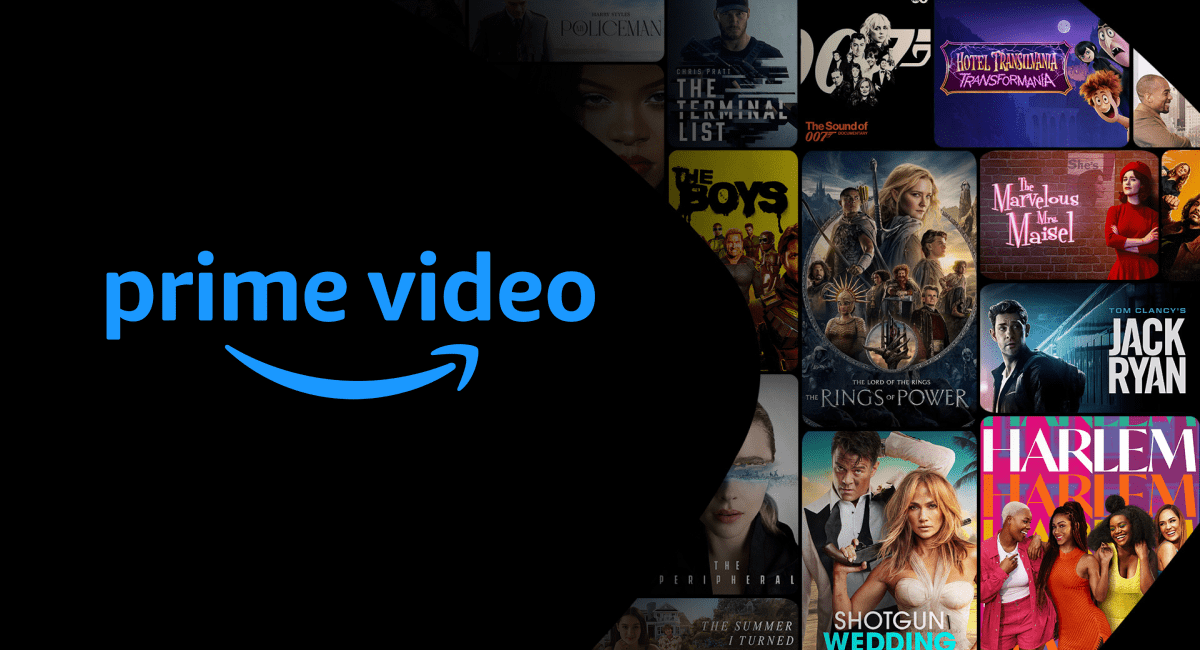
To understand how the platform determines what appears on your home screen, one must look past the movie posters and into the underlying architecture. From the machine learning models that track your viewing habits to the compression codecs that ensure a 4K stream doesn’t buffer on a standard home connection, the technology behind Amazon Prime is what truly defines the modern viewing experience.
The Neural Engine: How AI and Machine Learning Determine Your Next Binge-Watch
The primary challenge for any streaming service is curation. With tens of thousands of titles available, a user could easily spend more time scrolling than actually watching. To combat this, Amazon utilizes a sophisticated recommendation engine built on the backbone of AWS Machine Learning tools. When you ask yourself what to watch on Amazon Prime, the platform has already calculated several potential answers based on your unique “digital fingerprint.”
Predictive Analytics and Collaborative Filtering
At the heart of Amazon’s recommendation system is collaborative filtering. This technology analyzes the behavior of millions of users to find patterns. If User A and User B both enjoyed a specific sci-fi series, and User A then watches a new high-tech thriller, the system will likely suggest that thriller to User B. However, Amazon goes deeper by employing deep learning models that analyze the “latent features” of content.
This means the AI isn’t just looking at genres like “Action” or “Comedy.” It is analyzing pacing, color palettes, emotional arcs, and even the specific actors involved. By processing these data points, the tech creates a multi-dimensional map of your preferences, ensuring that the “Recommended for You” section feels intuitive rather than random.
Real-Time Personalization through AWS
The speed at which these recommendations are updated is a testament to Amazon’s cloud infrastructure. Unlike older systems that might update your preferences overnight, Amazon Prime Video utilizes real-time data processing. Using Amazon Kinesis, the platform can process stream-related data as it happens. If you stop watching a documentary halfway through, the algorithm notes the timestamp and immediately adjusts its confidence score in that sub-genre. This real-time feedback loop ensures that the interface remains dynamic, reflecting your most recent moods and interests.
High-Fidelity Infrastructure: The Software Powering 4K and Beyond
Once you have decided what to watch, the focus shifts from curation to delivery. The technology required to stream Ultra-High-Definition (UHD) content to a global audience without interruption is immense. Amazon Prime Video leverages advanced software engineering to manage bandwidth and maintain visual fidelity across diverse network conditions.
Adaptive Bitrate Streaming (ABS) and Compression Tech
One of the most critical technologies in the streaming stack is Adaptive Bitrate Streaming (ABS). This software-driven process monitors your internet connection in real-time. If your bandwidth drops because someone else in the house started a video call, the Prime Video player automatically switches to a lower-bitrate stream without pausing for buffering.
Furthermore, Amazon utilizes high-efficiency video coding (HEVC/H.265) and VP9 codecs. these technologies allow the platform to compress massive 4K files into manageable data streams that retain crisp detail and high dynamic range (HDR) metadata. By optimizing the “perceptual quality” of the video—where the software prioritizes data for the parts of the image the human eye focuses on most—Amazon delivers a premium cinematic experience even on modest hardware.
Global Content Delivery Networks (CDNs)
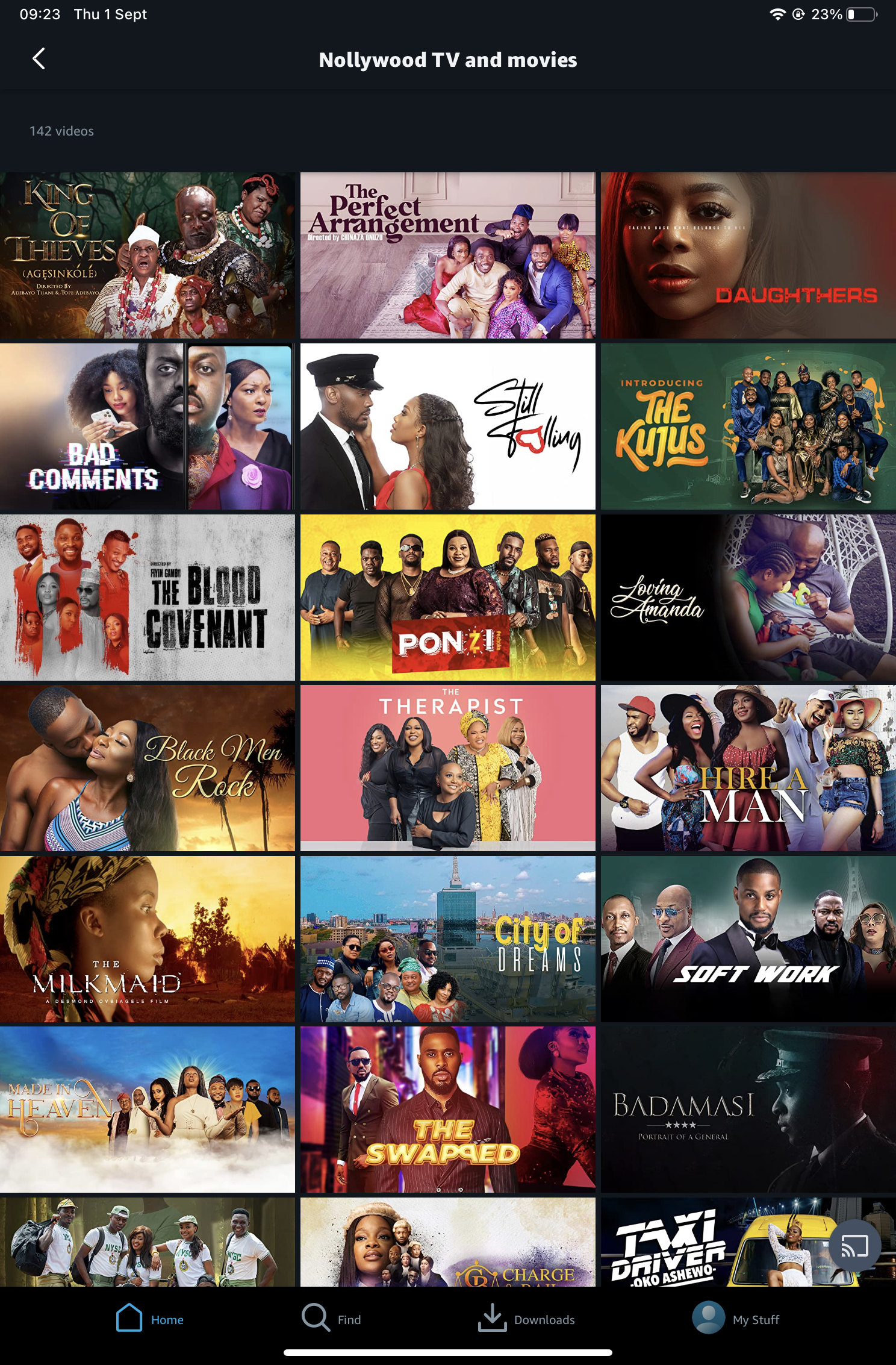
To minimize latency, Amazon utilizes a massive network of edge locations via Amazon CloudFront. When you click play on a popular original series, you aren’t pulling that file from a central server in Seattle. Instead, the tech identifies the server geographically closest to you. This Content Delivery Network (CDN) ensures that “time to first frame” is minimized. By caching popular content at the “edge” of the internet, Amazon reduces the physical distance data must travel, significantly lowering the risk of lag and connection timeouts.
The Interactive Viewing Experience: Breaking Down the X-Ray Feature
Perhaps the most distinct piece of technology that separates Amazon Prime Video from its competitors is the X-Ray feature. While other platforms offer basic playback, Amazon has integrated a deep-meta-data layer that transforms the viewing experience from passive to interactive. This feature is a prime example of how big data and computer vision can enhance entertainment.
Deep Meta-Data Integration via IMDb
Since Amazon owns IMDb (Internet Movie Database), it has access to the world’s most comprehensive repository of film and television data. The X-Ray tech synchronizes this database with the video timeline. Using frame-accurate timestamps, the software knows exactly which actor is on screen at any given second. This is not a manual process for every frame; rather, it uses automated tagging and metadata synchronization to provide users with instant access to cast biographies, soundtrack information, and trivia.
Computer Vision and Facial Recognition in Streaming
To refine the X-Ray feature, Amazon employs computer vision. This AI-driven technology can “see” the actors and objects within a frame. By training models on vast amounts of visual data, the software can identify faces even in complex lighting or when partially obscured. This allows for features like “Character Backstories” or “Shop the Look,” where the tech can identify specific products or costumes on screen and provide relevant information or links. This level of software integration turns “what to watch” into an immersive educational experience about the production itself.
The Ecosystem Synergy: Hardware Optimization for Modern Viewers
Amazon’s dominance in the streaming market is also a result of its hardware-software synergy. By designing both the streaming service and the devices used to consume it—such as the Fire TV Stick, Fire Tablets, and Echo Show—Amazon can optimize the tech stack for maximum performance.
Fire TV Integration and Voice Search Tech
The integration of Alexa Voice Service into the Prime Video interface has revolutionized how users search for content. Natural Language Processing (NLP) allows users to move beyond simple keyword searches. You can ask, “Alexa, find me 4K action movies with Tom Cruise,” and the AI parses the intent, filters the library, and presents the results in seconds. This eliminates the tedious process of typing on an on-screen keyboard and leverages cloud-based voice recognition to make content discovery seamless.
Cross-Device Synchronization and the “Continue Watching” Logic
The software architecture of Prime Video is built on a “stateless” design philosophy regarding the user’s session. This means your viewing state—where you paused, your audio preferences, and your subtitle settings—is stored in the cloud (DynamoDB) rather than on the device. This enables a seamless transition between a smartphone on a commute and a smart TV at home. The technology manages these hand-offs with near-zero latency, ensuring that the “what to watch” journey is never interrupted by technical friction.
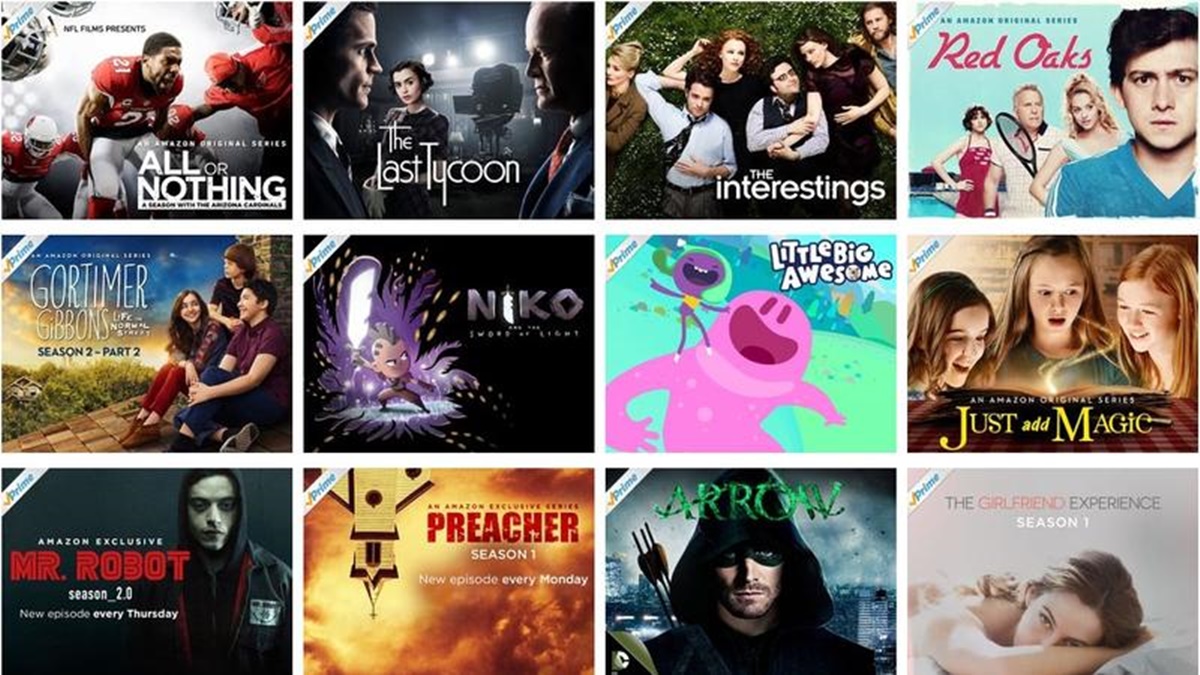
The Future of Choice: AI-Generated Content and Beyond
As we look toward the future of technology in streaming, Amazon is already experimenting with generative AI to further personalize the experience. We are moving toward a world where the interface itself might be generated in real-time based on user preferences. Imagine a home screen where the trailers are dynamically edited to highlight the themes you enjoy most—emphasizing the romance in a drama for one user, while highlighting the cinematography for another.
The tech behind Amazon Prime Video has proven that “what to watch” is no longer a simple question. It is the result of a massive, silent infrastructure of AI, cloud computing, and hardware engineering working in concert to deliver a personalized, high-definition world of entertainment. By continuing to push the boundaries of what is possible with AWS and machine learning, Amazon ensures that the platform remains at the cutting edge of the digital revolution, making the act of watching as sophisticated as the content itself.
aViewFromTheCave is a participant in the Amazon Services LLC Associates Program, an affiliate advertising program designed to provide a means for sites to earn advertising fees by advertising and linking to Amazon.com. Amazon, the Amazon logo, AmazonSupply, and the AmazonSupply logo are trademarks of Amazon.com, Inc. or its affiliates. As an Amazon Associate we earn affiliate commissions from qualifying purchases.