
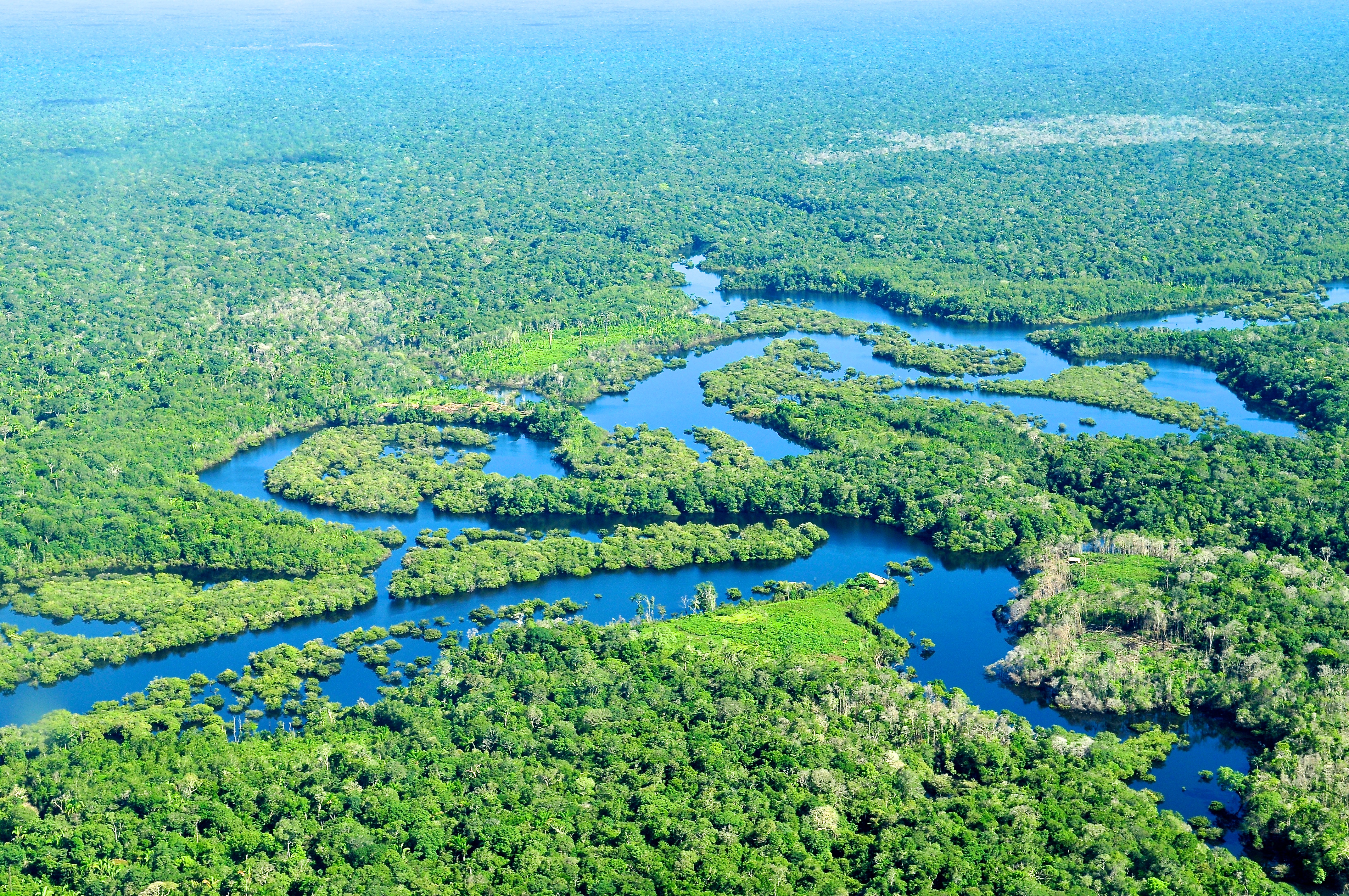
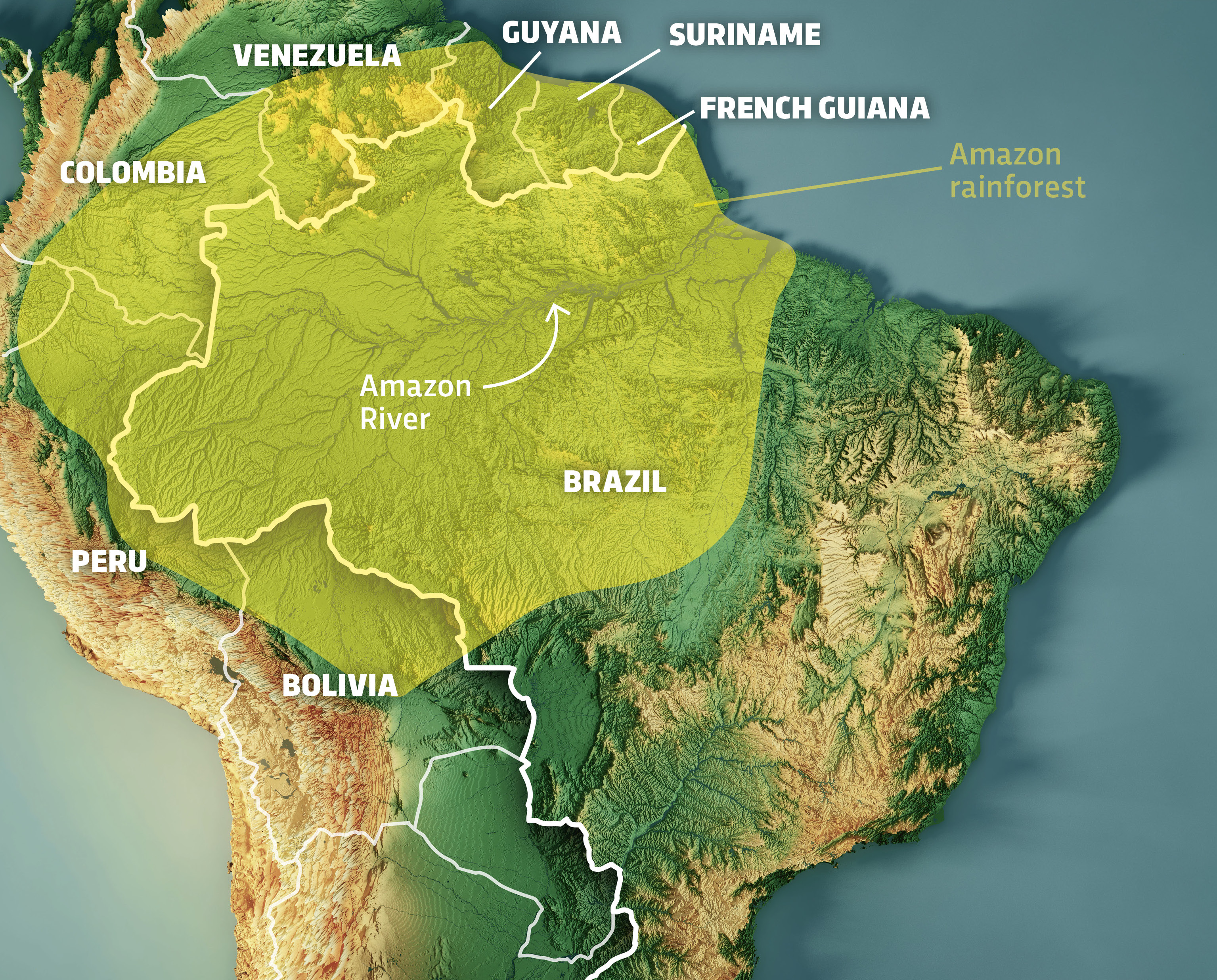
The Amazon rainforest is often discussed in terms of its staggering physical dimensions—spanning over 5.5 million square kilometers, with approximately 60% of that territory residing within the borders of Brazil. However, for the modern investor, economist, and global policymaker, the question “how big is the Amazon rainforest in Brazil” is increasingly being answered in fiscal terms. Beyond the hectares and kilometers lies a massive, complex asset class: natural capital.
As the world transitions toward a net-zero economy, the Brazilian Amazon has shifted from being a remote wilderness to the epicenter of a new global financial frontier. The “size” of the Amazon is now measured by its carbon sequestration capacity, its influence on the global GDP via climate regulation, and its potential as the world’s largest bio-economy. Understanding the economic magnitude of this region is essential for anyone involved in international finance, ESG (Environmental, Social, and Governance) investing, and the emerging markets of South America.
1. Natural Capital: Valuing the Amazon’s Ecosystem Services
To understand the economic scale of the Amazon in Brazil, one must first look at the concept of “ecosystem services.” These are the quantifiable benefits that the natural environment provides to the economy. In the case of the Amazon, these services are not merely local; they are systemic pillars of the global financial structure.
The Macroeconomics of Rainfall and Agribusiness
Brazil is one of the world’s leading exporters of soy, corn, and beef. This multi-billion dollar agribusiness sector is almost entirely dependent on the “flying rivers”—massive volumes of water vapor released by the Amazonian trees that travel across the continent to provide rainfall to Brazil’s southern agricultural heartlands.
From a money perspective, the Amazon acts as a natural irrigation system worth billions in annual revenue. Economists estimate that the loss of this forest would result in a permanent drop in agricultural productivity, leading to massive defaults on agricultural loans and a significant contraction of Brazil’s GDP. Therefore, the “size” of the Amazon is inextricably linked to the valuation of the Brazilian stock exchange (B3) and the stability of the Real.
Global Climate Regulation as a Financial Hedge
On a global scale, the Amazon acts as a heat sink and a carbon reservoir. Its ability to regulate the global climate reduces the frequency and severity of extreme weather events elsewhere. For the insurance and reinsurance industries, the Amazon represents a massive natural hedge against climate-related claims. The physical size of the forest in Brazil—roughly the size of the European Union—functions as a stabilizer for global commodity prices, preventing the volatility that comes with widespread crop failures and infrastructure damage caused by unmitigated global warming.
2. The Carbon Credit Economy: A New Frontier for Institutional Investment
Perhaps the most direct way to measure the “size” of the Brazilian Amazon in today’s market is through the lens of carbon credits. As corporations worldwide commit to carbon neutrality, the demand for high-quality, nature-based carbon offsets has skyrocketed.
Quantifying Sequestration Potential
The Brazilian Amazon stores an estimated 150 to 200 billion tons of carbon. In the language of finance, this represents a gargantuan inventory of “carbon assets.” As carbon prices under various compliance and voluntary markets fluctuate between $20 and $100 per ton, the theoretical valuation of the Amazon’s carbon stock reaches into the trillions of dollars. For institutional investors, the Amazon is no longer just a forest; it is the world’s largest carbon bank.
The Growth of Voluntary Carbon Markets (VCM)
Brazil is currently restructuring its legal frameworks to better facilitate the sale of carbon credits derived from the Amazon. This includes “REDD+” projects (Reducing Emissions from Deforestation and Forest Degradation), which allow private landowners and the state to monetize preserved forest land. For side-hustlers in the environmental consulting space and major investment banks alike, the Amazon provides a fertile ground for “Green Bonds” and carbon-linked financial instruments. The scale of this market in Brazil is projected to grow exponentially, potentially becoming a primary driver of foreign direct investment (FDI) over the next decade.
3. The Bio-Economy: Investing in Sustainable Biodiversity
When we ask how big the Amazon is, we must also consider its “genetic wealth.” The Brazilian Amazon holds 20% of the world’s biodiversity. In the sectors of pharmaceuticals, cosmetics, and biotechnology, this represents an untapped portfolio of intellectual property and high-margin products.
Pharmaceuticals and Cosmetic R&D
The “Standing Forest” economy suggests that the Amazon is worth significantly more alive than dead. Research indicates that the revenue generated from sustainable harvesting of acai, rubber, Brazil nuts, and medicinal plants can outperform traditional cattle ranching in the long term. Major global brands are increasingly investing in Amazonian supply chains to secure raw materials that appeal to the “conscious consumer.” This bio-economy is not just about raw materials; it is about the high-tech R&D that turns a jungle plant into a patented pharmaceutical compound.
Infrastructure of Green Financing in the North Region
To tap into this wealth, a new financial infrastructure is being built in Brazil’s northern states. “Impact Investing” funds are being directed toward sustainable startups in the Amazon, focusing on logistics, traceability, and value-added processing. By investing in the “size” of the Amazon’s biological diversity, finance professionals are diversifying their portfolios away from traditional fossil-fuel-dependent industries. This shift represents a fundamental rebranding of the Amazon from a “resource to be extracted” to an “asset to be managed.”
4. Risks and Liabilities: The Fiscal Reality of Deforestation
In the world of business finance, size can also represent a liability if not managed correctly. The massive scale of the Amazon in Brazil means that environmental mismanagement carries significant sovereign risk.
Stranded Assets and Regulatory Pressures
As international regulations like the EU’s Deforestation Regulation (EUDR) come into effect, Brazilian products tied to Amazonian deforestation face being locked out of major markets. This creates the risk of “stranded assets”—land and infrastructure that lose their value because their output can no longer be legally sold. For investors, the size of the Amazon is a metric of risk exposure. High rates of deforestation in Brazil can lead to divestment from major pension funds, as seen in recent years with several Nordic and European institutions.
The “Green Premium” and Sovereign Credit Ratings
Brazil’s ability to protect the Amazon directly impacts its sovereign credit rating. International lenders are increasingly incorporating “Environmental Performance” into their risk models. A Brazil that successfully protects the Amazon can enjoy a “Green Premium”—lower borrowing costs and higher investment grades. Conversely, the “bigness” of the Amazon means that its destruction would be a systemic shock to the Brazilian economy, leading to currency devaluation and higher inflation.
5. Conclusion: The Amazon as the Anchor of the 21st-Century Economy
So, how big is the Amazon rainforest in Brazil? From a financial perspective, it is the size of a global superpower. It is a trillion-dollar carbon bank, a multi-billion dollar agricultural engine, and a limitless repository of biological intellectual property.
For the modern professional in the “Money” niche, the Amazon is the ultimate case study in the transition from extractive capitalism to regenerative finance. Its scale ensures that it is “too big to fail” in the context of the global climate, but its true value lies in how we price its preservation. Whether through carbon credits, bio-economy startups, or green bonds, the Brazilian Amazon is no longer just a geographical feature; it is the most significant natural asset on the global balance sheet. Investing in its future is not just an act of conservation—it is the most strategic financial move of the century.
aViewFromTheCave is a participant in the Amazon Services LLC Associates Program, an affiliate advertising program designed to provide a means for sites to earn advertising fees by advertising and linking to Amazon.com. Amazon, the Amazon logo, AmazonSupply, and the AmazonSupply logo are trademarks of Amazon.com, Inc. or its affiliates. As an Amazon Associate we earn affiliate commissions from qualifying purchases.