
Compounding interest – often lauded as the “eighth wonder of the world” by Albert Einstein – is arguably the most powerful force in finance. It’s the engine that drives wealth creation over time, turning modest savings into substantial fortunes. Yet, despite its profound impact, many individuals either don’t fully grasp its mechanics or fail to leverage its incredible potential. This article will demystify compound interest, explaining not just what it is, but precisely how you harness its power to build a robust financial future.
At its core, compounding is about earning returns not only on your initial principal but also on the accumulated interest from previous periods. It’s a snowball effect: the longer the snowball rolls, the larger it gets, picking up more snow at an accelerating rate. Understanding and actively applying the principles of compounding is a cornerstone of personal finance, essential for everything from retirement planning to simply growing your savings.
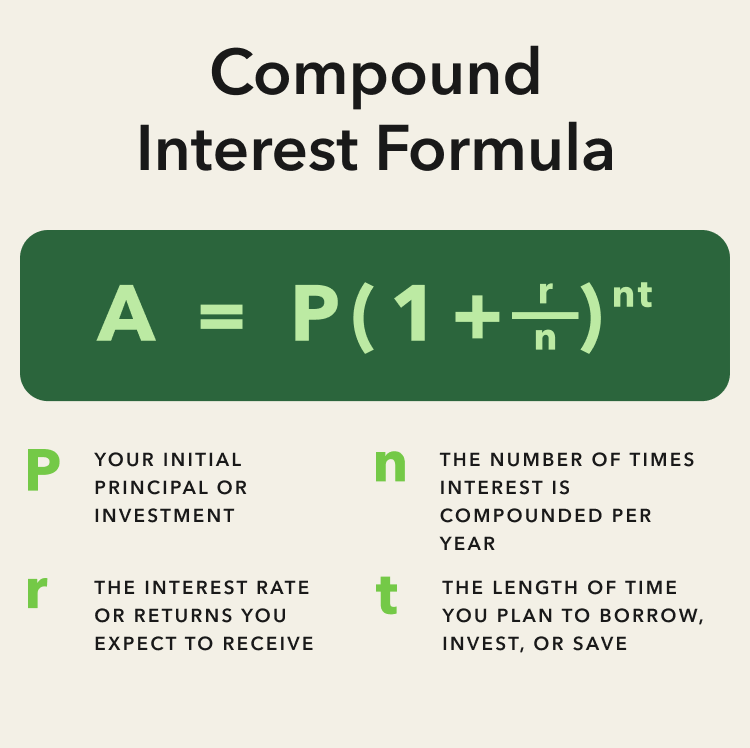
Understanding the Mechanics of Compounding
To effectively compound interest, you must first understand its fundamental components and how they interact. It’s more than just a simple calculation; it’s a dynamic process that transforms your financial landscape over time.
The Basic Definition: Interest on Interest
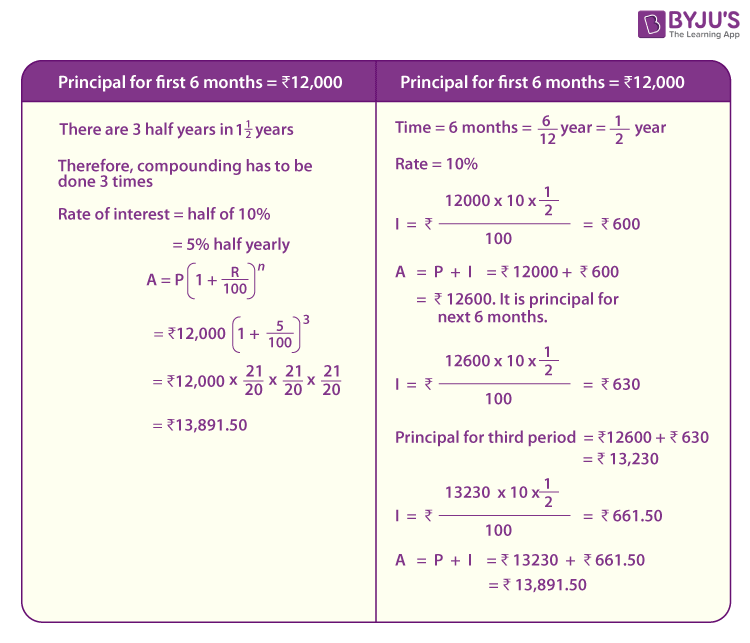
Imagine you invest $1,000 at a 10% annual interest rate.
In the first year, you earn $100 in interest ($1,000 * 0.10). Your total is now $1,100.
In the second year, instead of earning 10% on just your original $1,000, you earn 10% on the new total of $1,100. This means you earn $110 in interest ($1,100 * 0.10). Your total grows to $1,210.
The extra $10 in the second year is the interest earned on the previous year’s interest. This continuous cycle of earning returns on previously earned returns is the essence of compounding. It creates an accelerating growth curve, where your money starts to make more money, faster, over time.
Simple vs. Compound Interest: A Crucial Distinction
The contrast between simple and compound interest highlights the transformative power of the latter.
Simple interest is calculated only on the original principal amount. If you invested $1,000 at 10% simple interest for 10 years, you would earn $100 per year, totaling $1,000 in interest, bringing your final balance to $2,000.
Compound interest, however, calculates interest on both the principal and the accumulated interest. Using the same $1,000 at 10% compounded annually for 10 years, your final balance would be significantly higher – approximately $2,593.74. The difference of nearly $600 underscores why compound interest is the preferred mechanism for long-term wealth building. While simple interest provides linear growth, compound interest delivers exponential growth.
Key Variables Influencing Compounding
The effectiveness of compounding is amplified or diminished by several critical factors:
- Initial Principal: The starting amount of money you invest. A larger principal will naturally lead to larger absolute interest earnings, even if the percentage rate is the same.
- Interest Rate (Rate of Return): The percentage at which your investment grows each period. Higher rates accelerate compounding significantly. Even small differences in rates can lead to substantial differences in outcomes over long periods.
- Time Horizon: The duration over which your money is invested. This is arguably the most crucial variable for compounding. The longer your money has to grow, the more pronounced the compounding effect becomes.
- Compounding Frequency: How often the interest is calculated and added to the principal. Interest can be compounded annually, semi-annually, quarterly, monthly, daily, or even continuously. The more frequent the compounding, the faster your money grows, as interest starts earning interest sooner. For instance, an account compounding monthly will grow slightly faster than one compounding annually, even with the same stated annual interest rate.
The Power of Time: Your Greatest Ally
While interest rates and initial capital are important, time is the ultimate multiplier in the compounding equation. Its impact is so profound that it often overshadows other variables, particularly for individuals starting their financial journey.
Early Start Advantage
The most compelling argument for starting to invest early is the sheer power of time. Due to the exponential nature of compounding, the earlier you begin, the less you need to contribute over your lifetime to reach the same financial goals. A dollar invested today, with decades to grow, is far more powerful than a dollar invested a decade from now.
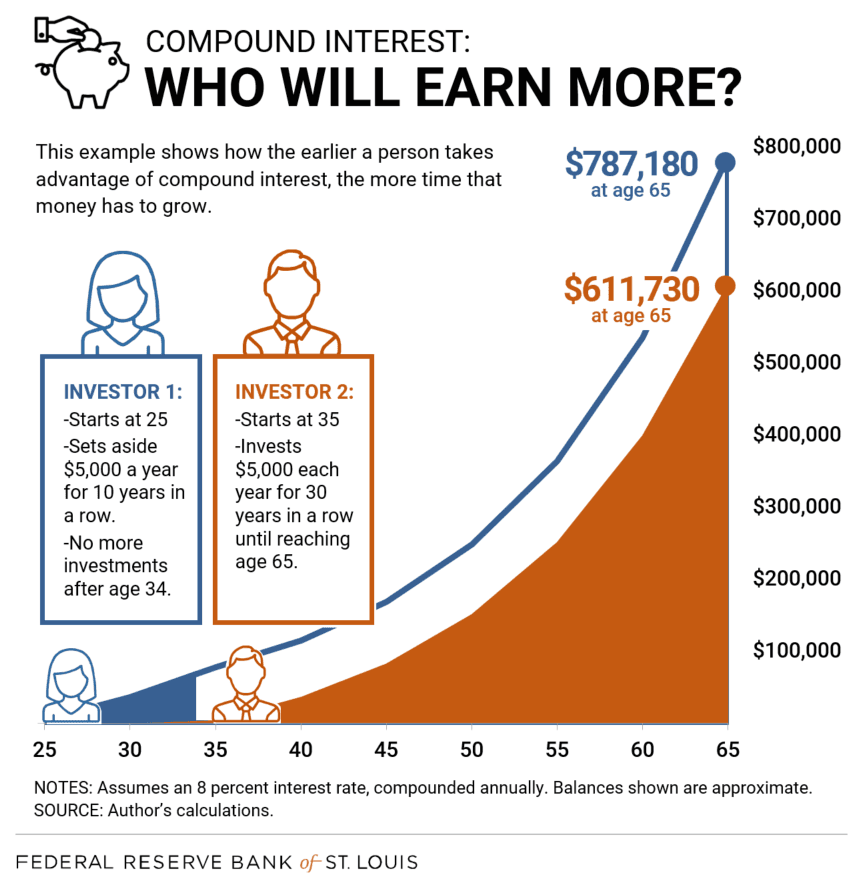
Consider two individuals, Alice and Bob, both investing at an average annual return of 7%:
- Alice starts investing $200 per month at age 25 and stops at age 35 (investing for 10 years, total contribution $24,000).
- Bob starts investing $200 per month at age 35 and continues until age 65 (investing for 30 years, total contribution $72,000).
Despite Bob contributing three times as much money for three times as long, Alice’s investment, due to its earlier start and more time to compound, will likely be worth more at age 65 than Bob’s. This illustrates the incredible head start that early investing provides, allowing compounding to work its magic over a longer duration.
The Exponential Curve
The growth of compound interest isn’t linear; it’s exponential. This means that in the early years, the growth might seem modest. However, as the principal and accumulated interest grow larger, the absolute dollar amount of interest earned each subsequent period increases dramatically. What starts as a gentle slope gradually becomes a steep ascent, with the largest gains occurring in the later years of the investment horizon. Visualizing this as a hockey stick curve helps to understand why patience and a long-term perspective are crucial. The initial small gains lay the groundwork for massive growth down the line.
Avoiding Procrastination: The Opportunity Cost
Delaying investment means forfeiting valuable compounding time, which in turn incurs a significant opportunity cost. Every year you wait to start investing is a year your money isn’t working for you, missing out on that exponential growth. The money you could have earned through compounding is gone forever. This opportunity cost is often far greater than the initial amount you might have saved or invested. Understanding this can be a powerful motivator to begin your investment journey sooner rather than later, even if with small amounts.
Strategies to Maximize Your Compounding Effect
While time is the most crucial element, there are actionable strategies you can employ to amplify the compounding effect and accelerate your wealth accumulation.
Consistent Contributions
Regularly adding new money to your investments is a powerful way to supercharge compounding. This strategy, often referred to as dollar-cost averaging when investing in volatile assets, means you invest a fixed amount at regular intervals (e.g., monthly). This not only increases your principal but also allows you to buy more shares when prices are low and fewer when they are high, averaging out your purchase cost over time. The combination of new contributions and the compounding of existing assets creates a formidable growth engine. Even small, consistent contributions can yield impressive results over decades.
Reinvesting Dividends and Earnings
Many investments, such as stocks, mutual funds, or ETFs, pay dividends or distribute capital gains. Instead of taking these payments as cash, choosing to automatically reinvest them back into the same investment is a highly effective compounding strategy. When you reinvest dividends, you essentially buy more shares or units of the investment. These new shares then begin to earn their own dividends and appreciate in value, creating a powerful feedback loop. This “dividend reinvestment” significantly increases the principal earning interest or capital gains, accelerating the overall compounding rate.
Optimizing Interest Rates and Returns
Seeking out the best possible interest rates or rates of return for your risk tolerance is vital. While high-yield savings accounts offer modest but guaranteed returns, investing in diversified portfolios of stocks, bonds, or real estate generally offers higher potential returns over the long term, albeit with higher risk. Regularly reviewing your investments and ensuring they are aligned with your financial goals and risk profile can help optimize your compounding. However, it’s important to balance the pursuit of higher returns with a realistic understanding of risk; chasing excessively high returns often leads to undue risk-taking.
Minimizing Fees and Taxes
Hidden fees and taxes can silently erode your investment returns, significantly curtailing the power of compounding. High expense ratios in mutual funds, trading commissions, or advisor fees can subtract a percentage from your portfolio annually, directly reducing the amount available to compound. Similarly, taxes on investment gains or interest income (unless held in tax-advantaged accounts) diminish your net returns.
- Fees: Opt for low-cost index funds, ETFs, or commission-free trading platforms. Understand all fees associated with your investments.
- Taxes: Utilize tax-advantaged accounts like 401(k)s, IRAs, HSAs, or 529 plans, where investments can grow tax-deferred or even tax-free. Strategic tax-loss harvesting can also reduce your tax burden. By minimizing these drags, more of your money remains invested, allowing compounding to work more efficiently.
Practical Applications of Compound Interest
Compound interest isn’t just a theoretical concept; it’s a practical tool applicable across various facets of personal finance, profoundly impacting your ability to achieve financial milestones.
Retirement Planning (e.g., 401k, IRA)
Retirement accounts are perhaps the most quintessential example of leveraging compound interest. Vehicles like 401(k)s and IRAs are designed for long-term growth, allowing investments to compound for decades, often with tax benefits. Contributions grow tax-deferred until retirement (Traditional 401k/IRA) or entirely tax-free in retirement (Roth 401k/IRA). The extended time horizon these accounts provide, combined with consistent contributions and potential employer matching (in 401ks), makes them incredibly powerful for building a substantial nest egg. Starting early and maximizing contributions to these accounts is one of the most effective ways to ensure a comfortable retirement.
Debt Management: The Reverse Compounding Effect
While beneficial for savers, compound interest works in reverse and can be a detrimental force when applied to high-interest debt. Credit card debt, personal loans, or even student loans accrue interest on the principal and on the unpaid interest, just like an investment. However, in this scenario, it causes your debt to spiral upwards rapidly. The longer you carry high-interest debt, the more significant the “negative compounding” becomes, making it incredibly difficult to pay off. Prioritizing the elimination of high-interest debt is crucial; every dollar freed from debt payments can then be redirected towards investments, allowing positive compounding to begin.
Educational Savings
Saving for a child’s education using plans like 529 college savings plans also benefits immensely from compound interest. By starting early and contributing regularly, even modest monthly contributions can grow into a substantial sum over 10-18 years. The tax advantages offered by 529 plans (tax-free growth and withdrawals for qualified educational expenses) further enhance the compounding effect, making higher education more attainable without incurring significant debt.
Entrepreneurship and Business Growth
For entrepreneurs, understanding compounding is critical for business sustainability and growth. Reinvesting profits back into the business – whether for expansion, R&D, or marketing – allows those reinvested earnings to generate further profits, creating an internal compounding cycle. A successful business that consistently reinvests its earnings wisely can experience exponential growth, building significant value over time, much like a well-managed investment portfolio.
Common Pitfalls and How to Avoid Them
Even with a clear understanding of compound interest, certain pitfalls can undermine its effectiveness. Awareness and proactive avoidance are key to successful wealth building.
Underestimating Inflation
Inflation, the gradual erosion of purchasing power over time, is the silent killer of returns. While your money may be compounding, if the rate of inflation is higher than your investment return, your real (inflation-adjusted) wealth is actually decreasing. It’s crucial to aim for investment returns that not only outpace inflation but also leave a meaningful real return after taxes and fees. This often means taking on a reasonable amount of investment risk rather than keeping all funds in low-yield, inflation-vulnerable accounts.
Emotional Investing
Panic selling during market downturns or chasing speculative “hot” stocks can severely disrupt the compounding process. Compounding requires consistency and patience. Emotional decisions driven by fear or greed often lead to buying high and selling low, precisely the opposite of what’s needed for long-term growth. Stick to a well-diversified investment strategy, maintain a long-term perspective, and resist the urge to react impulsively to market fluctuations. Time in the market, not timing the market, is the key to successful compounding.
Neglecting Financial Planning
Without a clear financial plan, your investments may lack direction and purpose. A comprehensive plan outlines your goals (retirement, education, down payment), determines your risk tolerance, sets contribution targets, and identifies appropriate investment vehicles. Regularly reviewing and adjusting your plan ensures that your compounding efforts remain aligned with your evolving life circumstances and financial objectives. Haphazard investing rarely leads to optimal compounding.
The Allure of “Get Rich Quick” Schemes
Compound interest is a long-term game. Its power unfolds over years and decades, not overnight. Beware of “get rich quick” schemes or investments promising unrealistic returns with little to no risk. These are almost invariably fraudulent or excessively risky, leading to significant capital loss rather than compounding gains. True compounding is a steady, disciplined journey, rewarding patience and consistent effort over time.
Conclusion
Compound interest is not merely a financial concept; it’s a fundamental principle of wealth creation, a testament to the power of consistent action over time. By understanding its mechanics, recognizing the irreplaceable role of time, and adopting smart strategies, you can harness its incredible power to achieve your financial aspirations. Start early, contribute consistently, optimize your returns, minimize costs, and maintain a long-term perspective. When you do, you unlock a dynamic force that will tirelessly work for you, transforming your financial future and paving the way to true financial independence. Embrace the eighth wonder of the world, and watch your wealth grow, exponentially.
aViewFromTheCave is a participant in the Amazon Services LLC Associates Program, an affiliate advertising program designed to provide a means for sites to earn advertising fees by advertising and linking to Amazon.com. Amazon, the Amazon logo, AmazonSupply, and the AmazonSupply logo are trademarks of Amazon.com, Inc. or its affiliates. As an Amazon Associate we earn affiliate commissions from qualifying purchases.