
Understanding when financial markets open and close is not merely a matter of trivia; it’s a fundamental aspect of successful investing and trading. For the seasoned investor, knowing the exact operational hours of various exchanges, including extended trading sessions, influences strategy, risk management, and the timing of critical decisions. For the aspiring newcomer, this knowledge demystifies the seemingly chaotic yet meticulously structured world of global finance. The phrase “when do the markets close” opens a door to exploring the intricate rhythm of capital, revealing how different time zones, regulations, and technological advancements shape the trading day across continents.
The financial markets are a global, interconnected ecosystem, running almost continuously as one region’s trading day ends and another’s begins. From the bustling floors of New York to the digital exchanges of Tokyo, understanding these cycles is paramount. It dictates when you can buy or sell securities, when news announcements will have their most immediate impact, and when liquidity is at its peak or trough. This guide delves into the specifics of market closing times, extended trading, holiday schedules, and the strategic implications for every participant in the financial arena.
The Core Market Hours: A Global Perspective
The concept of “market close” primarily refers to the cessation of regular trading hours on a given exchange. While the specific times vary widely by region, understanding the general patterns of major global markets provides a crucial framework for any investor.
Major Stock Exchanges in the US: NYSE and NASDAQ
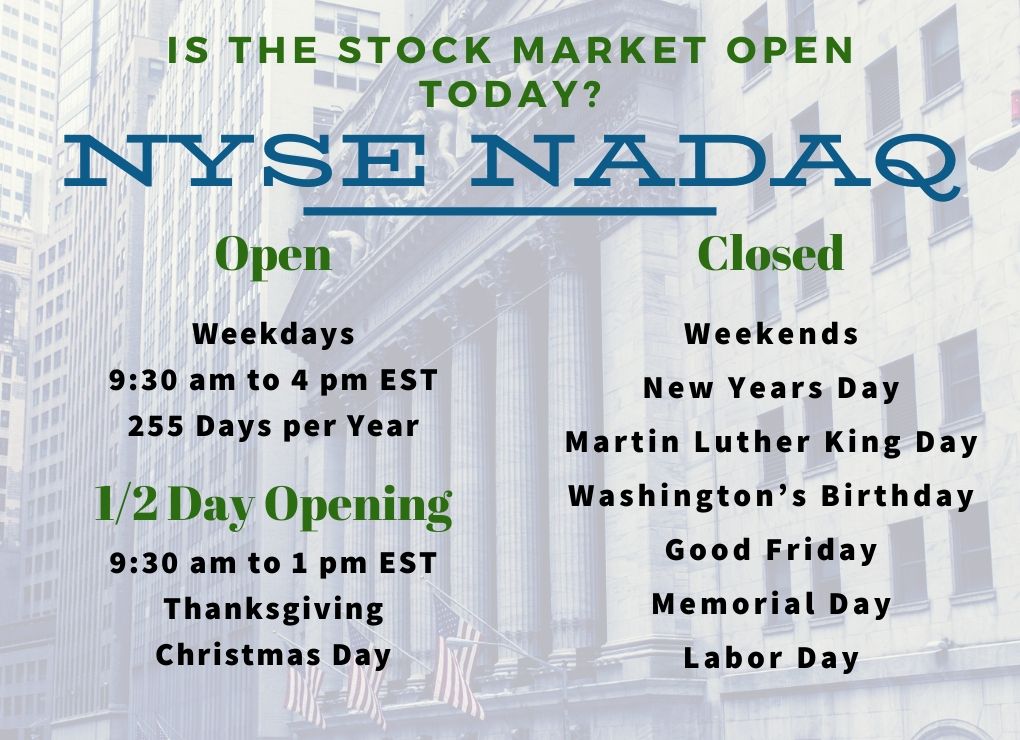
In the United States, the two most prominent stock exchanges, the New York Stock Exchange (NYSE) and the NASDAQ, operate on a synchronized schedule that forms the backbone of the American trading day.
- Standard Trading Hours: Both the NYSE and NASDAQ open at 9:30 AM Eastern Time (ET) and close at 4:00 PM ET on weekdays. This seven-and-a-half-hour window is considered the “regular trading session” where the vast majority of transactions occur and where liquidity is highest. Prices quoted during this period are typically those referenced as the official daily opening, high, low, and closing prices.
- Pre-Market and After-Hours Trading: Beyond these standard hours, a significant volume of trading takes place in what are known as “extended hours.” Pre-market trading typically begins as early as 4:00 AM ET and runs until the market open at 9:30 AM ET. After-hours trading commences immediately after the 4:00 PM ET close and can extend as late as 8:00 PM ET. These extended sessions allow investors to react to news, earnings reports, or macroeconomic data released outside regular hours. However, they are characterized by lower liquidity and higher volatility, posing both opportunities and increased risks.
Key European Markets: London, Frankfurt, Paris
Europe hosts several of the world’s oldest and most influential stock exchanges, whose operational hours bridge the gap between Asian and American trading sessions.
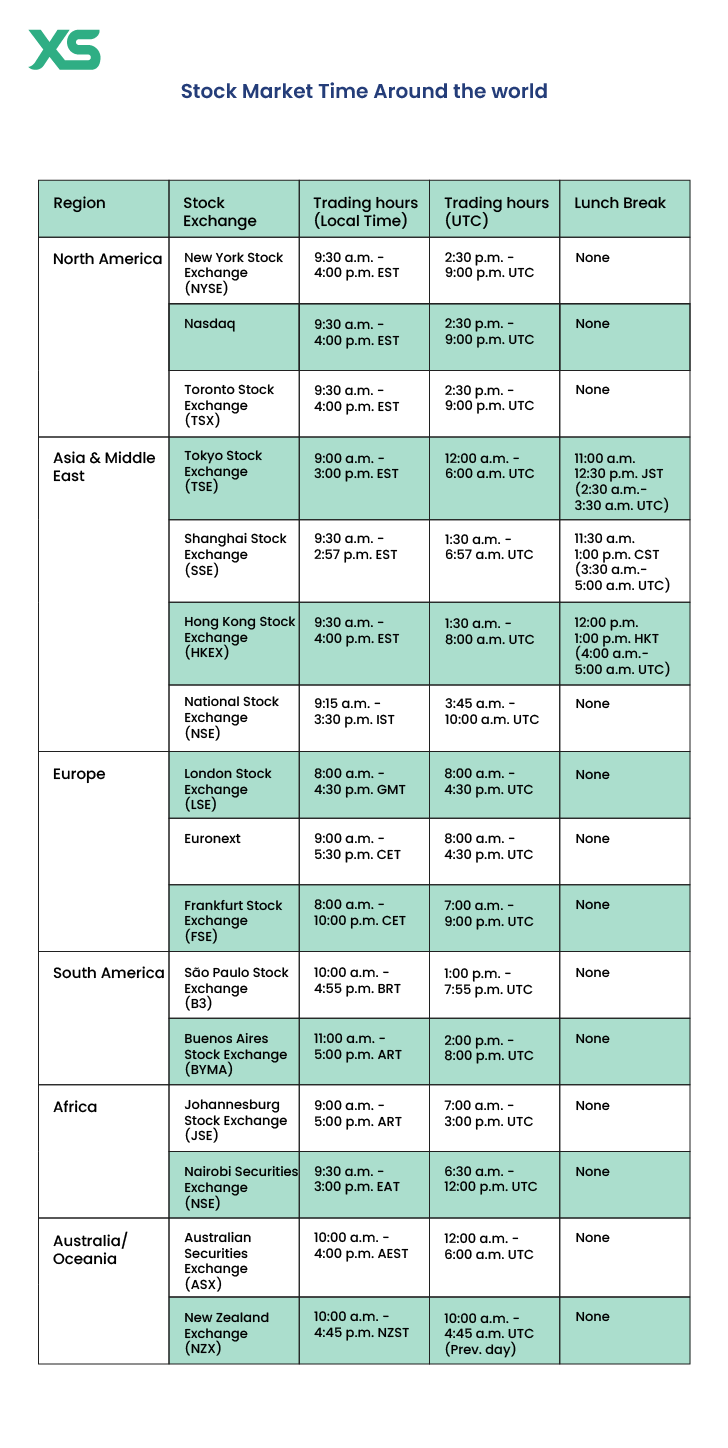
- London Stock Exchange (LSE): A global financial hub, the LSE operates from 8:00 AM to 4:30 PM Greenwich Mean Time (GMT). Its opening often sets the tone for European trading, and its later hours overlap significantly with the early hours of the US market, creating a period of heightened activity and liquidity.
- Euronext (Paris, Amsterdam, Brussels, Lisbon, Dublin): As a pan-European exchange, Euronext typically runs from 9:00 AM to 5:30 PM Central European Time (CET). These exchanges are crucial for understanding European economic sentiment and provide a diverse range of listed companies.
- Frankfurt Stock Exchange (Deutsche Börse): Germany’s primary exchange, located in Frankfurt, operates from 9:00 AM to 5:30 PM CET. The Xetra electronic trading system, used by Deutsche Börse, extends these hours for certain instruments.
The overlap between European and US trading hours is particularly noteworthy. From roughly 9:30 AM ET (2:30 PM GMT / 3:30 PM CET) to 4:00 PM ET (9:00 PM GMT / 10:00 PM CET), both continents are actively trading, leading to increased volume and often more pronounced price movements in globally traded assets.
Asian Powerhouses: Tokyo, Shanghai, Hong Kong
Asia kicks off the global trading day, setting the initial momentum and reacting to overnight news from the Americas and Europe.
- Tokyo Stock Exchange (TSE): Japan’s largest exchange typically operates in two sessions: 9:00 AM to 11:30 AM Japan Standard Time (JST) and then from 12:30 PM to 3:00 PM JST. The one-hour lunch break is a common feature in many Asian markets.
- Shanghai Stock Exchange (SSE) and Shenzhen Stock Exchange (SZSE): Mainland China’s exchanges also follow a split-session schedule: 9:30 AM to 11:30 AM CST (China Standard Time) and 1:00 PM to 3:00 PM CST. Access for foreign investors is generally more restricted compared to other major markets.
- Hong Kong Stock Exchange (HKEX): A critical gateway to China and Asia, HKEX operates from 9:30 AM to 12:00 PM HKT (Hong Kong Time) and 1:00 PM to 4:00 PM HKT.
These Asian markets are crucial for understanding sentiment regarding global growth, supply chains, and technology. Their closings often anticipate the opening of European markets, creating a continuous flow of information and price discovery that rarely stops, except for weekends and holidays.
Other Significant Markets
Beyond these major players, numerous other exchanges around the globe contribute to the continuous 24-hour trading cycle. These include the Australian Securities Exchange (ASX), Toronto Stock Exchange (TSX), Bombay Stock Exchange (BSE), and São Paulo’s B3, each with their own unique operating hours that further integrate the global financial network.
Beyond Standard Hours: Understanding Extended Trading
While the regular trading session captures most of the public’s attention, a significant and increasingly common part of market activity occurs outside these hours. Extended trading provides flexibility but also introduces different market dynamics.
Pre-Market Trading: Setting the Tone
Pre-market trading refers to the period before the official market open. For US markets, this can begin as early as 4:00 AM ET and run until 9:30 AM ET.
- Definition and Purpose: Its primary purpose is to allow market participants to react to news released overnight or early in the morning before the regular session begins. This often includes corporate earnings reports, economic data, or geopolitical developments that could significantly influence stock prices.
- Participants: Institutional investors, hedge funds, and sophisticated individual traders often participate, using Electronic Communication Networks (ECNs) to match buy and sell orders.
- Pros and Cons: The advantage is the ability to act quickly on new information. However, pre-market sessions typically have much lower trading volumes and liquidity compared to regular hours. This can lead to wider bid-ask spreads, making it more expensive to execute trades, and increased price volatility, as fewer orders are required to move a stock’s price significantly.
After-Hours Trading: Post-Close Adjustments
After-hours trading occurs after the official market close, extending for several hours. In the US, this typically runs from 4:00 PM ET until 8:00 PM ET.
- Definition and Purpose: Similar to pre-market, after-hours trading facilitates reactions to news, earnings announcements, or analyst upgrades/downgrades that are often strategically released after the market closes to allow for processing and prevent immediate, knee-jerk reactions during peak liquidity.
- Access: Many online brokerages offer access to after-hours trading, enabling individual investors to participate.
- Risks Associated with Extended Hours Trading: The risks are largely similar to pre-market trading: lower liquidity, wider spreads, and heightened volatility. This means that a large order might struggle to find a counterparty, or a small order could have an outsized impact on the stock price, leading to less efficient pricing. Investors must exercise caution and typically use limit orders to control their execution price during these periods.
Electronic Communication Networks (ECNs)
The existence and proliferation of extended-hours trading are largely due to Electronic Communication Networks (ECNs). These are automated trading systems that directly match buy and sell orders, bypassing traditional exchanges. ECNs allow investors to trade directly with each other, even when major exchanges are closed. They provide the infrastructure for continuous trading across different time zones and outside standard market hours, increasing efficiency and access but also contributing to the unique dynamics of extended sessions.
Market Closures and Holidays: What to Expect
Beyond the daily close, there are specific days when markets remain entirely shut or operate on a reduced schedule. These closures are critical for planning and risk management, as they can impact liquidity and the timing of financial decisions.
Public Holidays and Exchange Closures
Financial markets, like most businesses, observe a range of national and international holidays. During these times, exchanges are completely closed, and no trading occurs.
- Examples in the US: Common US market holidays include New Year’s Day, Martin Luther King, Jr. Day, Washington’s Birthday (Presidents’ Day), Good Friday, Memorial Day, Juneteenth National Independence Day, Independence Day, Labor Day, Thanksgiving Day, and Christmas Day. If a holiday falls on a weekend, the market typically observes it on the preceding Friday or following Monday.
- International Variations: Each country has its own set of holidays. For example, the Lunar New Year significantly impacts Asian markets, while Boxing Day is observed in the UK and other Commonwealth nations. It’s crucial for global investors to be aware of the holiday schedules of all relevant exchanges.
- Impact on Trading Volume and Liquidity: The days immediately preceding and following a market holiday often see reduced trading volumes and potentially increased volatility due as some participants adjust positions or take time off. This can lead to less predictable price movements and wider spreads.
Early Closures and Half-Days
In addition to full-day closures, some exchanges operate on a reduced schedule, known as early closures or half-days.
- Specific Days: In the US, for instance, markets often close early (e.g., at 1:00 PM ET) on the day before Independence Day (if it falls on a weekday) and the day after Thanksgiving (Black Friday). These abbreviated sessions usually occur around major holidays.
- Strategic Implications for Traders: For active traders, knowing about these half-days is vital for managing positions and expectations. The compressed trading window can sometimes lead to heightened activity in the early hours, followed by a sharp drop-off in volume. It also means less time for news to be absorbed during market hours, potentially pushing reactions into the next full trading day or extended sessions.
Unexpected Closures (Rare but Possible)
While uncommon, markets can experience unexpected closures due to unforeseen circumstances.
- Causes: These can include severe weather events (e.g., blizzards impacting physical trading operations, though less relevant for electronic exchanges), major technical glitches affecting trading systems, or national emergencies (e.g., the post-9/11 closure of the NYSE).
- Preparation: While impossible to predict, market participants should be aware that such events can occur and have contingency plans for managing portfolios during periods of market unavailability. News outlets and official exchange announcements are the primary sources for information during such rare occurrences.
The Strategic Implications of Market Timing
Understanding when markets close extends far beyond simply knowing when you can place a trade. It deeply influences trading strategies, risk assessment, and how investors interpret market movements.
Volatility and Liquidity Patterns
Market closing times are intrinsically linked to patterns of volatility and liquidity.
- Opening and Closing Bells: The first and last hours of the trading day are often the most volatile and liquid. The “opening bell” sees a surge of activity as participants react to overnight news, economic data, and pre-market price action, leading to significant price discovery. Similarly, the “closing bell” often brings another surge of activity as traders close out positions, institutions rebalance portfolios, and options or futures contracts expire. This final hour is sometimes referred to as the “Power Hour.”
- Mid-Day Lull: In contrast, the middle hours of the trading day can often be calmer, with lower volumes and less dramatic price swings, especially if no major news breaks.
- Extended Hours: As discussed, extended hours typically feature lower liquidity and higher volatility, demanding different trading approaches and risk management.
News Events and Earnings Releases
The timing of market closures heavily influences when companies and governments choose to release critical information.
- Strategic Release Times: Corporate earnings reports, major economic data (like inflation or unemployment figures), and significant policy announcements are frequently released either before market open or after market close. This strategy aims to give market participants time to digest the information without immediate, chaotic trading during peak hours.
- Impact on Extended Hours: Consequently, pre-market and after-hours sessions become crucial for reacting to these releases. A surprisingly good or bad earnings report can lead to dramatic price movements in extended trading, which then carry over into the next regular session. Monitoring news feeds diligently, particularly outside standard hours, is therefore essential.
International Trading Strategies
The staggered opening and closing of global markets create unique opportunities for international trading strategies, especially in the 24-hour foreign exchange (forex) market.
- Leveraging Time Zones: Forex markets operate continuously from Sunday evening ET to Friday afternoon ET, following the sun across Sydney, Tokyo, London, and New York. Traders can leverage these overlapping sessions to benefit from higher liquidity or to react to news influencing specific currency pairs as different markets become active.
- The “Domino Effect”: The closing of one major market and the opening of another can create a “domino effect,” where trends or sentiments from one region influence the next. For example, a strong close in Asian markets might set a positive tone for European openings, and similarly, European performance can influence US pre-market activity.
Risk Management and Awareness
Understanding market hours is a cornerstone of effective risk management.
- Illiquidity Risk: Trading during low-liquidity periods (e.g., extended hours, around holidays) increases the risk of not being able to execute trades at desired prices, or even at all. This can lead to significant slippage.
- Volatility Risk: The increased volatility outside regular hours means prices can move rapidly and dramatically, potentially leading to larger losses if positions are not properly managed.
- Order Types: Using appropriate order types becomes even more critical. Limit orders, which specify the maximum or minimum price at which you are willing to buy or sell, are generally preferred over market orders during extended hours to protect against unfavorable price execution due to low liquidity.
- Information Asymmetry: During extended hours, institutional traders and those with specialized information access might have an advantage, making it a more challenging environment for retail investors.

Conclusion: The Clockwork of Global Finance
The simple question, “When do the markets close?” unravels a complex yet fascinating tapestry of global financial operations. From the distinct schedules of major stock exchanges across continents to the nuances of extended trading sessions and the impact of public holidays, market closing times are far more than mere timestamps. They are critical elements that shape trading strategies, influence price discovery, dictate risk parameters, and underscore the profound interconnectedness of the world’s economies.
For any participant in the financial markets, whether a day trader, long-term investor, or business finance professional, a thorough understanding of these dynamics is non-negotiable. It enables informed decision-making, better risk management, and the ability to capitalize on opportunities presented by the ever-ticking clock of global finance. As technology continues to blur the lines between trading hours and markets, the need for continuous learning and adaptability in this dynamic environment remains paramount, ensuring that investors can effectively navigate the ceaseless rhythm of capital.
aViewFromTheCave is a participant in the Amazon Services LLC Associates Program, an affiliate advertising program designed to provide a means for sites to earn advertising fees by advertising and linking to Amazon.com. Amazon, the Amazon logo, AmazonSupply, and the AmazonSupply logo are trademarks of Amazon.com, Inc. or its affiliates. As an Amazon Associate we earn affiliate commissions from qualifying purchases.