
The stock exchange, often perceived as a labyrinthine world reserved for financial gurus and corporate titans, is in reality an accessible marketplace for anyone willing to learn its rules and embrace its opportunities. Far from being an exclusive club, it represents a dynamic ecosystem where individuals can actively participate in the growth of companies, build wealth, and achieve their financial aspirations. However, “getting into” the stock exchange isn’t about gaining physical entry to a trading floor; it’s about understanding its mechanisms, preparing yourself financially and intellectually, and strategically engaging with the vast array of investment instruments it offers.
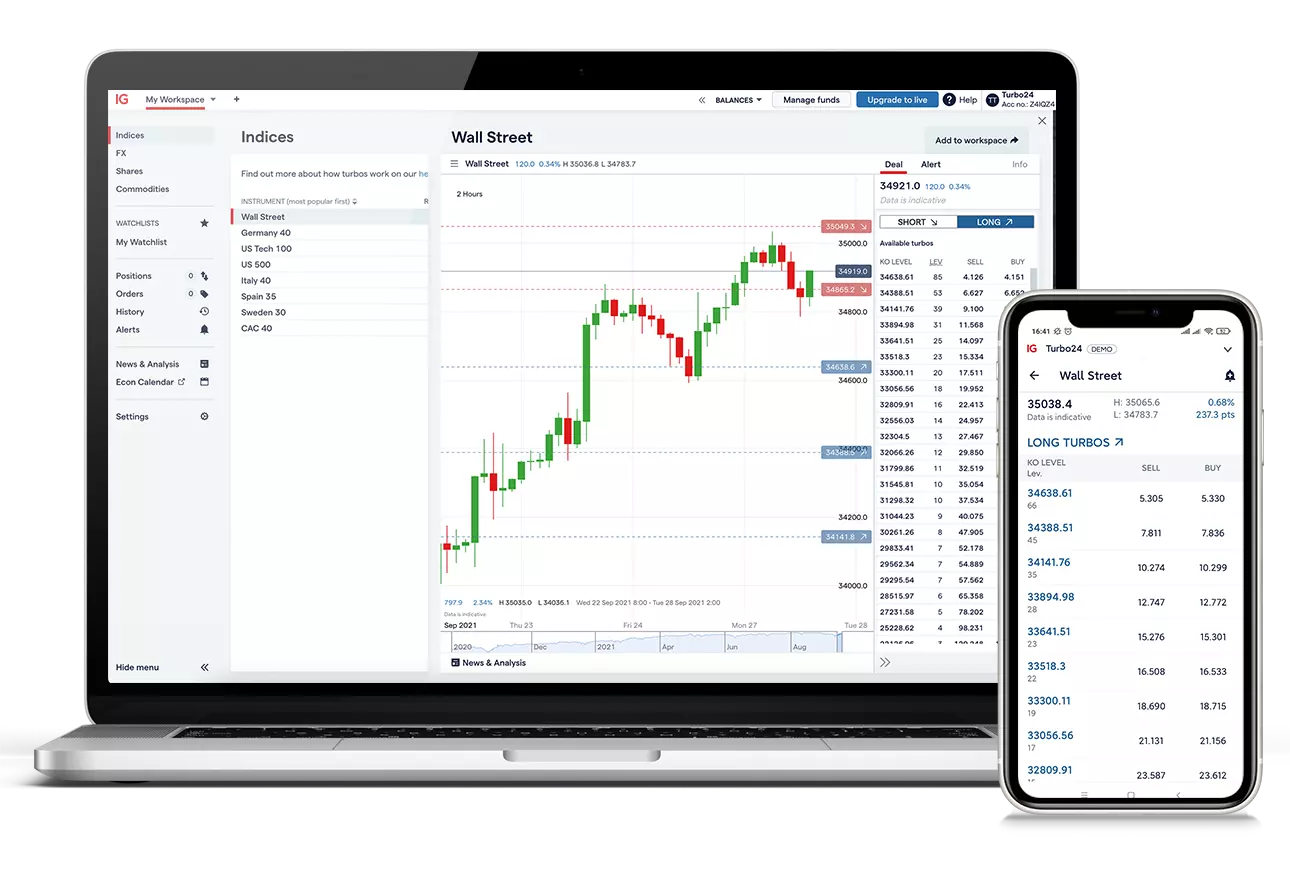
This article serves as your comprehensive guide to demystifying the stock exchange, outlining the fundamental knowledge, practical steps, and strategic approaches necessary to embark on your investment journey. We’ll navigate the essential concepts, reveal how to prepare for intelligent investing, walk through the actual trading process, and arm you with strategies for long-term success and effective risk management. Whether you’re a complete novice or have some basic understanding, this guide will illuminate the path to confidently participating in the global financial markets.
Understanding the Stock Exchange Landscape
Before you even consider placing your first trade, it’s crucial to grasp the foundational elements of the stock exchange. This understanding will build a robust framework for your future investment decisions.
What is the Stock Exchange?
At its core, a stock exchange is a centralized marketplace where financial instruments, primarily stocks, are bought and sold. It facilitates the trading of securities between buyers and sellers, providing a regulated and transparent environment. There are two main segments: the primary market, where companies issue new shares to the public for the first time (Initial Public Offerings – IPOs) to raise capital; and the secondary market, where investors trade existing shares among themselves. The primary function of an exchange is to provide liquidity for investors and a mechanism for companies to raise capital for expansion and operations. Key players include the companies listing their shares, investors (both institutional and individual), and brokerage firms that execute trades. Examples include the New York Stock Exchange (NYSE), NASDAQ, London Stock Exchange (LSE), and countless others globally.
Types of Securities Traded
While “stock exchange” often implies just stocks, a variety of financial instruments are traded:
- Stocks (Equities): Represent ownership shares in a company. When you buy a stock, you become a part-owner. They offer potential for capital appreciation (price increase) and dividends (share of company profits). Common stocks carry voting rights; preferred stocks often do not but may offer fixed dividend payments.
- Bonds (Debt Securities): Essentially loans made by investors to companies or governments. In return for the loan, the bond issuer promises to pay interest over a specified period and return the principal amount at maturity. Bonds are generally considered less risky than stocks but offer lower returns.
- Exchange-Traded Funds (ETFs): Investment funds traded on stock exchanges, much like individual stocks. An ETF holds assets such as stocks, commodities, or bonds, and trades close to its net asset value over the course of the trading day. They offer diversification and lower costs compared to many mutual funds.
- Options and Futures (Derivatives): More complex instruments that derive their value from an underlying asset (like a stock or commodity). Options give the holder the right, but not the obligation, to buy or sell an asset at a specific price. Futures are obligatory agreements to buy or sell an asset at a predetermined price and date. These are generally for experienced investors due to their higher risk and complexity.
Key Market Terminologies
Navigating the stock market requires familiarity with its unique lexicon. Here are a few essential terms:
- Bid/Ask: The “bid” is the highest price a buyer is willing to pay; the “ask” is the lowest price a seller is willing to accept. The difference is the “spread.”
- Volatility: The degree of variation of a trading price series over time. High volatility means prices fluctuate significantly.
- Liquidity: The ease with which an asset can be converted into cash without affecting its market price. Highly liquid stocks can be bought or sold quickly.
- Market Capitalization (Market Cap): The total value of a company’s outstanding shares, calculated by multiplying the current share price by the number of shares outstanding.
- Dividends: A portion of a company’s earnings paid out to its shareholders.
- P/E Ratio (Price-to-Earnings Ratio): A valuation measure comparing a company’s current share price to its per-share earnings. It helps assess if a stock is overvalued or undervalued relative to its earnings.
Preparing for Your Investment Journey
Successfully entering the stock exchange is not a spontaneous act but a journey that requires careful preparation and a disciplined approach. Laying the groundwork properly will significantly enhance your chances of long-term success.
Financial Readiness: Before You Invest
Before dedicating any capital to the stock market, ensure your personal finances are in order. This involves several critical steps:
- Establish an Emergency Fund: This is paramount. You should have at least 3-6 months’ worth of living expenses saved in an easily accessible, liquid account (like a high-yield savings account). This fund acts as a buffer against unforeseen circumstances, preventing you from having to sell investments at an inopportune time.
- Manage High-Interest Debt: Prioritize paying off high-interest debts such as credit card balances or personal loans. The guaranteed return from eliminating these debts (equal to their interest rate) often far outweighs potential stock market returns and significantly reduces financial stress.
- Define Your Financial Goals: Clearly articulate what you want your investments to achieve. Are you saving for retirement, a down payment on a house, your child’s education, or simply long-term wealth accumulation? Specific goals will influence your investment horizon, risk tolerance, and portfolio allocation.
- Assess Your Risk Tolerance: Understand your psychological comfort level with potential losses. Can you stomach significant market downturns without panicking and selling? A realistic assessment prevents emotional decisions that can derail your financial plan. Many online questionnaires can help you gauge this.
Education is Your Best Asset
The stock market is complex, and continuous learning is non-negotiable. Empower yourself with knowledge:
- Books and Online Courses: Read reputable books on investing (e.g., Benjamin Graham’s “The Intelligent Investor,” Burton Malkiel’s “A Random Walk Down Wall Street”) and consider online courses from recognized financial institutions or educators.
- Reputable Financial News and Analysis: Follow trusted financial news sources (e.g., The Wall Street Journal, Bloomberg, Financial Times, reputable financial blogs). Learn to distinguish between news, opinion, and analysis.
- Understand Fundamental vs. Technical Analysis:
- Fundamental Analysis involves evaluating a company’s financial statements, management, industry, and economic health to determine its intrinsic value. It’s about understanding what you’re investing in.
- Technical Analysis focuses on studying past market data, primarily price and volume charts, to identify patterns and predict future price movements. It’s about understanding when to buy or sell. While beginners often start with fundamental analysis for long-term investing, awareness of both is beneficial.
- Stay Informed: Keep an eye on global economic trends, interest rate changes, geopolitical events, and technological advancements, as these can all impact market performance.
Choosing the Right Investment Account
To directly participate in the stock exchange, you’ll need an investment account:
- Brokerage Account: This is the most common type for individual investors. It allows you to buy and sell a wide range of securities. You can open one with an online broker.
- Retirement Accounts (IRA, 401(k)): These are tax-advantaged accounts designed specifically for retirement savings. While they often hold investments similar to a brokerage account, they come with specific contribution limits and withdrawal rules. If your employer offers a 401(k), especially with a matching contribution, maximize it first.
- Robo-Advisors: These are automated, algorithm-driven financial advisors that manage your portfolio based on your risk tolerance and goals. They are often low-cost and good for beginners seeking a hands-off approach.
- Traditional Brokerage vs. Full-Service Financial Advisors: Traditional online brokers offer self-directed trading with various tools and research. Full-service financial advisors provide personalized advice, portfolio management, and comprehensive financial planning, often at a higher cost. For a beginner “getting into” the stock exchange, a self-directed online brokerage account or a robo-advisor is usually the starting point.
Navigating the Trading Process
With your finances in order and foundational knowledge acquired, the next step is to put your plan into action by selecting a brokerage and executing your first trades.
Selecting a Brokerage Firm
Your choice of brokerage firm is critical, as it will be your primary interface with the stock market. Consider these factors:
- Fees and Commissions: Look for firms with competitive or zero-commission trading for stocks and ETFs. Be aware of other potential fees, such as account maintenance fees, transfer fees, or inactivity fees.
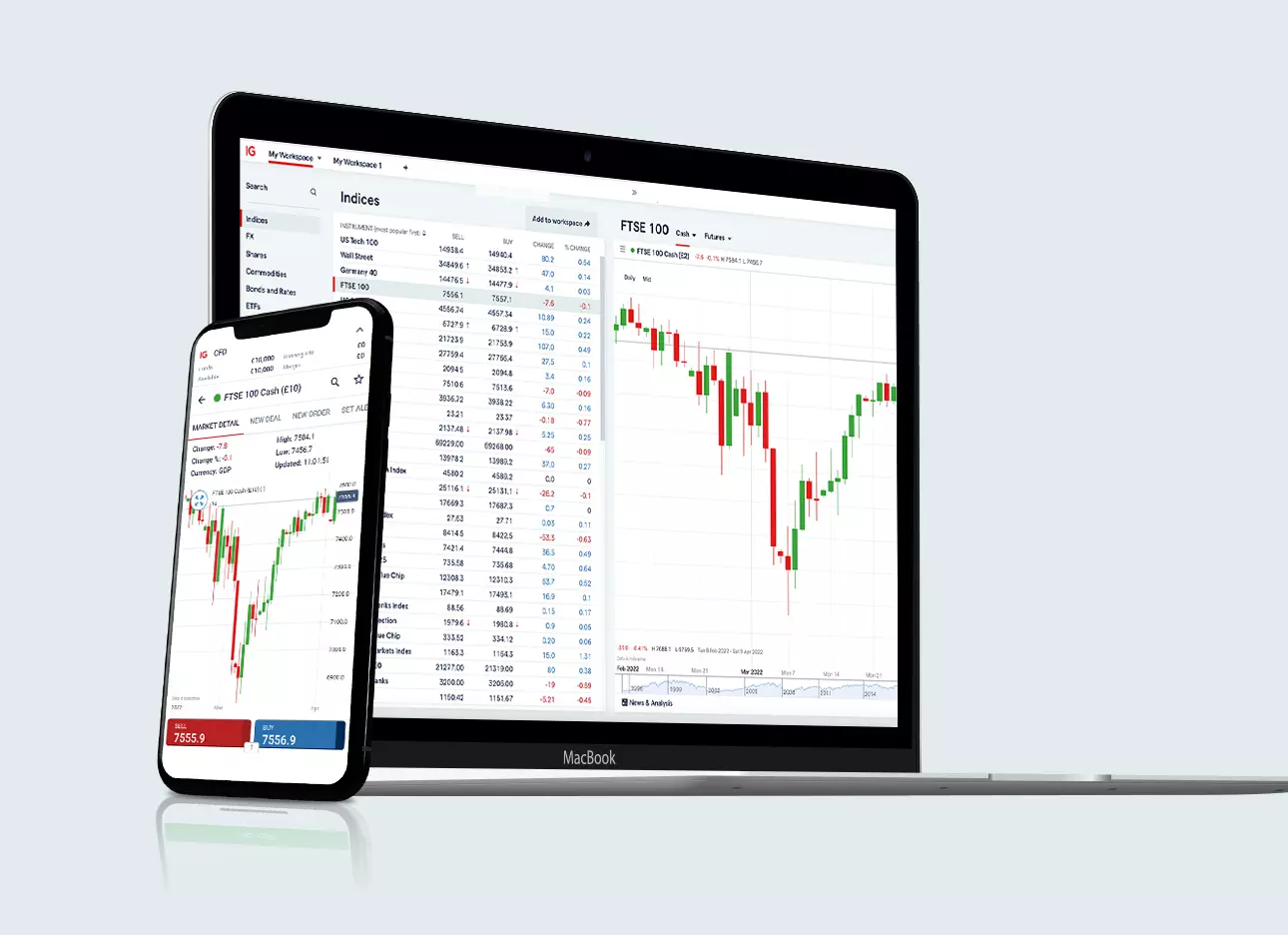
- Platform Features and User Interface: Does the platform offer an intuitive interface, robust charting tools, real-time data, and mobile app access? Evaluate if the features align with your skill level and trading style.
- Research and Educational Tools: Many brokers provide extensive research reports, stock screeners, educational articles, and webinars. These can be invaluable, especially for new investors.
- Customer Service: Good customer support is essential, whether via phone, chat, or email, to assist with account issues or technical difficulties.
- Regulatory Compliance: Ensure the broker is regulated by relevant authorities (e.g., SEC and FINRA in the U.S.) and offers Securities Investor Protection Corporation (SIPC) insurance, which protects up to $500,000 of securities and cash in your account in case the brokerage fails.
- Reputable Online Brokers: Well-known options include Fidelity, Charles Schwab, Vanguard, E*TRADE, Interactive Brokers, and TD Ameritrade (now Schwab). Research and compare several before making a decision.
Funding Your Account and Placing Your First Trade
Once you’ve chosen a broker and opened your account, the practical steps begin:
- Account Setup and Verification: This typically involves providing personal information, identification documents, and linking your bank account.
- Deposit Methods: Fund your account via electronic bank transfers (ACH), wire transfers, or by mailing a check. Start with an amount you’re comfortable investing and potentially losing, keeping your risk tolerance in mind.
- Understanding Order Types:
- Market Order: An order to buy or sell immediately at the best available current price. While quick, the execution price might differ slightly from what you saw moments before, especially in volatile markets.
- Limit Order: An order to buy or sell a security at a specific price or better. You set a maximum price you’re willing to pay (for buying) or a minimum price you’re willing to accept (for selling). This gives you more control over the execution price.
- Stop-Loss Order: An order to sell a security if its price falls to a certain level, used to limit potential losses. It converts to a market order once the stop price is hit.
- Placing Your First Trade: Start small and with investments you understand. Many beginners opt for diversified ETFs or mutual funds before diving into individual stocks. This helps you get comfortable with the platform and the mechanics of trading without taking on excessive risk.
Building a Diversified Portfolio
Diversification is the bedrock of intelligent investing and a crucial risk management strategy:
- Asset Allocation: Spread your investments across different asset classes, such as stocks, bonds, and cash. Your allocation should align with your risk tolerance and investment horizon. Younger investors with a longer time horizon often have a higher percentage of stocks, while those closer to retirement may lean more towards bonds.
- Sector Diversification: Within stocks, don’t put all your eggs in one basket (e.g., only tech stocks). Diversify across different industries like healthcare, consumer staples, financials, energy, and industrials. This mitigates the impact if one sector underperforms.
- Geographic Diversification: Consider investing in international markets in addition to your domestic market. This broadens your exposure to global economic growth and reduces country-specific risks.
- Importance of Rebalancing: Over time, your portfolio’s asset allocation can drift from your target due to differing returns. Periodically rebalance (e.g., annually) by selling assets that have grown significantly and buying those that have lagged to bring your portfolio back to your desired allocation.
Strategies for Success and Risk Management
Entering the stock exchange is just the beginning. Sustained success requires adherence to fundamental investment principles and a proactive approach to managing risks.
Fundamental Investment Principles
Successful investors often follow timeless principles that emphasize discipline and a long-term perspective:
- Long-Term Perspective: Avoid the temptation of trying to “get rich quick.” Successful investing is generally a marathon, not a sprint. Focus on long-term growth by investing in quality assets and allowing compounding to work its magic. Short-term market fluctuations are normal and often best ignored.
- Compounding Returns: This is the snowball effect in investing. When your investments generate returns, and those returns themselves earn returns, your wealth can grow exponentially over time. The earlier you start, the more powerful compounding becomes.
- “Buy Low, Sell High”: While an oversimplified adage, the underlying principle is to seek out undervalued assets and avoid overvalued ones. This requires research and patience. Value investing focuses on buying stocks that trade below their intrinsic value, while growth investing focuses on companies with high growth potential, even if their current valuation is high.
- Dollar-Cost Averaging (DCA): This strategy involves investing a fixed amount of money at regular intervals, regardless of the stock price. When prices are high, you buy fewer shares; when prices are low, you buy more. This strategy averages out your purchase price over time, reduces risk from market timing, and promotes disciplined investing.
Managing Investment Risks
Investing inherently involves risk, but intelligent risk management can protect your capital and preserve your financial well-being:
- Understand Different Types of Risk: Be aware of market risk (overall market decline), interest rate risk (impact on bond values), inflation risk (eroding purchasing power), and company-specific risk (factors affecting an individual company). Diversification is your primary tool against many of these.
- Utilize Stop-Loss Orders (with caution): As mentioned, stop-loss orders can limit potential losses on a security by automatically selling it if it drops to a predetermined price. However, they can sometimes be triggered by temporary market volatility, leading to a sale at an unfavorable time. Use them judiciously.
- Never Invest More Than You Can Afford to Lose: This golden rule underpins all sound financial planning. Your investment capital should be separate from your emergency fund and money needed for immediate expenses.
- Avoid Emotional Decisions: Fear and greed are the biggest enemies of rational investing. Panic selling during downturns or chasing hot stocks during bull markets often leads to poor outcomes. Stick to your investment plan, based on your goals and risk tolerance, and avoid letting emotions dictate your actions.
- Research Thoroughly: Don’t invest in what you don’t understand. Always do your due diligence on companies, funds, or any other assets before committing your capital.
Continuous Monitoring and Adjustment
The investment landscape is dynamic, and your financial situation will evolve. Your investment strategy should be flexible:
- Regularly Review Your Portfolio: Periodically (e.g., quarterly or annually) review your investments to ensure they still align with your goals, risk tolerance, and market conditions. This is where rebalancing comes into play.
- Stay Updated on Your Investments and the Market: Keep abreast of the performance of the companies you own, industry trends, and broader economic news that could impact your portfolio.
- Be Prepared to Adjust Your Strategy: Your life circumstances will change—marriage, children, career changes, retirement. Your investment strategy should adapt accordingly. Your risk tolerance might decrease as you approach retirement, for instance.
- Understand Tax Implications: Be aware of how capital gains taxes, dividend taxes, and different account types (e.g., Roth vs. Traditional IRA) affect your net returns. Tax-efficient investing can significantly boost your long-term wealth.
Conclusion
“Getting into the stock exchange” is a journey that begins with education and preparation, proceeds through thoughtful execution, and continues with diligent management and continuous learning. It’s not about complex algorithms or insider knowledge, but rather about understanding fundamental principles, exercising discipline, and maintaining a long-term perspective.
By comprehending the market landscape, preparing your finances, choosing the right tools, and applying sound investment strategies, you can confidently navigate the world of stocks and bonds. Remember, patience, consistency, and a commitment to lifelong learning are your greatest allies. The stock exchange offers a powerful avenue for wealth creation and financial independence; with the right approach, you can harness its potential to achieve your financial dreams.
aViewFromTheCave is a participant in the Amazon Services LLC Associates Program, an affiliate advertising program designed to provide a means for sites to earn advertising fees by advertising and linking to Amazon.com. Amazon, the Amazon logo, AmazonSupply, and the AmazonSupply logo are trademarks of Amazon.com, Inc. or its affiliates. As an Amazon Associate we earn affiliate commissions from qualifying purchases.