
What Time Does the Stock Exchange Open?
The rhythm of the global financial markets is intrinsically linked to time. For investors, traders, and anyone interested in the pulse of the economy, understanding “what time does the stock exchange open” is far more than a simple query – it’s a gateway to comprehending market dynamics, seizing opportunities, and managing risk. While the immediate answer might seem straightforward for a local exchange, the reality is a complex tapestry woven from diverse time zones, pre-market and after-hours sessions, global interconnections, and the very human element of anticipation that culminates in the iconic opening bell. This article delves into the crucial importance of stock market operating hours, exploring not just the standard trading day but also the extended sessions and the profound impact these timings have on financial decision-making and market behavior across the globe.
Understanding Stock Market Operating Hours
The concept of a “trading day” on a stock exchange is fundamental to market operations, but it’s essential to recognize that this isn’t a monolithic block of time. While a core session defines the bulk of activity, the true window for price discovery and trading extends far beyond these conventional hours.
The Standard Trading Session
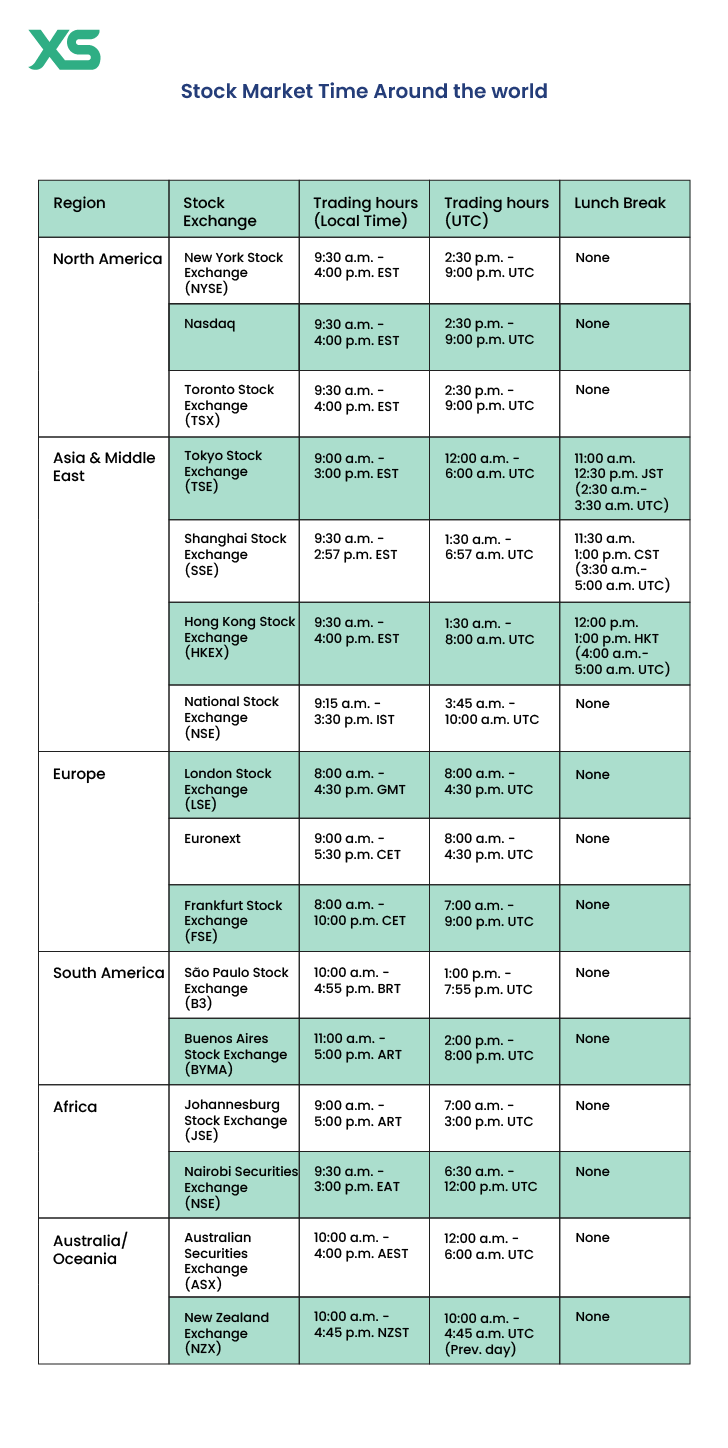
At its core, the “standard trading session” refers to the primary hours during which a stock exchange is officially open for regular business, facilitating the buying and selling of securities. For the world’s largest exchange, the New York Stock Exchange (NYSE) and NASDAQ, this typically means 9:30 AM Eastern Time (ET) to 4:00 PM ET, Monday through Friday, excluding public holidays. During these hours, liquidity is generally at its highest, market makers are actively quoting prices, and the vast majority of daily trading volume occurs. This is the period most individual investors are familiar with, observing real-time price fluctuations and executing trades. The opening and closing moments of this session – the “opening bell” and “closing bell” – are often characterized by heightened volatility as pending orders are executed and positions are adjusted. These hours are designed to strike a balance between providing sufficient time for market participants and allowing time for back-office processing, research, and preparation for the next trading day.
Beyond the Bell: Pre-Market and After-Hours Trading
The financial world, however, rarely sleeps. Trading activity isn’t confined solely to the standard session; it spills over into “pre-market” and “after-hours” trading.
- Pre-Market Trading: This session occurs before the official market opening. For example, on the NYSE and NASDAQ, pre-market trading can begin as early as 4:00 AM ET and run until the 9:30 AM ET open. During this period, institutional investors, professional traders, and sophisticated individual investors can place orders. News events released before the market opens often lead to significant price movements in the pre-market, as traders react to earnings reports, economic data, or geopolitical developments. Volume and liquidity are typically lower than the regular session, which can lead to wider bid-ask spreads and increased volatility for individual stocks.
- After-Hours Trading: Conversely, after-hours trading takes place after the official market close, often extending until 8:00 PM ET for U.S. markets. Similar to pre-market, this session allows participants to react to late-breaking news, company announcements, or global market shifts that occur after the closing bell. Like pre-market trading, after-hours sessions generally exhibit lower liquidity and larger spreads, making it potentially riskier for less experienced traders. Both pre-market and after-hours trading are facilitated through Electronic Communication Networks (ECNs) rather than the traditional exchange floor, enabling continuous global trading. Understanding these extended hours is critical for investors who wish to remain responsive to market-moving information outside the core trading window.
Key Global Stock Exchanges and Their Opening Times
The global stock market operates as a continuous, albeit fragmented, entity. As one major market closes, another is preparing to open, creating a perpetual cycle of trading opportunities and price discovery influenced by various time zones and regional economic factors.
North American Markets
North America hosts some of the world’s largest and most influential stock exchanges.
- New York Stock Exchange (NYSE) & NASDAQ: The titans of the U.S. market, both operate from 9:30 AM ET to 4:00 PM ET. Their opening and closing bells are globally recognized symbols of financial activity. They often share similar pre-market (4:00 AM ET to 9:30 AM ET) and after-hours (4:00 PM ET to 8:00 PM ET) trading windows, making them effectively synchronous in their operations.
- Toronto Stock Exchange (TSX): Canada’s primary exchange follows a similar pattern to its U.S. counterparts, typically operating from 9:30 AM ET to 4:00 PM ET.
European Markets
As the North American markets wind down, Europe’s exchanges are typically in their mid-day or late-day sessions.
- London Stock Exchange (LSE): One of the oldest and most prestigious exchanges, the LSE operates from 8:00 AM GMT to 4:30 PM GMT. Its early opening allows for significant overlap with Asian markets, while its later close still catches some of the early U.S. trading.
- Euronext (Paris, Amsterdam, Brussels, Lisbon): This pan-European exchange group generally trades from 9:00 AM CET to 5:30 PM CET for its cash markets.
- Deutsche Börse (Frankfurt): Germany’s primary exchange (Xetra) operates from 9:00 AM CET to 5:30 PM CET, making it a key player in the European financial landscape.
Asian Markets
The trading day typically begins in Asia, setting the initial tone for global markets.
- Tokyo Stock Exchange (TSE): Japan’s main exchange has a unique split session: 9:00 AM JST to 11:30 AM JST and then 12:30 PM JST to 3:00 PM JST. The one-hour lunch break is a distinct feature.
- Shanghai Stock Exchange (SSE) & Shenzhen Stock Exchange (SZSE): Mainland China’s exchanges also follow a split pattern: 9:30 AM CST to 11:30 AM CST and 1:00 PM CST to 3:00 PM CST.
- Hong Kong Stock Exchange (HKEX): A major gateway to China, the HKEX operates from 9:30 AM HKT to 12:00 PM HKT and 1:00 PM HKT to 4:00 PM HKT.
Other Major Global Exchanges
Beyond these three main blocs, other significant exchanges contribute to the global trading landscape.
- Sydney (ASX): Australia’s primary exchange trades from 10:00 AM AET to 4:00 PM AET.
- Bombay Stock Exchange (BSE) & National Stock Exchange (NSE): India’s exchanges operate from 9:15 AM IST to 3:30 PM IST.
- B3 (Brazil): The largest exchange in Latin America typically trades from 10:00 AM BRT to 5:00 PM BRT, often with an extended after-hours session.
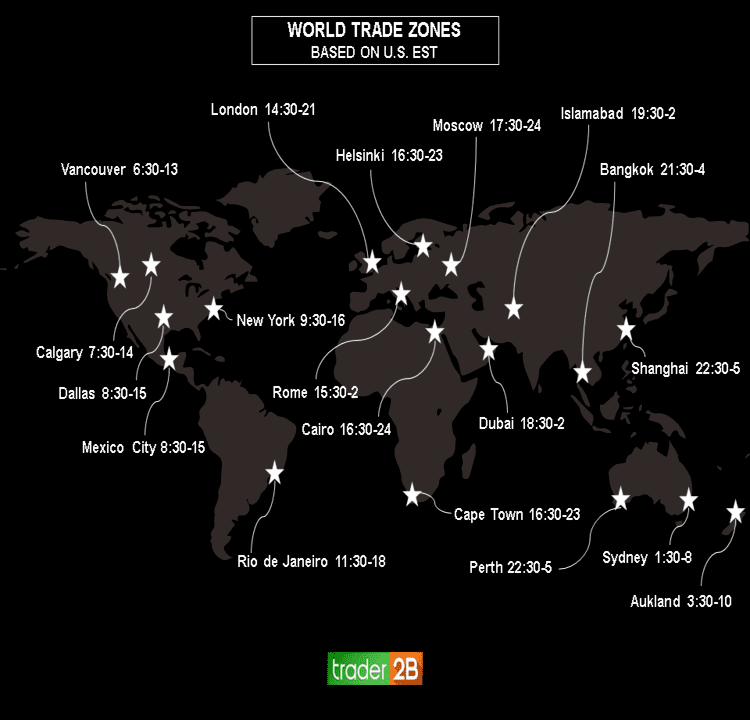
These varying times underscore the importance of understanding time zones when dealing with international investments, as news and events from one region can significantly impact markets opening later in another.
The Significance of the Opening Bell and Market Dynamics
The moment the stock exchange opens is not just a procedural start to the day; it’s a critical juncture that often sets the tone for the entire trading session. The initial minutes following the opening bell are characterized by unique dynamics that can significantly impact prices and trading strategies.
Volatility and Price Discovery at the Open
The opening minutes of any major stock exchange are almost invariably the most volatile. This surge in activity is due to several factors:
- Accumulated Orders: Overnight, a significant number of buy and sell orders accumulate from institutional investors, algorithms, and individual traders reacting to news, economic data, or global market movements that occurred after the previous day’s close.
- Order Imbalance: When the market opens, these orders are unleashed, often creating an immediate imbalance between buyers and sellers. If there’s an overwhelming number of buy orders for a stock compared to sellers, its price can “gap up” significantly. Conversely, a flood of sell orders can cause a “gap down.”
- Price Discovery: This initial volatility is a crucial process of “price discovery,” where the market rapidly assimilates all new information and attempts to find a fair opening price. This period can present significant opportunities for short-term traders but also carries elevated risk due to the rapid and often unpredictable price swings. Market makers work to absorb these imbalances, but the initial moments can be extremely frenetic.
Impact on Trading Strategies (Day Trading, Gap Trading)
Experienced traders, particularly day traders and those employing “gap trading” strategies, pay close attention to the market open.
- Day Trading: Many day traders focus intensely on the first hour of trading, often called the “power hour,” due to the high volume and volatility. They seek to capitalize on quick price movements driven by the initial influx of orders and news reactions. Strategies might involve identifying stocks with significant pre-market moves and betting on their continuation or reversal shortly after the open.
- Gap Trading: This strategy specifically targets stocks that have “gapped up” or “gapped down” significantly from their previous day’s close. Traders analyze the reasons for the gap (e.g., earnings report, news event) and attempt to predict whether the gap will “fill” (meaning the price will return towards the previous close) or “continue” in the direction of the gap. The opening hours are critical for executing such trades, as the initial reaction often determines the gap’s short-term trajectory.
- Stop-Loss and Take-Profit Orders: Even long-term investors need to be aware that their stop-loss or take-profit orders might be triggered at unexpected prices during market open if there’s a significant gap. This highlights the importance of understanding market orders versus limit orders and the risks associated with market volatility.
Economic News and Pre-Market Reactions
The impact of economic news is amplified around market opening times. Major announcements such as inflation reports, employment data, central bank decisions, or company earnings reports released before the market opens often dictate pre-market trading activity and the immediate direction of individual stocks or the broader market. A strong earnings beat might see a stock surge in pre-market, leading to a gap up at the open. Conversely, a disappointing economic indicator can trigger widespread selling. Traders and investors use the pre-market session to gauge market sentiment and adjust their strategies before the full force of the regular session begins. This interplay between news, pre-market reaction, and the opening bell is a cornerstone of daily market dynamics.
Factors Influencing Market Hours and Closures
While the standard operating hours provide a framework, stock exchanges are not immune to disruptions or planned closures. Several factors can influence or alter these hours, making it essential for investors to stay informed.
Public Holidays and Exchange Closures
Just like other businesses, stock exchanges observe public holidays, leading to full-day closures. These holidays vary by country and region. For instance, U.S. markets (NYSE, NASDAQ) typically close for federal holidays like New Year’s Day, Martin Luther King Jr. Day, Presidents’ Day, Good Friday, Memorial Day, Juneteenth National Independence Day, Independence Day, Labor Day, Thanksgiving Day, and Christmas Day. Some holidays might result in early closures.
Similar calendars exist for every major exchange worldwide. The London Stock Exchange closes for certain UK bank holidays, while Asian markets observe their respective national holidays. It’s crucial for investors, particularly those trading internationally, to consult the specific exchange’s holiday calendar well in advance to avoid liquidity issues, missed trading opportunities, or unexpected delays in transaction settlements. Trading platforms and financial news outlets usually publish these calendars annually.
Circuit Breakers and Trading Halts
Beyond planned closures, stock exchanges also employ mechanisms to manage extreme volatility or ensure fair and orderly markets during unforeseen events.
- Circuit Breakers: These are pre-defined thresholds designed to temporarily halt trading across an entire market (or specific indices) when there is an exceptionally rapid and severe market decline. For instance, U.S. stock exchanges have three levels of circuit breakers based on a percentage drop in the S&P 500 index:
- Level 1 (7% drop): Halts trading for 15 minutes if triggered before 3:25 PM ET.
- Level 2 (13% drop): Halts trading for 15 minutes if triggered before 3:25 PM ET.
- Level 3 (20% drop): Halts trading for the remainder of the day, regardless of when it’s triggered.
These circuit breakers are intended to give investors a chance to process information and prevent panic selling from spiraling out of control, thereby maintaining market integrity.
- Trading Halts for Individual Stocks: Beyond market-wide circuit breakers, trading in individual stocks can be temporarily halted for various reasons:
- News Pending (T1 Halt): Often initiated when a company is about to release significant news (e.g., earnings, merger announcement) that could materially affect its stock price. This ensures all investors have access to the information simultaneously before trading resumes.
- Regulatory Concerns (T2 Halt): May occur due to investigations, compliance issues, or other regulatory actions.
- Extraordinary Volatility (LULD – Limit Up/Limit Down): Automatic halts triggered when a stock’s price moves outside a specified price band within a short period, designed to curb excessive volatility and potential manipulation.
These halts are crucial for ensuring transparency, fairness, and investor protection. While they can be inconvenient for traders, they serve a vital role in maintaining the stability and confidence in the financial system.
Time Zones and International Trading Considerations
The sheer number of global exchanges and their differing operating hours makes time zones a paramount consideration for international investors. An event occurring during regular business hours in Tokyo could have significant repercussions for European markets just opening and American markets still closed.
- “Follow the Sun” Trading: For highly active global investors and institutions, trading effectively follows the sun around the world. As Asian markets close, European markets open, followed by North and South American markets, creating a near 24-hour cycle of activity. This necessitates careful monitoring and often means adapting one’s trading schedule to overlap with key foreign markets.
- Arbitrage Opportunities: Differences in opening and closing times, coupled with news dissemination, can sometimes create temporary price discrepancies across different exchanges listing the same underlying asset (e.g., an ETF or ADR). Sophisticated traders might try to exploit these “arbitrage” opportunities, although they are usually fleeting.
- Risk Management: For investors in one time zone trading in another, understanding the local market hours is vital for risk management. For instance, placing a market order on a U.S. stock during Asian trading hours means that order won’t execute until the U.S. market opens, potentially at a very different price than anticipated. This emphasizes the need for careful use of limit orders and a deep understanding of market liquidity during different global trading windows.
Navigating Trading Hours as an Investor
Effectively managing investments in a globally connected market requires a strategic approach to trading hours. For individual investors, this means not just knowing when exchanges open but also understanding how to leverage this information and mitigate associated risks.
Adapting to Different Market Schedules
For those looking beyond their local market, adapting to different time schedules is paramount.
- Leverage Technology: Modern brokerage platforms and financial news sites provide real-time data and customizable alerts for various markets. Use these tools to track opening and closing times, monitor pre-market activity, and stay informed about news releases relevant to your international holdings. Many platforms allow you to set your time zone preferences, which can simplify tracking multiple markets.
- Strategic Allocation: Consider how different market hours affect your portfolio’s exposure. If you hold significant positions in European or Asian markets, be aware that major news in those regions will impact your holdings while your local market is closed. This might influence your decision on when to place orders or adjust positions.
- Understanding Liquidity: Recognize that liquidity can vary significantly across different markets and during extended trading hours. Trading during low-liquidity periods, such as pre-market or after-hours, can lead to wider bid-ask spreads, making it more expensive to enter or exit positions. Prioritize trading during peak liquidity hours for better execution prices.
Leveraging Technology for Global Access
Technology has democratized access to global markets, making it easier than ever for individual investors to participate.
- Online Brokerage Platforms: Most reputable online brokers offer access to a wide range of international exchanges or allow trading in ADRs (American Depositary Receipts) for foreign companies, which trade on U.S. exchanges during U.S. hours.
- Market Data and News Services: Subscriptions to advanced market data and news services can provide invaluable real-time information, earnings calendars, and economic reports from around the world. These services help investors make informed decisions regardless of their local time zone.
- Automated Trading and Order Types: For those who cannot physically monitor markets around the clock, advanced order types like limit orders, stop-loss orders, and even algorithmic trading tools (offered by some platforms) can help manage positions and execute trades based on pre-defined criteria, even while you sleep. However, always understand the implications of these orders, especially regarding potential price gaps outside regular hours.

Risk Management and Market Open
The heightened volatility at market open, combined with the complexities of global trading hours, underscores the critical importance of robust risk management.
- Avoid Blind Market Orders at Open: Unless absolutely necessary, avoid placing market orders for execution right at the opening bell, especially for volatile stocks or after significant news. The rapid price swings can lead to execution at a much higher or lower price than anticipated. Instead, use limit orders to specify the maximum price you’re willing to pay or the minimum price you’re willing to accept.
- Consider Pre-Market and After-Hours Risks: While these sessions offer flexibility, their lower liquidity and wider spreads mean that even small orders can significantly move prices. Exercise extreme caution, and only trade during these hours if you fully understand the increased risks and have a clear strategy.
- Stay Informed: The best defense against unexpected market movements is knowledge. Regularly check economic calendars, company news, and geopolitical developments that could influence your investments. Being aware of upcoming events that might impact market sentiment at the open can help you prepare and adjust your strategy accordingly.
- Diversify and Position Sizing: Regardless of trading hours, maintaining a diversified portfolio and employing appropriate position sizing remain fundamental risk management principles. Don’t overexpose yourself to any single asset or market, especially during periods of high volatility.
In conclusion, “what time does the stock exchange open” is a deceptively simple question that unlocks a world of intricate financial considerations. From the standard trading session and extended pre/after-hours, to the complex dance of global exchanges across time zones, understanding these rhythms is fundamental for any serious investor. By adapting to market schedules, leveraging technology, and prioritizing diligent risk management, individuals can navigate the dynamic landscape of global financial markets with greater confidence and insight, ensuring they are well-prepared for whatever the opening bell may bring.
aViewFromTheCave is a participant in the Amazon Services LLC Associates Program, an affiliate advertising program designed to provide a means for sites to earn advertising fees by advertising and linking to Amazon.com. Amazon, the Amazon logo, AmazonSupply, and the AmazonSupply logo are trademarks of Amazon.com, Inc. or its affiliates. As an Amazon Associate we earn affiliate commissions from qualifying purchases.