
Stock trading is a dynamic and potentially lucrative financial activity that involves the buying and selling of company shares with the primary goal of profiting from price fluctuations. It’s a cornerstone of the global financial system, allowing individuals and institutions to participate in the growth and decline of businesses, influencing capital allocation and market efficiency. While often conflated with long-term investing, trading typically implies a shorter-term outlook, aiming to capitalize on smaller, more frequent market movements rather than holding assets for years or decades. Understanding what stock trading entails, its underlying mechanisms, and the various strategies employed is crucial for anyone looking to navigate this complex yet fascinating world.
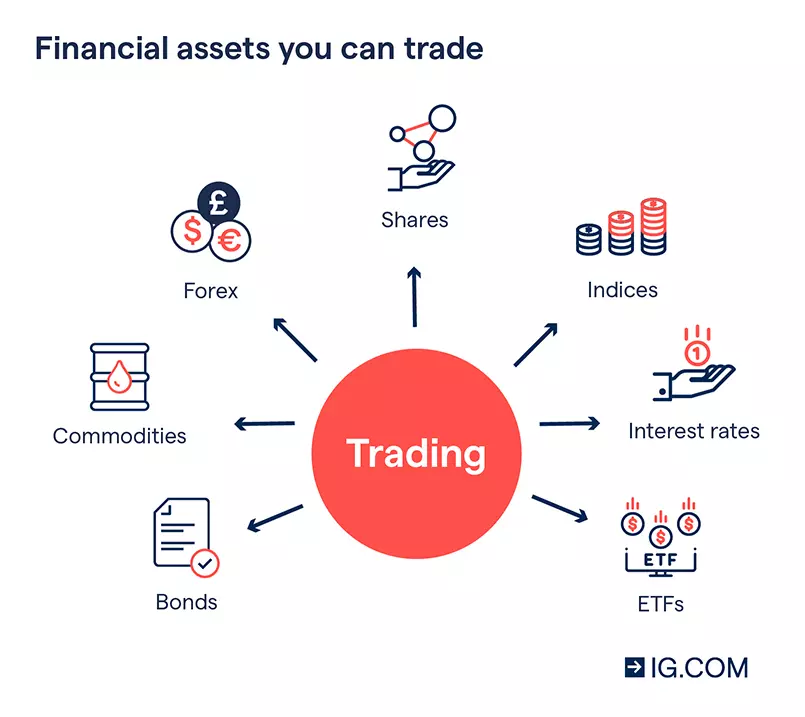
At its core, stock trading is about anticipating where a company’s share price will move next. Traders analyze various factors, from economic indicators and company news to historical price patterns, to make informed decisions. The allure lies in the potential for significant returns, but it’s equally important to recognize the inherent risks. Successful trading requires not just analytical skills but also discipline, emotional control, and a robust risk management strategy. This article will delve into the fundamentals of stock trading, explore different approaches, key terminology, and provide guidance for those considering entering the market, all within the framework of responsible financial engagement.
Understanding the Fundamentals of Stock Trading
Before embarking on the journey of stock trading, it’s essential to grasp the foundational concepts that underpin this activity. A clear understanding of what a stock is, how exchanges function, and the distinction between trading and investing will set the stage for more advanced learning.
What is a Stock?
A stock, also known as a share or equity, represents a fractional ownership interest in a public company. When you buy a stock, you become a part-owner of that company, albeit typically a very small one. This ownership generally grants you certain rights, such as voting rights on corporate matters (for common stock) and a claim on a portion of the company’s earnings (through dividends). Companies issue stocks to raise capital for various purposes, such as expansion, research and development, or debt repayment. The value of a stock is influenced by a multitude of factors, including the company’s financial performance, industry trends, economic conditions, and investor sentiment. As these factors change, the perception of the company’s value changes, leading to fluctuations in its stock price.
How Stock Exchanges Work
Stock exchanges are organized marketplaces where buyers and sellers meet to trade stocks. They provide the infrastructure and regulatory framework necessary for transparent and efficient transactions. The two largest stock exchanges in the United States, for example, are the New York Stock Exchange (NYSE) and the Nasdaq Stock Market. When you place an order to buy or sell a stock, your brokerage firm routes that order to the relevant exchange. The exchange then matches your order with a corresponding buy or sell order from another participant. This process, driven by supply and demand, determines the real-time market price of a stock. High demand for a stock with limited supply will push its price up, while high supply with limited demand will cause its price to fall. Exchanges also play a vital role in providing liquidity, ensuring that traders can convert their stocks into cash, and vice-versa, relatively easily.
The Core Difference: Investing vs. Trading
While both investing and trading involve participating in the stock market, their underlying philosophies, time horizons, and risk profiles differ significantly. Investing is typically a long-term strategy, focused on accumulating wealth over many years or even decades. Investors aim to buy fundamentally sound companies and hold onto their shares, allowing them to grow with the company and benefit from compound returns, dividends, and long-term capital appreciation. They are less concerned with daily price fluctuations and more with the company’s overall health and future prospects.
Trading, on the other hand, is a shorter-term activity. Traders seek to profit from short-term price movements, which could be over minutes, hours, days, or weeks. Their focus is often on technical analysis – interpreting price charts and patterns – and responding quickly to market news. Traders actively manage their positions, frequently entering and exiting trades, and are comfortable with higher levels of risk in pursuit of quicker gains. While investing builds wealth gradually, trading aims for more rapid capital growth, often involving more active management and a higher degree of market speculation.
Types of Stock Trading Strategies
The world of stock trading offers a diverse array of strategies, each suited to different time horizons, risk tolerances, and personality types. Choosing the right strategy is crucial for a trader’s success and involves understanding the nuances of each approach.
Day Trading
Day trading is perhaps the most well-known and often romanticized form of stock trading. Day traders open and close all their positions within a single trading day, meaning they do not hold any stocks overnight. The goal is to capitalize on small price movements, sometimes just fractions of a dollar, by executing a large number of trades. This strategy requires intense focus, quick decision-making, and a deep understanding of market dynamics. Day traders often rely heavily on technical analysis, using real-time charts, indicators, and advanced order types. Due to the high frequency of trades and the leveraged capital often employed, day trading carries significant risk and is generally not recommended for beginners without extensive training and experience.
Swing Trading
Swing trading occupies a middle ground between day trading and long-term investing. Swing traders typically hold positions for a few days to several weeks, aiming to capture “swings” in price within an established trend. They look for stocks that have moved too far in one direction and are due for a reversal, or for stocks breaking out of consolidation patterns. Swing traders use a combination of technical and fundamental analysis. They might analyze daily or weekly charts to identify entry and exit points, paying attention to support and resistance levels, candlestick patterns, and volume. This strategy allows for more time to analyze trades compared to day trading, making it potentially more manageable for those who cannot dedicate full-time attention to the markets.
Position Trading
Position trading is a longer-term trading strategy, where traders hold stocks for weeks, months, or even several quarters. Unlike investors, position traders are still focused on capturing significant price trends, but they are less concerned with the minute-to-minute or day-to-day fluctuations. They often rely on a combination of fundamental analysis (e.g., company earnings, industry outlook, economic reports) and long-term technical analysis (e.g., monthly charts, long-term moving averages) to identify and ride major trends. This strategy requires patience and the ability to withstand short-term market noise. Position traders typically make fewer trades but aim for larger profit margins per trade.
Scalping
Scalping is the shortest-term trading strategy, even more so than day trading. Scalpers aim to make very small profits from extremely brief price movements, often holding positions for mere seconds or minutes. They execute a very high volume of trades throughout the day, looking to exploit the bid-ask spread or minor inefficiencies in market pricing. Scalping requires extremely fast execution, low latency trading platforms, and often direct market access. Due to the tiny profit margins per trade, scalpers need substantial capital and meticulous risk management to ensure that commissions and slippage don’t erode their gains. This strategy is highly intense and generally pursued by highly experienced traders or algorithmic trading systems.
Key Concepts and Terminology in Stock Trading
Navigating the stock market effectively requires familiarity with a specific lexicon. Understanding key terms and concepts is essential for interpreting market data, executing trades, and managing risk.
Bid and Ask Prices
When you look at a stock quote, you’ll typically see two prices: the bid price and the ask price (or offer price). The bid price is the highest price a buyer is currently willing to pay for a stock. The ask price is the lowest price a seller is currently willing to accept for that same stock. The difference between the bid and ask price is known as the spread. For example, if a stock has a bid of $10.00 and an ask of $10.02, the spread is $0.02. This spread is essentially the cost of immediacy in the market and represents the profit margin for market makers or brokers who facilitate these trades. Generally, a narrower spread indicates higher liquidity for a stock, making it easier to buy and sell without significantly impacting the price.
Market Orders vs. Limit Orders
When placing an order to buy or sell a stock, you typically have several options. The two most fundamental are market orders and limit orders.
- A market order is an instruction to buy or sell a stock immediately at the best available current price. While it guarantees execution, it does not guarantee a specific price. In fast-moving markets, the actual execution price might be slightly different (worse) than the displayed price when you placed the order.
- A limit order is an instruction to buy or sell a stock at a specified price or better. For a buy limit order, you set the maximum price you’re willing to pay; the order will only execute if the stock falls to that price or lower. For a sell limit order, you set the minimum price you’re willing to accept; the order will only execute if the stock rises to that price or higher. Limit orders provide price control but do not guarantee execution, as the market may never reach your specified price.
Volatility and Liquidity
These two concepts are critical for understanding market behavior.
- Volatility refers to the degree of variation of a trading price series over time. A highly volatile stock experiences rapid and significant price swings, while a low-volatility stock exhibits more stable price movements. Volatility can create opportunities for traders, but it also increases risk.
- Liquidity refers to how easily an asset can be converted into cash without affecting its market price. A highly liquid stock can be bought or sold quickly without causing a substantial change in its price, as there are many buyers and sellers active. Illiquid stocks, conversely, can be difficult to trade without moving the price, potentially leading to significant slippage. Traders generally prefer liquid stocks for easier entry and exit.

Technical Analysis vs. Fundamental Analysis
These are the two primary methodologies used to evaluate stocks and make trading decisions.
- Fundamental analysis involves evaluating a company’s intrinsic value by examining its financial statements (income statement, balance sheet, cash flow statement), management, industry outlook, economic conditions, and competitive landscape. Fundamental analysts believe that the market may misprice a stock in the short term, but eventually, its price will reflect its true intrinsic value. This approach is more common among investors and position traders.
- Technical analysis involves studying historical price charts and volume data to identify patterns and predict future price movements. Technical analysts believe that all relevant information is already reflected in the stock’s price, and by studying chart patterns, trends, and indicators (like moving averages, RSI, MACD), they can anticipate market direction. This approach is widely used by day traders and swing traders.
Risk Management
No discussion of trading is complete without emphasizing risk management. This is arguably the most crucial aspect of successful trading. It involves strategies and rules designed to minimize potential losses and protect capital. Key components include:
- Stop-Loss Orders: An order to sell a stock automatically if its price falls to a predetermined level, limiting potential losses on a trade.
- Position Sizing: Determining the appropriate amount of capital to allocate to any single trade, typically a small percentage of total trading capital, to avoid catastrophic losses.
- Diversification: While more relevant to investing, some traders diversify across different strategies or asset classes to mitigate concentrated risk.
Effective risk management ensures that no single trade can severely damage a trader’s account.
Getting Started in Stock Trading: A Practical Guide
Embarking on a stock trading journey requires preparation, education, and a structured approach. It’s not a get-rich-quick scheme, but a skill developed through consistent effort and discipline.
Education and Research
The first and most critical step is to educate yourself thoroughly. The financial markets are complex, and ignorance is expensive. Read books, take reputable courses, follow established financial news sources, and consume educational content from credible experts. Learn about market structure, economic principles, various trading strategies, technical indicators, and fundamental analysis. Understand that continuous learning is paramount, as markets are constantly evolving. Don’t rely on unsubstantiated tips or “gurus” promising instant riches. Focus on building a robust knowledge base.
Choosing a Brokerage Account
To trade stocks, you’ll need a brokerage account. There are numerous online brokers available, each offering different platforms, fee structures, research tools, and customer support. When choosing a broker, consider:
- Commissions and Fees: Look for low-cost or commission-free trading, but be aware of other potential fees (e.g., inactivity fees, withdrawal fees).
- Trading Platform: Evaluate the platform’s user-friendliness, charting tools, order types, and real-time data feeds.
- Research and Educational Resources: Does the broker provide valuable market research, analysis, and educational materials?
- Customer Service: Good customer support can be invaluable, especially for beginners.
- Regulatory Compliance: Ensure the broker is regulated by relevant authorities (e.g., FINRA and SEC in the U.S.).
Developing a Trading Plan
A well-defined trading plan is your roadmap to success. It should outline:
- Your Goals: What do you aim to achieve (e.g., monthly profit target, capital growth)?
- Your Strategy: Which trading style will you adopt (day trading, swing trading, etc.)? How will you identify trades (technical, fundamental)?
- Risk Management Rules: How much capital will you risk per trade? What is your maximum daily/weekly loss limit? Where will you place stop-loss orders?
- Entry and Exit Criteria: Under what specific conditions will you enter a trade? When will you take profits? When will you cut losses?
- Psychological Rules: How will you manage emotions like fear and greed?
Stick to your plan rigorously. It serves as an objective guide and helps prevent impulsive decisions.
Starting Small and Practicing
It’s highly advisable to start with a paper trading account (also known as a simulated or demo account). This allows you to practice trading with virtual money in a real market environment without risking actual capital. Use this phase to test your strategies, familiarize yourself with your broker’s platform, and refine your trading plan. Once you feel confident, start with a small amount of real capital that you can afford to lose. Avoid using money earmarked for essential expenses. Gradually increase your capital as you gain experience and demonstrate consistent profitability.
Managing Emotions and Discipline
Trading is as much a psychological game as it is an analytical one. Emotions like fear, greed, hope, and regret can severely impact your decision-making. Fear can lead you to exit winning trades too early or avoid taking valid setups. Greed can make you hold onto losing trades too long or take excessive risks. Discipline is paramount – the ability to stick to your trading plan even when market conditions are challenging or your emotions are running high. Develop a routine, review your trades objectively, and learn from both your successes and failures without letting emotions dictate your actions.
Risks and Rewards of Stock Trading
Stock trading, while offering significant opportunities for wealth creation, is not without its perils. A realistic understanding of both the potential rewards and inherent risks is crucial for anyone considering this path.
Potential for Significant Returns
The primary allure of stock trading is the potential for substantial returns on investment, often far exceeding those typically found in traditional savings accounts or even long-term investing over shorter periods. Successful traders can capitalize on market volatility, leveraging their capital to generate impressive percentage gains. Strategies like day trading, though high-risk, can yield rapid profits by exploiting small price discrepancies numerous times throughout a trading session. The ability to compound these returns effectively can lead to significant capital growth over time, making trading an attractive option for those seeking to actively grow their financial assets. Furthermore, the accessibility of online brokerage platforms has democratized trading, allowing individuals to participate and potentially achieve financial independence.
Inherent Market Risks
Despite the potential for reward, stock trading carries significant inherent risks. The value of stocks can fluctuate wildly due to various factors:
- Market Risk: Broad economic downturns, geopolitical events, or shifts in investor sentiment can cause the entire market to decline, impacting even fundamentally strong companies.
- Company-Specific Risk: News related to a company’s earnings, product failures, management changes, or regulatory issues can cause its stock price to plummet, regardless of broader market conditions.
- Liquidity Risk: As discussed earlier, some stocks may not have enough buyers or sellers, making it difficult to enter or exit positions at desired prices, leading to slippage.
- Leverage Risk: Many traders use leverage (borrowed money) to amplify their trading power. While this can magnify gains, it also dramatically amplifies losses, potentially leading to rapid depletion of trading capital or even owing more than initially invested.
- Psychological Risk: Emotional decision-making, such as panic selling or overly aggressive buying, can lead to poor outcomes and significant losses, underscoring the importance of discipline and emotional control.
The Importance of Diversification
While typically associated with long-term investing, the principle of diversification holds relevance even for traders, albeit in a different context. For longer-term trading strategies like position trading, diversifying across different industries or asset classes can help mitigate concentrated risk. For shorter-term traders, diversification might mean not putting all their capital into a single, highly volatile stock, or perhaps even diversifying across different trading strategies or market segments (e.g., commodities, forex) if their skill set allows. The core idea remains the same: spreading risk across multiple instruments to prevent a single adverse event from devastating your entire trading account.
The Reality of Losses
It is crucial to acknowledge that losses are an inevitable part of stock trading. Even the most experienced and profitable traders experience losing trades. What differentiates successful traders is not the absence of losses, but their ability to manage them effectively and learn from them. Uncontrolled losses are the quickest way to deplete a trading account. A disciplined risk management strategy, including stop-loss orders and appropriate position sizing, is vital to ensure that individual losses are small and do not significantly impact overall capital. Embracing losses as learning opportunities, rather than emotional setbacks, is a critical mindset for long-term survival and eventual profitability in the trading arena.

Conclusion
Stock trading is a complex and challenging endeavor that offers the potential for significant financial gains for those who approach it with diligence, education, and discipline. It is distinct from long-term investing due to its focus on capitalizing on short-to-medium term price fluctuations, demanding an active and often intensive engagement with the market. From the rapid-fire decisions of day trading to the more patient approach of position trading, a spectrum of strategies caters to various risk appetites and time commitments.
Key to success is a deep understanding of market fundamentals, a solid grasp of terminology like bid/ask spreads, market orders, and the interplay of volatility and liquidity. Furthermore, choosing between technical and fundamental analysis, or blending them, forms the backbone of any trading methodology. However, perhaps the most critical component is robust risk management, which serves as the protective shield against the inherent uncertainties and rapid movements of the financial markets.
For aspiring traders, the journey begins with comprehensive education, meticulous research, and the development of a well-defined trading plan. Starting with simulated trading, gradually transitioning to real capital, and consistently practicing emotional discipline are indispensable steps. While the rewards can be substantial, the risks are equally pronounced, making a realistic outlook and a commitment to continuous learning absolutely essential. Stock trading is not a path to instant riches but a skill that, when honed with perseverance and a strategic mindset, can unlock significant financial opportunities within the vast world of money management.
aViewFromTheCave is a participant in the Amazon Services LLC Associates Program, an affiliate advertising program designed to provide a means for sites to earn advertising fees by advertising and linking to Amazon.com. Amazon, the Amazon logo, AmazonSupply, and the AmazonSupply logo are trademarks of Amazon.com, Inc. or its affiliates. As an Amazon Associate we earn affiliate commissions from qualifying purchases.