
In the hyper-competitive landscape of the aviation industry, few names evoke as visceral a reaction as Spirit Airlines. To the casual observer, the question “How is Spirit Airlines?” usually elicits a discussion about legroom or baggage fees. However, from a brand strategy perspective, the answer is far more complex. Spirit Airlines is not merely a transportation company; it is a masterclass in disruptive brand positioning and “unbundled” identity. While many legacy carriers attempt to be everything to everyone, Spirit has carved out a distinct, albeit polarizing, niche by leaning into a radical transparency that challenges traditional notions of hospitality.

To understand how Spirit functions as a brand, one must look past the yellow airplanes and examine the intentional psychological and marketing frameworks that sustain its business model.
1. The Anatomy of a Disruptive Brand Identity
Brand identity is often equated with logos and color palettes, but for Spirit, these elements serve a much deeper strategic purpose. Every visual touchpoint is designed to reinforce a singular message: “This is the most affordable option available.”
The Psychology of the Yellow Livery
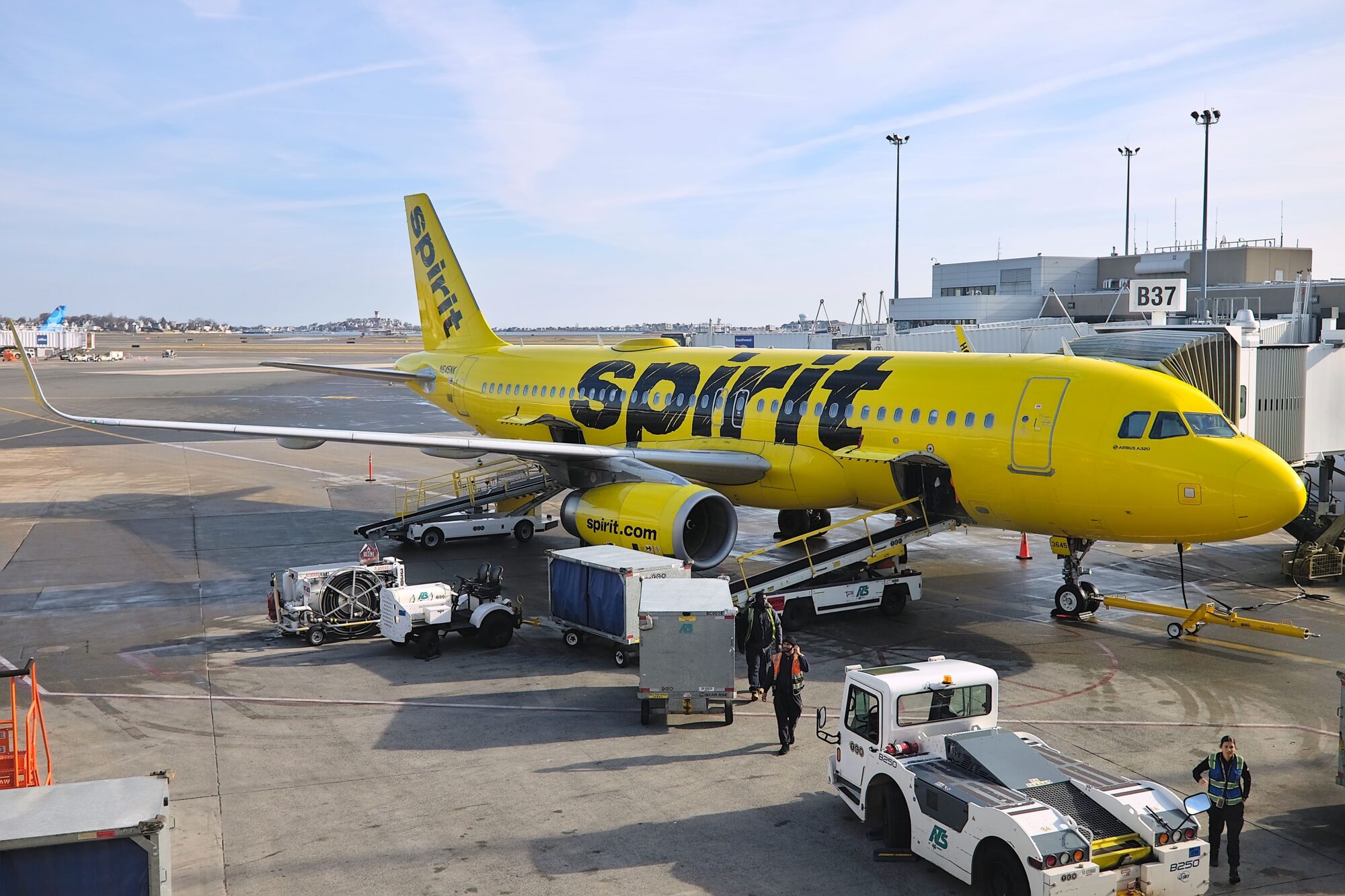
In 2014, Spirit underwent a massive rebranding effort, trading its generic blue-and-silver aesthetic for a “Bright Yellow” livery. This was not a random choice. In color psychology, yellow is associated with energy, optimism, and—most importantly in a retail context—value and clearance. By painting their entire fleet the color of a “Sale” sign, Spirit communicates its brand promise before a passenger even steps foot in the terminal. The message is loud and unmistakable: this is a budget-friendly service. This visual consistency helps the brand stand out in a sea of corporate blues and whites, ensuring that Spirit is top-of-mind whenever a consumer prioritizes price over prestige.
Embracing the “Villain” Archetype
Most brands spend millions trying to be liked. Spirit, conversely, has historically leaned into being “the brand you love to hate.” In brand archetyping, Spirit often flirts with the “Outlaw” or “Rebel” persona. They are the disruptors who tell the truth about the hidden costs of “free” snacks on other airlines. By acknowledging their reputation for being basic, they disarm critics. This self-awareness is a powerful branding tool. When a brand admits exactly what it is—and what it isn’t—it builds a unique kind of trust with its target demographic. Spirit doesn’t promise a premium experience; it promises a low price. By delivering on that specific promise, it maintains brand integrity despite the social media vitriol.
2. The “Unbundled” Value Proposition as a Marketing Engine
At the heart of Spirit’s brand strategy is the concept of “unbundling.” While legacy carriers bundle the cost of bags, seats, and snacks into a single, higher ticket price, Spirit strips everything away. This “Bare Fare” model is more than a pricing strategy; it is the core of their marketing engine.
Transparency vs. Friction in User Experience
The brand’s primary challenge is managing the “expectation gap.” Friction occurs when a customer expects a full-service experience at a budget price. To combat this, Spirit’s brand strategy involves a heavy emphasis on education. Their marketing materials often feature infographics and “how-to” guides explaining how to travel with only a personal item. This educational approach serves two purposes: it reduces customer frustration at the gate and reinforces the brand’s position as a champion of consumer choice. The brand tells the consumer, “We aren’t charging you for a bag you didn’t bring.” This flips the narrative from Spirit being “stingy” to Spirit being “fair.”
Redefining Luxury through Essentialism
Spirit’s branding attempts to redefine what “luxury” means in the modern age. In Spirit’s lexicon, luxury isn’t a hot towel or a glass of champagne; luxury is the ability to afford a flight to see a family member or take a vacation that would otherwise be financially out of reach. By framing their service as “the democratization of the skies,” they pivot the brand identity from a “cheap airline” to an “enabling platform.” This strategic pivot allows them to appeal to a broad demographic, from college students to budget-conscious families, who view the flight as a utility rather than an experience.
3. Strategic Communication and Managing Public Perception
In the digital age, a brand is defined as much by what people say about it on X (formerly Twitter) as by its own advertisements. Spirit’s approach to communication is a fascinating study in high-risk, high-reward brand management.
Social Media Satire and Direct Engagement
Unlike the stiff, corporate tone adopted by many airlines, Spirit’s social media presence has often been characterized by a sense of humor and a willingness to engage in “edgy” marketing. They have historically used current events and pop culture scandals to fuel their promotional campaigns. This “irreverent” brand voice resonates with a younger, digitally native audience that values authenticity over corporate polish. Even when the brand is the butt of a joke on late-night television, Spirit’s marketing team often finds ways to lean into the humor, effectively co-opting the criticism and turning it into brand awareness.
Managing the “Budget” Stigma in a Premium Market
As the airline industry evolves, Spirit faces the challenge of “premiumization.” With competitors introducing “Basic Economy” tiers to compete with Spirit, the brand has had to refine its communication strategy. To maintain its edge, Spirit has begun to highlight its modern fleet—one of the youngest in the industry. By shifting the conversation from “we are cheap” to “we have the newest, most fuel-efficient planes,” they add a layer of sophistication to the brand. This helps mitigate the “budget stigma” by associating the brand with modern technology and environmental consciousness, without sacrificing its core identity as a value leader.
4. Brand Evolution: The Move Toward “Spirit 2.0”
A brand that remains static eventually becomes a caricature of itself. Recognizing this, Spirit has recently embarked on a journey to evolve its guest experience while keeping its low-cost DNA intact. This evolution, often referred to internally and by analysts as “Spirit 2.0,” represents a significant shift in brand strategy.
The Shift Toward “Guest Experience”
For years, Spirit referred to its passengers as “customers.” Recently, there has been a concerted effort to shift the language toward “Guests.” This is a subtle but profound branding shift. It signals an intent to improve the “soft” side of the brand—service, reliability, and hospitality. The introduction of high-speed Wi-Fi and redesigned seats with more cushion and ergonomic support are physical manifestations of this brand evolution. The strategy here is to prove that “low cost” does not have to mean “low quality.” By elevating the touchpoints that matter most to modern travelers, Spirit is attempting to broaden its brand equity and increase customer loyalty.
Future-Proofing the Low-Cost Identity
The future of the Spirit brand lies in its ability to navigate a market that is increasingly consolidated. Following the high-profile discussions regarding mergers and acquisitions, the brand’s identity has been under intense scrutiny. The strategic imperative for Spirit moving forward is to maintain its “indie” spirit while operating at a scale that allows for operational excellence. If the brand can successfully marry its “Bare Fare” pricing with a reliable, friendly service model, it will solidify its place as a permanent fixture in the American travel psyche. The goal is to reach a point where the answer to “How is Spirit Airlines?” is not a complaint about a fee, but a nod of respect for a brand that knows exactly who it serves.

Conclusion: The Power of Knowing Your Brand
Spirit Airlines is a testament to the power of a clear, unapologetic brand strategy. In an industry where many players suffer from “brand blur”—an inability to distinguish themselves from their rivals—Spirit stands out in vibrant yellow. They have mastered the art of “Targeted Alienation,” understanding that by not trying to please everyone, they can become indispensable to a specific, price-sensitive segment of the market.
While the brand will likely always face criticism from those who value traditional airline perks, its success is undeniable. Spirit has forced the entire industry to react to its model, proving that in the world of brand strategy, being different is often more valuable than being “better” in the conventional sense. Spirit Airlines doesn’t just sell flights; it sells access. And in the economy of the 21st century, access is one of the most powerful brand promises a company can make.
aViewFromTheCave is a participant in the Amazon Services LLC Associates Program, an affiliate advertising program designed to provide a means for sites to earn advertising fees by advertising and linking to Amazon.com. Amazon, the Amazon logo, AmazonSupply, and the AmazonSupply logo are trademarks of Amazon.com, Inc. or its affiliates. As an Amazon Associate we earn affiliate commissions from qualifying purchases.