
The stock market has long been the primary engine for wealth creation in the modern world. While it may appear daunting to the uninitiated—filled with complex jargon, fluctuating charts, and unpredictable headlines—the reality is that investing in the stock market is one of the most accessible and effective ways to secure your financial future. Whether you are saving for retirement, a down payment on a home, or simply looking to outpace inflation, understanding the mechanics of the market is a vital life skill.
Investing is not a get-rich-quick scheme; rather, it is the process of putting your money to work today so that it grows into a larger sum in the future. By purchasing shares of a company, you are essentially buying a small piece of that business. As the company grows and becomes more profitable, the value of your shares increases. This guide provides a strategic roadmap for navigating the stock market, from establishing your financial foundation to executing your first trade and managing a diversified portfolio.
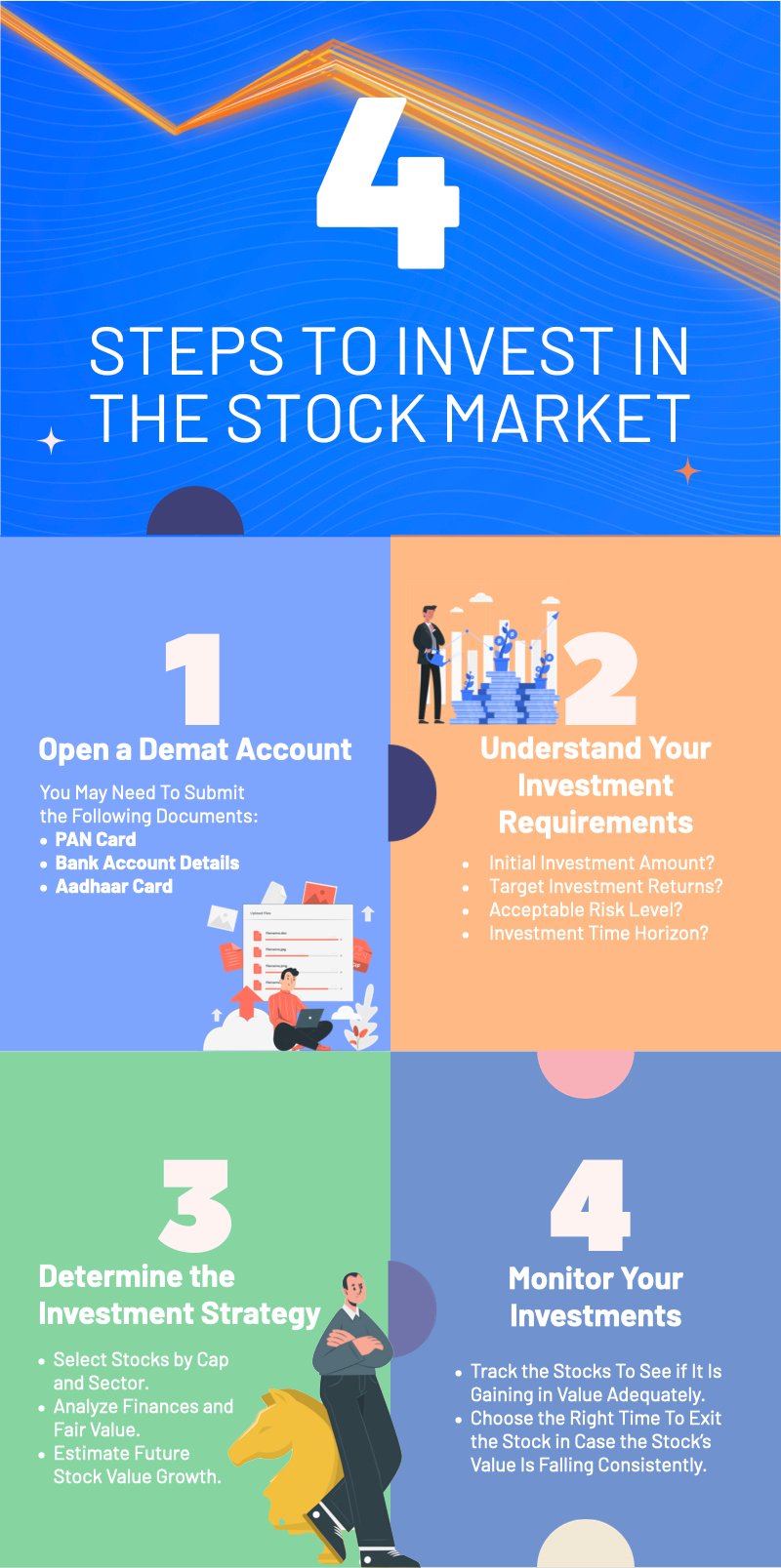
1. Establishing a Solid Financial Foundation
Before you deposit a single dollar into a brokerage account, you must ensure your personal finances are in order. Investing involves risk, and the stock market should never be used as a short-term savings account for money you might need next month.
Assessing Your Financial Health and Emergency Fund
The first step in any investment journey is the creation of an emergency fund. Financial experts typically recommend saving three to six months’ worth of living expenses in a high-yield savings account. This “safety net” ensures that if you lose your job or face an unexpected medical bill, you won’t be forced to sell your stocks at a loss during a market downturn.
Additionally, it is crucial to address high-interest debt, such as credit card balances. If you are paying 20% interest on a credit card but the stock market historically returns an average of 10% per year, you are effectively losing money by investing instead of paying off the debt.
Defining Your Investment Goals and Risk Tolerance
Every investor has a different “why.” Your strategy will look very different if you are a 22-year-old starting your first job compared to a 55-year-old approaching retirement. Your goals determine your time horizon—the length of time you plan to keep your money invested.
Along with goals comes risk tolerance: your psychological and financial ability to withstand market volatility. Can you stay calm if your portfolio drops 20% in a single month? If the answer is no, a more conservative approach focusing on bonds and stable, dividend-paying stocks might be appropriate. If you have decades to wait, you can likely afford to take more risks with high-growth technology stocks.
2. Choosing Your Investment Vehicles and Account Types
Once your foundation is set, you need to decide where to put your money. The “where” involves both the type of account you open and the specific assets you choose to buy.
Selecting the Right Brokerage Account
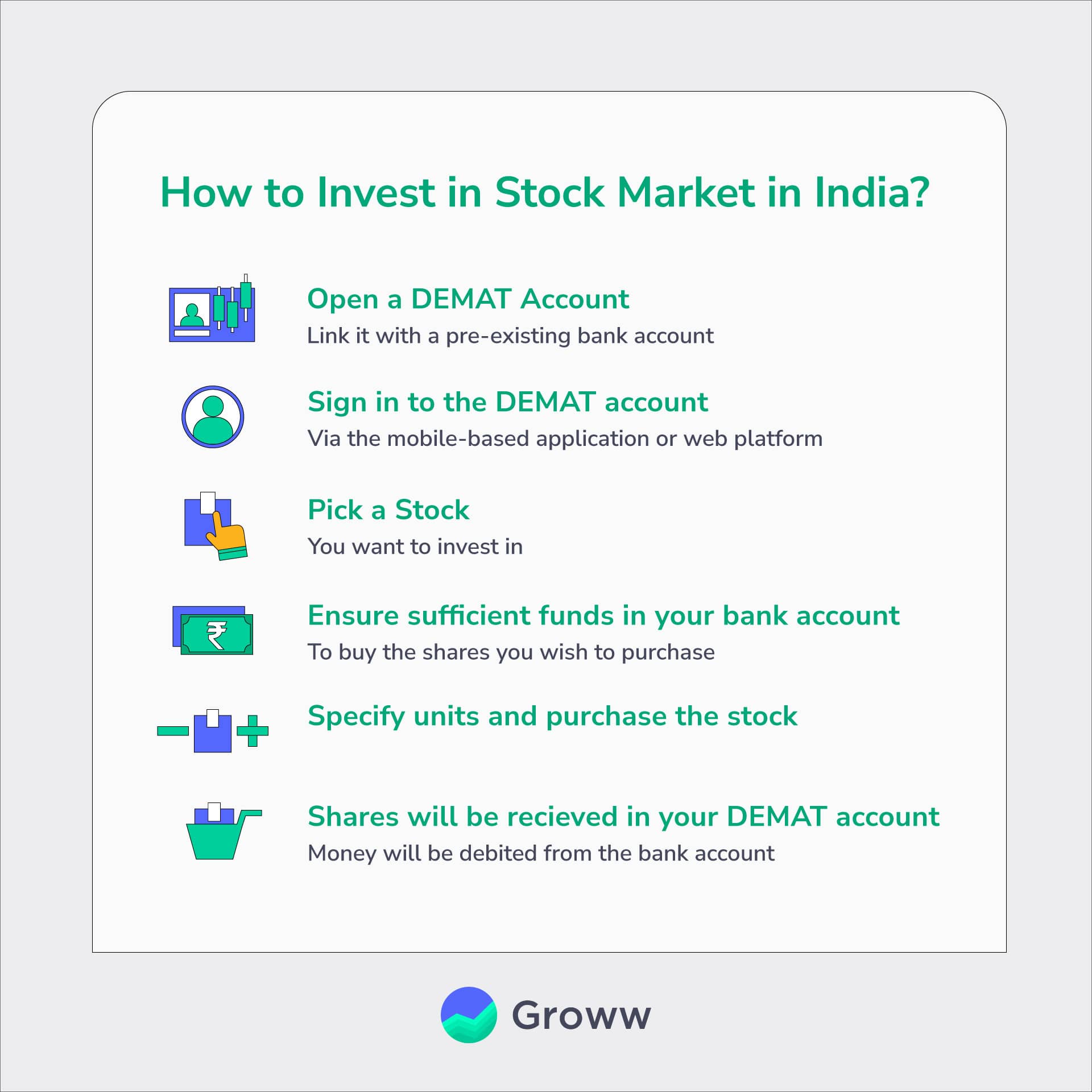
To buy stocks, you need a brokerage account. In the digital age, there are dozens of reputable platforms ranging from traditional firms like Fidelity and Charles Schwab to user-friendly apps like Robinhood or Betterment.
When choosing a broker, consider the following:
- Commissions and Fees: Most modern brokers offer $0 commission for stock and ETF trades.
- Account Minimums: Some platforms allow you to start with as little as $1, while others require a larger initial deposit.
- Educational Resources: Beginners often benefit from platforms that provide research tools and educational content.
Furthermore, you must choose between a standard taxable brokerage account and tax-advantaged accounts like a 401(k) or an Individual Retirement Account (IRA). Tax-advantaged accounts offer significant benefits, such as tax-deductible contributions or tax-free growth, but they often come with restrictions on when you can withdraw the money.
Understanding Asset Classes: Stocks, ETFs, and Mutual Funds
You don’t have to pick individual stocks to be a successful investor. In fact, for many, “basket” investments are a safer and more efficient choice.
- Individual Stocks: Buying shares of a single company like Apple or Disney. This offers the highest potential reward but carries the highest risk.
- Exchange-Traded Funds (ETFs): These are collections of stocks that trade on an exchange like a single stock. For example, an S&P 500 ETF allows you to own a tiny piece of the 500 largest companies in the U.S. simultaneously.
- Mutual Funds: Similar to ETFs, but managed by professional fund managers. They often have higher fees (expense ratios) and trade only once a day after the market closes.
3. Strategies for Building and Managing a Portfolio
Successful investing is less about “picking winners” and more about adhering to a disciplined strategy. The goal is to build a portfolio that can weather various economic cycles.
Passive vs. Active Investing
The debate between active and passive investing is central to modern finance. Active investing involves trying to “beat the market” by timing trades and picking specific stocks that you believe will outperform. Passive investing, on the other hand, involves tracking a market index.
Data consistently shows that over long periods, passive index investing outperforms the majority of professional active fund managers. For most individual investors, a passive approach using low-cost index funds is the most reliable path to success.
The Power of Diversification and Asset Allocation
Diversification is often called the “only free lunch in finance.” It involves spreading your investments across different sectors (tech, healthcare, energy), different company sizes, and even different geographic regions. If one company or sector fails, your entire portfolio isn’t wiped out.
Asset allocation refers to the mix of stocks, bonds, and cash in your portfolio. Stocks provide growth, while bonds provide stability and income. A common rule of thumb is “110 minus your age” to determine what percentage of your portfolio should be in stocks. For instance, a 30-year-old might keep 80% in stocks and 20% in bonds.
Implementing Dollar-Cost Averaging (DCA)
One of the biggest mistakes new investors make is trying to “time the market”—waiting for a crash to buy or selling before a perceived drop. Instead, savvy investors use Dollar-Cost Averaging. This involves investing a fixed amount of money at regular intervals (e.g., $200 every month), regardless of the share price. When prices are high, your $200 buys fewer shares; when prices are low, it buys more. Over time, this lowers your average cost per share and removes the emotional stress of market fluctuations.
4. Executing Trades and Maintaining Discipline
With your strategy in place, it is time to engage with the market. However, the work doesn’t end once you click “buy.” Long-term success requires ongoing maintenance and psychological fortitude.
How to Research and Place Your First Order
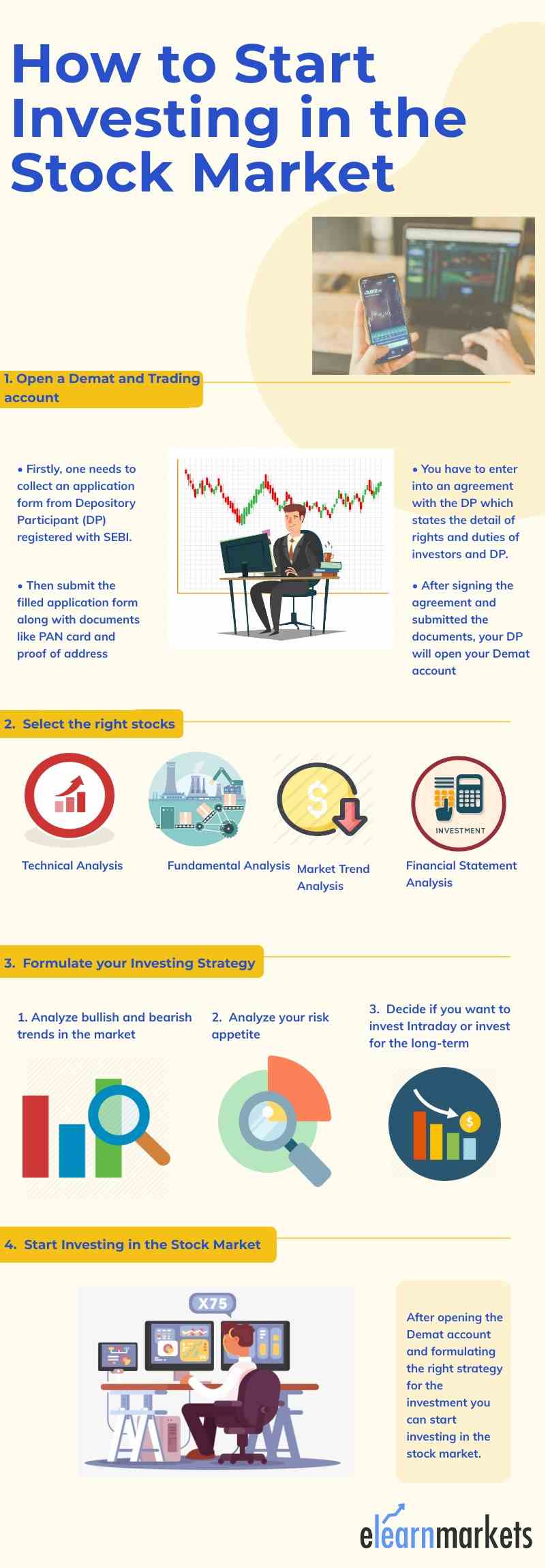
Before buying a stock or fund, review its “prospectus” or financial statements. Look for consistent revenue growth, manageable debt levels, and a competitive advantage in the marketplace.
When you are ready to buy, you will encounter two primary order types:
- Market Order: An instruction to buy or sell a stock immediately at the current best available price.
- Limit Order: An instruction to buy or sell a stock only at a specific price or better. This gives you more control over what you pay but may result in the trade not being executed if the price doesn’t hit your target.
Staying Disciplined Amid Market Volatility
The stock market does not move in a straight line. There will be “corrections” (10% drops) and “bear markets” (20% or more drops). The history of the stock market shows that it has recovered from every single downturn it has ever faced.
The greatest threat to your portfolio isn’t a market crash; it is your own reaction to it. Selling in a panic turns “paper losses” into “realized losses.” To succeed, you must adopt a long-term mindset, viewing market dips as opportunities to buy shares at a discount rather than reasons to flee.
Portfolio Rebalancing and Monitoring
While you shouldn’t obsess over daily price movements, you should review your portfolio at least once or twice a year. Over time, some investments will grow faster than others, shifting your intended asset allocation. Rebalancing involves selling a portion of your “winners” and buying more of your “underperformers” to bring your portfolio back to its target mix. This disciplined process forces you to follow the golden rule of investing: buy low and sell high.
Conclusion
Investing in the stock market is a marathon, not a sprint. By prioritizing financial health, choosing the right accounts, and remaining disciplined through diversification and regular contributions, you can harness the power of compounding interest to build significant wealth. The best time to start was ten years ago; the second best time is today. Start small, stay consistent, and let time do the heavy lifting for your financial future.
aViewFromTheCave is a participant in the Amazon Services LLC Associates Program, an affiliate advertising program designed to provide a means for sites to earn advertising fees by advertising and linking to Amazon.com. Amazon, the Amazon logo, AmazonSupply, and the AmazonSupply logo are trademarks of Amazon.com, Inc. or its affiliates. As an Amazon Associate we earn affiliate commissions from qualifying purchases.