
Investing in the stock market can seem like a daunting endeavor for the uninitiated. The jargon, the perceived risk, and the sheer volume of information often deter individuals from taking the plunge. However, understanding how to invest in the stock market is a fundamental skill for building wealth, combating inflation, and securing your financial future. It’s not about getting rich quick, but rather about consistent, informed decisions that leverage the power of compounding over time. This comprehensive guide will demystify the process, providing a clear roadmap for anyone looking to embark on their investment journey.
Understanding the Fundamentals of Stock Market Investing
Before diving into specific strategies, it’s crucial to grasp the foundational concepts that underpin stock market investing. A solid understanding here will equip you with the knowledge to make confident and informed decisions.
What is the Stock Market?
At its core, the stock market is a network of exchanges where buyers and sellers trade shares of publicly listed companies. When you buy a stock, you’re purchasing a tiny fraction of ownership in that company. Companies issue stocks to raise capital, which they then use to fund operations, expand, or develop new products. The price of these shares fluctuates based on supply and demand, company performance, economic conditions, and investor sentiment.
Why Invest in Stocks?
Investing in stocks offers several compelling advantages that make it a cornerstone of long-term wealth creation:
- Potential for Growth: Historically, stocks have outperformed most other asset classes over extended periods. This growth comes from both the appreciation of the stock’s price and, in some cases, dividends paid out by profitable companies.
- Inflation Hedge: Inflation erodes the purchasing power of cash over time. Stock investments, particularly in growing companies, tend to keep pace with or outpace inflation, protecting your wealth.
- Diversification: While stocks can be volatile, they offer a different risk/reward profile than bonds or real estate, allowing for a diversified portfolio that balances risk.
Key Terminology
Familiarizing yourself with common investment terms will make your journey smoother:
- Stocks/Shares: Units of ownership in a company.
- Dividends: A portion of a company’s profits paid out periodically to shareholders.
- Capital Gains: The profit you make when you sell a stock for more than you paid for it.
- Market Volatility: The degree of variation of a trading price series over time. High volatility means prices can change dramatically in a short period.
- Bull Market: A market condition where prices are rising or expected to rise.
- Bear Market: A market condition where prices are falling or expected to fall.
Preparing for Your Investment Journey
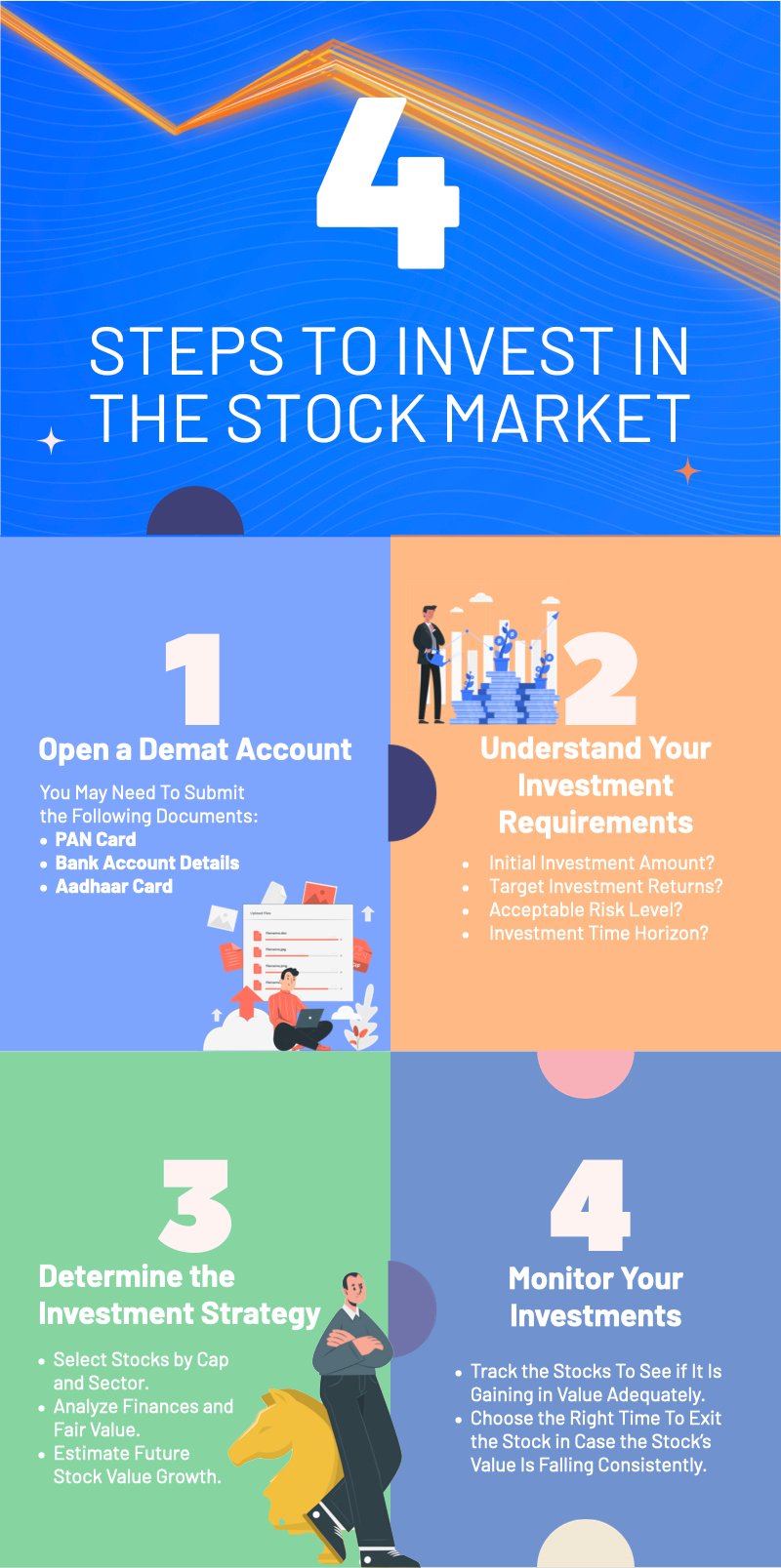
Successful investing isn’t just about picking the right stocks; it begins with proper financial planning and self-assessment. Laying a robust foundation ensures you’re investing wisely and responsibly.
Define Your Financial Goals and Risk Tolerance
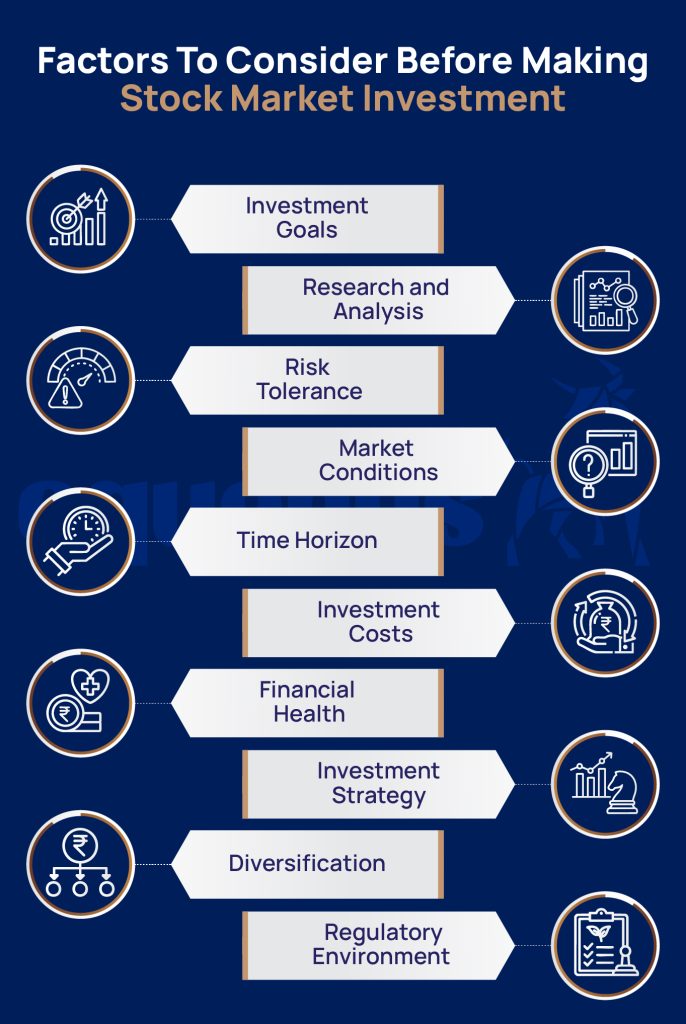
Before investing a single dollar, clarify why you’re investing. Are you saving for retirement, a down payment on a house, your child’s education, or something else? Your goals will dictate your investment horizon (short-term vs. long-term) and, consequently, the level of risk you might be comfortable taking.
Your risk tolerance is crucial. It’s your ability and willingness to endure potential losses in exchange for higher returns. A young investor with a long horizon might tolerate more risk, while someone close to retirement might prefer a more conservative approach. Be honest with yourself about how you’d react to market downturns.
Building an Emergency Fund
This is non-negotiable. Before you invest in volatile assets like stocks, ensure you have an emergency fund covering 3-6 months of living expenses saved in a high-yield savings account. This fund acts as a financial safety net, preventing you from having to sell investments at a loss if an unexpected expense arises.
Budgeting and Saving for Investments
Investing consistently is key. Develop a budget that allows you to allocate a specific amount to savings and investments each month. Treat this contribution like any other essential bill. The earlier you start and the more consistently you invest, the more you benefit from the power of compound interest.
Opening a Brokerage Account
To buy and sell stocks, you’ll need a brokerage account. These accounts are offered by financial institutions (online brokers are popular choices).
- Individual Taxable Accounts: These are general investment accounts where you pay taxes on capital gains and dividends annually.
- Retirement Accounts (e.g., 401(k), IRA): These accounts offer significant tax advantages (tax-deferred growth or tax-free withdrawals in retirement) and are often the first place people should consider investing, especially if their employer offers a 401(k) match.
When choosing a broker, consider fees (commissions, account maintenance), available investment products, research tools, customer service, and ease of use.
Investment Strategies for Beginners and Beyond
Once you’re financially prepared and have an account open, it’s time to explore various investment strategies. The best approach often involves a combination tailored to your goals and risk tolerance.
Passive Investing (Index Funds, ETFs)
For most beginners, passive investing is the recommended starting point. This strategy involves investing in funds that track a specific market index (like the S&P 500) rather than trying to beat the market.
- Index Funds: Mutual funds that aim to mirror the performance of a specific market index. They offer broad diversification at a low cost.
- Exchange-Traded Funds (ETFs): Similar to index funds but trade like individual stocks on an exchange throughout the day. They often have lower expense ratios than traditional mutual funds.
Passive investing relies on the long-term upward trend of the overall market, requiring less time and research than active investing.
Active Investing (Individual Stock Picking, Research)
Active investing involves researching and selecting individual stocks with the aim of outperforming the market. This strategy requires significantly more time, effort, and expertise. You’ll need to analyze company financials (revenue, earnings, debt), management teams, industry trends, and competitive landscapes. While it offers the potential for higher returns, it also carries higher risk and is generally not recommended for novice investors without substantial research and understanding.
Diversification: The Golden Rule
“Don’t put all your eggs in one basket.” This adage is paramount in investing. Diversification means spreading your investments across different assets, industries, and geographies to minimize risk. If one investment performs poorly, others might perform well, balancing your overall portfolio. This applies to both individual stocks (don’t own just one company) and broader asset classes (combine stocks with bonds, for example).
Dollar-Cost Averaging
This is a powerful strategy for reducing risk, especially in volatile markets. Dollar-cost averaging involves investing a fixed amount of money at regular intervals (e.g., $100 every month), regardless of the stock’s price. When prices are high, your fixed amount buys fewer shares; when prices are low, it buys more. Over time, this strategy averages out your purchase price, reducing the impact of market fluctuations and removing emotional decision-making.
Long-Term vs. Short-Term Investing
- Long-Term Investing: The most common and generally recommended approach, focusing on growth over many years (5+ years). This allows investments to ride out market downturns and benefit from compounding.
- Short-Term Investing (Trading): Involves frequent buying and selling of stocks to profit from quick price movements. This is highly speculative, extremely risky, and akin to gambling for most individuals. It requires deep market knowledge, advanced tools, and a high tolerance for stress and potential losses.
Navigating the Investment Landscape: Tools and Resources
The modern investor has access to an unprecedented array of tools and information. Utilizing these wisely can enhance your investment success.
Brokerage Platforms
Modern online brokerage platforms have democratized investing. Leading platforms offer user-friendly interfaces, commission-free trading for stocks and ETFs, extensive research tools, educational content, and mobile apps. Compare features like charting capabilities, screening tools, access to analyst reports, and customer support when making your choice. Examples include Fidelity, Charles Schwab, Vanguard, E*TRADE, and Robinhood (though Robinhood’s simpler interface might lack the depth for advanced users).
Financial Advisors vs. Self-Directed Investing
- Self-Directed Investing: Ideal for those willing to learn, research, and manage their own portfolios. It offers full control and saves on advisory fees.
- Financial Advisors: Can be invaluable for those who lack the time, confidence, or expertise to manage their investments. They can help define goals, create a personalized investment plan, and provide ongoing guidance. Be mindful of their fee structure (fee-only advisors are often preferred as they have no incentive to push certain products). Robo-advisors (e.g., Betterment, Wealthfront) offer a hybrid approach, using algorithms to manage diversified portfolios at a lower cost than human advisors.
Continuous Learning and Research
The stock market is dynamic, and continuous learning is paramount.
- Financial News: Stay informed by following reputable financial news sources (e.g., The Wall Street Journal, Bloomberg, Financial Times, CNBC).
- Books and Online Courses: There’s a wealth of knowledge available from investment classics to modern financial literacy courses.
- Company Filings: For active investors, understanding how to read annual reports (10-K), quarterly reports (10-Q), and other SEC filings is crucial for in-depth company analysis.
Understanding Market Cycles and Economic Indicators
The stock market doesn’t move in a straight line. It experiences cycles of expansion and contraction, influenced by broader economic indicators like interest rates, inflation, GDP growth, and employment figures. While timing the market is notoriously difficult and generally ill-advised for long-term investors, understanding these cycles can help contextualize market movements and prevent panic selling during downturns.
Common Pitfalls and How to Avoid Them
Even experienced investors fall prey to common mistakes. Being aware of these traps can help you navigate the market more effectively.
Emotional Investing
Fear and greed are powerful emotions that can lead to poor investment decisions. Buying into “hype” or selling off during a market crash often results in buying high and selling low. Stick to your investment plan, maintain a long-term perspective, and resist the urge to react impulsively to short-term market fluctuations.
Chasing Hot Stocks
Every now and then, a stock generates massive buzz and rapid price appreciation. While tempting, chasing these “hot stocks” often means buying at the peak, just before a correction. Focus on fundamentals and long-term value rather than speculative fads.
Ignoring Diversification
As emphasized earlier, putting all your capital into a single stock or a small number of related stocks exposes you to immense risk. A single company’s misfortune could wipe out a significant portion of your portfolio. Always diversify across different assets and sectors.
Lack of Patience
Investing is a marathon, not a sprint. Significant wealth creation through stocks typically takes years, even decades. Resist the urge to constantly check your portfolio or expect immediate substantial returns. Market downturns are a natural part of the cycle; patient investors who hold through these periods often reap the greatest rewards.
Over-Leveraging (Using Margin)
Using borrowed money (margin) to buy stocks amplifies both gains and losses. While it can accelerate returns in a rising market, it can lead to catastrophic losses if the market turns, potentially forcing you to sell holdings at a loss to cover your debt. For most investors, particularly beginners, margin trading should be strictly avoided.
Investing in the stock market is a journey of continuous learning and disciplined execution. By understanding the fundamentals, preparing diligently, adopting sound strategies, leveraging available tools, and avoiding common pitfalls, you can confidently build a robust investment portfolio that serves your long-term financial aspirations. Start small, stay consistent, and let time and compounding be your allies in the pursuit of financial freedom.
aViewFromTheCave is a participant in the Amazon Services LLC Associates Program, an affiliate advertising program designed to provide a means for sites to earn advertising fees by advertising and linking to Amazon.com. Amazon, the Amazon logo, AmazonSupply, and the AmazonSupply logo are trademarks of Amazon.com, Inc. or its affiliates. As an Amazon Associate we earn affiliate commissions from qualifying purchases.