
The dream of business ownership often conjures images of innovative startups and groundbreaking ideas. However, for many aspiring entrepreneurs, the path to owning a thriving enterprise lies not in building from scratch, but in acquiring an existing business. Buying an established company offers distinct advantages: a proven concept, existing customer base, established revenue streams, and a trained workforce. Yet, this path is fraught with complexities, primarily financial, requiring meticulous planning, rigorous due diligence, and a deep understanding of business finance. This guide will walk you through the essential steps, ensuring you approach this significant investment with confidence and clarity, safeguarding your capital and setting the stage for future success.

1. Laying the Financial Foundation: Are You Ready to Buy?
Before you even begin scouting for businesses, the most critical step is an honest and thorough assessment of your own financial readiness. Buying a business is a substantial financial commitment, impacting not just your professional life but also your personal financial landscape.
Personal Financial Health Check
Start by scrutinizing your personal financial position. This involves a comprehensive review of your assets (savings, investments, property), liabilities (mortgages, personal loans, credit card debt), and overall net worth. Understanding your personal cash flow – how much you spend versus how much you earn – is also crucial. Assess your risk tolerance: are you comfortable leveraging personal assets or taking on significant debt? This self-assessment helps determine the maximum financial exposure you can comfortably bear without jeopardizing your personal stability. It’s also vital to mentally and practically begin separating your personal finances from your potential business finances, even at this early stage, to prevent commingling and ensure clear financial boundaries.
Defining Your Investment Capacity
Once your personal finances are clear, you can realistically define your investment capacity for a business acquisition. This isn’t just about the purchase price; it includes the down payment, the working capital needed to operate the business post-acquisition, and a contingency fund for unexpected expenses. Many buyers overlook the importance of post-acquisition reserves, which are essential for navigating the initial transition period without immediate financial strain. Consider what percentage of the purchase price you can fund directly from your personal capital versus what will require external financing. Engaging a financial advisor at this stage can provide invaluable objective insights into your capacity, helping you set realistic budgets and explore various funding scenarios tailored to your situation. They can also help you understand the tax implications of different investment structures and debt financing options.
2. Identifying the Right Opportunity: Financial Due Diligence & Valuation
With your financial foundation established, the next phase involves identifying potential businesses and, more critically, rigorously evaluating their financial health to ensure you’re making a sound investment.
Criteria for Business Selection
Your search for a business should be guided by a clear set of financial and operational criteria. Consider industries that genuinely interest you and where you might have relevant experience, as this can translate into better operational and financial oversight. Look for businesses with a history of stable revenue and profitability, ideally showing growth trends. What size of business are you targeting, both in terms of revenue and number of employees? A larger business might offer greater potential but also demand more significant capital and management experience. Assess the operational complexity and whether it aligns with your skill set. Ultimately, the goal is to find a business whose financial profile and operational demands match your investment capacity and entrepreneurial vision.
Understanding Business Valuation
Valuation is the cornerstone of any business acquisition. It’s the process of determining the economic value of an owner’s interest in a business. Common valuation methods include:
- Multiples of Earnings: Often based on Earnings Before Interest, Taxes, Depreciation, and Amortization (EBITDA) or Seller’s Discretionary Earnings (SDE).
- Asset-Based Valuation: Suitable for businesses with significant tangible assets, such as manufacturing companies.
- Discounted Cash Flow (DCF): Projecting future cash flows and discounting them back to a present value.
- Market Approach: Comparing the business to similar businesses that have recently been sold.
A professional business valuation is highly recommended to ensure you’re offering a fair price and not overpaying. This expertise can uncover hidden value or identify overinflated claims by the seller.
Deep Dive into Financial Records
Once a target business is identified, the most critical part of due diligence begins: meticulously examining its financial records. You’ll need access to several years (typically 3-5) of:
- Profit & Loss (P&L) Statements: To understand revenue trends, gross margins, operating expenses, and net profit. Look for consistent profitability and reasonable expense ratios.
- Balance Sheets: To assess assets (cash, accounts receivable, inventory, fixed assets) and liabilities (accounts payable, debt). This reveals the company’s financial structure and solvency.
- Cash Flow Statements: Crucial for understanding how cash is generated and used by the business, independent of accrual accounting adjustments. Positive operating cash flow is a strong indicator of financial health.
Your goal is to verify the accuracy of the seller’s claims, identify any inconsistencies, and understand the true financial performance and underlying economics of the business. Be wary of “owner add-backs” that seem excessive or unverified. Red flags might include declining revenues, erratic profitability, high customer concentration, unmanageable debt levels, or unusually high owner compensation relative to the business’s size.
3. Securing Funding: Navigating Your Financing Options
Very few buyers can fund an entire business acquisition from personal savings alone. Understanding and securing the right financing is often the most challenging, yet critical, step in the acquisition process.
Self-Funding and Personal Investment
Leveraging your own savings or personal assets (such as home equity loans or lines of credit) offers the distinct advantage of maintaining full control over the business and avoiding interest payments to external lenders. However, it also concentrates all the risk on your personal finances. While a strong personal investment signals commitment to lenders, it’s wise to strike a balance, ensuring you don’t deplete all your personal liquidity, which could leave you vulnerable in case the business faces unexpected challenges post-acquisition.

Traditional Bank Loans and SBA Loans
Traditional banks are a common source of acquisition financing, particularly for established businesses with a solid track record. They typically require a robust business plan, a significant down payment (often 20-30%), and collateral. The Small Business Administration (SBA) loan program, specifically SBA 7(a) loans, is a popular option for buyers, as it reduces risk for lenders by guaranteeing a portion of the loan. This often makes it easier for buyers to qualify, especially if they have limited collateral or are acquiring a business where the seller isn’t offering financing. SBA loans usually have favorable terms, including lower down payments and longer repayment periods, but involve a more extensive application process.
Seller Financing and Other Creative Solutions
Seller financing, where the seller provides a loan to the buyer for a portion of the purchase price, is a powerful tool. It demonstrates the seller’s confidence in the business’s future, often makes the deal more affordable for the buyer, and can bridge the gap between bank financing and the purchase price. However, ensure the terms are reasonable and that you’re not solely reliant on the seller, which could create conflicts of interest. Other options include private investors, who might provide capital in exchange for equity, or even syndication, where a group of investors pools resources. While less common for smaller business acquisitions, these can be viable for larger deals or those with significant growth potential that appeal to angel investors or venture capitalists.
4. The Negotiation and Closing Process: Protecting Your Investment
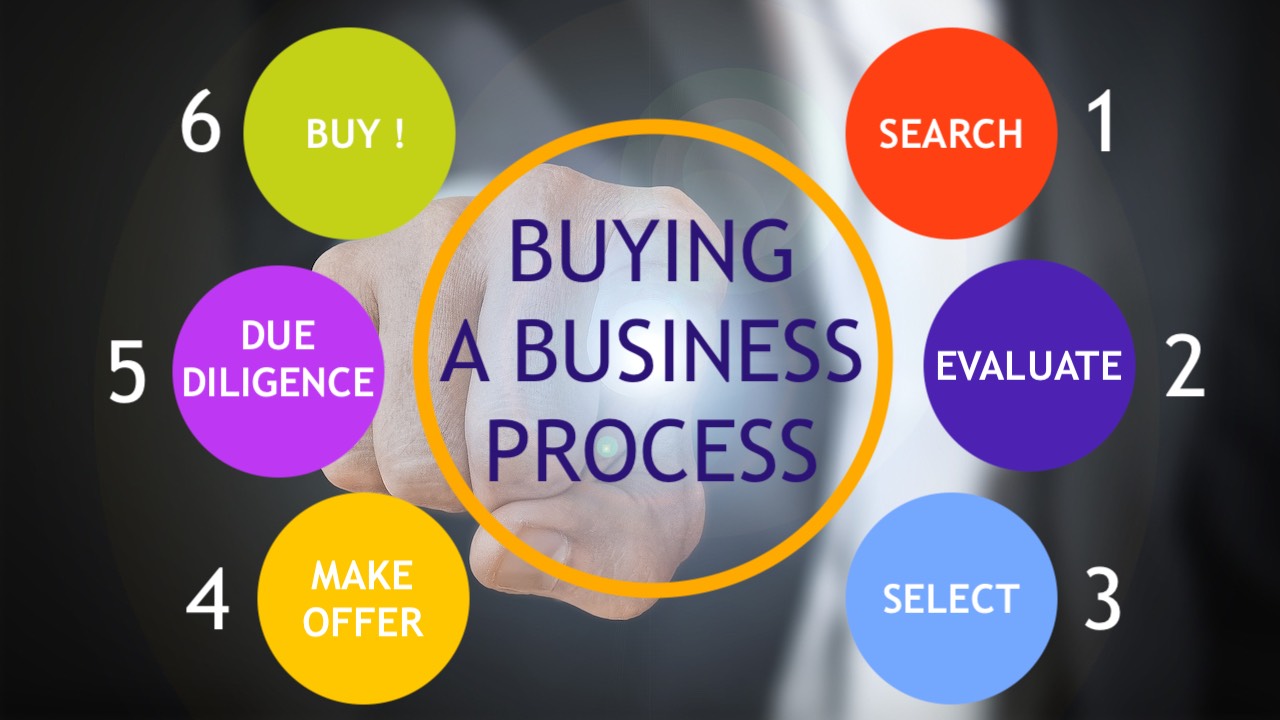
Once you’ve identified a target business and secured potential funding, the journey moves into the negotiation and intricate legal and financial closing stages. This is where professional guidance becomes indispensable.
Crafting a Competitive Offer
Your offer should be based on your thorough valuation and due diligence findings, reflecting the business’s true financial health and market value. It should include not just the purchase price, but also the proposed terms, such as the amount of cash down, the financing structure, and any contingencies. Crucial contingencies might include a satisfactory final due diligence review, securing third-party financing, and the seller agreeing to a non-compete clause. A well-structured offer protects your interests and provides a clear roadmap for the transaction.
Legal and Accounting Diligence
Before signing any definitive agreements, you must engage specialized legal and accounting professionals. Your business attorney will review all contracts, including the asset purchase agreement or stock purchase agreement (understanding the difference is vital for tax and liability implications), leases, vendor contracts, and employment agreements. They will also ensure all legal requirements are met and protect you from unforeseen liabilities. An accountant will conduct a final, comprehensive financial audit, verifying all figures and ensuring no financial surprises emerge during the closing process. They will also advise on tax implications of the purchase structure and assist with setting up initial accounting systems for your new business.
Finalizing the Deal and Transition
The closing is the culmination of the acquisition process, where all legal documents are signed, and funds are transferred. An escrow agent often facilitates this to ensure all conditions are met before money changes hands. Post-closing, the immediate focus shifts to the transition of ownership. This involves formally taking control of operations, retaining key employees, communicating with customers and suppliers, and integrating financial systems. A well-planned transition minimizes disruption, retains goodwill, and ensures the continued financial viability of the acquired business from day one.
5. Post-Acquisition Financial Management: Sustaining and Growing Your Investment
Acquiring a business is just the beginning. The real work, and the true test of your financial acumen, lies in how you manage and grow your new asset.
Immediate Financial Priorities
As the new owner, your immediate financial priorities are paramount. Establish new banking relationships for the business, ensuring a clear separation from your personal accounts. Implement robust accounting systems from the outset, ideally with the help of your accountant, to track all revenue and expenses. Your most critical task will be managing cash flow, ensuring there’s enough liquidity to cover operational costs, pay employees, and service any acquisition debt. Understand all existing financial obligations, including outstanding invoices, loan payments, and tax liabilities, to avoid any immediate financial shocks.
Strategic Financial Planning for Growth
Beyond day-to-day management, focus on strategic financial planning to optimize and grow your investment. Develop a comprehensive budget and financial forecasts for at least the next 1-3 years. Identify opportunities for cost optimization, such as renegotiating supplier contracts or streamlining operational processes. Simultaneously, explore avenues for revenue enhancement, perhaps through new product lines, expanding market reach, or refining pricing strategies. Continuously monitor key performance indicators (KPIs) relevant to your business, such as gross profit margin, customer acquisition cost, employee productivity, and return on investment. Regular financial reviews and adjustments will be crucial to ensure the business remains financially healthy and on track to achieve your growth objectives.
Conclusion
Buying a business is a complex yet potentially highly rewarding journey, offering a powerful shortcut to entrepreneurial success. While the allure of immediate cash flow and a ready-made operation is strong, the path requires meticulous financial planning, rigorous due diligence, and a deep understanding of business finance at every turn. From assessing your personal financial readiness and accurately valuing a target business to navigating financing options and meticulously closing the deal, each step is an investment in your future. By leveraging professional advice and maintaining a vigilant financial perspective, you can confidently acquire your entrepreneurial dream, transforming an existing enterprise into a thriving testament to your vision and strategic financial stewardship.
aViewFromTheCave is a participant in the Amazon Services LLC Associates Program, an affiliate advertising program designed to provide a means for sites to earn advertising fees by advertising and linking to Amazon.com. Amazon, the Amazon logo, AmazonSupply, and the AmazonSupply logo are trademarks of Amazon.com, Inc. or its affiliates. As an Amazon Associate we earn affiliate commissions from qualifying purchases.