
Starting a little business is often envisioned as a path to greater autonomy, a creative outlet, or a means to supplement income. However, at its core, embarking on this entrepreneurial journey is fundamentally a financial endeavor. It’s about strategically allocating resources, generating income, managing expenses, and ultimately building a sustainable financial future. This guide will delve into the critical monetary aspects of launching and growing your small enterprise, ensuring your venture is not just a passion project, but a robust engine for financial independence.
In an economic landscape increasingly favoring agility and innovation, the concept of a “little business” holds immense appeal. It suggests a manageable scale, lower initial capital requirements, and a quicker path to profitability compared to traditional large-scale enterprises. Yet, “little” does not equate to “financially simple.” Success hinges on a keen understanding of personal finance, business finance principles, income generation strategies, and judicious financial planning from day one.
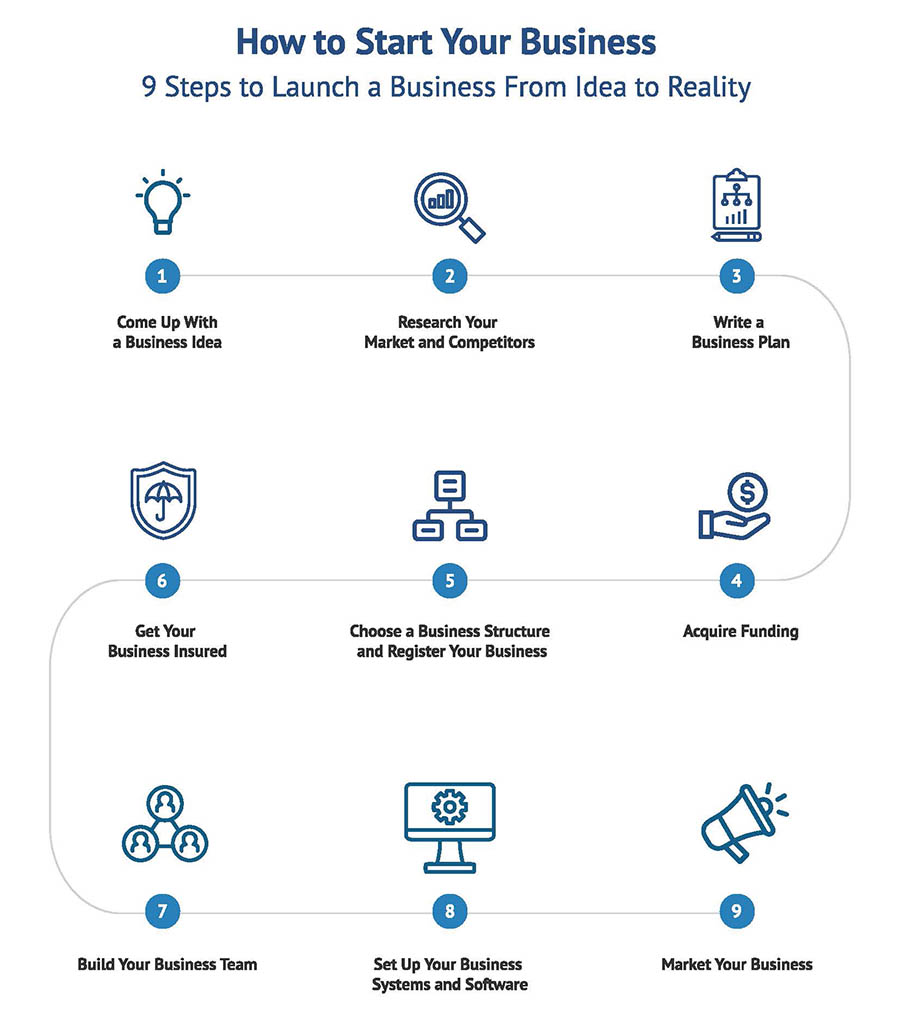
Laying the Financial Foundation for Your Venture
Before a single product is sold or a service rendered, the financial groundwork must be meticulously laid. This initial phase is about understanding your personal financial readiness and developing a lean, robust financial model for your nascent business.
Assessing Personal Financial Readiness
The decision to start a business often comes with inherent financial risks, particularly if you’re transitioning from a stable job. It’s crucial to evaluate your personal financial health before your business takes its first breath. This involves understanding your personal burn rate – how much you need to live comfortably each month – and ensuring you have sufficient personal savings to cover several months of living expenses (ideally 6-12 months) without drawing a salary from your new venture. This personal financial buffer provides invaluable peace of mind, allowing you to focus on the business without the immediate pressure of having it generate a full-time income from day one. Consider establishing a clear boundary between personal and business finances from the outset to avoid common pitfalls. This means separate bank accounts, and ideally, separate credit cards.
Developing a Lean Business Model & Budget
A “little business” thrives on efficiency. This necessitates a lean business model, focusing on delivering core value with minimal overhead. Your initial business plan, even if informal, must include a realistic financial projection. This budget should detail all anticipated startup costs (e.g., website development, initial inventory, tools, legal fees) and ongoing operational expenses (e.g., rent, utilities, marketing, software subscriptions). The goal is to identify the absolute essentials and rigorously prune anything non-critical. For instance, instead of renting an office immediately, can you operate from home? Can you leverage free or low-cost online tools instead of expensive software? A granular understanding of your “cash burn” – how quickly your initial capital will be depleted – is vital. This early budget serves as your financial roadmap, guiding decisions and preventing unnecessary spending.
Pricing Strategies for Profit
One of the most critical financial decisions for any new business is how to price its products or services. This isn’t merely about covering costs; it’s about reflecting value, positioning your brand in the market, and ensuring profitability. Common pricing strategies include cost-plus pricing (cost of goods/service + desired profit margin), value-based pricing (what the customer perceives the value to be), or competitive pricing (matching or beating competitors). For a little business, understanding your true cost of goods sold (COGS) or cost of service is paramount. This includes not just materials, but also your time. Underpricing can lead to rapid burnout and unsustainable operations, while overpricing might deter customers. A balanced approach, often starting with a thorough competitor analysis and an understanding of your target market’s willingness to pay, is essential to establish a profitable and sustainable pricing structure.
Funding Your Small Business Dream
Even a “little business” often requires some capital to get off the ground. The beauty of a small venture is that these funding needs are typically much lower than traditional startups, opening the door to more accessible and less dilutive funding avenues.
Bootstrapping and Self-Funding
For many aspiring entrepreneurs, bootstrapping is the gold standard. This means funding your business primarily from personal savings, credit cards (used judiciously and paid off quickly), or by reinvesting early profits. Bootstrapping forces extreme financial discipline, encouraging a focus on revenue generation from day one and minimizing unnecessary expenditures. It also means you retain full ownership and control of your business, avoiding the complexities and demands of external investors. This approach aligns perfectly with the ethos of a “little business,” emphasizing lean operations and self-reliance. It often requires starting small, validating your concept with minimal investment, and gradually expanding as revenue allows.
Exploring Low-Cost Startup Options
The digital age has democratized entrepreneurship, offering numerous avenues to start a business with minimal upfront investment. Consider online businesses that require little to no physical inventory (e.g., drop-shipping, digital products, consulting, online courses, affiliate marketing). Service-based businesses often only require your expertise and basic tools. Freelancing, a quintessential “little business,” can be launched with just a laptop and an internet connection. Research opportunities that leverage your existing skills and resources, minimizing the need for substantial capital outlay. The emphasis should always be on identifying and capitalizing on the lowest-cost path to market validation and initial revenue generation.
Accessing Microloans and Grants
While bootstrapping is ideal, sometimes a small injection of external capital can accelerate growth or cover essential initial costs. Microloans, typically small loans (under $50,000) offered by non-profit organizations or community development financial institutions (CDFIs), are specifically designed for small businesses and often have more flexible terms than traditional bank loans. They are particularly accessible for businesses that might not qualify for conventional bank financing. Additionally, various government agencies and private foundations offer grants for specific types of businesses (e.g., women-owned, minority-owned, environmentally friendly, or those in particular industries). While grants are competitive and often come with strict reporting requirements, they represent “free money” that doesn’t need to be repaid, making them an attractive option for certain ventures. Thorough research into local, state, and federal programs is recommended.
Maximizing Profitability and Managing Cash Flow
Once your business is operational, the focus shifts to ensuring it not only generates revenue but does so profitably and sustainably. Effective cash flow management is the lifeblood of any small business.
Understanding Key Financial Metrics
To maximize profitability, you must understand your business’s financial heartbeat. Key performance indicators (KPIs) like gross profit margin (revenue minus cost of goods sold), net profit margin (the percentage of revenue left after all expenses), break-even point (the sales volume needed to cover all costs), and customer acquisition cost (CAC) are indispensable. Regularly tracking these metrics allows you to identify what’s working and what isn’t. For instance, a declining gross profit margin might indicate issues with pricing or supplier costs, while a rising CAC could signal ineffective marketing. Financial statements – the income statement, balance sheet, and cash flow statement – are not just for accountants; they are vital management tools that offer a comprehensive snapshot of your business’s financial health and performance.
Effective Expense Management
Maintaining profitability often comes down to disciplined expense management. For a “little business,” every dollar counts. Regularly review all your expenditures, identifying areas where costs can be reduced or optimized without compromising quality or essential operations. Can you negotiate better deals with suppliers? Are there software subscriptions you no longer use? Can you automate tasks to reduce labor costs? Consider fixed versus variable costs; variable costs often offer more flexibility for reduction in leaner times. Cultivating a culture of financial awareness within your business, even if it’s just you, will lead to more mindful spending decisions and a healthier bottom line. Lean operations should be an ongoing philosophy, not just a startup tactic.
Strategizing for Sustainable Revenue Growth
While cutting costs helps profitability, sustainable growth comes from increasing revenue. For a little business, this might involve diversifying product/service offerings, expanding into new markets, improving customer retention, or optimizing marketing efforts. Consider strategies that offer high return on investment (ROI) without significant upfront costs, such as leveraging social media, email marketing, or building strong customer relationships to drive word-of-mouth referrals. Analyze your customer data to understand purchasing patterns and identify opportunities for upsells or cross-sells. The goal is to build a predictable and repeatable sales process that can scale with your business while maintaining healthy profit margins.
Navigating the Financial Landscape: Legal and Tax Considerations
The financial responsibility of a business extends beyond income and expenses to include compliance with legal and tax regulations. Neglecting these aspects can lead to significant financial penalties and operational disruptions.
Choosing the Right Business Structure
The legal structure you choose for your little business has significant financial and tax implications. Common options include Sole Proprietorship, Partnership, Limited Liability Company (LLC), and S Corporation. A Sole Proprietorship is the simplest, but it offers no personal liability protection, meaning your personal assets could be at risk if the business incurs debt or faces legal action. An LLC provides personal liability protection and offers flexibility in taxation, often being the preferred choice for many small business owners. S Corporations can offer tax advantages for certain businesses by allowing owners to pay themselves a reasonable salary and distribute remaining profits as dividends, which are not subject to self-employment taxes. Consulting with a financial advisor or tax professional is crucial to select the structure that best aligns with your business goals, risk tolerance, and tax optimization strategy.
Understanding Tax Obligations
Taxes are an unavoidable financial reality for any business. As a business owner, you’ll likely be responsible for income tax, self-employment tax (Social Security and Medicare), and potentially sales tax, payroll tax (if you hire employees), and excise taxes. Understanding these obligations and planning for them is critical to avoid year-end surprises. For sole proprietors and single-member LLCs, estimated quarterly taxes are often required. Failure to pay these on time can result in penalties. Moreover, understanding allowable business deductions (e.g., home office expenses, business travel, professional development, advertising) is essential for minimizing your taxable income. Maintaining meticulous financial records is not just good practice; it’s a legal requirement and your best defense in case of an audit.
Essential Financial Record-Keeping
Robust financial record-keeping is the bedrock of sound financial management and compliance. This includes maintaining accurate records of all income and expenses, bank statements, receipts, invoices, and payroll records. Utilizing accounting software (like QuickBooks, Xero, or even simple spreadsheets for very small ventures) can streamline this process, making it easier to track transactions, generate financial reports, and prepare for tax season. Good records enable you to monitor your business’s financial health, make informed decisions, identify trends, and accurately calculate tax liabilities. It also simplifies the process of applying for loans or attracting investors should you choose to scale in the future. Investing time in setting up an organized financial system from the beginning will save countless hours and potential headaches down the line.
Starting a little business is an exciting venture, brimming with potential for personal and professional growth. By prioritizing the financial aspects – from foundational planning and funding to profit maximization, cash flow management, and meticulous compliance – you lay the groundwork for a resilient, profitable, and truly independent enterprise. Your “little business” can indeed become a powerful engine for achieving significant financial milestones, provided you approach it with a sharp focus on monetary strategy and discipline.
aViewFromTheCave is a participant in the Amazon Services LLC Associates Program, an affiliate advertising program designed to provide a means for sites to earn advertising fees by advertising and linking to Amazon.com. Amazon, the Amazon logo, AmazonSupply, and the AmazonSupply logo are trademarks of Amazon.com, Inc. or its affiliates. As an Amazon Associate we earn affiliate commissions from qualifying purchases.