
Shake Shack, the beloved fast-casual burger chain, has captivated taste buds and built a formidable brand presence since its humble beginnings as a hot dog cart in Madison Square Park. Its iconic green-and-white aesthetic, commitment to quality ingredients, and consistently long queues speak to a potent recipe for success. Yet, beyond the allure of its ShackBurgers and crinkle-cut fries, a fundamental question often arises among casual diners and astute observers alike: “Who actually owns the Shake Shack?” The answer, far from being a simple name or entity, delves into the intricate world of finance, public markets, and the distribution of wealth, firmly placing this inquiry within the domain of Money.
Understanding the ownership of a company like Shake Shack requires a journey from its entrepreneurial origins to its current status as a publicly traded powerhouse, dissecting the roles of founders, institutional investors, and the everyday shareholders who collectively hold a stake in its future. It’s a testament to how successful ventures often transition from private dreams to publicly shared enterprises, fundamentally altering their financial structure and strategic imperatives.
From Hot Dog Cart to Publicly Traded Powerhouse
Shake Shack’s trajectory from a modest urban eatery to a global phenomenon is a classic American success story, meticulously crafted by a visionary entrepreneur before its ownership became democratized through the stock market. Its evolution underscores the critical financial decisions that shape a company’s destiny.
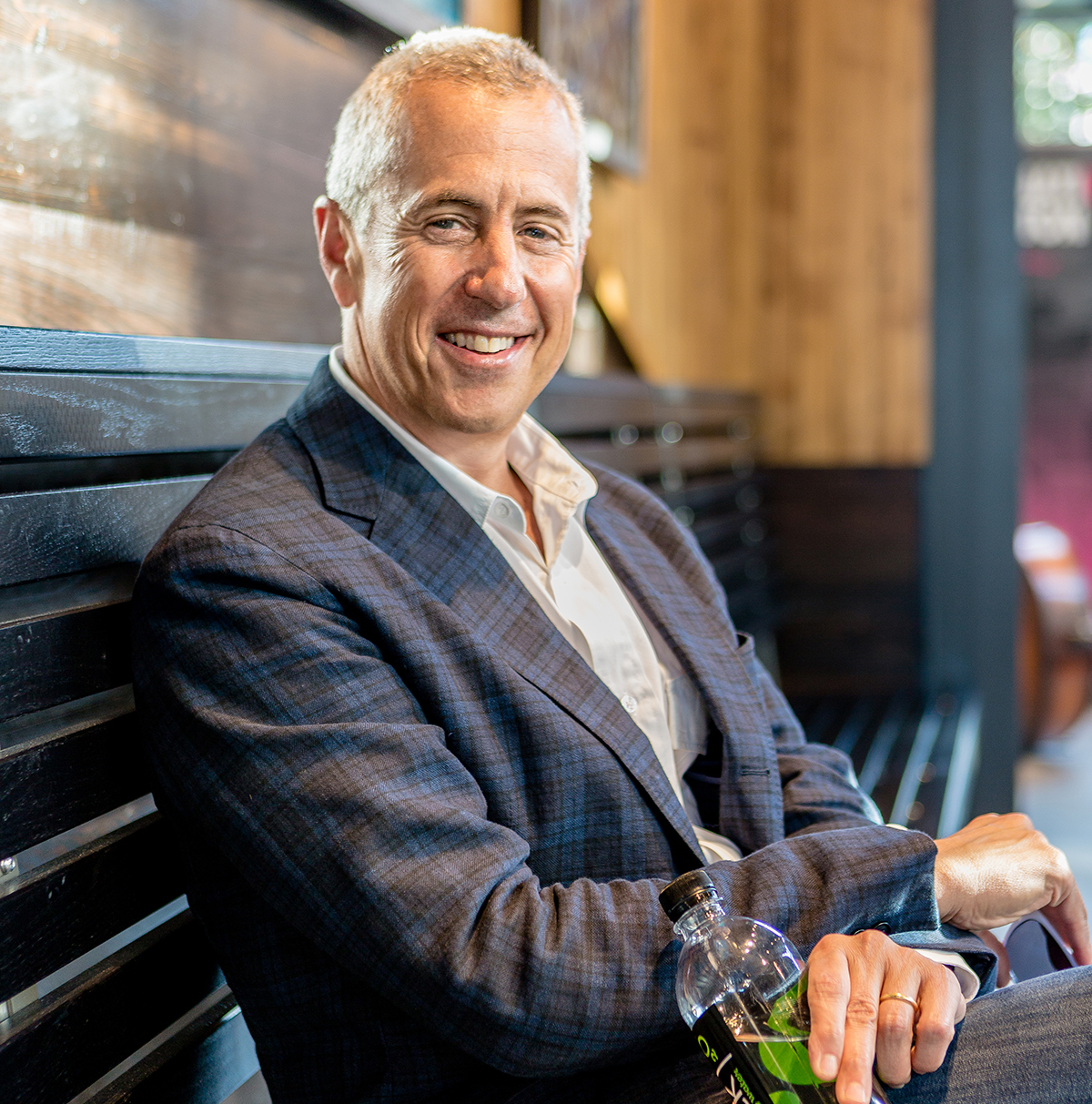
The Visionary Founder: Danny Meyer and Union Square Hospitality Group (USHG)
The genesis of Shake Shack traces back to 2001 when renowned restaurateur Danny Meyer, founder of Union Square Hospitality Group (USHG), launched a hot dog cart in New York City’s Madison Square Park to support the park’s first art installation. This philanthropic endeavor unexpectedly blossomed into a sensation, prompting Meyer to envision a permanent kiosk. In 2004, the first official Shake Shack opened, quickly becoming a cult favorite for its gourmet burgers, hot dogs, frozen custard, and a commitment to hospitality.
USHG, Meyer’s umbrella company known for fine dining establishments like Union Square Cafe and Gramercy Tavern, served as the incubator for Shake Shack. In these formative years, USHG was the sole owner, nurturing the brand, refining its operational model, and laying the groundwork for its eventual expansion. Meyer’s philosophy, dubbed “Enlightened Hospitality,” embedded a people-first culture, treating employees, guests, community, and suppliers with equal respect—a crucial, though intangible, asset that would later contribute significantly to the company’s financial valuation and market appeal. USHG’s initial financial investment and strategic guidance were instrumental in transforming a seasonal snack bar into a viable, scalable business concept.
The Road to an Initial Public Offering (IPO)
As Shake Shack’s popularity surged and its footprint expanded beyond New York City, the need for substantial capital to fuel its aggressive growth strategy became apparent. Opening new locations, particularly in prime urban and international markets, demands significant financial outlay for real estate, construction, equipment, and initial operating costs. For many rapidly expanding businesses, an Initial Public Offering (IPO) emerges as a powerful mechanism to raise large sums of money from public investors.
In January 2015, Shake Shack took this momentous step, listing its shares on the New York Stock Exchange (NYSE) under the ticker symbol “SHAK.” The IPO was met with tremendous enthusiasm, reflecting both the brand’s immense popularity and investors’ appetite for high-growth consumer stocks. The company initially priced its shares at $21, but strong demand saw the stock nearly double on its first day of trading, closing at over $45. This spectacular debut not only injected significant capital into Shake Shack’s coffers for expansion but also provided liquidity for early investors and shareholders, including Danny Meyer and USHG, allowing them to realize substantial returns on their initial investments. The transition from private to public ownership marked a fundamental shift in Shake Shack’s financial structure, opening its doors to a global pool of investors.
The Complex Web of Public Ownership
Once a company goes public, the concept of singular ownership dissolves. Instead, ownership becomes distributed, forming a dynamic and intricate web of stakeholders, each holding a piece of the financial pie.
What “Publicly Traded” Truly Means
When Shake Shack became “publicly traded,” it meant that shares of its ownership, represented by individual stock certificates, could be bought and sold freely on a stock exchange. Consequently, no single individual or entity “owns” the entire Shake Shack in the same way Danny Meyer’s USHG once did. Instead, the company is owned by its myriad shareholders, who collectively own all of the outstanding shares.
Each share represents a tiny fraction of the company, granting the holder certain rights, including the potential for capital appreciation (the stock price going up), dividends (though Shake Shack has historically reinvested earnings rather than paying dividends), and voting rights on significant corporate matters. The more shares an individual or institution owns, the larger their proportional stake and, potentially, their influence. This distributed ownership model means that Shake Shack’s financial health and strategic direction are subject to the collective decisions and sentiments of a vast investor base.
Key Stakeholders: Institutional Investors
While individual investors certainly play a role, the vast majority of Shake Shack’s shares are typically held by large institutional investors. These include:
- Mutual Funds: Companies like Vanguard, Fidelity, and BlackRock manage vast portfolios of stocks for their clients, often holding significant positions in popular public companies. They represent millions of individual investors who collectively own pieces of Shake Shack through these funds.
- Hedge Funds: These private investment funds manage money for wealthy individuals and institutions, often employing more aggressive investment strategies, and can hold substantial, often actively managed, stakes.
- Pension Funds: Retirement funds for employees of various organizations also invest in public equities like Shake Shack to generate returns for their beneficiaries.
- Investment Firms: Large banks and asset management companies hold shares on behalf of their clients or for proprietary trading.
These institutional investors often hold significant blocks of shares, sometimes controlling several percentage points of the company’s total outstanding stock. Their influence stems not just from their sheer volume of shares but also from their sophisticated analytical capabilities and their ability to engage with company management and the board of directors. They often push for specific financial performance metrics, corporate governance improvements, or strategic shifts that they believe will enhance shareholder value. For Shake Shack, these major shareholders are crucial stakeholders whose investment decisions and oversight significantly impact its market valuation and financial strategy.
Individual Investors and Employee Ownership
Beyond the institutional behemoths, thousands of individual retail investors own a piece of Shake Shack. These are everyday people who buy shares through brokerage accounts, believing in the company’s growth potential or simply wanting to invest in a brand they love. While their individual stakes are usually much smaller, their collective trading activity contributes to the stock’s liquidity and price movements.
Furthermore, many public companies, including Shake Shack, implement employee stock ownership plans (ESOPs) or offer restricted stock units (RSUs) and stock options as part of their compensation packages. This means that employees, from senior management to even frontline staff, can own shares in the company they work for. This financial incentive aligns employee interests with those of the broader shareholder base, encouraging a focus on long-term company performance and profitability. For Shake Shack, empowering employees with a direct financial stake can foster a stronger sense of ownership and dedication, potentially translating into improved operational efficiency and customer service, which in turn bolsters financial results.

The Financial Dynamics of Shake Shack’s Ownership
The public ownership structure introduces a complex set of financial dynamics that dictate how Shake Shack is valued, how it raises capital, and how it reports its financial performance.
Market Capitalization and Share Value
One of the most immediate financial implications of public ownership is the concept of market capitalization (market cap). Shake Shack’s market cap is calculated by multiplying its current share price by the total number of its outstanding shares. This figure represents the total value of the company as perceived by the stock market at any given moment.
Shake Shack’s share value, and consequently its market cap, is in constant flux. It reacts to a multitude of factors: the company’s quarterly earnings reports (revenue, profit margins), same-store sales growth, expansion plans, economic indicators, broader market trends, and even public sentiment or competitive developments within the fast-casual dining sector. Strong financial performance and positive growth outlooks tend to drive the share price up, increasing shareholder wealth. Conversely, missed earnings targets, negative economic news, or increased competition can lead to a decline. For investors, monitoring these financial metrics and understanding the drivers of market valuation is paramount to making informed investment decisions in SHAK stock.
Financing Growth and Capital Allocation
Being a publicly traded company provides Shake Shack with robust avenues for financing its ambitious growth plans. Unlike private companies that might rely solely on debt or private equity, Shake Shack can access the capital markets. It can raise capital by issuing new shares (a “secondary offering”) to fund major expansion projects, technological upgrades, or even acquisitions. This ability to tap into a vast pool of investor capital is a significant advantage for a growth-oriented company.
Furthermore, public ownership influences capital allocation decisions. Management and the board of directors must strategically decide how to deploy the company’s profits and capital. Should it invest heavily in opening new locations? Fund research and development for new menu items? Pay down debt? Or perhaps, institute a dividend program to reward shareholders (though this is less common for companies in aggressive growth phases like Shake Shack)? These decisions are made with shareholder interests in mind, aiming to maximize long-term value, balancing immediate returns with sustainable expansion.
Investor Relations and Financial Reporting
Public ownership comes with a stringent set of regulatory obligations, primarily dictated by the Securities and Exchange Commission (SEC). Shake Shack, like all public companies, must regularly disclose comprehensive financial information to its shareholders and the broader public. This includes:
- Quarterly and Annual Reports (10-Q and 10-K): Detailed filings that provide financial statements (income statements, balance sheets, cash flow statements) and management’s discussion and analysis of the company’s performance.
- Earnings Calls: Quarterly conference calls where executives discuss financial results, provide forward-looking guidance, and answer questions from analysts and institutional investors.
- Press Releases: Announcements regarding significant corporate events, partnerships, or financial updates.
This level of transparency is designed to ensure that all investors have access to the same material information, enabling them to make fair and informed decisions. For Shake Shack, effective investor relations are crucial for maintaining investor confidence, managing expectations, and attracting new capital. The financial performance revealed in these reports directly influences investor sentiment and, consequently, the company’s stock price and market valuation.
The Influence of Ownership on Strategy and Performance
The diverse ownership base of a public company like Shake Shack profoundly influences its strategic direction and the pressure it faces to perform, often balancing competing interests.
Balancing Short-Term Returns with Long-Term Vision
One of the perpetual challenges for any publicly traded company is balancing the demands for short-term financial performance from investors with the need to pursue long-term strategic goals. Institutional investors, especially hedge funds, often focus on quarterly earnings results, and a miss can lead to immediate stock price drops. This pressure can sometimes tempt management to make decisions that boost immediate profits but might compromise long-term brand building, quality, or innovation.
Shake Shack’s management, led by CEO Randy Garutti and overseen by the Board, must navigate this tension. While delivering consistent growth and profitability is essential to satisfy shareholders, they also need to protect the brand’s core values, invest in sustainable practices, and maintain the quality that originally attracted customers and investors. Danny Meyer, through his continued significant stake and board presence, serves as an important voice advocating for the brand’s long-term vision and “Enlightened Hospitality” principles. The delicate act of pleasing Wall Street while staying true to its roots is a constant strategic tightrope walk, with direct financial consequences.
The Role of the Board of Directors
The Board of Directors plays a pivotal oversight role in a publicly owned company. Elected by shareholders, the board is tasked with supervising management, setting corporate strategy, and ensuring that the company acts in the best interests of its shareholders. For Shake Shack, the board comprises a mix of independent directors and company executives (like Danny Meyer), bringing diverse expertise in finance, operations, marketing, and the restaurant industry.
The board’s responsibilities include approving major capital expenditures, reviewing financial performance, overseeing risk management, and making decisions on executive compensation. Shareholders, through their voting rights, can elect or remove board members, providing a mechanism for accountability. Thus, while management executes daily operations, the board provides the overarching strategic and financial governance, acting as the ultimate representative of the company’s vast and varied ownership base.
Conclusion
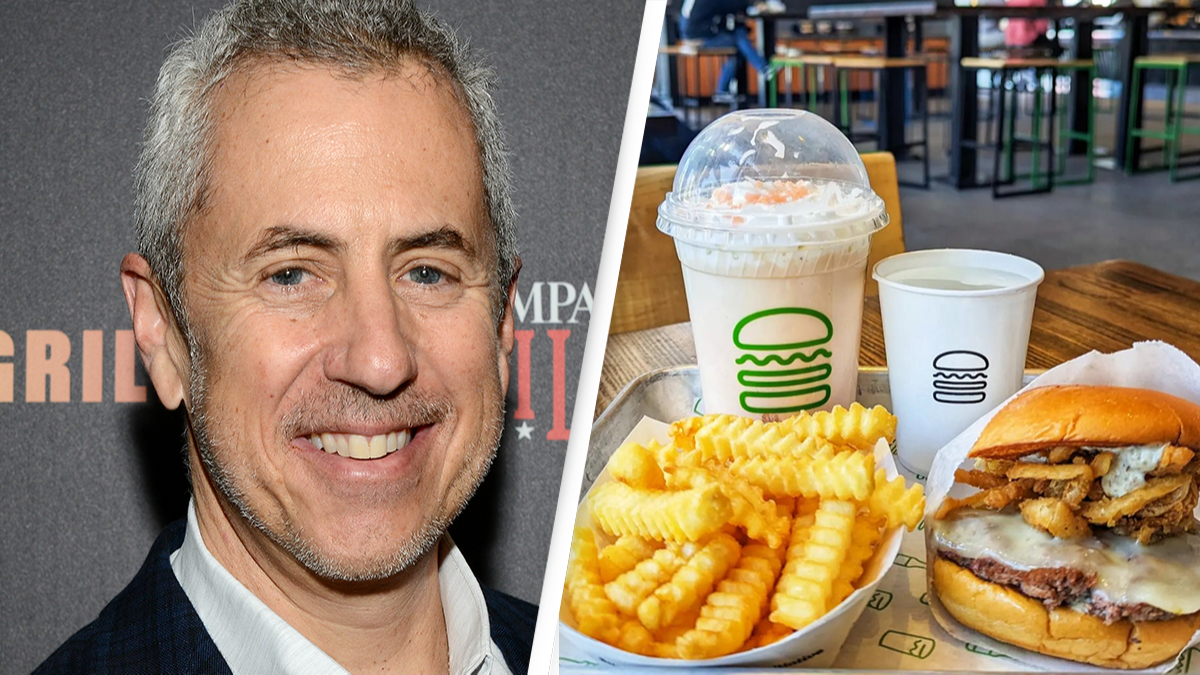
The question “who owns the Shake Shack?” unveils a fascinating reality: it is not owned by a single individual or a small private group, but rather by millions of investors, both institutional and individual, who collectively hold shares in the publicly traded company (NYSE: SHAK). From its inception as Danny Meyer’s innovative hot dog cart to its present status as a global fast-casual leader, Shake Shack’s journey illustrates a profound shift in financial structure.
This distributed ownership model means that Shake Shack’s financial health, strategic decisions, and future trajectory are intricately linked to the dynamics of the capital markets. Its market capitalization, ability to raise funds for expansion, and the pressure to deliver consistent financial results are all direct consequences of being a public entity. Ultimately, the ownership of Shake Shack is a testament to the power of public markets to democratize investment, allowing a piece of a beloved brand to be held by anyone willing to invest, thereby intertwining the success of a popular eatery with the financial fortunes of a vast, global investor community.
aViewFromTheCave is a participant in the Amazon Services LLC Associates Program, an affiliate advertising program designed to provide a means for sites to earn advertising fees by advertising and linking to Amazon.com. Amazon, the Amazon logo, AmazonSupply, and the AmazonSupply logo are trademarks of Amazon.com, Inc. or its affiliates. As an Amazon Associate we earn affiliate commissions from qualifying purchases.