
In an era defined by economic volatility and the constant pursuit of financial stability, the question “how can I save money fast?” resonates deeply with countless individuals. Whether you’re aiming to build an emergency fund, pay down high-interest debt, save for a significant down payment, or simply gain a greater sense of financial security, the desire for rapid accumulation of savings is a powerful motivator. This isn’t merely about pinching pennies; it’s about adopting a strategic, disciplined, and sometimes aggressive approach to your personal finances that prioritizes quick wins and measurable progress. This article will delve into actionable strategies, both in expenditure reduction and income acceleration, to help you swiftly boost your savings without compromising your long-term financial health.

Diagnosing Your Financial Landscape for Rapid Savings
Before embarking on any savings journey, particularly one focused on speed, it’s crucial to understand your current financial situation. This diagnostic phase acts as your roadmap, highlighting where money is going and where the greatest potential for quick savings lies.
Pinpointing Your “Why”: Defining Urgent Financial Goals
The velocity of your savings effort is often directly tied to the clarity and urgency of your financial goals. Are you trying to establish a bare-bones emergency fund within three months? Do you need to save a specific amount for a critical car repair or medical bill next month? Or perhaps you’re targeting a significant debt repayment deadline.
Defining your “why” provides the necessary motivation and helps you prioritize. A vague goal like “I want to save more” will yield slower results than a concrete one like “I need $2,000 for an emergency fund by the end of the quarter.” Quantify your goals and assign a realistic, yet ambitious, timeframe. This clarity will dictate the intensity of the strategies you employ.
The Spending Audit: Uncovering Immediate Saving Opportunities
To save money fast, you must first know where your money is currently going. A thorough spending audit is non-negotiable. For one to three months, meticulously track every single dollar you spend. This isn’t just about reviewing bank statements; it’s about actively logging cash transactions, small online purchases, and forgotten subscriptions. Many budgeting apps (like Mint, YNAB, or your bank’s native tools) can automate much of this, but the active process of categorizing and reviewing each expense solidifies your understanding.
The goal here is to identify “money leaks”—those recurring, often unnoticed expenditures that siphon away your potential savings. These could be daily coffees, unused gym memberships, multiple streaming services, or impulse online purchases. Surfacing these hidden costs is the first step toward plugging them.
Differentiating Needs vs. Wants: The Foundation of Fast Cuts
Once your spending audit is complete, the next critical step is to brutally categorize every expense as either a “need” or a “want.”
- Needs are essential for survival and basic living: housing (rent/mortgage), utilities, groceries, transportation to work, basic healthcare, and minimum debt payments.
- Wants are everything else: dining out, entertainment, premium subscriptions, designer clothes, vacations, non-essential gadgets, and even overly expensive groceries or convenience foods.
For rapid savings, the strategy is simple: fulfill your needs as efficiently and cheaply as possible, and aggressively cut back on or eliminate wants. This isn’t about deprivation indefinitely, but about a temporary, focused reduction to achieve your fast-saving goals. This mindset shift—prioritizing financial goals over immediate gratification—is fundamental to accelerating your savings.
Aggressive Cost-Cutting: Drastic Measures for Swift Impact
After identifying your financial priorities and understanding your spending habits, the next phase involves implementing aggressive cost-cutting measures. These are not always easy, but they yield the quickest and most significant results.
The “No-Spend” Challenge: Resetting Your Habits
A powerful technique for rapid savings is the “no-spend challenge.” This involves setting a period (e.g., a weekend, a week, or even a month) during which you commit to spending money only on absolute essentials. No dining out, no impulse purchases, no entertainment costs beyond what you already own.
The benefits are twofold: you immediately save the money you would have spent, and more importantly, it forces you to confront and break free from habitual spending patterns. It reveals how much money you spend on things you don’t truly need and helps you appreciate free or low-cost alternatives. This intensive period serves as a powerful reset, establishing new, more frugal habits that can extend beyond the challenge itself.
Renegotiating & Eliminating Fixed Expenses: Big Wins on Monthly Bills
While discretionary spending is often the first target, fixed expenses, despite their name, are not always set in stone. These larger, recurring costs offer substantial opportunities for fast savings if tackled strategically.
- Subscriptions: Review all your monthly subscriptions – streaming services, gym memberships, software, apps. Cancel anything you don’t use regularly or consolidate where possible. Consider downgrading premium plans.
- Insurance: Shop around for car insurance, home insurance, and even health insurance. Providers often offer better rates to new customers. Don’t be afraid to call your current provider and ask them to match or beat a competitor’s quote.
- Utilities: Be proactive in reducing utility bills. Negotiate with internet or cable providers for better rates. Implement energy-saving habits at home: unplug electronics, use smart thermostats, wash clothes in cold water.
- Rent/Mortgage: While renegotiating rent is harder, if your lease is up for renewal, research market rates. For homeowners, explore refinancing options if interest rates have dropped significantly.
Mastering Groceries and Food: A Major Area for Immediate Savings
Food is one of the largest flexible expenses for most households, and thus, a prime target for fast savings.
- Meal Planning: Plan all your meals for the week, create a precise grocery list, and stick to it. This prevents impulse purchases and reduces food waste.
- Cooking at Home: Drastically reduce or eliminate dining out, takeout, and delivery services. Cooking at home is almost always cheaper and often healthier.
- Smart Shopping: Buy generic brands, shop sales, use coupons, and buy in bulk for pantry staples when appropriate. Avoid shopping when hungry.
- Pack Your Lunch: Bringing homemade lunches and snacks to work or school can save hundreds of dollars a month compared to buying them daily.
Transportation Triage: Reducing Commute Costs
Transportation expenses, especially for car owners, can be substantial.
- Public Transportation: Explore using public transport, carpooling, biking, or walking for your commute.
- Consolidate Trips: Group errands together to minimize driving.
- Fuel Efficiency: Practice fuel-efficient driving habits and maintain your vehicle to prevent costly repairs. If you have multiple cars, consider if one can be sold if it’s not essential.
Accelerating Your Income Streams for Quicker Accumulation
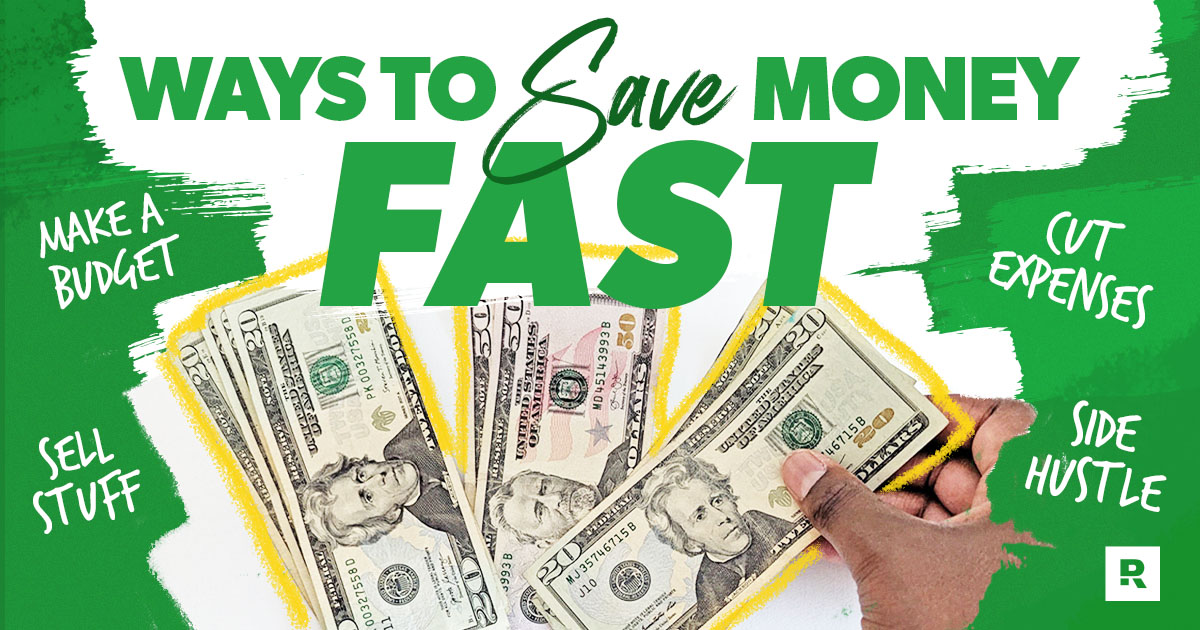
While cutting expenses is crucial, saving money fast often requires a dual approach: reducing outflow and increasing inflow. Boosting your income, even temporarily, can dramatically accelerate your savings goals.
Monetizing Underutilized Assets: Selling What You Don’t Need
Look around your home. Do you have electronics, furniture, clothing, books, or collectibles that you no longer use or need? These are dormant assets that can be converted into quick cash.
Platforms like eBay, Facebook Marketplace, Craigslist, local consignment shops, or even yard sales offer avenues to sell items quickly. Be realistic about pricing, present your items well, and be prepared to negotiate. The money generated from selling unused items can go directly into your savings account, providing an immediate boost.
Pursuing Instant-Impact Side Hustles: Generating Quick Cash
The gig economy offers numerous opportunities to earn extra money in a short amount of time.
- Freelancing: If you have marketable skills (writing, graphic design, web development, social media management), platforms like Upwork or Fiverr can connect you with clients needing immediate projects.
- Gig Economy Apps: Driving for ride-sharing services, delivering food, or running errands for others through apps like Uber Eats, DoorDash, Instacart, or TaskRabbit can provide flexible income.
- Odd Jobs: Offer services to neighbors or friends for a fee: pet sitting, house cleaning, yard work, tutoring, or babysitting. These often pay cash and can be initiated quickly.
- Temporary Work: Explore temp agencies for short-term administrative, event, or manual labor roles that offer immediate pay.
Optimizing Your Current Employment: Seeking Immediate Raises or Bonuses
While a “fast” raise might seem oxymoronic, there are still avenues to explore within your primary employment for an immediate income boost.
- Overtime: If your job offers overtime pay, volunteer for extra shifts. The increased hourly rate for overtime can significantly boost your take-home pay.
- Performance Bonuses: Understand if there are any short-term performance incentives or bonuses you can actively work towards.
- Negotiation (Strategic): If you’ve recently taken on new responsibilities or can demonstrate significant value, a direct, data-driven conversation about a salary adjustment might be warranted, especially if a review period is approaching. While this might not be instant, preparing for it now sets the stage for future, faster gains.
Building a Sustainable Framework for Continuous Fast Savings
Achieving rapid savings is one thing; sustaining that momentum and ensuring these habits stick is another. A well-designed framework can turn temporary austerity into a permanent, healthier financial lifestyle.
Automating Your Savings: Setting It and Forgetting It
One of the most effective strategies for continuous saving is automation. Set up automatic transfers from your checking account to your savings account immediately after each paycheck. Treat your savings transfer like a non-negotiable bill. Even small, consistent amounts add up quickly.
Many banks also allow you to split your direct deposit, sending a portion directly to savings before it even hits your checking account. This “pay yourself first” approach removes the temptation to spend the money before it reaches your savings goal.
Utilizing Budgeting Apps and Tools: Modernizing Your Money Management
In today’s digital age, there’s no shortage of financial tools to assist with budgeting and tracking.
- Budgeting Software: Apps like YNAB (You Need A Budget), Mint, Personal Capital, or Simplifi provide comprehensive views of your finances, categorize spending, set budgets, and track progress towards goals.
- Bank-Specific Tools: Many banks now offer integrated budgeting features, round-up savings programs (where purchases are rounded up and the change is transferred to savings), and goal-setting capabilities directly within their online banking platforms.
Leveraging these tools helps you stay accountable, visualize your progress, and quickly identify areas where you might be veering off track.
The Power of Accountability: Sharing Your Goals (Discreetly) for Motivation
While personal finance is often a private matter, a degree of accountability can be a powerful motivator, especially when pursuing aggressive savings goals.
- Financial Buddy: Partner with a trusted friend or family member who also has financial goals. Check in regularly, share wins and struggles, and offer mutual encouragement.
- Support Groups: Online forums or local financial groups can provide a sense of community and shared purpose.
- Partner Alignment: If you share finances with a spouse or partner, it’s vital to be fully aligned on your fast-saving goals and strategies. Work as a team to make cuts and increase income.
The act of articulating your goals to someone else can add a layer of commitment that helps you stick to your plan during challenging moments.
Overcoming Obstacles and Maintaining Momentum
The path to saving money fast is rarely linear. There will be temptations, unexpected expenses, and moments of discouragement. Developing strategies to overcome these obstacles is key to long-term success.
Tackling Lifestyle Inflation: Avoiding the Trap of Increased Spending
As your income potentially increases or your savings grow, there’s a natural tendency to increase your spending along with it—this is known as lifestyle inflation. To save money fast and keep it saved, you must actively resist this urge. Every time you get a raise or hit a savings milestone, commit to saving an even larger percentage of that new income or celebrating with a small, budgeted treat rather than a fundamental shift in your spending habits. Your “fast savings” mindset should evolve into a “smart savings” mindset.
Staying Motivated Through Small Wins: Celebrating Progress
Aggressive saving can be grueling. To prevent burnout, it’s essential to recognize and celebrate small victories along the way. Did you hit your weekly savings target? Did you successfully complete a no-spend weekend? Did you sell an item you no longer needed?
Acknowledge these achievements, perhaps with a non-monetary reward or a very small, pre-budgeted treat that doesn’t derail your overall progress. These small wins build momentum and reinforce the positive habit loop, making the journey feel less arduous and more achievable.

Adapting Your Strategy: Flexibility in Your Financial Journey
Life is unpredictable. Economic conditions change, personal circumstances evolve, and unexpected expenses arise. A rigid savings plan that doesn’t allow for flexibility is likely to fail. Be prepared to adapt your strategies.
If a sudden expense drains some of your fast savings, don’t view it as a failure; view it as a setback to be overcome. Re-evaluate your budget, identify new areas for cuts, or seek additional income streams. The goal is continuous progress, even if the speed fluctuates occasionally. The ability to pivot and remain committed to your ultimate financial objectives is the hallmark of a resilient and successful saver.
In conclusion, saving money fast requires a combination of self-awareness, aggressive action, and strategic planning. By diagnosing your financial health, implementing drastic cost-cutting measures, actively seeking to boost your income, and building a sustainable framework, you can rapidly accelerate your journey towards financial freedom and achieve your most urgent monetary goals. It’s a challenging but incredibly rewarding endeavor that empowers you to take control of your financial destiny.
aViewFromTheCave is a participant in the Amazon Services LLC Associates Program, an affiliate advertising program designed to provide a means for sites to earn advertising fees by advertising and linking to Amazon.com. Amazon, the Amazon logo, AmazonSupply, and the AmazonSupply logo are trademarks of Amazon.com, Inc. or its affiliates. As an Amazon Associate we earn affiliate commissions from qualifying purchases.