
The quest for affordability is a universal human trait, perhaps never more keenly felt than when it comes to essential yet often expensive recurring bills. Car insurance falls squarely into this category. For many drivers, the monthly or annual premium represents a significant drain on personal finances, leading to the natural and persistent question: “What is the cheapest car insurance company?” While seemingly straightforward, the answer to this question is anything but simple. In the intricate world of personal finance, particularly when dealing with risk assessment and individual profiles, the concept of a singular “cheapest” company is largely a myth. Instead, what one driver finds to be the most economical option may be significantly more expensive for another, underscoring the personalized nature of insurance pricing.
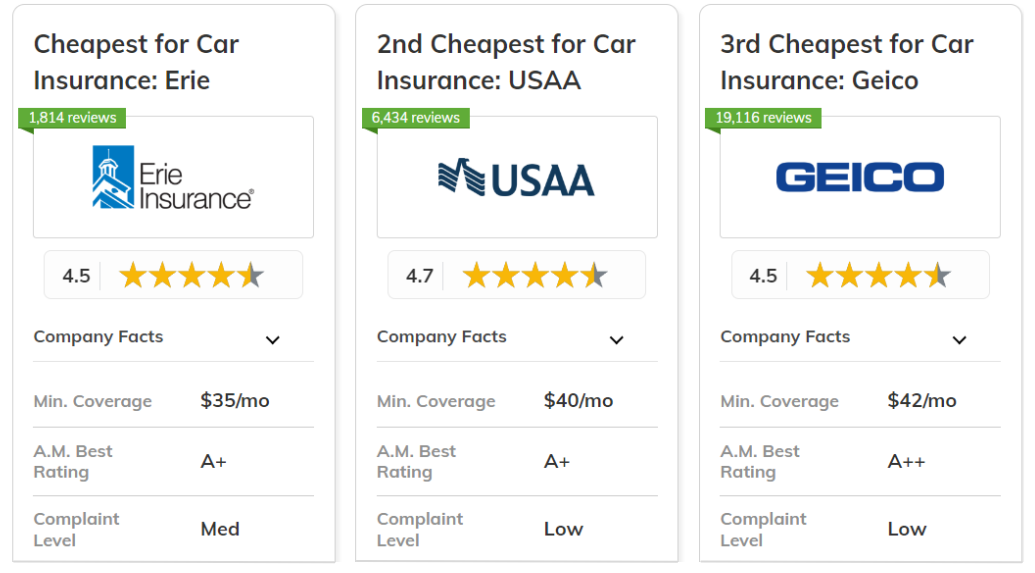
This article delves into the nuances of car insurance costs, exploring the myriad factors that influence premiums, detailing effective strategies to reduce your outlay, and guiding you through the financial tools and companies that can help you find genuinely competitive rates tailored to your specific situation. Our goal is to equip you with the knowledge and actionable insights to not just ask “what is the cheapest car insurance company,” but to understand how to find the cheapest car insurance for you.
Deconstructing “Cheapest”: Why There’s No One-Size-Fits-All Answer
To truly understand why a definitive “cheapest” car insurance company doesn’t exist, one must first grasp the complex actuarial science and individual risk assessment that underpins premium calculations. Insurers don’t simply pull numbers out of a hat; they use sophisticated algorithms and vast datasets to predict the likelihood of you filing a claim and the potential cost of that claim. Every aspect of your driving life, your vehicle, and even your personal financial habits can influence these predictions, leading to wildly different quotes from one person to the next, even for the same insurer.
Personal Driving Profile
Your personal attributes and driving history are paramount in determining your insurance rates. These factors paint a picture of your perceived risk to an insurer:
- Age, Gender, and Marital Status: Statistically, younger, less experienced drivers (especially males under 25) face higher premiums due to a greater likelihood of accidents. Rates tend to decrease with age and experience, leveling out for middle-aged drivers, before potentially rising again slightly in very old age. Married individuals are often viewed as more stable and statistically less risky than single individuals, sometimes receiving lower rates.
- Driving Record: This is arguably the most significant factor. A clean driving record, free of accidents, speeding tickets, or other moving violations, is your strongest asset in securing low premiums. Conversely, a history of claims, at-fault accidents, or serious infractions like DUIs will drastically increase your rates, sometimes making it challenging to find coverage at all. Insurers typically look back three to five years, though some major incidents can impact rates for much longer.
- Credit Score (where permitted): In most states, insurers use a credit-based insurance score as a predictor of future claim likelihood. Studies have shown a correlation between a higher credit score and a lower probability of filing claims. Therefore, a good credit score can significantly lower your premiums, while a poor score can lead to higher rates. It’s crucial to note that this practice is prohibited in a few states (e.g., California, Hawaii, Massachusetts, Michigan, Washington).
- Location: Where you live and primarily park your car has a substantial impact. Urban areas with higher traffic density, greater rates of theft and vandalism, or a history of frequent accidents typically incur higher premiums than rural or suburban areas. Even within the same city, specific zip codes can have different rates based on localized crime statistics and traffic patterns.
Vehicle Characteristics
The car you drive is another major determinant of your insurance cost. The simpler and less expensive a car is to repair or replace, the lower its associated insurance premium tends to be.
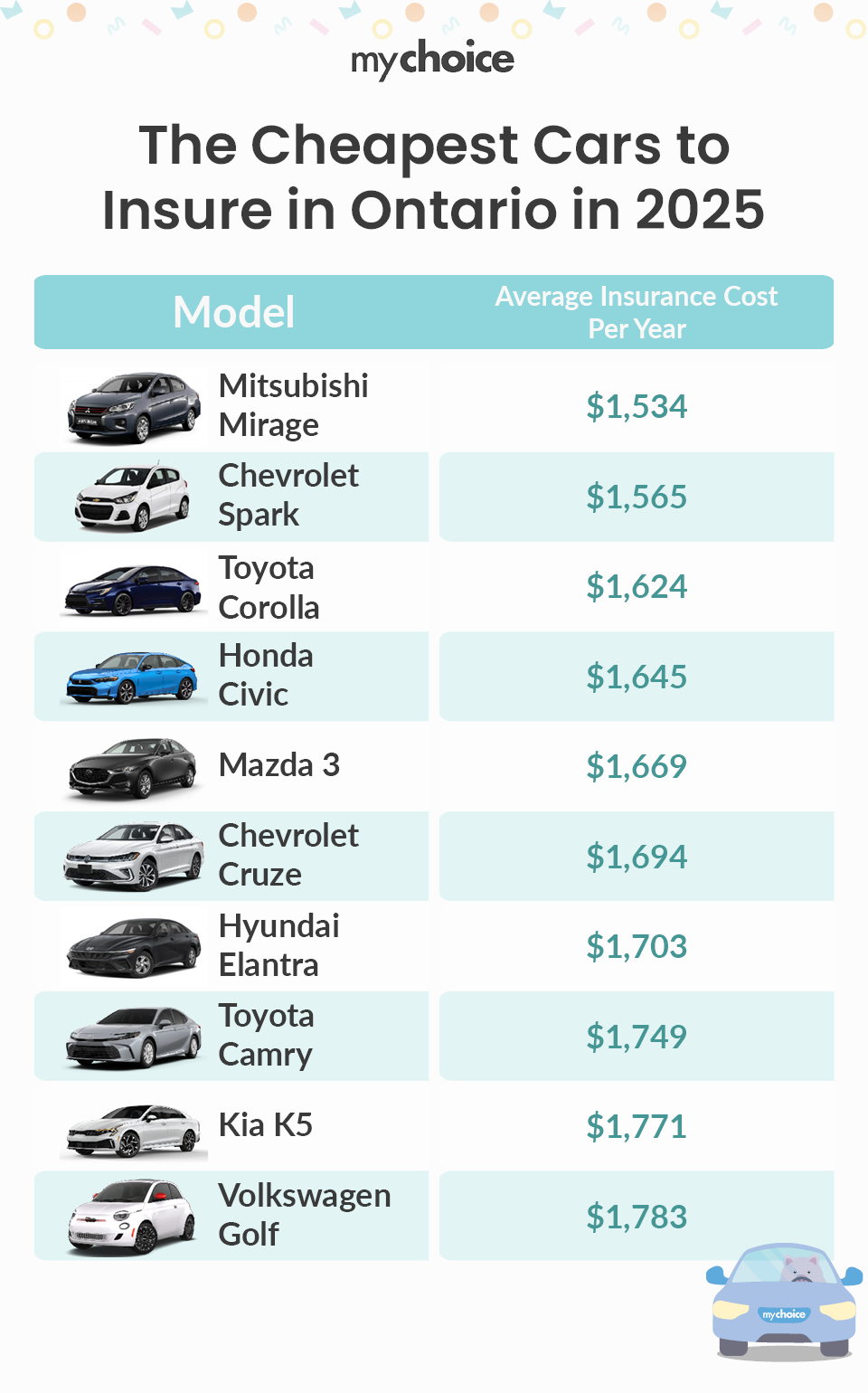
- Make, Model, and Year: Certain car models are statistically more likely to be stolen, involved in accidents, or cost more to repair due to specialized parts or complex engineering. Luxury vehicles, sports cars, and high-performance models almost invariably come with higher insurance costs. Older cars, especially those with lower market value, might be cheaper to insure for comprehensive and collision coverage, as the cost to replace them is lower.
- Safety Features: Vehicles equipped with advanced safety features like anti-lock brakes, airbags, adaptive cruise control, lane-keeping assist, and automatic emergency braking can qualify for discounts, as these features reduce the likelihood or severity of accidents.
- Anti-Theft Devices: Factory-installed or aftermarket anti-theft systems (e.g., car alarms, tracking devices, immobilizers) can lead to significant premium reductions, especially for models popular with thieves.
Coverage Needs and Deductibles
The type and amount of coverage you choose directly impact your premium. There’s a critical balance between adequate protection and cost.
- Minimum State Requirements vs. Comprehensive Coverage: Every state mandates a minimum level of liability insurance. However, this basic coverage often provides insufficient protection for your assets in the event of a serious accident. Adding collision, comprehensive, uninsured/underinsured motorist, and other optional coverages significantly increases your premium, but also your financial security.
- Deductibles: The deductible is the amount you agree to pay out-of-pocket before your insurance kicks in for collision and comprehensive claims. A higher deductible typically results in a lower premium, as you’re taking on more of the initial financial risk. Conversely, a lower deductible means higher premiums but less out-of-pocket expense if you need to file a claim. Strategically choosing your deductible based on your emergency fund and risk tolerance is a key financial decision.
Strategies to Significantly Reduce Your Car Insurance Premiums
While many factors are outside your immediate control, there are numerous proactive steps you can take to lower your car insurance costs. The “cheapest” company for you will often be the one that offers the best combination of these strategies tailored to your profile.
Shop Around Aggressively and Frequently
This is arguably the single most impactful strategy. Insurance rates are highly competitive and can vary by hundreds or even thousands of dollars between providers for the exact same coverage.
- Compare Quotes from Multiple Providers: Never settle for the first quote you receive, or simply renew with your current insurer without checking alternatives. Use online comparison tools, contact direct insurers, and consult independent insurance agents to gather a wide range of quotes. Companies like GEICO, Progressive, State Farm, Allstate, Farmers, Liberty Mutual, USAA (for military families), and many regional providers all have different pricing models.
- When to Re-shop: Make it a habit to re-shop your policy at least once a year, ideally a few weeks before your renewal date. Additionally, re-evaluate your insurance needs and shop for new quotes after significant life events such as buying a new car, getting married, moving to a new address, or improving your credit score. Even if you’ve had a minor accident or traffic violation, some insurers may be more forgiving than others.
- Leverage Online Comparison Platforms and Independent Agents: Online platforms (e.g., NerdWallet, Policygenius, The Zebra) offer convenience by allowing you to enter your information once and receive multiple quotes. Independent agents, on the other hand, work with several insurance carriers and can offer personalized advice, helping you navigate complex policy options and find niche discounts you might not uncover on your own.
Leverage Discounts and Bundling
Most insurance companies offer a multitude of discounts designed to reward safe behavior, loyalty, or specific affiliations. Failing to inquire about these is leaving money on the table.
- Common Discounts:
- Multi-Policy/Bundling: Combining your car insurance with homeowners, renters, or life insurance from the same provider can often yield significant savings on all policies.
- Multi-Car Discount: Insuring multiple vehicles with the same company.
- Good Driver/Accident-Free Discount: For drivers with a clean record over a specified period.
- Good Student Discount: For young drivers maintaining a certain GPA.
- Low Mileage Discount: If you drive fewer miles than the average person.
- Telematics/Usage-Based Insurance (UBI): Programs (e.g., Progressive’s Snapshot, GEICO’s DriveEasy) that monitor your driving habits (speeding, braking, time of day) via a device or app, offering discounts for safe driving.
- Vehicle Safety Features: For cars equipped with modern safety technology.
- Anti-Theft Devices: For cars with alarms or tracking systems.
- Paid-in-Full Discount: Paying your premium upfront, rather than monthly installments.
- Professional/Affinity Discounts: For members of certain professional organizations, alumni associations, or employers.
- Always Ask: When getting quotes, explicitly ask about every discount you might qualify for. Don’t assume the agent or online tool will automatically apply all possible savings.
Optimize Your Coverage Wisely
While adequate protection is crucial, you might be overpaying for coverage you don’t necessarily need, especially as your vehicle ages.
- Review Coverage Levels Annually: As your car depreciates in value, you might no longer need collision and comprehensive coverage, especially if the annual premium for these coverages approaches or exceeds 10% of the car’s market value. If your car is paid off and older, dropping these can be a substantial saving.
- Increase Your Deductibles Strategically: If you have a robust emergency fund and are comfortable with a higher out-of-pocket expense in case of a claim, increasing your deductibles for collision and comprehensive coverage from, say, $500 to $1,000 can significantly lower your premiums. Just ensure you can comfortably afford the higher deductible if an incident occurs.
- Consider State Minimums vs. Personal Asset Protection: While state minimums are the legal requirement, they are often woefully inadequate to protect your assets in a serious accident where you are at fault. While increasing liability limits costs more, it’s a vital financial decision to protect your savings and future earnings from potential lawsuits. Balance this decision with your overall financial picture.
Understanding the Role of Financial Tools and Companies
The landscape of car insurance is vast, populated by a diverse array of companies and tools designed to help consumers navigate their options. Understanding these can empower you in your search for the cheapest policy.
Online Comparison Platforms
These digital tools have revolutionized the insurance shopping experience, providing convenience and transparency that was once unimaginable.
- How They Work: Websites like Policygenius, The Zebra, and NerdWallet act as aggregators. You input your personal and vehicle information once, and they pull quotes from multiple insurance providers simultaneously, presenting them side-by-side for easy comparison.
- Pros: They offer unparalleled convenience, save a considerable amount of time, and allow you to quickly identify the companies offering the most competitive rates based on your initial input. They can be an excellent starting point for your research.
- Cons: While powerful, these platforms don’t always include every single insurance carrier (especially smaller regional ones) and the quotes provided are often estimates. To get final, binding quotes, you’ll usually need to click through to the insurer’s website or speak with a representative, where additional questions may be asked that could alter the initial estimate. Always double-check the coverage details to ensure you’re comparing apples to apples.
Direct Insurers vs. Independent Agents
Your choice of where to purchase insurance can also influence both price and service.
- Direct Insurers: Companies like GEICO, Progressive, and Esurance primarily sell policies directly to consumers online or over the phone, bypassing the need for agents. This model can sometimes lead to lower premiums due to reduced overhead costs. If you’re comfortable doing your own research and managing your policy digitally, direct insurers can often be a source of competitive pricing.
- Independent Agents: These professionals represent multiple insurance companies. They can shop various carriers on your behalf, providing personalized advice and helping you find the best rates and coverage options across a wide spectrum of insurers, including those not featured on online comparison sites. They are particularly valuable for those with complex insurance needs or those who prefer a human touch and expert guidance.
- Captive Agents: Agents for companies like State Farm, Allstate, and Farmers exclusively sell policies for that single brand. While they offer personalized service, their ability to shop for the “cheapest” rate is limited to their one carrier.
Telematics and Usage-Based Insurance (UBI)
A relatively newer development, UBI programs leverage technology to personalize premiums even further.
- How They Work: Insurers provide a small device that plugs into your car’s diagnostic port or an app for your smartphone that monitors your driving behavior (e.g., mileage, speed, hard braking, acceleration, time of day you drive).
- Potential for Significant Savings: For safe drivers, UBI programs can lead to substantial discounts, sometimes up to 30% or more, as your premium is based on actual driving habits rather than statistical averages alone.
- Privacy Considerations: Some drivers are hesitant due to privacy concerns regarding the tracking of their driving data. It’s essential to understand what data is collected, how it’s used, and the company’s privacy policy before enrolling.
Common Pitfalls and How to Avoid Them
In the pursuit of the “cheapest” car insurance, it’s easy to make mistakes that could cost you more in the long run.
Focusing Solely on Price Over Value
The absolute lowest premium isn’t always the best value. Inadequate coverage can expose you to catastrophic financial risk.
- The Danger of Inadequate Coverage: Skimping on liability limits or foregoing collision/comprehensive on a newer car can leave you financially devastated after a serious accident, especially if you’re at fault. The small savings on premiums will pale in comparison to potential out-of-pocket costs for medical bills, vehicle repairs, or legal fees.
- Importance of Customer Service and Claims Processing: A rock-bottom price is of little comfort if your insurer provides terrible customer service or makes the claims process a nightmare. Research customer reviews, J.D. Power rankings, and insurer financial strength ratings (e.g., AM Best) to ensure you’re choosing a reliable company that will be there when you need them most.
Not Reviewing Policies Annually
Set a calendar reminder to review your policy and compare quotes at least once a year. Your situation changes, and so do insurance rates.
- Missing Out on New Discounts or Changes: You might have become eligible for new discounts (e.g., multi-policy, good driver) or your driving profile might have improved (e.g., old tickets falling off your record). An annual review ensures you’re capitalizing on these changes.
- Allowing Rates to Creep Up: Insurers sometimes implement incremental rate increases that, over time, can make your policy significantly more expensive than competitor offerings. Proactive shopping keeps them honest and ensures you’re always getting a competitive rate.

Misrepresenting Information
It might be tempting to fudge details to get a lower quote, but this is a dangerous game.
- Consequences of Inaccurate Data: Providing false information (e.g., mileage, garaging address, driving history) can lead to policy cancellation, non-renewal, or, critically, a denied claim. If an insurer discovers you misrepresented facts after an accident, they can refuse to pay out, leaving you fully responsible for all damages and liabilities. Honesty is not just the best policy; it’s a financial imperative.
In conclusion, the journey to find the “cheapest car insurance company” is not about discovering a single, static entity. It’s a dynamic, personalized quest that requires diligence, strategic thinking, and an understanding of the factors at play. By actively shopping around, leveraging all available discounts, optimizing your coverage, and wisely utilizing financial tools, you can significantly reduce your car insurance premiums. The cheapest car insurance company, ultimately, is the one that offers you the most comprehensive coverage at the most competitive price, tailored precisely to your unique profile and needs. Be proactive, stay informed, and commit to regularly reviewing your options to ensure you’re always getting the best value for your hard-earned money.
aViewFromTheCave is a participant in the Amazon Services LLC Associates Program, an affiliate advertising program designed to provide a means for sites to earn advertising fees by advertising and linking to Amazon.com. Amazon, the Amazon logo, AmazonSupply, and the AmazonSupply logo are trademarks of Amazon.com, Inc. or its affiliates. As an Amazon Associate we earn affiliate commissions from qualifying purchases.