
In the rapidly evolving landscape of digital streaming, the transition from traditional linear cable to subscription video-on-demand (SVOD) services has redefined how consumers interact with media. One of the most significant players in this “Streaming Wars” era is Paramount Plus. Operated by Paramount Streaming, a division of Paramount Global, the service is more than just a single repository for movies; it is a complex digital ecosystem that aggregates a massive library from several iconic television networks.
For users coming from a cable background, the term “channels” might be confusing when applied to a streaming app. In the context of Paramount Plus, “channels” refer to the brand hubs and live feeds that organize the platform’s vast library of over 45,000 episodes and movies. This guide explores the technical structure of Paramount Plus, the specific network hubs included, and how the platform uses linear streaming technology to bridge the gap between old-school TV and modern software.
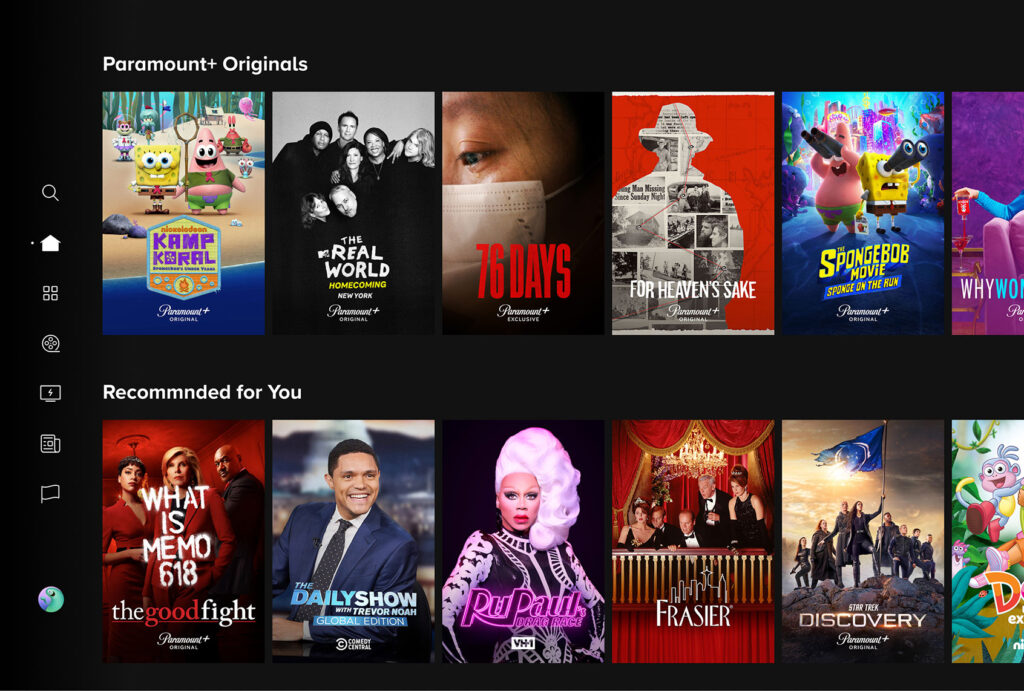
Understanding the Paramount Plus Content Architecture
To understand what “channels” are on Paramount Plus, one must first understand the software’s architecture. Unlike a traditional cable box that switches between frequencies, Paramount Plus utilizes a “Hub-and-Spoke” UI (User Interface) design. This digital framework categorizes content based on the original production houses and networks owned by Paramount Global.
The Hub Model: How Content is Organized
When you open the Paramount Plus application on a smart TV, smartphone, or browser, you are greeted with a series of interactive tiles known as “Brand Hubs.” These serve as the digital equivalent of channels. By clicking on a hub, the software filters the entire database to show only content associated with that specific brand’s metadata. This technical organization allows for a more streamlined user experience (UX), enabling users to navigate by “vibe” or genre rather than searching through a monolithic list of titles.
The Essential vs. Paramount+ with SHOWTIME Tier
From a software and subscription management perspective, the “channels” available to you depend on your chosen tier. The “Essential” plan is the entry-level ad-supported version. However, the premium tier, now officially branded as “Paramount+ with SHOWTIME,” integrates the entire Showtime library into the app. This was a significant technical and branding merger that occurred in 2023, effectively turning Showtime from a standalone app into a specialized premium channel within the Paramount Plus ecosystem.
The Core Brand Hubs: The Digital Channels
The backbone of Paramount Plus is its collection of six primary brand hubs. These hubs represent the legacy networks that have defined American television for decades.
CBS: The Foundation of Live News and Sports
CBS is the flagship “channel” on the platform. From a tech standpoint, this is the most complex hub because it often includes a live feed of your local CBS affiliate. Using geolocation data (IP address and GPS), the app delivers a real-time stream of local news, weather, and NFL broadcasts. In addition to live streaming, the CBS hub serves as an archive for massive franchises like CSI, NCIS, and late-night programming like The Late Show with Stephen Colbert.
Nickelodeon and Nick Jr.: The Family Demographic
Nickelodeon remains one of the strongest pillars of the Paramount Plus library. This hub is meticulously curated to include both legacy content (for millennial nostalgia) and current hits. Technically, the platform employs robust parental controls within this “channel,” allowing users to create “Kids Profiles” that restrict the UI to only show Nickelodeon and Nick Jr. content. Titles include everything from SpongeBob SquarePants to the expansive PAW Patrol universe.
MTV, VH1, and Comedy Central: Reality and Satire
These three hubs represent the “unscripted” and “adult animation” strengths of the platform. MTV and VH1 provide a deep dive into reality TV history, featuring franchises like The Challenge and RuPaul’s Drag Race. Meanwhile, the Comedy Central hub is the digital home for South Park, The Daily Show, and a vast library of stand-up specials. The integration of these networks into a single app demonstrates the power of content aggregation in reducing “subscription fatigue.”
Smithsonian Channel and BET: Specialized Knowledge and Culture
The Smithsonian Channel hub offers high-definition documentary content, focusing on air and space, history, and science. This hub is often praised for its 4K streaming capabilities, providing visually stunning educational content. Similarly, the BET (Black Entertainment Television) hub offers a specialized collection of series, movies, and specials that celebrate Black culture, including original programming like Sistas and The Ms. Pat Show.
The Evolution of “Live Channels” and Linear Streaming
One of the most innovative technical features of Paramount Plus is its “Live Channels” section. While most of the app is “on-demand,” the Live Channels feature uses a linear streaming protocol to mimic the experience of traditional television.
The 24/7 Linear Feed Technology
Within the app, there is a “Live” tab that features over 20 curated channels that run 24/7. These aren’t necessarily “networks” in the traditional sense, but rather “themed streams.” For example, there is a dedicated Star Trek channel that plays episodes from various series in the franchise around the clock. Other channels include “Crime & Justice,” “Adult Animation,” and “Kids & Family Fun.”
This technology is based on the FAST (Free Ad-supported Streaming TV) model, though it is integrated here into a paid service. It solves the “decision fatigue” problem—where users spend more time scrolling than watching—by providing a pre-programmed stream of content that the user can simply “turn on.”
Sports Integration: The Digital Stadium
For sports tech enthusiasts, Paramount Plus is a vital “channel” for live events. Through the CBS Sports hub, the platform streams:
- The NFL on CBS: High-bitrate streaming of Sunday afternoon games.
- UEFA Champions League: Paramount Plus is the exclusive English-language home for this premier soccer tournament in the U.S.
- Golf and Basketball: Including The Masters and NCAA March Madness.
The technical challenge of live sports—maintaining low latency to prevent “spoilers” from social media—is a primary focus of the Paramount Plus engineering team, making it a leader in live digital broadcast.
Technical Requirements and Device Compatibility
Accessing these channels requires a robust hardware and software setup. Because Paramount Plus offers high-resolution content, the underlying tech stack is demanding.
Optimizing Your Stream: 4K, HDR, and Dolby Vision
To experience the Smithsonian Channel or Paramount+ Originals (like 1883 or Halo) at their best, users need a device that supports 4K UHD. The platform utilizes advanced video codecs to deliver HDR10 and Dolby Vision, which provide superior color depth and contrast. On the audio side, many “channels” within the app support Dolby Atmos, offering a spatial audio experience for users with compatible soundbars or home theater systems.
Supported Devices and App Ecosystem
The Paramount Plus app is a versatile piece of software available across a wide array of hardware. This includes:
- Mobile: iOS and Android.
- Gaming Consoles: Xbox Series X/S and PlayStation 4/5.
- Streaming Sticks: Roku, Amazon Fire TV, and Apple TV 4K.
- Smart TVs: Integrated apps for LG, Samsung, and Vizio.
The cross-platform synchronization allows for “Watchlist” continuity, meaning you can start a show on the “MTV Channel” on your phone during a commute and pick up exactly where you left off on your smart TV at home.
The Future of Paramount Plus in the Streaming Wars
As we look toward the future of digital media, Paramount Plus is positioned as a hybrid of a traditional broadcaster and a cutting-edge tech company. The “channels” we see today are likely just the beginning of a more personalized, AI-driven experience.
AI-Driven Personalization and UX Trends
The next frontier for Paramount Plus is the integration of machine learning to further refine its “channels.” Future iterations of the UI may feature “Dynamic Channels”—personalized linear feeds generated by AI based on a user’s specific viewing habits. If the algorithm knows you love 90s sitcoms and procedural dramas, it could theoretically build a “Just for You” linear channel that broadcasts a custom schedule of Frasier and Criminal Minds.

Global Expansion and Digital Security
As Paramount Plus expands into international markets, the “channels” available may shift based on regional licensing. From a digital security perspective, the platform continues to implement rigorous DRM (Digital Rights Management) and encrypted streaming protocols to protect its high-value intellectual property from piracy. This ensures that the creators of the content on Nickelodeon, CBS, and Showtime are compensated, allowing for continued investment in high-quality software and storytelling.
In conclusion, “what channels are on Paramount Plus” is a question with a multi-layered answer. It is a collection of iconic brands like CBS, Nickelodeon, and MTV; a suite of 24/7 linear streaming feeds; and a high-tech gateway to live sports and premium cinema. By merging the familiarity of traditional TV channels with the flexibility of modern streaming tech, Paramount Plus has created a comprehensive digital library that caters to almost every demographic in the modern household.
aViewFromTheCave is a participant in the Amazon Services LLC Associates Program, an affiliate advertising program designed to provide a means for sites to earn advertising fees by advertising and linking to Amazon.com. Amazon, the Amazon logo, AmazonSupply, and the AmazonSupply logo are trademarks of Amazon.com, Inc. or its affiliates. As an Amazon Associate we earn affiliate commissions from qualifying purchases.