
In the world of modern investing, few tickers command as much attention, volatility, and debate as TSLA. For investors, Tesla is more than just a car manufacturer; it is a barometer for growth stocks, a pioneer in the energy transition, and a frequent subject of complex market mechanics. When Tesla stock experiences a significant upward trajectory, it is rarely due to a single isolated event. Instead, these rallies are typically the result of a convergence of fundamental financial performance, shifting macroeconomic conditions, and unique technical factors within the equity markets.
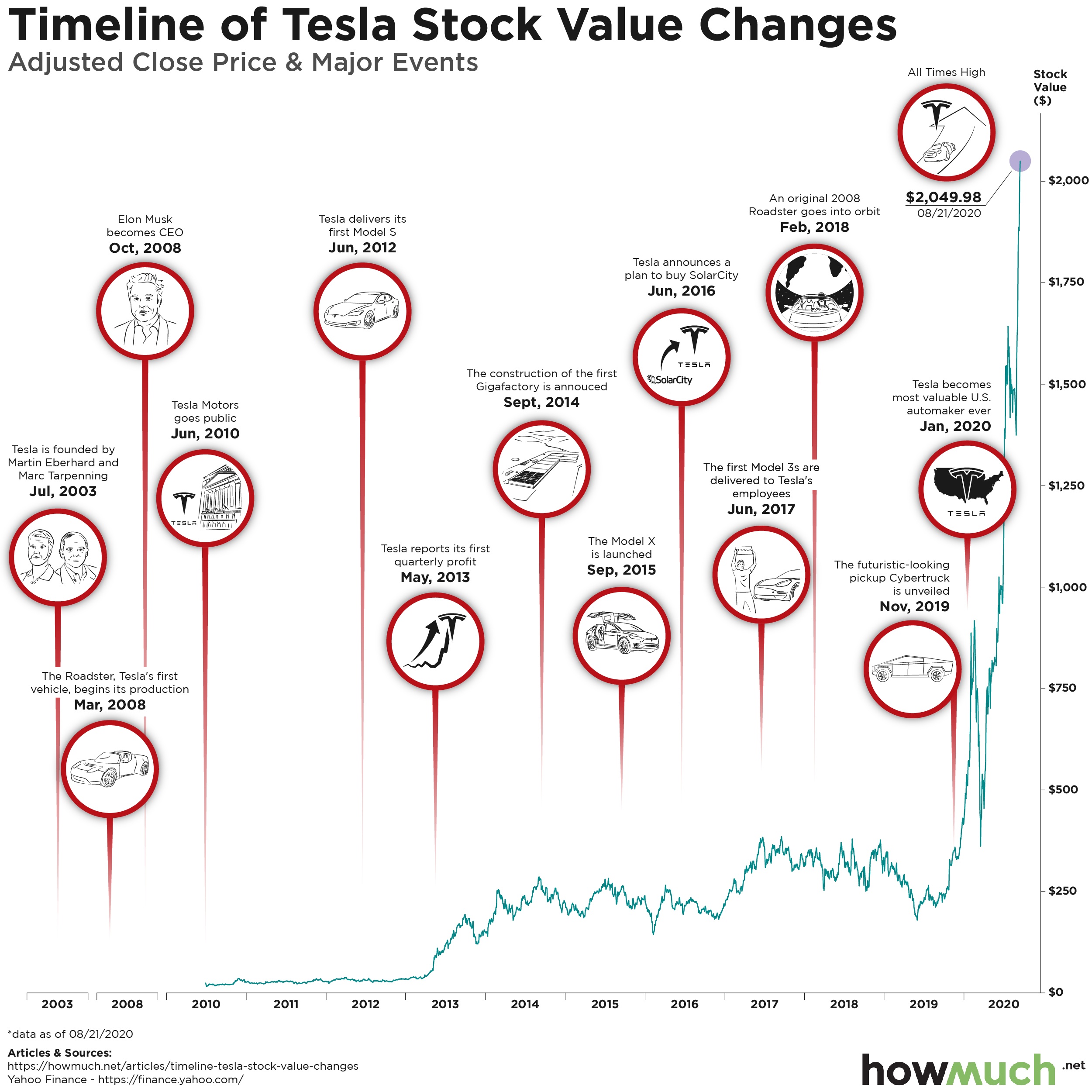
Understanding why Tesla stock goes up requires a deep dive into the financial metrics that drive its valuation and the broader economic landscape that dictates investor appetite for high-risk, high-reward assets. In this analysis, we will deconstruct the primary drivers behind Tesla’s market surges, focusing strictly on the financial and investment perspectives.
1. Fundamental Financial Drivers and Earnings Quality
At the core of any sustained stock rally lies the fundamental performance of the company. For years, skeptics argued that Tesla was overvalued compared to legacy automakers. However, recent price appreciation has often been anchored in the company’s ability to prove those skeptics wrong through concrete financial results.
Record Deliveries and Production Efficiency
The most direct catalyst for Tesla’s stock appreciation is often the quarterly delivery report. In the automotive world, deliveries are the closest proxy for revenue. When Tesla exceeds analyst expectations for vehicle deliveries, it signals strong consumer demand despite a saturated EV market. More importantly, investors look at the “operating leverage”—Tesla’s ability to increase production at its Gigafactories in Texas, Berlin, and Shanghai while simultaneously lowering the cost per vehicle. As production scales, the fixed costs are spread over a larger number of units, leading to significant bottom-line growth that excites institutional investors.
Margin Expansion and Profitability
Unlike many of its competitors in the electric vehicle space, Tesla has achieved consistent profitability. When the stock moves upward, it is often reacting to news of improved gross margins. Investors pay close attention to the “automotive gross margin,” excluding regulatory credits. When Tesla demonstrates that it can maintain high margins even while cutting prices to gain market share, it proves its “cost leadership” position. This financial resilience suggests that Tesla can survive a price war that might bankrupt smaller EV startups, making it a “safer” bet in the high-growth sector.
Revenue Diversification through Software and Services
From an investing standpoint, Tesla is increasingly valued not just as a hardware company, but as a software-as-a-service (SaaS) provider. The recognition of deferred revenue related to Full Self-Driving (FSD) software has a high-margin impact on the balance sheet. When Tesla makes progress in its software capabilities, analysts adjust their discounted cash flow (DCF) models to account for recurring high-margin subscription revenue. This shift in the revenue mix from one-time hardware sales to recurring software revenue is a massive driver for valuation multiples.
2. Macroeconomic Factors and the Interest Rate Environment
Tesla does not exist in a vacuum. As a “growth stock,” its valuation is highly sensitive to the broader macroeconomic environment, particularly the actions of the Federal Reserve and the movement of interest rates.
The Impact of Interest Rate Expectations
Growth stocks like Tesla are valued based on the present value of their future cash flows. When interest rates are high, the “discount rate” applied to those future earnings increases, making the stock less valuable today. Conversely, when the market anticipates a pivot toward lower interest rates, Tesla is often one of the first stocks to rally. Lower rates make it cheaper for consumers to finance new vehicles and decrease the cost of capital for Tesla’s massive infrastructure projects. Investors often pile into TSLA at the first sign of a cooling inflation report, betting on a more favorable lending environment.
Institutional Rebalancing and S&P 500 Dynamics
Tesla’s inclusion in the S&P 500 index changed its trading DNA forever. Now, a significant portion of its stock movement is dictated by institutional buying and index rebalancing. When the broader market outlook improves, or when Tesla’s weight within the index increases due to its market cap growth, institutional fund managers are forced to buy more shares to track their benchmarks. This creates a feedback loop: as the price goes up, passive funds must buy more, which pushes the price even higher.

The “Risk-On” Market Sentiment
Tesla is frequently viewed as a “high-beta” stock, meaning it moves more than the broader market. In a “risk-on” environment—where investors are optimistic about the economy and willing to take on more volatility for higher returns—Tesla often outperforms the S&P 500 and the Nasdaq. This sentiment-driven buying is a key reason why the stock can see double-digit percentage gains in a single week without a specific news catalyst.
3. The Energy Storage Pivot and Long-Term Valuation
Investors who look beyond the quarterly car delivery numbers often find the most compelling reasons for a stock rally in Tesla’s “Energy” segment. This division is increasingly becoming a core pillar of the company’s financial identity.
Tesla Energy: The Sleeping Giant of the Balance Sheet
Tesla’s energy storage business, including the Megapack and Powerwall, has seen triple-digit year-over-year growth in certain quarters. From an investment perspective, the energy storage market has different cyclicality than the automotive market. When Tesla reports a massive increase in Megapack deployments, it signals to the market that the company is successfully diversifying its income streams. Institutional investors value this diversification because it reduces the risk associated with being a “pure-play” automaker.
Vertical Integration as a Financial Moat
Vertical integration—controlling the supply chain from lithium refining to battery pack assembly—is a significant financial advantage. During periods of supply chain volatility, Tesla’s ability to maintain production while others stall leads to market share gains. Investors reward this “moat” because it ensures more predictable earnings in an unpredictable global economy. When Tesla announces new partnerships for raw materials or breakthroughs in battery manufacturing costs, the stock often reacts positively as the long-term “cost of goods sold” (COGS) is expected to drop.
4. Market Mechanics: Short Squeezes and Options Activity
Finally, one cannot discuss Tesla’s stock price without mentioning the unique technical mechanics that often propel it upward faster than its fundamentals might suggest.
The Gamma Squeeze and Options Trading
Tesla is one of the most liquid and heavily traded stocks in the options market. When retail and institutional investors buy a large volume of “call options” (bets that the stock will go up), the market makers who sell those options must hedge their positions by buying the underlying Tesla stock. This creates a “gamma squeeze,” where the act of hedging pushes the stock price higher, which in turn requires more hedging (buying), creating a rapid upward spiral. This technical phenomenon is a frequent driver behind Tesla’s most aggressive rallies.
Short Squeezes and Market Sentiment
For years, Tesla was one of the most shorted stocks on the Nasdaq. A “short squeeze” occurs when the stock price starts to rise, and those who bet against it (short sellers) are forced to buy back shares to cover their losses. This forced buying adds even more upward pressure on the price. While the number of shorts has decreased as the company matured, Tesla remains a favorite target for contrarian traders. Any positive news can trigger a “short covering” rally, where the exit of bears provides the fuel for the bulls.
The Role of Retail Investor Enthusiasm
Tesla has a unique relationship with retail investors. Unlike many blue-chip stocks that are primarily moved by institutions, Tesla has a massive, loyal retail following. Platforms like Robinhood and various social media forums can mobilize significant capital. When retail sentiment turns overwhelmingly positive, it can create a “momentum trade” where the stock price becomes disconnected from traditional valuation metrics like the Price-to-Earnings (P/E) ratio, driven instead by the sheer volume of buy orders.

Conclusion: A Multi-Faceted Investment Case
Tesla stock goes up not because of one factor, but because it sits at the intersection of several powerful financial trends. It is a growth stock sensitive to interest rates, a manufacturing powerhouse with improving margins, a software company with recurring revenue potential, and a technical phenomenon driven by options and sentiment.
For the savvy investor, a rally in TSLA is a signal to look deeper into the balance sheet and the macro environment. Whether it is a beat on delivery numbers, a shift in Federal Reserve policy, or a technical short squeeze, Tesla’s upward movements are a testament to its unique position in the modern financial landscape. As the company continues to evolve from an automaker into a broader energy and AI firm, its stock will likely remain a high-stakes arena where fundamental value and market psychology continue to collide.
aViewFromTheCave is a participant in the Amazon Services LLC Associates Program, an affiliate advertising program designed to provide a means for sites to earn advertising fees by advertising and linking to Amazon.com. Amazon, the Amazon logo, AmazonSupply, and the AmazonSupply logo are trademarks of Amazon.com, Inc. or its affiliates. As an Amazon Associate we earn affiliate commissions from qualifying purchases.