
The question “who makes Tesla?” at first glance appears simple, eliciting a straightforward answer: Tesla, Inc. However, to truly understand the genesis, evolution, and enduring power of this global behemoth, one must delve far deeper than the corporate entity alone. Tesla is not merely a car manufacturer; it is a meticulously crafted brand, an embodiment of a revolutionary vision, and a masterclass in corporate identity. Its making involves a complex interplay of visionary leadership, audacious design, disruptive marketing, and an unparalleled ability to cultivate a devoted following. This article will dissect the layers of Tesla’s brand, exploring the forces and strategies that have forged its distinctive identity in the annals of modern industry.
The Visionary Behind the Wheel: Elon Musk and Early Foundations
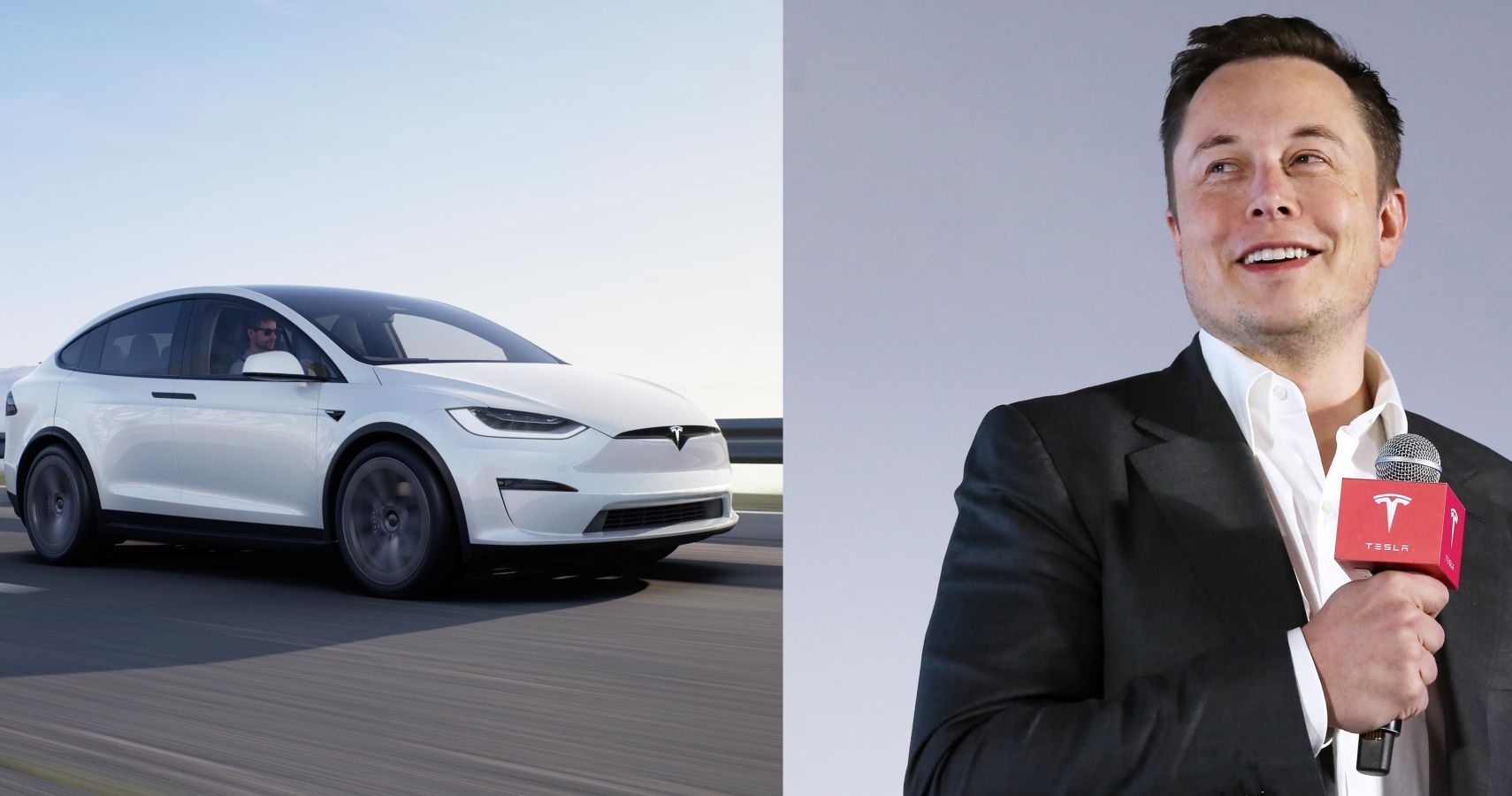
Tesla’s brand narrative is inextricably linked to the persona and audacious vision of its most prominent figure. While a common misconception, Elon Musk was not one of Tesla’s original founders; the company was incorporated in July 2003 by Martin Eberhard and Marc Tarpenning. However, it was Musk’s early investment and subsequent assumption of leadership roles that truly steered Tesla towards its current iconic status, fundamentally shaping its brand identity.
From Concept to Corporate Entity: The Founding Story
Initially conceived to prove that electric vehicles could be superior to gasoline-powered cars in terms of performance and style, Tesla Motors Inc. started with an ambitious goal. The early visionaries aimed to overcome the prevailing skepticism surrounding EVs, which were often perceived as slow, impractical, or environmentally niche. This founding ethos — to challenge the status quo and redefine an entire industry — became the bedrock of Tesla’s corporate identity. It wasn’t just about making electric cars; it was about making desirable electric cars that would force the world to reconsider its transportation future. Musk’s significant investment in 2004, followed by his appointment as chairman and later CEO, injected not only crucial capital but also an intense, future-forward ambition that would elevate the company’s brand mission exponentially.
Defining Tesla’s Brand DNA: Innovation and Disruption
Under Musk’s leadership, Tesla’s brand DNA solidified around two core tenets: radical innovation and relentless disruption. The company positioned itself not just as an automotive firm, but as a technology and energy enterprise on a mission to accelerate the world’s transition to sustainable energy. This broader mission statement expanded Tesla’s appeal beyond car enthusiasts to a wider audience interested in technology, environmentalism, and futurism. Every product launch, from the groundbreaking Roadster to the Model S, X, 3, Y, Cybertruck, and the ongoing development of the Optimus robot, has been presented as a step towards a larger, transformative vision. This narrative of a company constantly pushing boundaries and challenging established norms has become a powerful differentiator, attracting both customers and talent who identify with a brand driven by purpose and pioneering spirit.
Crafting a Unique Corporate Identity: More Than Just Cars
Tesla’s brand identity transcends its vehicles. It is a carefully constructed image of futurism, sustainability, and technological prowess that resonates deeply with a specific demographic and has managed to capture global imagination. The brand’s power lies not just in its products, but in the lifestyle and values it represents.
The Product as a Brand Statement: EVs, Energy, and AI
For Tesla, the product is the primary brand messenger. Each vehicle is designed to be instantly recognizable, often characterized by minimalist aesthetics, advanced software integration, and blistering performance. The emphasis on over-the-air software updates, autonomous driving capabilities, and integrated infotainment systems positions Tesla not as a traditional car company, but as a consumer electronics giant on wheels. Beyond vehicles, Tesla’s foray into energy solutions (Powerwall, Solar Roof) and nascent AI initiatives (Full Self-Driving, Optimus) further bolsters its identity as an integrated technology ecosystem. These diverse offerings demonstrate a consistent brand message: Tesla is building a future where sustainable energy and intelligent machines seamlessly converge, all under a singular, recognizable brand umbrella. This comprehensive approach reinforces a corporate identity that is both forward-thinking and holistic, making it a brand synonymous with progress itself.
Cultivating a Cult-Like Following: Direct-to-Consumer Model and Community
Perhaps one of the most distinctive elements of Tesla’s corporate identity is its success in cultivating an almost cult-like following. Unlike traditional automakers, Tesla eschews dealership networks, opting for a direct-to-consumer sales model that fosters a more direct relationship with its customers. This approach allows Tesla to control the customer experience from end-to-end, reinforcing its premium and exclusive brand image. Furthermore, Tesla has leveraged social media and community engagement to build an incredibly loyal and vocal customer base. Owners often become de facto brand ambassadors, sharing their experiences and defending the brand with passionate enthusiasm. This grassroots advocacy is invaluable, creating a powerful, self-sustaining marketing engine that further cements Tesla’s unique identity as a lifestyle brand, not just a product provider. The sense of belonging and shared purpose among Tesla owners is a testament to the brand’s ability to forge deep emotional connections, transforming customers into an active community.
Tesla’s Branding Strategy: A Masterclass in Differentiation
Tesla’s rise to prominence is not just a triumph of engineering but a testament to a highly unconventional yet incredibly effective branding strategy. It has masterfully differentiated itself from legacy automakers and emerging EV competitors alike, establishing a distinct space in the market.
Leveraging the “Elon Musk Effect” in Personal Branding
Central to Tesla’s branding strategy is the potent “Elon Musk effect.” Musk himself is a brand, characterized by his ambitious declarations, engineering prowess, and often controversial public persona. His active presence on social media, direct engagement with customers, and willingness to share insights (and sometimes eccentricities) have created an unparalleled level of transparency and excitement around Tesla. This personal branding strategy, where the CEO becomes the face and voice of the company, infuses Tesla with a narrative of daring innovation and a direct line to its leadership’s vision. It generates significant media attention, often serving as free marketing, and fosters a sense of personal connection between the brand and its audience. While it carries risks, the “Elon Musk effect” has undeniably been a crucial accelerator for Tesla’s brand recognition and desirability, distinguishing it from faceless corporate entities.
The Power of Scarcity and Aspiration in Marketing
Tesla’s marketing strategy is notably unconventional. It spends very little on traditional advertising campaigns, instead relying on word-of-mouth, earned media, and the intrinsic desirability of its products. This approach creates a perception of scarcity and aspiration. By limiting traditional marketing, Tesla suggests that its products are so inherently superior and in demand that they don’t need to be advertised. This scarcity principle fuels desire, turning each model release into a global event anticipated by millions. The brand’s focus on future products, often years before their release, builds anticipation and keeps Tesla constantly in the public consciousness. Customers aren’t just buying a car; they are buying into a future, a status symbol, and an aspiration to be part of something revolutionary. This subtle yet powerful psychological approach is a cornerstone of its unique brand positioning.
Design as a Cornerstone of Brand Perception
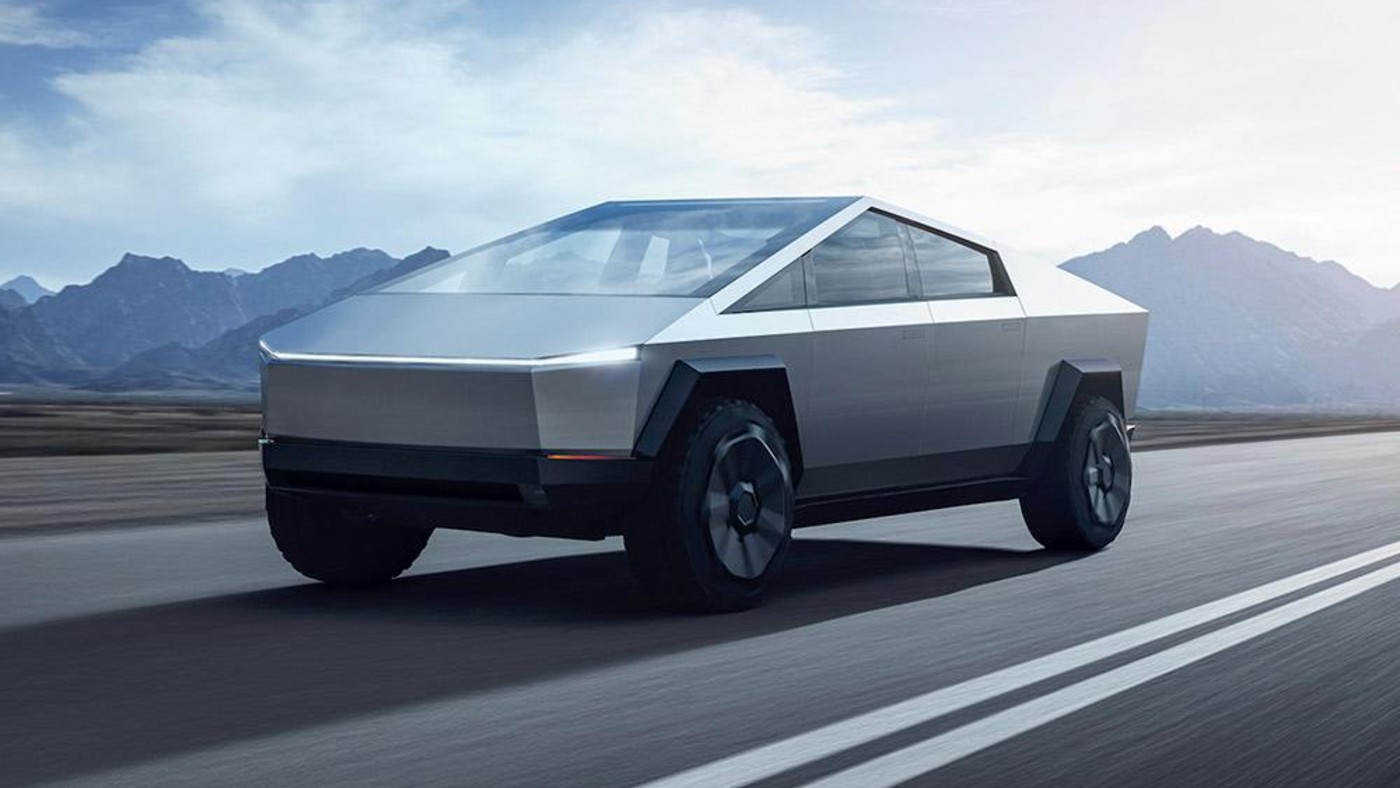
Design is not an afterthought for Tesla; it is a foundational element of its brand perception. Tesla vehicles are characterized by their sleek, minimalist aesthetics, both inside and out. This design philosophy communicates modernity, sophistication, and a departure from the often cluttered interfaces of traditional vehicles. The iconic “T” logo, while simple, is instantly recognizable and evokes a sense of technological advancement. The coherence in design across its product lines—from the vehicles to the Supercharger stations and even the user interfaces—reinforces a unified, premium, and future-forward brand image. This attention to design detail ensures that Tesla’s brand is not just heard or read about, but tangibly experienced, contributing significantly to its overall desirability and market differentiation.
Global Impact and Brand Evolution: Scaling an Identity
As Tesla has expanded globally, its brand identity has faced the challenge and opportunity of scaling its core values across diverse cultures and markets. This involves not only logistical growth but also the careful management and evolution of its brand narrative.
Navigating Challenges: Reputation Management and Brand Resilience
A brand as high-profile as Tesla, especially one closely associated with a vocal CEO, inevitably faces scrutiny and challenges. From production delays and quality control issues to controversies surrounding autonomous driving and Musk’s public statements, Tesla’s brand has been tested repeatedly. However, its brand resilience stems from its strong core identity of innovation and its dedicated community. The brand often relies on its vision and future promises to weather present storms. Effective reputation management, albeit sometimes unconventional, involves transparent communication (often directly from Musk), quick iterations on product improvements, and a consistent reiteration of its overarching mission. This ability to absorb criticism and maintain a narrative of progress, even amidst setbacks, is crucial for sustaining its global brand strength.
Expanding Beyond Automotive: The Energy and AI Brand Extension
Tesla’s brand strategy has always been more expansive than just cars. Its integration of energy storage (Powerwall) and solar generation (Solar Roof) under the Tesla banner showcases a seamless brand extension into sustainable energy solutions. These products leverage the same brand pillars of advanced technology, sleek design, and environmental consciousness. More recently, the focus on artificial intelligence, particularly with the development of “Full Self-Driving” and the humanoid robot “Optimus,” further broadens Tesla’s identity into a generalist AI company. This strategic diversification solidifies Tesla’s brand as a comprehensive provider for a future-oriented lifestyle, encompassing transportation, energy, and intelligent automation. This expansion ensures the brand remains relevant and forward-looking, continually reinforcing its image as a pioneer.
The Enduring Legacy of a Modern Brand
In conclusion, “who makes Tesla?” is a question that leads to a much richer narrative than a mere corporate name. Tesla is made by a convergence of audacious vision, relentless innovation, shrewd branding strategies, and the powerful personal brand of its leader, Elon Musk. It is a brand that has meticulously crafted a corporate identity that transcends traditional industry boundaries, resonating with a global audience through its commitment to a sustainable, technologically advanced future. From its iconic product design and direct-to-consumer model to its unique marketing approach and the cultivation of a passionate community, Tesla stands as a powerful case study in how to build, maintain, and evolve a brand that is not just selling products, but selling a revolution. Its legacy is not just in the vehicles it produces, but in the indelible mark it has left on how companies define their purpose, engage with their audience, and build a brand that truly makes an impact on the world.
aViewFromTheCave is a participant in the Amazon Services LLC Associates Program, an affiliate advertising program designed to provide a means for sites to earn advertising fees by advertising and linking to Amazon.com. Amazon, the Amazon logo, AmazonSupply, and the AmazonSupply logo are trademarks of Amazon.com, Inc. or its affiliates. As an Amazon Associate we earn affiliate commissions from qualifying purchases.