
The question “What is the IRS number?” might seem straightforward, but its simplicity bel belies a deeper complexity within the realm of personal and business finance. Far from being a single, universal digit, “IRS number” can refer to a multitude of identification codes, contact lines, and service channels, each serving a unique purpose in the vast ecosystem of tax administration. For individuals, businesses, and organizations alike, understanding these various numbers – and when and how to use them – is paramount for navigating tax obligations, resolving issues, and ensuring financial compliance.
The Internal Revenue Service (IRS) is the U.S. government agency responsible for collecting taxes and enforcing tax law. Its role is central to the nation’s financial health, impacting virtually every citizen and enterprise. Consequently, the various “IRS numbers” serve as crucial conduits for interaction, identification, and information exchange between taxpayers and the agency. This article will demystify what an “IRS number” truly means, from the direct lines to its customer service representatives to the unique identification codes that define your financial identity in the eyes of the taxman, offering a comprehensive guide to their significance and application in the world of money.

Understanding “IRS Number”: More Than Just a Phone Line
When people ask “what is the IRS number,” they are often, but not always, seeking a phone number to contact the agency. However, the term encompasses a broader spectrum of numerical identifiers that are fundamental to tax compliance and financial management. Recognizing these distinct categories is the first step toward effective engagement with the IRS.
The Primary IRS Customer Service Numbers
The most common interpretation of “IRS number” refers to the general contact telephone lines for taxpayer assistance. These numbers connect individuals and businesses with IRS representatives who can provide information, answer questions, and assist with various tax-related issues.
- Individuals: The primary phone number for individual taxpayers is typically 1-800-829-1040. This line is designed to assist with personal income tax inquiries, questions about refunds, notices received, and general tax law information.
- Businesses and Self-Employed: Businesses, including sole proprietors, partnerships, and corporations, can usually reach the IRS at 1-800-829-4933. This number addresses specific business tax questions, payroll tax issues, and employer responsibilities.
- Taxpayers Who Are Deaf or Hard of Hearing: The IRS offers a TTY/TDD service at 1-800-829-4059 to ensure accessibility for all taxpayers.
- International Taxpayers: Individuals residing outside the U.S. can contact the IRS at +1-267-941-1000 (not toll-free) for assistance with U.S. tax matters.
It’s important to note that these lines operate during specific hours, typically Monday through Friday. Wait times can vary significantly depending on the time of year, with peak tax season (January to April) experiencing the longest delays. These numbers are a direct link, but they are just one facet of what an “IRS number” can represent.
Taxpayer Identification Numbers (TINs): EIN, SSN, ITIN
Beyond contact numbers, “IRS number” frequently refers to a Taxpayer Identification Number (TIN). These are unique identifiers used by the IRS to track taxpayers and ensure accurate reporting of income. The three most common types of TINs are pivotal in both personal and business finance:
- Social Security Number (SSN): This nine-digit number is issued by the Social Security Administration (SSA) and is the primary TIN for individuals. It is essential for employment, filing individual income tax returns, and accessing government benefits. For most people, their SSN is their fundamental “IRS number” for personal tax matters.
- Employer Identification Number (EIN): Also a nine-digit number, the EIN is issued by the IRS specifically to businesses. It acts as a business’s SSN, required for employers to report taxes, for certain types of businesses to file tax returns, and for banking and credit purposes. If you operate a business, hire employees, or file certain types of business tax returns, your EIN is your critical “IRS number.”
- Individual Taxpayer Identification Number (ITIN): This nine-digit number is issued by the IRS to individuals who are required to have a U.S. taxpayer identification number but who do not have, and are not eligible to obtain, an SSN. ITINs are primarily used by non-resident aliens, resident aliens, and their dependents or spouses who need to file U.S. tax returns. For individuals without an SSN but with a U.S. tax obligation, their ITIN serves as their “IRS number.”
Understanding the distinction between these TINs is crucial, as each serves a specific purpose in linking financial activities to the correct taxpayer for IRS purposes. Misusing or misidentifying these numbers can lead to significant tax complications.
Other Specialized Contact Numbers
The IRS is a vast organization with many departments handling specific tax issues. Consequently, there are specialized “IRS numbers” for particular situations:
- Estate and Gift Tax: Specific lines exist for inquiries related to estate, gift, and generation-skipping transfer taxes.
- Tax-Exempt Organizations: Charities and other non-profit organizations have dedicated contact lines for questions regarding their tax-exempt status and filing requirements.
- Collection Issues: If you’re dealing with a tax bill you can’t pay, or a lien or levy, there are specific departments and numbers designed to help resolve these collection-related matters.
These specialized numbers ensure that taxpayers can reach experts knowledgeable in their specific areas of need, highlighting the layered structure of IRS contact points.
When and Why You Might Need to Contact the IRS
The reasons for contacting the IRS are as diverse as the financial lives of individuals and businesses. Knowing when and why to reach out, whether by phone or through other channels, is a critical aspect of responsible financial management.
Personal Tax Inquiries and Assistance
Many individuals contact the IRS for help with their personal income taxes. Common reasons include:
- Understanding Tax Laws: Seeking clarification on deductions, credits, filing status, or specific provisions of the tax code.
- Refund Status: Inquiring about the status of a filed tax refund, especially if it’s delayed beyond the expected timeframe.
- Notices and Letters: Responding to or understanding official notices received from the IRS, which might concern discrepancies, proposed changes to tax, or requests for more information.
- Amending Returns: Getting guidance on how to correct errors on previously filed tax returns.
- Identity Theft: Reporting or seeking assistance after experiencing tax-related identity theft.
For these personal financial matters, a call to the individual taxpayer line can provide crucial clarity and direction.
Business Tax Matters and Compliance
Businesses have a distinct set of reasons for contacting the IRS, often tied to their operational and compliance requirements:
- EIN Application and Questions: Inquiring about the process of obtaining an EIN or questions related to an existing one.
- Payroll Tax Issues: Seeking guidance on withholding, depositing, and reporting employment taxes, including federal income tax, Social Security, and Medicare taxes.
- Business Deductions and Credits: Understanding which business expenses are deductible and exploring available tax credits specific to their industry or activities.
- Entity Changes: Notifying the IRS of changes in business structure, ownership, or address.
- International Business Operations: For businesses with international dealings, questions about foreign tax credits or reporting requirements.
Maintaining open communication with the IRS on business tax matters is vital for avoiding penalties and ensuring smooth operations.
Payment Issues, Refunds, and Notices
Disputes or difficulties related to tax payments and refunds are frequent triggers for IRS contact:
- Setting Up Payment Plans: Arranging an installment agreement or offer in compromise if you cannot pay your tax liability in full.
- Disputing Assessments: Challenging a proposed tax increase or penalty outlined in an IRS notice.
- Understanding Tax Liens or Levies: Seeking information or resolution regarding IRS collection actions against assets or wages.
- Delayed Refunds: Investigating why a refund has not been received or why it differs from the amount expected.
These situations often require direct interaction to negotiate solutions or provide necessary documentation.
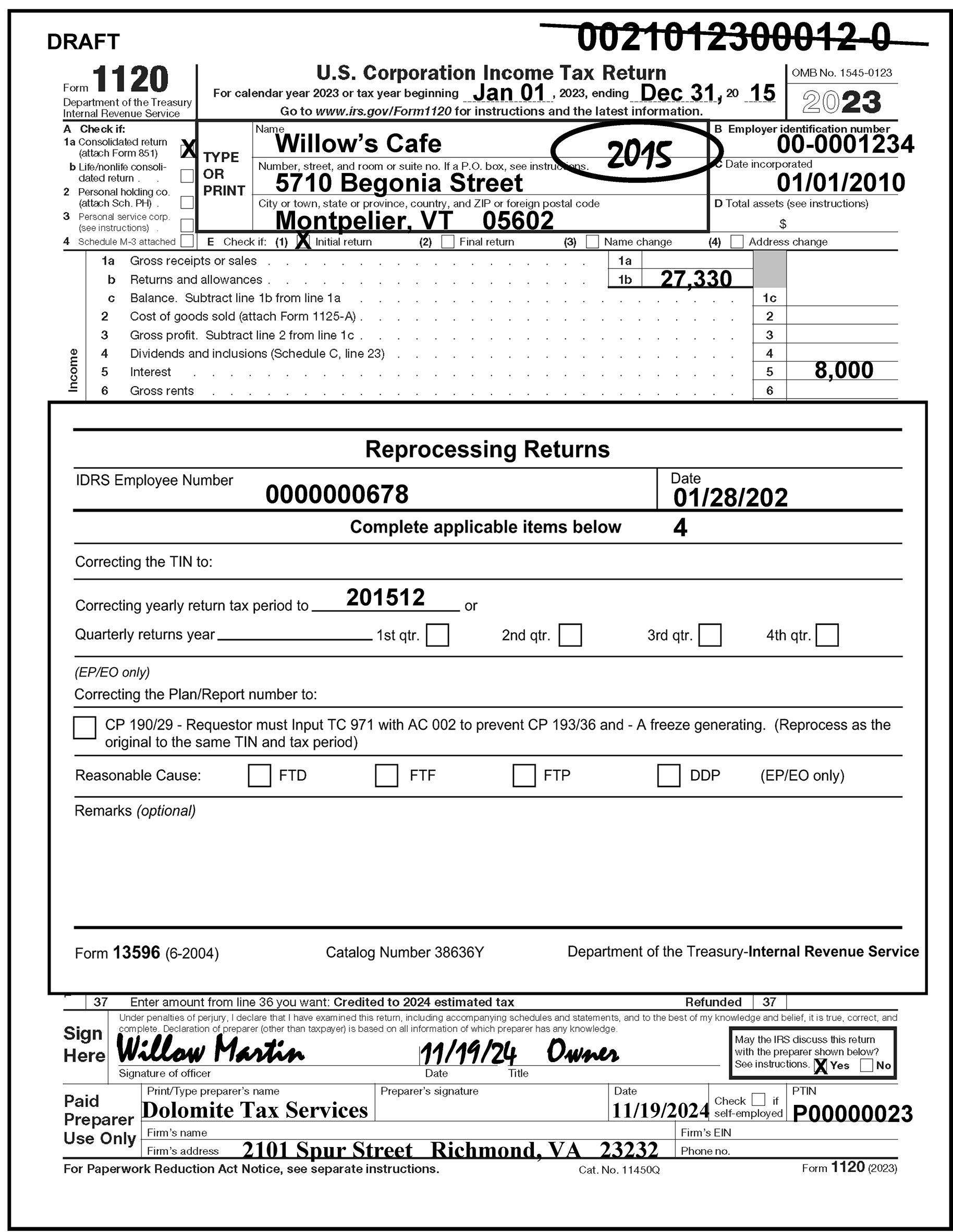
Identity Theft and Fraud Concerns
One of the most critical reasons to contact the IRS is in response to or prevention of tax-related identity theft. If you suspect someone has used your SSN, EIN, or ITIN to file a fraudulent tax return or claim a refund, immediate action is necessary. The IRS has dedicated procedures and a specialized Identity Protection PIN (IP PIN) to help protect taxpayers from such fraud. This specific scenario underscores the importance of the individual’s “IRS number” (TIN) and the critical need for immediate communication when it’s compromised.
Strategies for Effective Communication with the IRS
Interacting with the IRS can often feel daunting, but adopting effective strategies can significantly streamline the process, whether you’re using a direct “IRS number” for a call or leveraging their extensive online resources.
Preparing for Your Call: Essential Information to Have
Before dialing an “IRS number,” preparation is key. Having all relevant information at hand will make your call more efficient and increase the likelihood of resolving your issue on the first attempt.
- Your Taxpayer Identification Number (SSN, EIN, or ITIN): This is fundamental for the IRS to identify your account.
- The Tax Year(s) Involved: Be specific about which tax year your inquiry pertains to.
- Copies of Your Filed Tax Returns: Referencing your past returns can help clarify details.
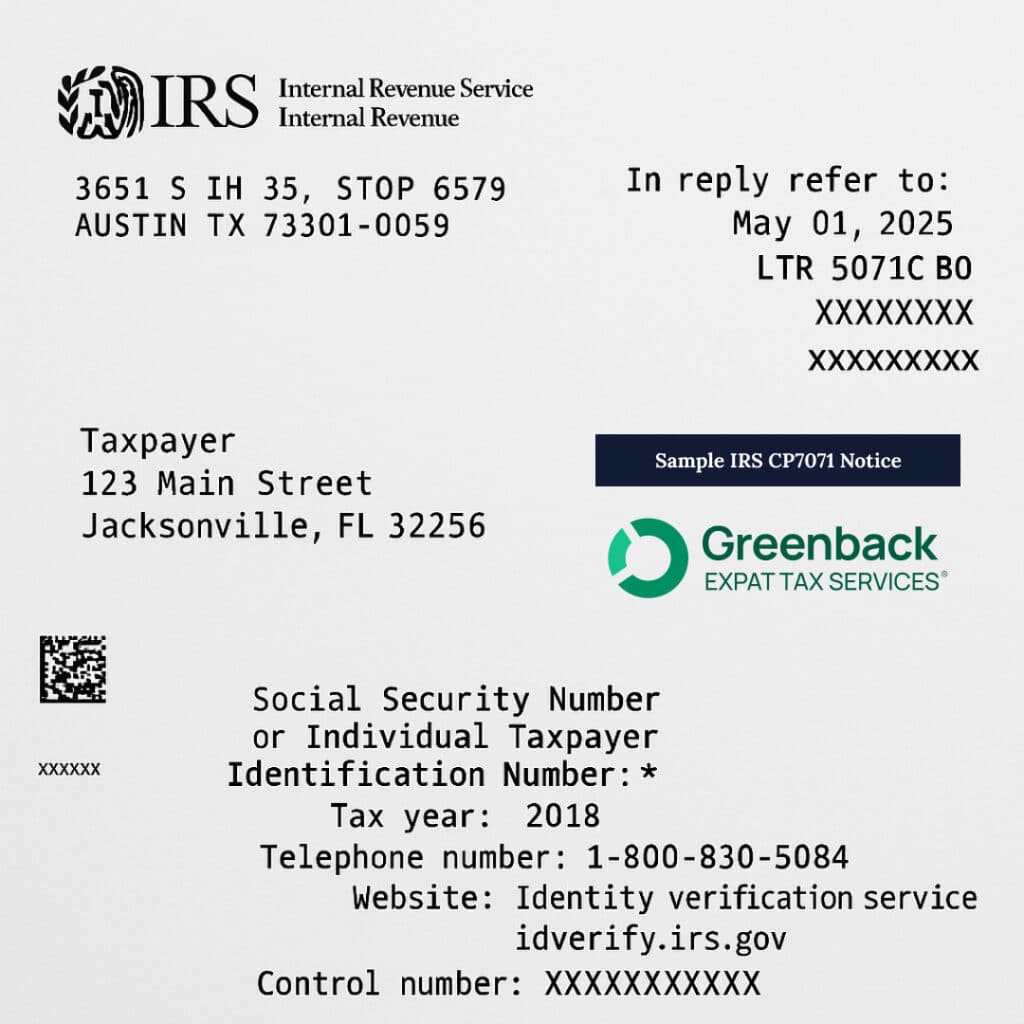
- Any IRS Notices or Letters You’ve Received: These often contain control numbers or specific references that can expedite your call.
- Supporting Documents: Income statements (W-2s, 1099s), expense records, and any other documentation relevant to your question.
- A Clear, Concise Question: Before calling, define exactly what you want to ask or achieve.
- Pen and Paper: To take detailed notes of the conversation, including the representative’s name and badge number, the date and time, and the advice given.
Being organized not only saves time but also projects a professional image, which can be beneficial in complex interactions.
Understanding IRS Online Resources
Often, the “IRS number” you’re looking for isn’t a phone line at all, but rather information accessible online. The IRS website, IRS.gov, is an invaluable and often overlooked resource that can provide answers to many questions without the need for a phone call.
- “Where’s My Refund?” Tool: Provides real-time updates on the status of your federal tax refund.
- IRS Direct Pay: Allows individuals to pay their tax bills or make estimated tax payments directly from their checking or savings accounts.
- Online Taxpayer Account: Offers access to tax records, payment history, and information about notices received.
- Forms and Publications: A comprehensive library of all IRS tax forms, instructions, and publications, often containing detailed answers to common questions.
- Interactive Tax Assistant (ITA): An online tool that answers tax law questions specific to your individual circumstances.
- FAQs and Tax Topics: Extensive sections dedicated to frequently asked questions on a wide range of tax subjects.
Leveraging these online tools can save significant time and effort, making them a crucial part of an effective communication strategy with the IRS.
The Role of Tax Professionals
For individuals and businesses facing complex tax situations or simply seeking peace of mind, engaging a qualified tax professional can be an invaluable strategy. Certified Public Accountants (CPAs), Enrolled Agents (EAs), and tax attorneys are authorized to represent taxpayers before the IRS.
- Expert Guidance: Professionals can interpret complex tax laws, identify eligible deductions and credits, and ensure accurate filing.
- Representation: They can communicate with the IRS on your behalf, respond to notices, and represent you during audits, often mitigating stress and achieving better outcomes.
- Time-Saving: Outsourcing tax preparation and resolution to an expert frees up your time, allowing you to focus on other personal or business priorities.
While there’s a cost involved, the expertise and advocacy provided by a tax professional can often lead to significant savings and prevent costly errors, making them a worthwhile investment in your financial health.
Common Pitfalls and How to Avoid Them
Even with the right “IRS number” and preparation, interacting with the tax agency can present challenges. Being aware of common pitfalls and knowing how to navigate them can significantly improve your experience.
Dealing with Long Wait Times
One of the most common frustrations when calling an “IRS number” is the lengthy wait times, especially during peak season.
- Call During Off-Peak Hours: Try calling early in the morning (shortly after opening), late in the afternoon, or midweek to potentially reduce wait times.
- Call During Off-Peak Seasons: The period immediately after tax season (May-July) and before the new year (October-December) generally sees shorter wait times.
- Utilize Online Resources First: As discussed, many questions can be answered quickly and easily through IRS.gov, often eliminating the need for a call.
Patience and strategic timing are essential when direct phone contact is necessary.
Beware of IRS Scams
Unfortunately, the “IRS number” is often exploited by criminals attempting to defraud taxpayers. Scammers frequently impersonate IRS agents, demanding immediate payment, threatening legal action, or asking for personal financial information.
- Recognize IRS Communication Methods: The IRS typically initiates contact via mail. They generally do not demand immediate payment via phone, email, text message, or social media. They will not ask for credit card, debit card, or prepaid gift card numbers over the phone.
- Verify Identity: If you receive a suspicious call claiming to be from the IRS, hang up and call the official IRS number (1-800-829-1040) to verify. Do not use a number provided by the caller.
- Report Scams: Report suspicious calls or emails to the Treasury Inspector General for Tax Administration (TIGTA).
Being vigilant and knowledgeable about official IRS communication protocols is your best defense against these financial scams.
Documenting Your Interactions
Whether you speak to a representative via an “IRS number” or interact online, meticulous record-keeping is vital.
- Log Every Call: Note the date, time, the name and badge number of the representative, and a detailed summary of the conversation and any advice given.
- Keep Copies of All Correspondence: Maintain an organized file of all letters and notices received from the IRS, as well as copies of anything you send to them.
- Screenshot Online Interactions: If you use online tools or portals, consider taking screenshots for your records.
This documentation serves as proof of your efforts and the information exchanged, which can be invaluable if future disputes arise or if you need to refer back to previous advice. It’s a key part of financial due diligence when dealing with tax authorities.
In conclusion, “What is the IRS number?” is a question with a multifaceted answer, extending from critical contact lines for personalized assistance to essential taxpayer identification numbers that underpin your financial identity. Navigating the tax landscape requires not just knowing these numbers but understanding their purpose, when to use them, and how to engage effectively with the agency. By leveraging online resources, preparing thoroughly for interactions, and remaining vigilant against fraud, individuals and businesses can confidently manage their tax obligations and maintain a sound financial standing.
aViewFromTheCave is a participant in the Amazon Services LLC Associates Program, an affiliate advertising program designed to provide a means for sites to earn advertising fees by advertising and linking to Amazon.com. Amazon, the Amazon logo, AmazonSupply, and the AmazonSupply logo are trademarks of Amazon.com, Inc. or its affiliates. As an Amazon Associate we earn affiliate commissions from qualifying purchases.