
The landscape of personal and business finance has undergone a seismic shift over the last two decades. The transition from physical ledgers and paper checks to instantaneous digital transactions has redefined how we perceive value and liquidity. At the center of this revolution is PayPal, a platform that has evolved from a simple payment button into a comprehensive financial ecosystem. For those looking to streamline their financial life, whether for personal budgeting or scaling a global business, understanding how to enroll and optimize a PayPal account is a fundamental skill in the digital age.
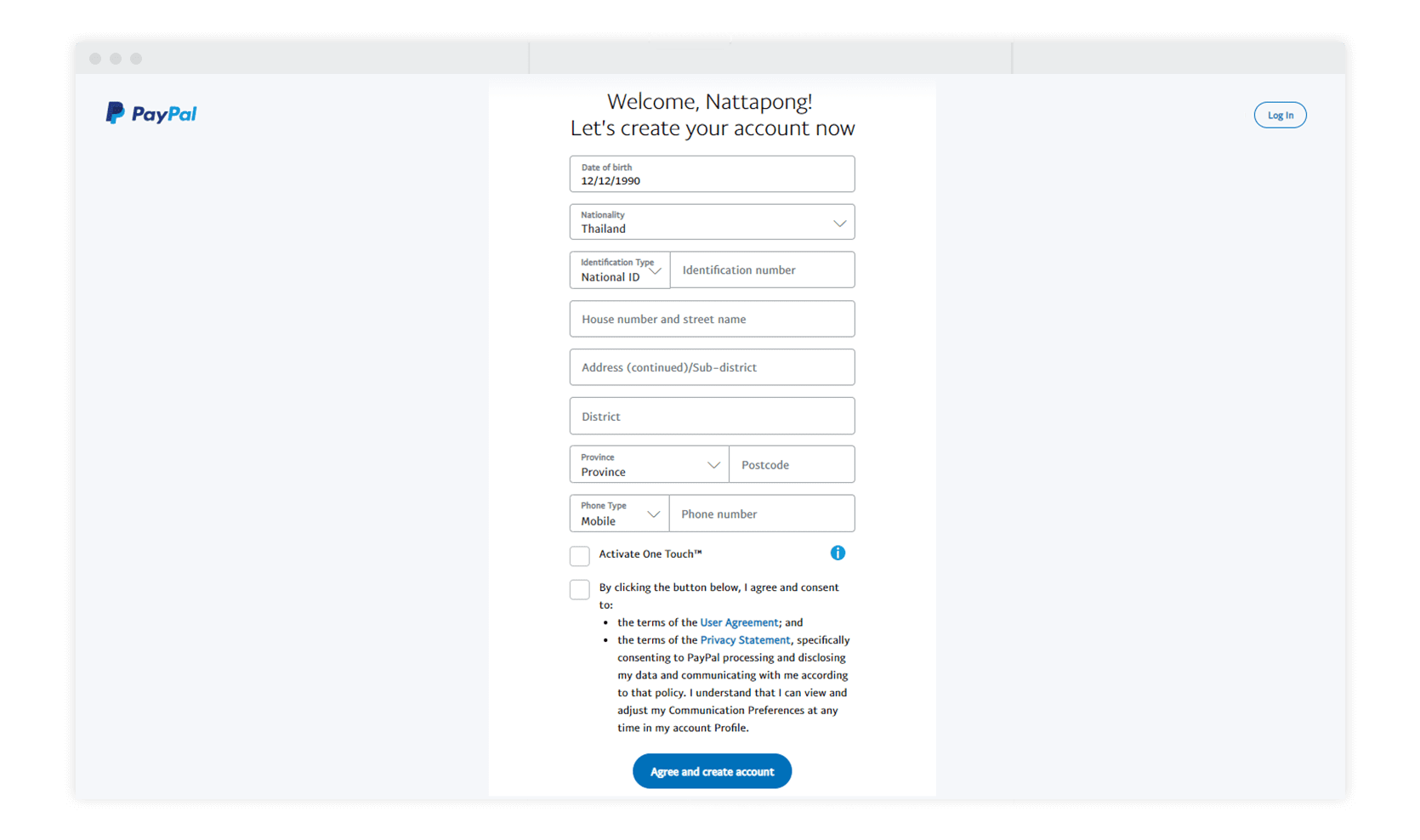
This guide explores the strategic nuances of joining the PayPal network, focusing on its utility as a financial tool for managing wealth, facilitating commerce, and securing digital assets.
Understanding the PayPal Ecosystem for Personal and Business Finance
Before initiating the enrollment process, it is essential to understand where PayPal fits within your broader financial strategy. It is not merely a middleman for credit card transactions; it is a versatile financial hub that bridges the gap between traditional banking and the burgeoning world of digital commerce.
The Evolution of Digital Wallets and Financial Intermediation
In the traditional banking model, moving money—especially across borders—involved significant friction, high fees, and lengthy clearing times. PayPal disrupted this by creating a layer of digital trust. By enrolling in the platform, users gain access to a “digital wallet” that can hold multiple currencies, manage diverse funding sources, and provide a buffer between their private banking data and third-party merchants. This layer of intermediation is a cornerstone of modern financial security, ensuring that sensitive account details are never exposed during a transaction.
Choosing Between Personal and Business Accounts
A critical decision during the enrollment phase is selecting the account type that aligns with your financial goals.
- Personal Accounts: These are designed for individuals who primarily use the platform for online shopping, sending money to friends or family, and managing personal expenses. They offer a streamlined interface focused on consumption and peer-to-peer transfers.
- Business Accounts: These are robust financial tools for entrepreneurs, freelancers, and corporations. A Business account allows for operation under a company name, provides access to multi-user setups, and offers advanced reporting features that are essential for tax compliance and cash flow analysis. For those focused on “Online Income” or “Side Hustles,” the Business account is almost always the superior choice due to its professional invoicing and payment processing capabilities.
The Enrollment Blueprint: Step-by-Step Account Setup
Enrolling in PayPal is a straightforward process, but doing it correctly requires attention to detail to ensure your account remains compliant with global financial regulations.
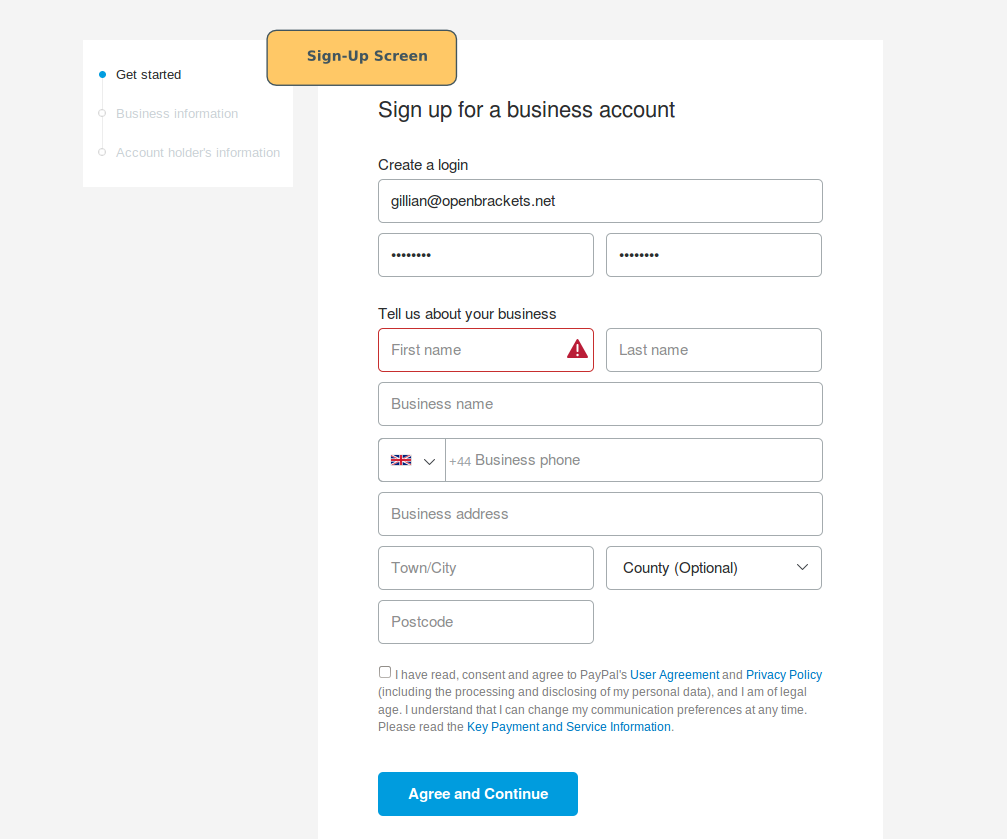
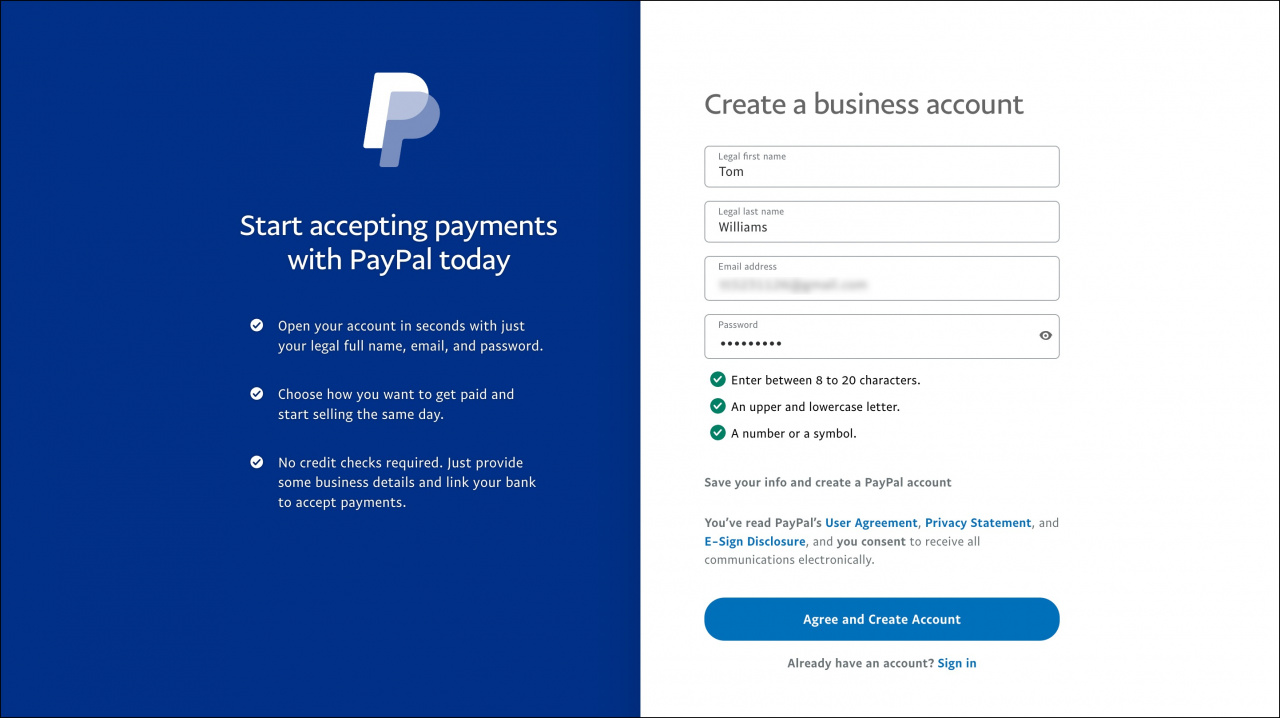
Initial Registration and Identity Verification
The process begins at the official PayPal portal. You will be required to provide a valid email address—which serves as your unique financial identifier on the platform—and create a high-strength password. For those setting up a Business account, you will also need to provide legal business information, including your Tax ID (EIN) or Social Security Number, depending on your jurisdiction.
Identity verification is not just a formality; it is a regulatory requirement known as “Know Your Customer” (KYC). These protocols are designed to prevent money laundering and fraud. Completing this step fully during enrollment prevents future “account holds” that could freeze your liquidity at inconvenient times.
Linking Funding Sources: Banks and Credit Cards
To make the account functional, you must link it to your existing financial infrastructure. You can connect a traditional bank account, a debit card, or a credit card.
- Bank Linking: This is the most cost-effective method for transferring large sums of money. PayPal uses a “micro-deposit” system to verify ownership, where two small amounts are sent to your bank for you to confirm.
- Card Linking: This provides an extra layer of consumer protection and allows for instantaneous payments. For those focused on “Personal Finance,” using a rewards-based credit card through PayPal can be a strategic way to stack benefits while maintaining digital security.
Navigating the Verification Thresholds
New accounts often have “sending” and “withdrawal” limits. These are safety measures to protect both the user and the platform. To lift these limits, you must complete the full verification process, which usually involves confirming your identity through government-issued documentation and verifying your physical address. In the world of “Business Finance,” having a fully verified account is a mark of credibility that can influence partnerships and client trust.
Optimizing Your Financial Transactions with PayPal
Once enrolled, the true value of PayPal lies in how you leverage its tools to manage your cash flow and maximize your financial efficiency.
Sending and Receiving Payments Locally and Internationally
One of PayPal’s greatest strengths is its global reach. It supports transactions in dozens of currencies, making it an indispensable tool for anyone involved in international trade or remote work. When receiving funds, especially for a side hustle, users can choose between “Goods and Services” or “Friends and Family.” From a financial management perspective, always use “Goods and Services” for business transactions to ensure you are covered by PayPal’s protection policies, despite the small percentage fee associated with it.
Understanding Fee Structures and Currency Conversion
Managing money effectively requires a deep understanding of the costs of doing business. PayPal’s fee structure is transparent but can be complex.
- Transaction Fees: Usually a percentage of the total amount plus a fixed fee.
- Currency Conversion: When you receive a payment in a foreign currency, PayPal provides a conversion service. It is vital to monitor the exchange rates offered, as they include a spread. For high-volume international businesses, it may be more financially sound to hold balances in the original currency within the PayPal wallet until market rates are favorable.
Leveraging PayPal for E-commerce and Invoicing
For those looking to generate “Online Income,” PayPal offers sophisticated invoicing tools. These allow you to send professional, itemized bills to clients worldwide. The integration of these invoices with automated bookkeeping software can significantly reduce the administrative overhead of a small business, allowing the owner to focus on growth rather than data entry.
Advanced Financial Security and Protection Protocols
In the realm of digital finance, security is the highest priority. Enrolling in PayPal provides access to some of the industry’s most robust protection programs.
Purchase and Seller Protection Programs
One of the primary reasons users enroll in PayPal is the “Purchase Protection” program. If a financial transaction goes awry—such as an item not arriving or being significantly different than described—PayPal acts as an arbitrator to recover funds.
Conversely, for those on the “Online Income” side of the equation, “Seller Protection” guards against fraudulent chargebacks and unauthorized reversals. Understanding the documentation required to qualify for these protections (such as proof of delivery) is a key part of professional financial risk management.
Two-Factor Authentication (2FA) and Fraud Prevention
A secure account is the foundation of sound personal finance. Upon enrollment, users should immediately enable Two-Factor Authentication (2FA). This adds a layer of security by requiring a code from a mobile device or an authenticator app in addition to a password. Furthermore, PayPal’s AI-driven fraud detection systems monitor accounts for suspicious activity, providing a level of oversight that many traditional banks struggle to match in the digital space.
Integrating PayPal into Your Broader Financial Strategy
Enrollment is just the beginning. To truly master this financial tool, one must integrate it into their overall wealth management and budgeting strategy.
Budgeting and Expense Tracking Features
PayPal provides detailed transaction histories that can be exported into various formats. For individuals focused on “Personal Finance,” this data is invaluable for tracking spending habits across different categories. Many modern budgeting apps can sync directly with PayPal, providing a real-time view of your financial health. By categorizing your PayPal spending, you can identify areas for cost-saving and ensure that your discretionary spending aligns with your long-term goals.
The Future of Digital Payments and Global Liquidity
As we look toward the future, the role of platforms like PayPal continues to expand. With the integration of cryptocurrency features, buy-now-pay-later (BNPL) options, and high-yield savings products in certain regions, PayPal is positioning itself as a “super-app” for finance.
For the modern investor or entrepreneur, enrolling in PayPal is more than just a way to pay for a subscription; it is a strategic move to join a global network of liquidity. It provides the flexibility to pivot between different income streams, the security to transact in uncertain digital environments, and the tools to analyze and grow one’s financial footprint.
In conclusion, “enrolling in PayPal” is the first step toward a more organized and secure financial future. By choosing the right account type, meticulously following verification procedures, and leveraging the platform’s advanced transaction and security features, users can turn a simple digital wallet into a powerful engine for financial success. Whether you are managing a small side hustle or a burgeoning corporate empire, the principles of digital financial management remain the same: prioritize security, understand your costs, and always maintain a clear view of your cash flow.
aViewFromTheCave is a participant in the Amazon Services LLC Associates Program, an affiliate advertising program designed to provide a means for sites to earn advertising fees by advertising and linking to Amazon.com. Amazon, the Amazon logo, AmazonSupply, and the AmazonSupply logo are trademarks of Amazon.com, Inc. or its affiliates. As an Amazon Associate we earn affiliate commissions from qualifying purchases.