
Navigating the complexities of the United States tax system can be a daunting endeavor for even the most financially savvy individuals. One of the most common sources of financial anxiety is the uncertainty regarding whether or not one owes money to the Internal Revenue Service (IRS). Whether it stems from a missed filing, an error on a previous return, or unexpected income from a side hustle, tax debt is a burden that grows heavier the longer it is ignored.
Proactive financial management requires a clear understanding of your standing with the federal government. Fortunately, the IRS has modernized many of its systems, making it easier than ever to track your liabilities. This guide will walk you through the precise steps to determine if you owe the IRS money, how to interpret the information you find, and the strategic financial steps you should take once you have a clear picture of your obligations.
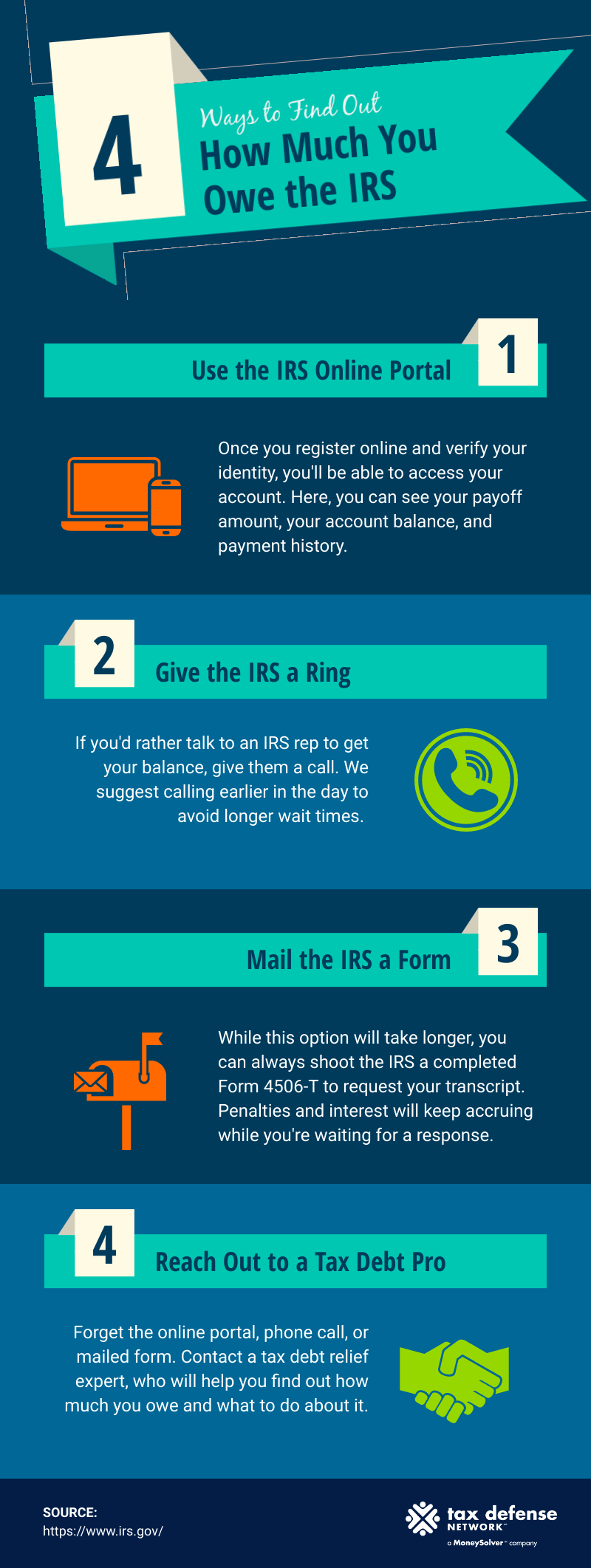
1. Leveraging Digital Tools: The IRS Individual Online Account
In the modern era of personal finance, the most efficient way to verify your tax status is through the official IRS digital portal. This is a centralized hub designed to provide taxpayers with a transparent view of their account history and current balance.
Creating and Accessing Your Account
To find out if you owe money, your first step should be to visit the official IRS website (IRS.gov) and access the “Your Account” tool. To ensure the security of your sensitive financial data, the IRS uses a third-party identity verification service called ID.me. You will need to provide a government-issued photo ID and use a smartphone or webcam to verify your identity. While this process might seem rigorous, it is a necessary safeguard against identity theft and financial fraud.
What You Can View Online
Once you have gained access to your account, you can see a comprehensive breakdown of your financial relationship with the IRS. This includes:
- Total Balance Owed: This includes the base tax, accrued interest, and any penalties.
- Payment History: A record of all payments made over the last 24 months.
- Key Tax Return Data: Information from your most recently filed return.
- Digital Copies of Notices: If the IRS has sent you formal correspondence, you can often view these documents digitally within the portal.
The Benefit of Real-Time Information
The primary advantage of using the online portal is the immediacy of the data. Unlike waiting for a letter in the mail, the online account allows you to address discrepancies immediately. For those focused on maintaining a high credit score or seeking a mortgage, knowing your tax liability in real-time is crucial, as unpaid tax liens can have devastating effects on your long-term financial health.
2. Utilizing Official Transcripts for a Deep Dive into Your Records
Sometimes, simply knowing the “total amount owed” isn’t enough. You may need to understand why the debt exists or verify if the IRS has correctly processed your previous filings. This is where requesting an official tax transcript becomes an essential financial strategy.
Types of Transcripts Available
The IRS offers several types of transcripts, each serving a different analytical purpose for your personal finance records:
- Tax Account Transcript: This is the most useful for determining debt. It shows basic data such as return type, marital status, adjusted gross income, and taxable income. Most importantly, it lists any “account activity” that occurred after you filed your return, such as assessments of interest or penalties.
- Tax Return Transcript: This shows most line items from your original Form 1040. It is useful if you need to compare what you reported versus what the IRS recorded.
- Record of Account: This is a comprehensive combination of the return and account transcripts.
How to Request Your Transcripts
You can request these documents through the “Get Transcript” tool on the IRS website. They are available for the current tax year and the prior three years. If you prefer a non-digital approach, you can file Form 4506-T, though this takes significantly longer to process. For individuals looking to clean up their financial records before a major investment or business venture, reviewing these transcripts is a non-negotiable step in due diligence.
Interpreting Transaction Codes
When you receive a transcript, you will see “Transaction Codes” (TC). For example, TC 150 indicates a filed return, while TC 290 might indicate an additional tax assessment. Understanding these codes allows you to see exactly when and why the IRS added debt to your account, providing the clarity needed to dispute errors or plan for payment.
3. Deciphering IRS Notices and Correspondence

While digital tools are excellent for proactive checking, the IRS still relies heavily on the U.S. Postal Service to communicate official demands for payment. If you owe money, you will likely receive a series of notices, each increasing in urgency.
Common Notices to Watch For
- CP14 Notice: This is usually the first notice sent when you have a balance due. It outlines the amount of tax you owe plus any initial interest and penalties.
- CP2000 (Notice of Proposed Adjustment): This is sent when the information reported to the IRS by third parties (like your employer or bank) doesn’t match what you reported on your return. This notice doesn’t necessarily mean you owe money yet, but it indicates a discrepancy that could lead to a debt.
- Notice of Intent to Levy: This is a final warning. If you see this, it means the IRS is preparing to seize assets, such as wages or bank accounts, to satisfy the debt.
Why You Should Never Ignore the Mail
In the world of personal finance, “ostrich syndrome”—sticking one’s head in the sand—is a recipe for disaster. Ignoring IRS notices does not stop the accrual of interest; in fact, it often triggers additional “failure to pay” penalties which can be as high as 0.5% of the unpaid taxes for each month or part of a month the tax remains unpaid.
Verifying the Authenticity of Notices
Because tax-related scams are prevalent, always verify that the notice is legitimate before sending money. A real IRS notice will always provide a specific taxpayer ID number and instructions on how to appeal the decision. You can cross-reference any notice received by mail with the information available in your Online Account to ensure you are dealing with the actual government agency.
4. Financial Strategies for Resolving Your Tax Debt
Once you have confirmed that you owe money to the IRS, the next phase is resolution. A large tax bill can feel overwhelming, but the IRS offers several structured financial tools to help taxpayers regain compliance without facing immediate insolvency.
Short-Term and Long-Term Payment Plans
If you cannot pay the full amount immediately, you can apply for an Installment Agreement.
- Short-term Payment Plan: This gives you up to 180 days to pay the balance in full, including interest and accrued penalties. This is often the best choice if you are waiting for a bonus or the sale of an asset.
- Long-term Payment Plan (Installment Agreement): If you need more than six months, you can pay via monthly direct debits. While interest still accrues, setting up a formal plan often stops the more aggressive collection actions.
Offer in Compromise (OIC)
For those in genuine financial distress, an Offer in Compromise allows you to settle your tax debt for less than the full amount you owe. This is an advanced financial maneuver that requires proving that paying the full debt would create an unfair economic hardship. The IRS scrutinizes your income, expenses, and asset equity before granting an OIC.
Currently Not Collectible (CNC) Status
If your financial situation is so dire that you cannot cover basic living expenses, you can request that your account be placed in “Currently Not Collectible” status. This does not make the debt go away, but it pauses collection activities (like levies) until your financial situation improves.
5. Proactive Tax Planning to Prevent Future Debt
Finding out you owe money is a “reactive” financial event. The ultimate goal of professional-grade personal finance is to move into a “proactive” state where you never have to wonder if you owe the IRS money again.
Adjusting Your Withholdings
The most common reason people owe money is incorrect withholding. If you are an employee, you should revisit your Form W-4. If you had a major life change—marriage, a new child, or a significant raise—your current withholding may no longer be accurate. Use the IRS Tax Withholding Estimator annually to ensure you are on track.
Managing Side Hustle Income
In the modern economy, many individuals supplement their income through 1099 work or small businesses. This income is not taxed at the source. To avoid a massive bill in April, you must practice disciplined financial management by setting aside approximately 25-30% of your gross side-income for quarterly estimated tax payments.

The Role of Professional Advice
If your financial situation involves complex investments, rental properties, or international assets, the cost of hiring a Certified Public Accountant (CPA) or a Tax Attorney is an investment, not an expense. These professionals can help you navigate the “Money” niche with precision, identifying deductions you may have missed and ensuring that your tax strategy aligns with your long-term wealth-building goals.
By utilizing digital tools, understanding official transcripts, and responding promptly to notices, you can take control of your tax liabilities. Remember, the IRS is ultimately a debt collector, and like any financial institution, they are much easier to deal with when you are transparent and proactive rather than evasive. Taking the time to find out exactly where you stand is the first step toward financial peace of mind.
aViewFromTheCave is a participant in the Amazon Services LLC Associates Program, an affiliate advertising program designed to provide a means for sites to earn advertising fees by advertising and linking to Amazon.com. Amazon, the Amazon logo, AmazonSupply, and the AmazonSupply logo are trademarks of Amazon.com, Inc. or its affiliates. As an Amazon Associate we earn affiliate commissions from qualifying purchases.