
Navigating the complexities of federal taxation is a cornerstone of sound personal and business financial management. Whether you are reconciling an unexpected tax bill, tracking a significant refund that impacts your cash flow, or resolving a discrepancy in your corporate filings, direct communication with the Internal Revenue Service (IRS) often becomes necessary. While the digital transformation of financial services has moved many interactions online, the telephone remains a vital tool for resolving nuanced financial issues that automated systems cannot handle. Understanding how to efficiently contact the IRS by phone is more than a clerical task; it is a strategic move to protect your financial standing and ensure regulatory compliance.

Navigating the IRS Phone System: Specialized Lines for Personal and Business Finance
The IRS operates a massive telecommunications infrastructure designed to handle millions of inquiries. To avoid wasting time, it is essential to identify the specific department that corresponds to your financial situation. The IRS does not use a single “one-size-fits-all” number for every inquiry; instead, they segment their assistance based on the type of taxpayer and the nature of the financial concern.
Individual Taxpayer Assistance
For the vast majority of Americans, the primary point of contact is the Individual Taxpayer Assistance line. This is the resource for personal income tax questions, issues regarding Form 1040, and clarifications on credits such as the Earned Income Tax Credit (EITC) or the Child Tax Credit.
- Primary Number: 800-829-1040
- Hours of Operation: 7:00 a.m. to 7:00 p.m. local time, Monday through Friday.
When calling this line, you are engaging with a representative who can view your personal tax history. This is critical for resolving “math error” notices or understanding why a refund was offset to pay other federal debts. From a personal finance perspective, resolving these issues quickly prevents the accrual of interest and penalties, which can compound and derail a long-term savings plan.
Business and Specialty Tax Lines
For entrepreneurs, small business owners, and corporate financial officers, the IRS provides a dedicated line to handle more complex tax structures. Business taxation involves different deadlines, forms (such as the 1120 or 1065), and employment tax obligations.
- Business Support Number: 800-829-4933
- Estate and Gift Tax: 866-699-4083
- Excise Tax: 866-699-4096
Managing business liquidity requires a clear understanding of tax liabilities. If your business is facing an audit or needs to discuss an Employer Identification Number (EIN) issue, using the dedicated business line ensures you speak with a specialist trained in commercial tax law. This specialized focus helps maintain the integrity of your corporate financial records and ensures that your business remains in good standing with federal regulators.
Strategic Timing: Minimizing the Opportunity Cost of Hold Times
In the world of finance, time is a commodity. Spending hours on hold with a government agency represents an opportunity cost—time that could be spent on investment analysis, business development, or personal financial planning. To maximize efficiency, taxpayers should employ a strategic approach to when they place their calls.
Optimal Days and Hours for Communication
Data from the IRS suggests that wait times fluctuate significantly throughout the week. To optimize your schedule, consider the following timing strategies:
- Mid-Week Advantage: Mondays and Tuesdays are notoriously the busiest days for IRS call centers, as taxpayers tend to call after reflecting on financial issues over the weekend. Aim for Wednesday, Thursday, or Friday for shorter wait times.
- The Early Bird Strategy: Call centers open at 7:00 a.m. local time (with the exception of Alaska and Hawaii, which follow Pacific Time). Calling precisely at 7:00 a.m. usually results in the shortest queue.
- Lunch Hour Avoidance: Avoid calling during the midday window (12:00 p.m. to 2:00 p.m.), as staffing levels may dip for breaks while call volume remains steady.
Navigating the Peak Tax Season
The “Tax Season”—roughly from mid-January through April 15th—is the period of highest volume. If your financial inquiry is not time-sensitive (for example, requesting a transcript from three years ago), it is fiscally prudent to wait until after the April deadline. However, if you are calling regarding a balance due or a pending lien, immediate action is required regardless of the season.
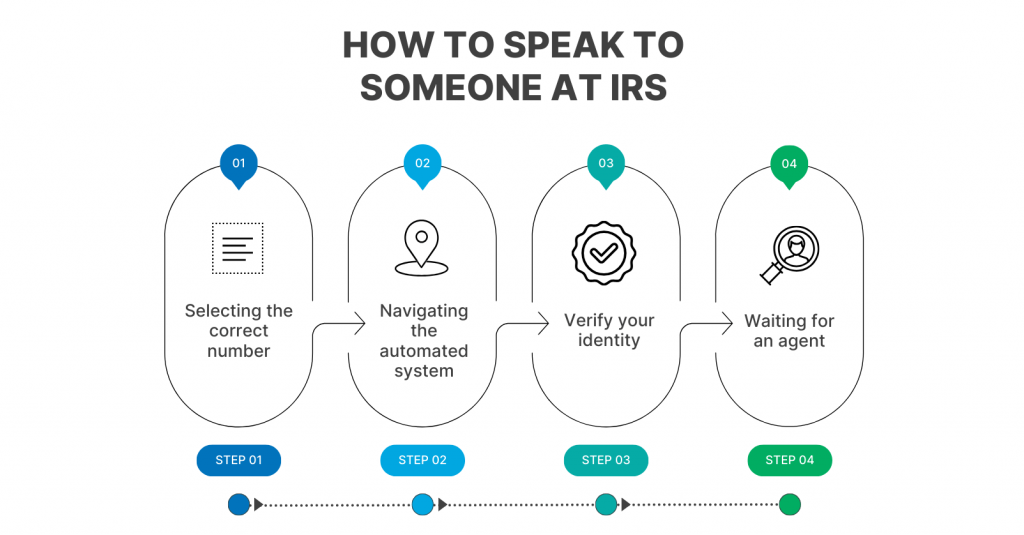
During peak times, the IRS often implements “level of service” protocols, which may include automated hang-ups if the queue is too full. In these instances, calling on a Tuesday or Wednesday evening (close to the 7:00 p.m. cutoff) can sometimes be a successful alternative to the early morning rush.
Preparation and Security: Protecting Your Financial Identity
When you contact the IRS, you are engaging in a high-stakes exchange of sensitive financial data. The IRS has rigorous authentication protocols to prevent identity theft and “synthetic identity” fraud. Being unprepared not only delays the resolution of your issue but can also lead to a security flag on your account.
Essential Documentation for the Call
Before dialing, gather a “tax dossier” to ensure you can answer any verification questions. From a financial management perspective, keeping these records organized is a best practice for any audit-ready household or business. You will need:
- Social Security Numbers (SSN) or Individual Taxpayer Identification Numbers (ITIN) for everyone listed on the return.
- Birth Dates for all individuals on the return.
- Tax Filing Status (Single, Married Filing Jointly, Head of Household, etc.).
- Prior Year Tax Returns: The representative will often ask for specific line items from a previous year’s return (e.g., your Adjusted Gross Income) to verify your identity.
- Correspondence: If you received a letter or notice (such as a CP2000), have it in front of you. The notice number in the top right corner is the quickest way for the agent to pull up your specific case.
Security Protocols and Fraud Prevention
A key component of financial literacy is recognizing the difference between legitimate IRS communication and fraudulent “vishing” (voice phishing) scams. The IRS will never initiate contact with a taxpayer via a cold call to demand immediate payment via wire transfer, gift cards, or cryptocurrency.
When you call the IRS, the agent will verify your identity, but they will never be aggressive or threatening. If you are ever in doubt about the legitimacy of a call you have received, hang up and call the official numbers listed in this guide. Protecting your financial assets begins with protecting your data; never provide your bank account information over the phone unless you have initiated the call to an official, verified IRS number for the purpose of setting up an authorized payment plan.
Beyond the Phone: Leveraging Digital Financial Tools for Efficiency
While the phone is a critical resource for complex issues, modern financial management often benefits from more efficient digital alternatives. The IRS has invested heavily in “self-service” tools that can provide instant answers, allowing you to bypass the call centers entirely for routine financial inquiries.
The IRS Online Account
For many taxpayers, the most effective “financial tool” is the IRS Online Account. This portal allows you to view the total amount you owe, your payment history, and key data from your most recent tax return. It also allows for the digital signing of power of attorney forms and the viewing of digital copies of select notices.
Using the online portal is a superior way to manage your tax-related cash flow. You can set up payment plans (Installment Agreements) online, often with lower setup fees than those requested over the phone. For a proactive investor or business owner, this digital transparency is essential for accurate balance sheet management.
The Taxpayer Advocate Service (TAS)
If you are facing a “financial hardship” due to an IRS issue—such as a bank levy that prevents you from meeting payroll or a delayed refund that is needed for essential medical expenses—the standard phone lines may not be enough. In these cases, the Taxpayer Advocate Service is an independent organization within the IRS that helps taxpayers resolve systemic or significant financial problems.
The TAS can be reached at 877-777-4778. They act as a financial mediator, ensuring that the IRS handles your case fairly and within the bounds of the Taxpayer Bill of Rights. For those in a precarious financial position, this service is a vital safety net that goes beyond simple customer service.

Conclusion: Integrating Tax Communication into Your Financial Strategy
Contacting the IRS by phone should not be viewed as an intimidating hurdle, but rather as a necessary component of active financial stewardship. By using the correct dedicated lines, timing your calls strategically, and arriving prepared with documented evidence, you can resolve discrepancies that might otherwise result in costly penalties or interest.
In the broader context of personal and business finance, staying in good standing with the IRS is fundamental to maintaining your creditworthiness and your ability to leverage assets. Whether you are seeking a “First-Time Abate” on a penalty or simply clarifying a deduction, clear and professional communication with the IRS is a skill every financially responsible individual should master. As you move forward, remember that the goal is not just to “pay the bill,” but to manage your tax obligations as a vital part of your overall financial health and long-term wealth preservation.
aViewFromTheCave is a participant in the Amazon Services LLC Associates Program, an affiliate advertising program designed to provide a means for sites to earn advertising fees by advertising and linking to Amazon.com. Amazon, the Amazon logo, AmazonSupply, and the AmazonSupply logo are trademarks of Amazon.com, Inc. or its affiliates. As an Amazon Associate we earn affiliate commissions from qualifying purchases.